Letter recognition Extra Challenge Worksheets for Ages 5-8
11 filtered results
-
From - To
Boost your child’s letter recognition skills with our engaging Extra Challenge Worksheets, designed specifically for ages 5-8. These worksheets offer a fun and effective way for young learners to enhance their understanding of letters through exciting exercises. From matching letters to identifying uppercase and lowercase forms, kids will enjoy a variety of activities that stimulate their cognitive development while reinforcing their reading readiness. Ideal for both classroom settings and home practice, these worksheets can help children gain confidence in their literacy skills. Foster a love for learning with our thoughtfully crafted challenges that make mastering letters a delightful journey!
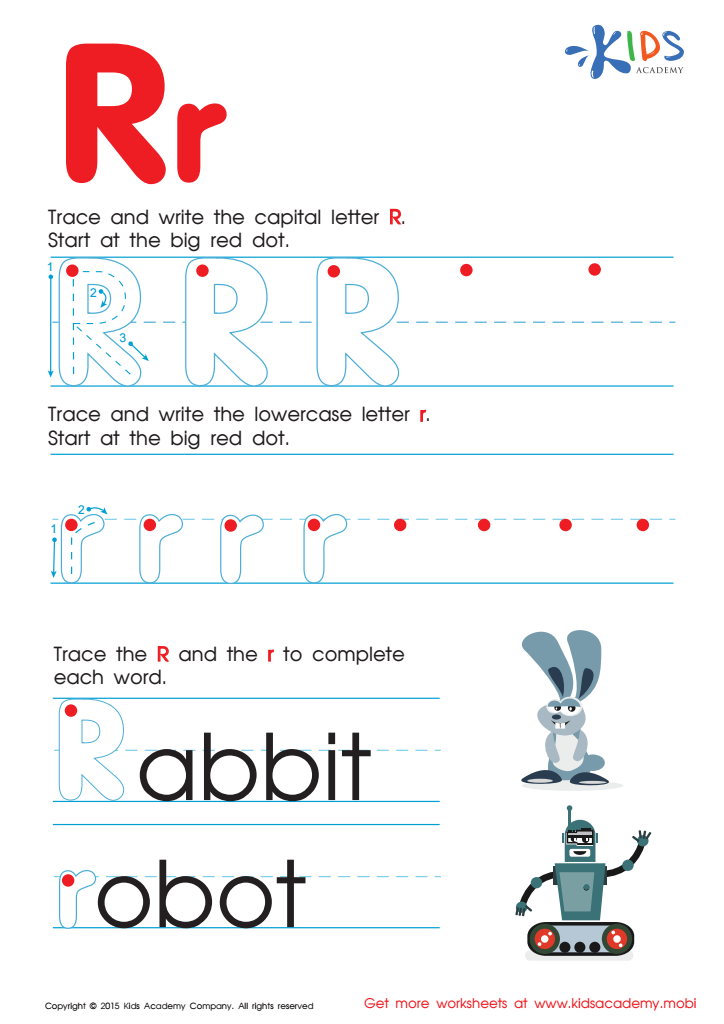
Letter R Tracing Page
 Assign to My Students
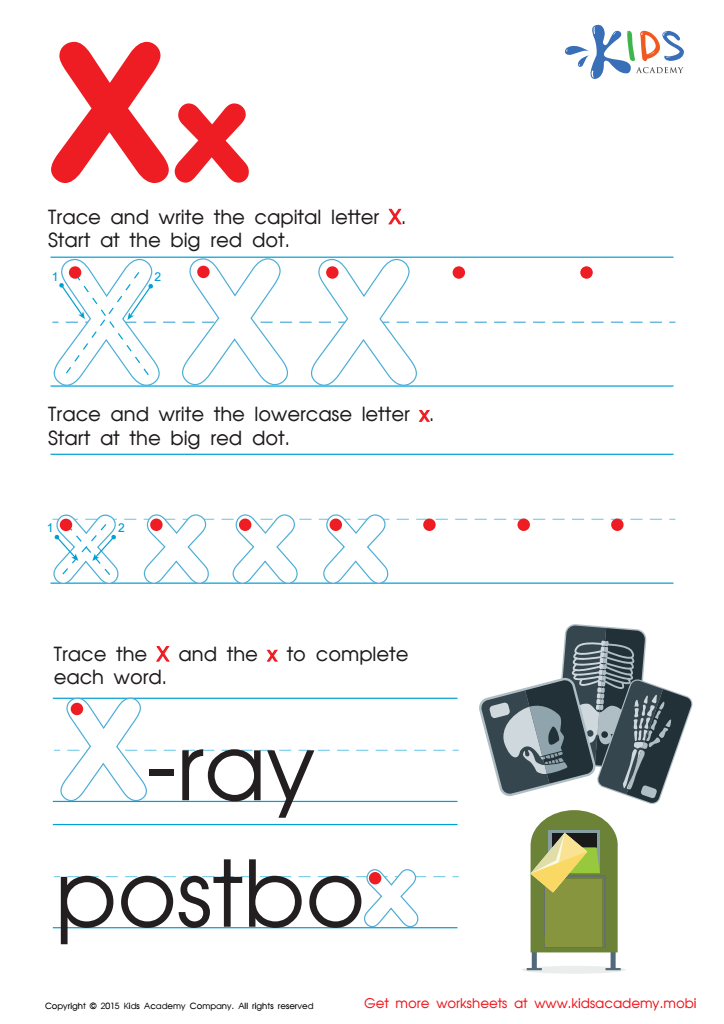
Letter X Tracing Page
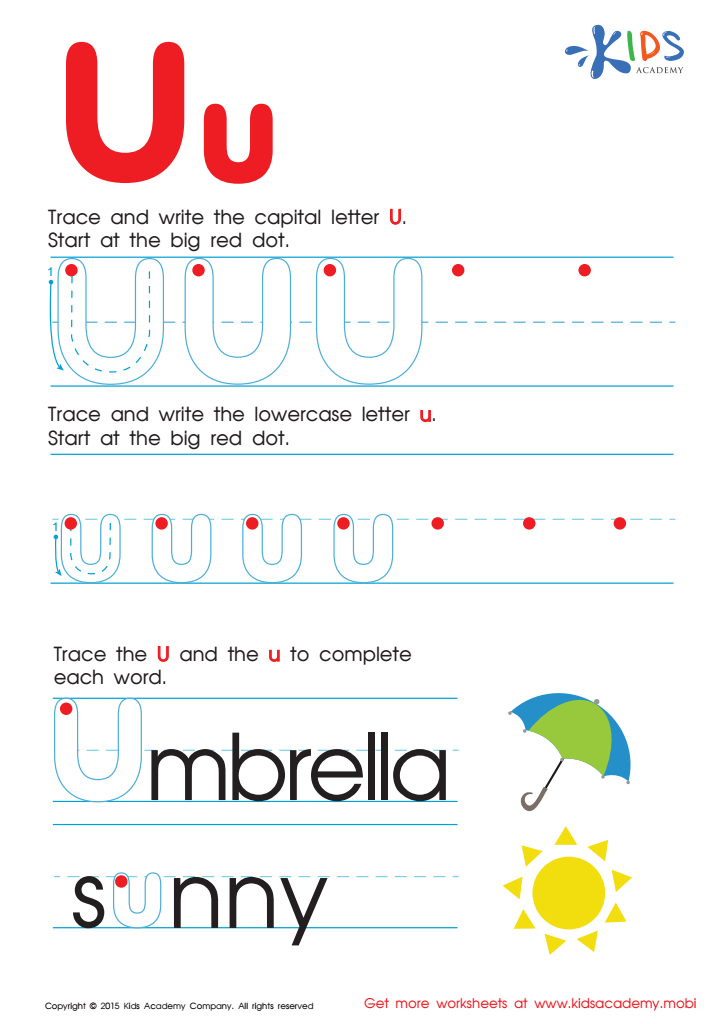
Letter U Tracing Page
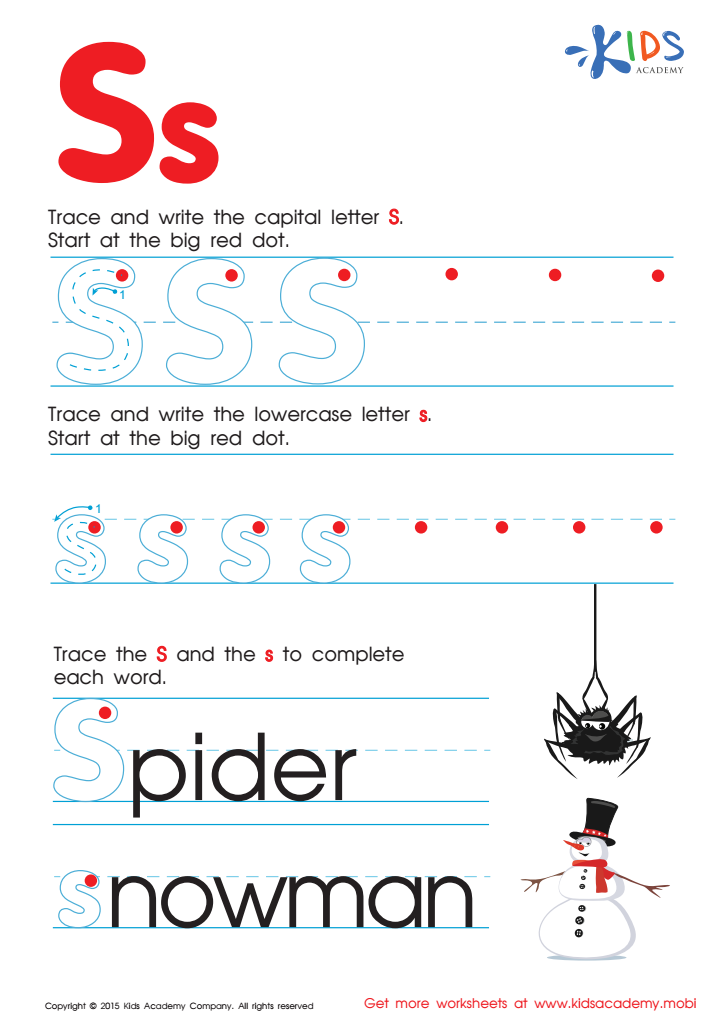
Letter S Tracing Page
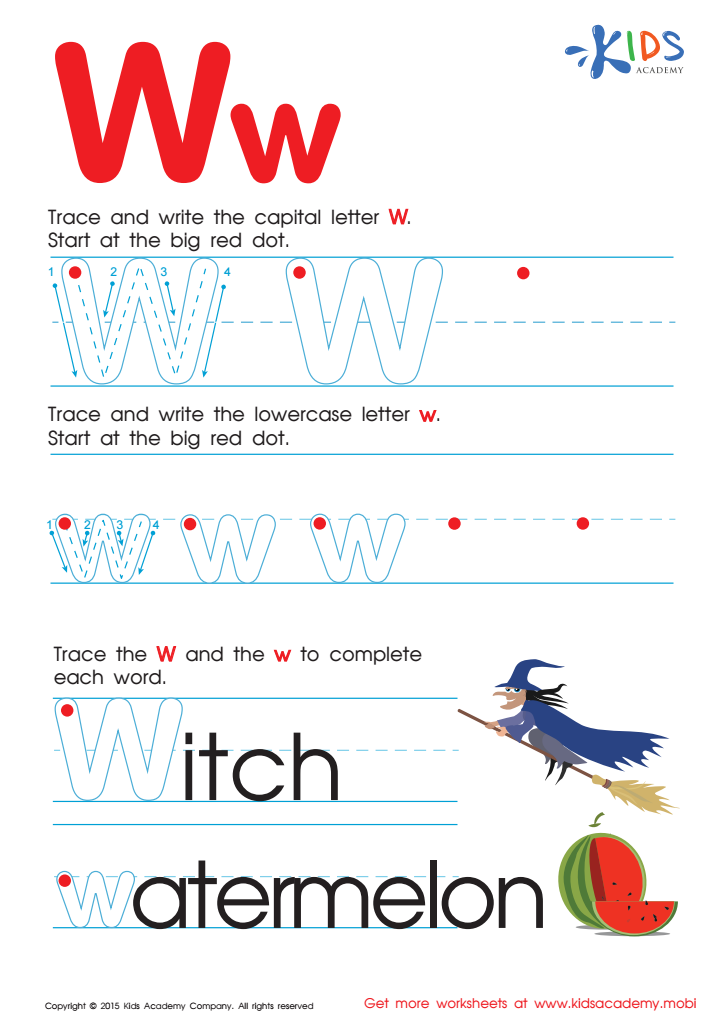
Letter W Tracing Page
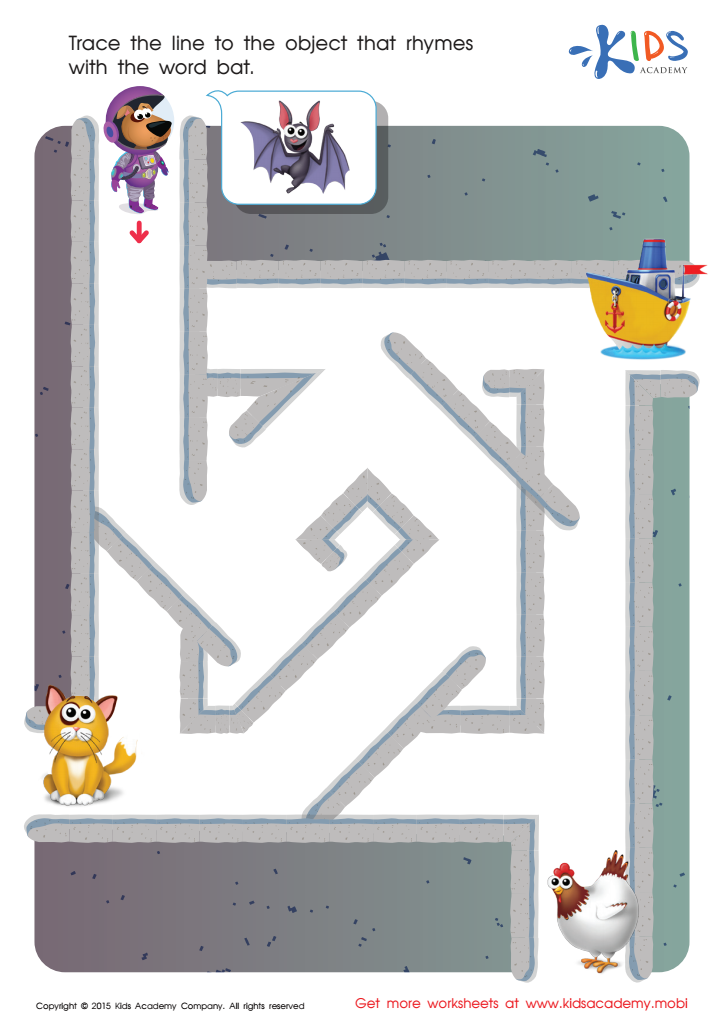
Bat Rhyming Words Worksheet
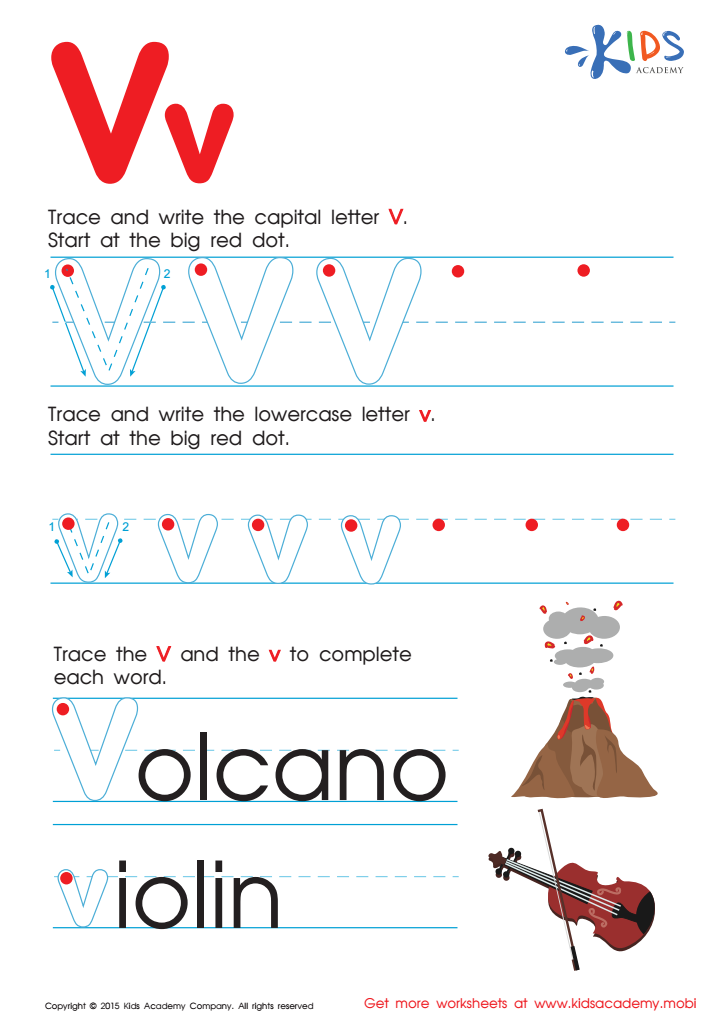
Letter V Tracing Page
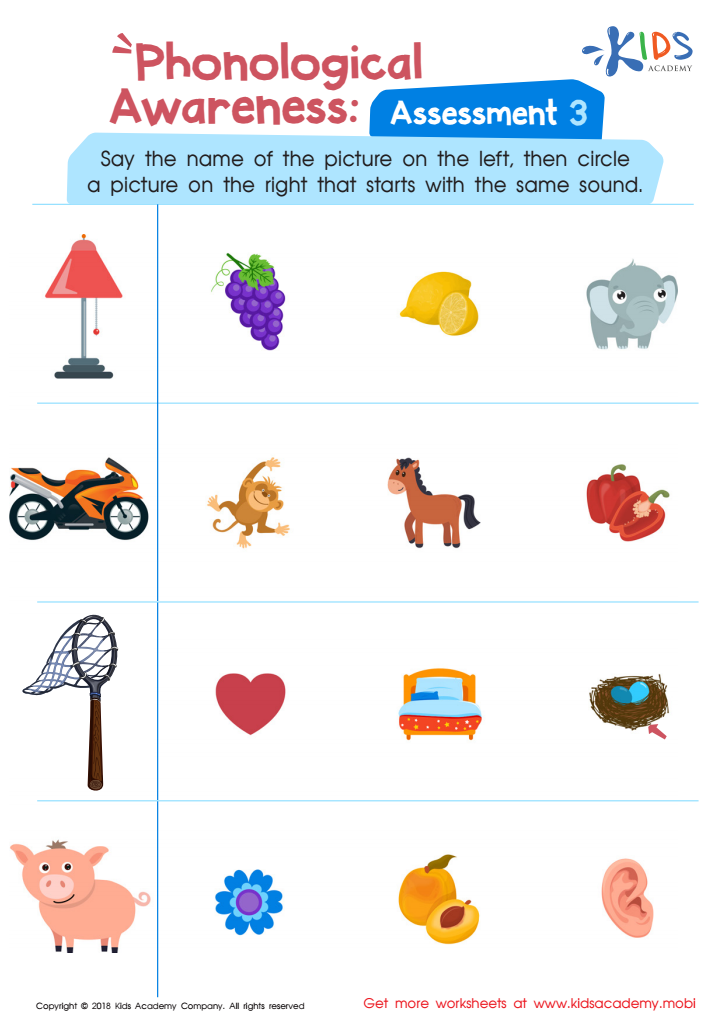
Phonological Awareness: Assessment 3 Worksheet
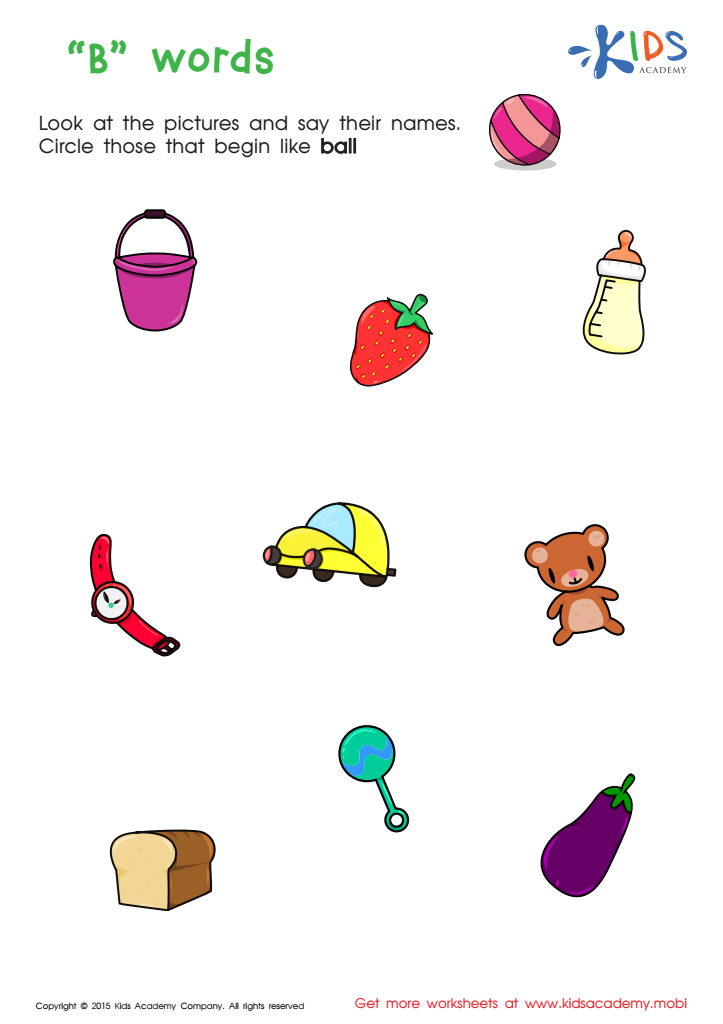
First Words Worksheet
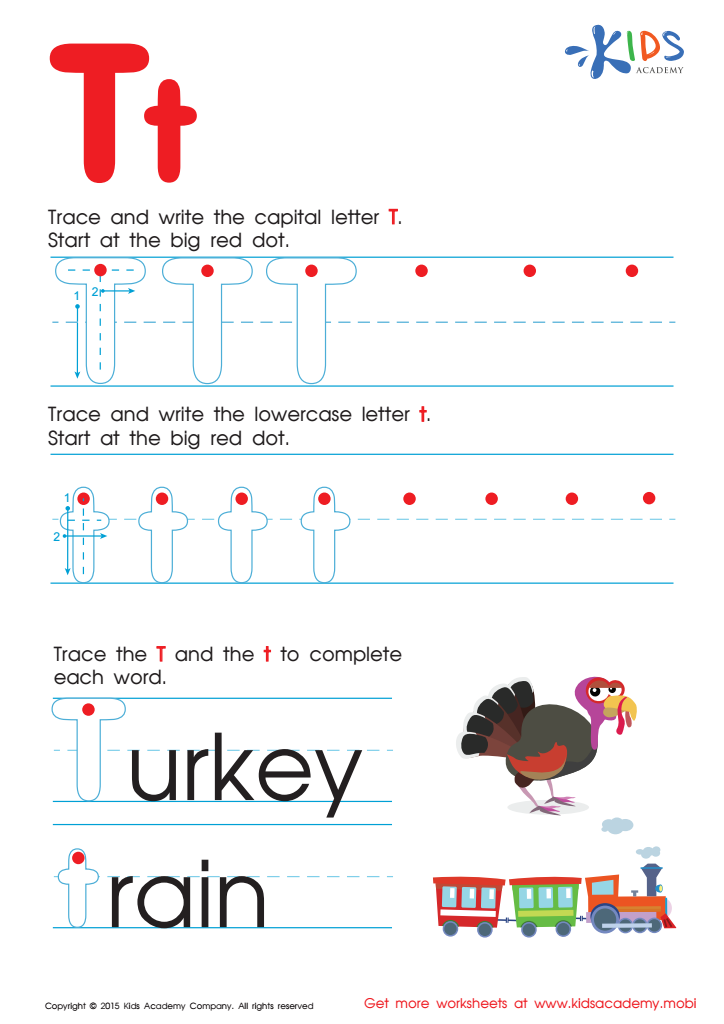
Letter T Tracing Page
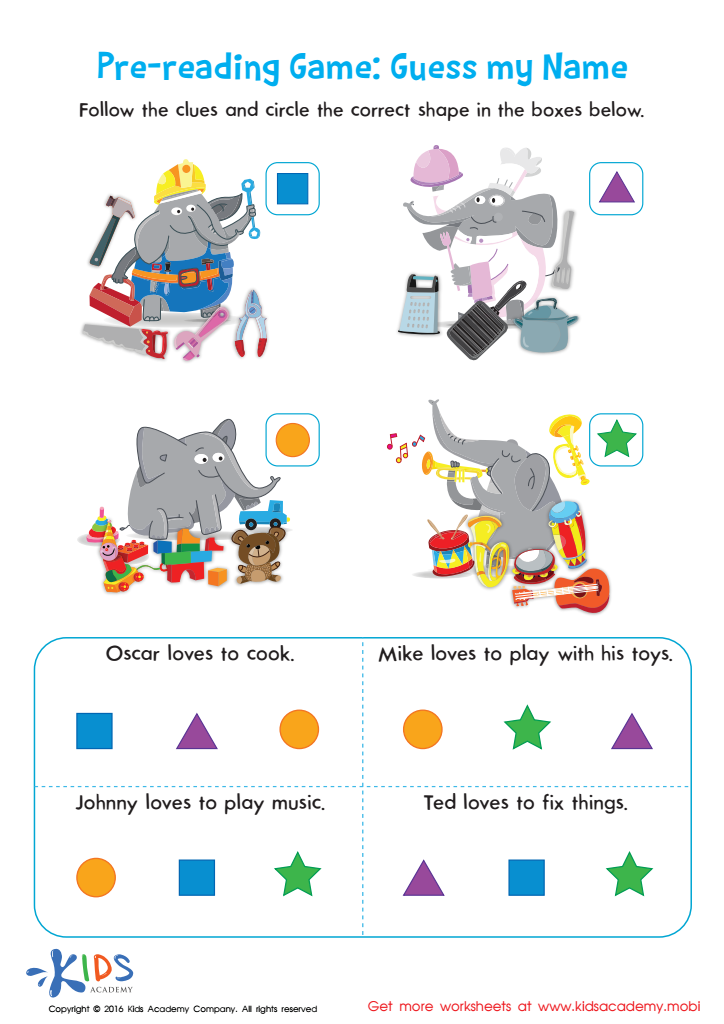
Pre Reading Worksheet Guess My Name








Letter recognition is a fundamental skill essential for young learners aged 5-8, serving as the building block for reading and writing proficiency. Parents and teachers should prioritize this extra challenge for several reasons.
Firstly, mastering letter recognition significantly boosts children's confidence and motivation in learning. When children can easily identify letters, they feel empowered to engage with books, leading to a love for reading. In a world rich in information, early literacy skills provide children the tools they need to navigate their environment effectively.
Secondly, letter recognition plays a critical role in cognitive development. Understanding letters assists children in developing phonemic awareness, critical for decoding words. This foundational skill fosters better comprehension, enhancing academic performance across all subjects.
Furthermore, incorporating fun challenges can cater to different learning styles. Creative activities, games, and interactive lessons make assessing letter knowledge engaging and enjoyable, allowing for differentiated instruction that meets individual needs.
Ultimately, ensuring that children are adept at recognizing letters lays the groundwork for lifelong learning. By supporting this essential skill, parents and teachers can facilitate not just literacy development but also a genuine passion for discovery and knowledge that children will carry throughout their education.








