Mental math practice Extra Challenge Worksheets for Ages 5-8
3 filtered results
-
From - To
Boost your child's math skills with our "Mental Math Practice Extra Challenge Worksheets for Ages 5-8". Perfectly designed for young learners, these worksheets enhance problem-solving abilities and numerical fluency. Featuring a variety of challenging exercises, children will tackle addition, subtraction, multiplication, and division through engaging activities. Tailored to make learning fun, our worksheets promote independent thinking and confidence in math. Suitable for both classroom environments and home practice, these tools help solidify essential math foundations. Empower your child with both competence and enthusiasm in math with these expertly crafted worksheets. Visit our page for endless learning opportunities.
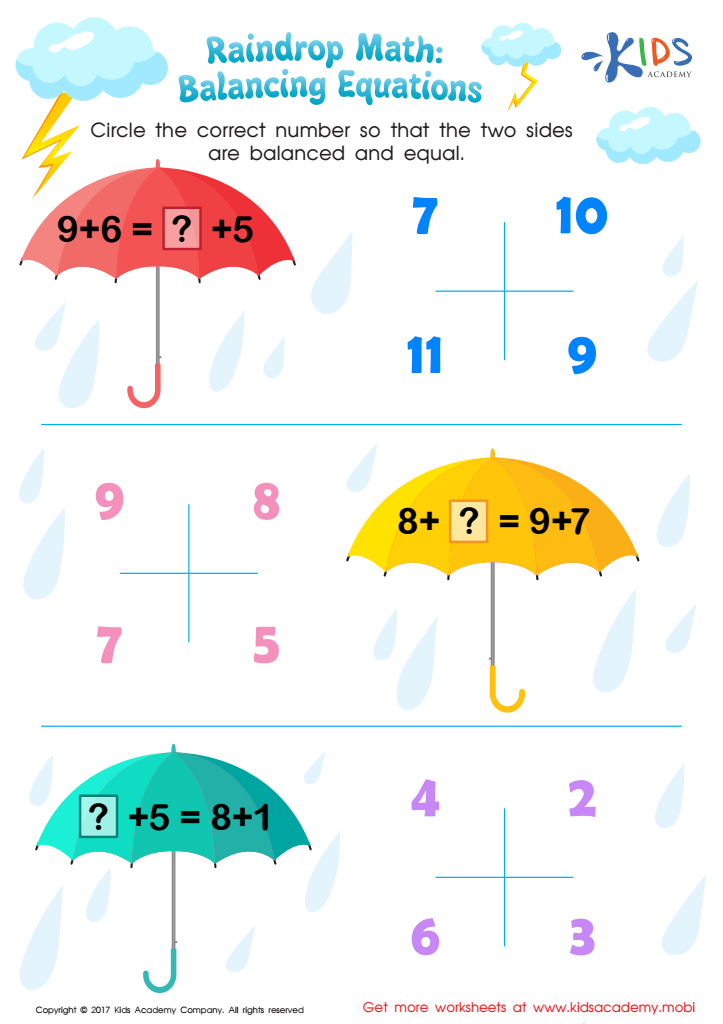
Raindrop Math Printable
 Assign to My Students
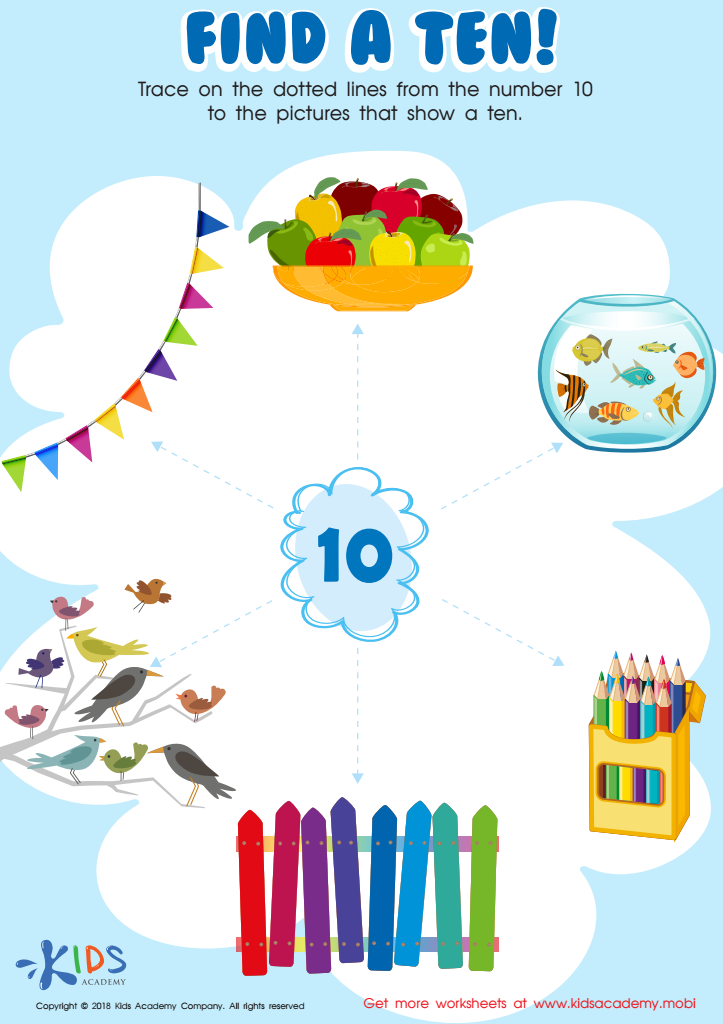
Kindergarten Math Worksheet: Find a Ten
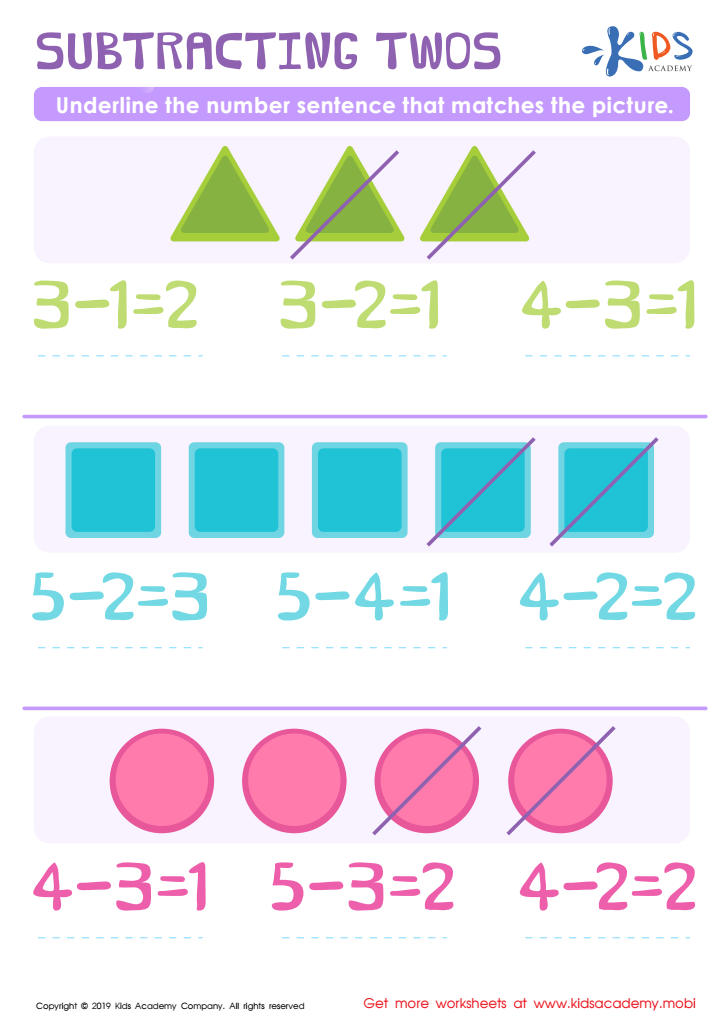
Subtracting Twos Worksheet







Mental math practice offers substantial benefits for children ages 5-8. First, it enhances cognitive abilities, particularly working memory, which is crucial for problem-solving and logical thinking across various life situations. When children regularly engage in mental math, they develop quicker recall of basic arithmetic facts, which serves as a strong foundation for more advanced math concepts.
Parents and teachers should care about mental math practice because it fosters independence and confidence in numerical reasoning. Children who are adept at mental computation can approach complex problems more efficiently because they aren't reliant on tools like calculators or finger counting. This self-reliance extends to other academic areas, promoting an overall aptitude for learning.
Mental math exercises also encourage a growth mindset. When children repeatedly solve challenges successfully, they begin to see difficulties not as insurmountable obstacles but as puzzles to be solved. This positive outlook is invaluable for their lifelong learning journey.
Beyond academics, good mental arithmetic prepares children for everyday situations involving money, time management, and planning, contributing to their personal development. Thus, mental math practice is not just preparation for future math classes but is a cornerstone of developing well-rounded, confident, and capable individuals.
Prioritizing mental math for young children imparts critical skills that benefit their overall academic journey and equips them with practical life skills.








