Critical thinking development Extra Challenge Worksheets for Ages 5-9
6 filtered results
-
From - To
Boost your child's problem-solving skills with our "Critical Thinking Development Extra Challenge Worksheets for Ages 5-9"! Designed to enhance early learning, these engaging worksheets focus on developing critical thinking abilities in young children. Activities include puzzles, pattern recognition, logical reasoning, and more to stimulate their minds and make learning fun. Each worksheet is tailored to provide the right balance of challenge and excitement, ensuring that children between ages 5 and 9 remain motivated and curious. Elevate their learning experience and nurture their critical thinking skills with our expertly crafted worksheets. Perfect for home or classroom use!
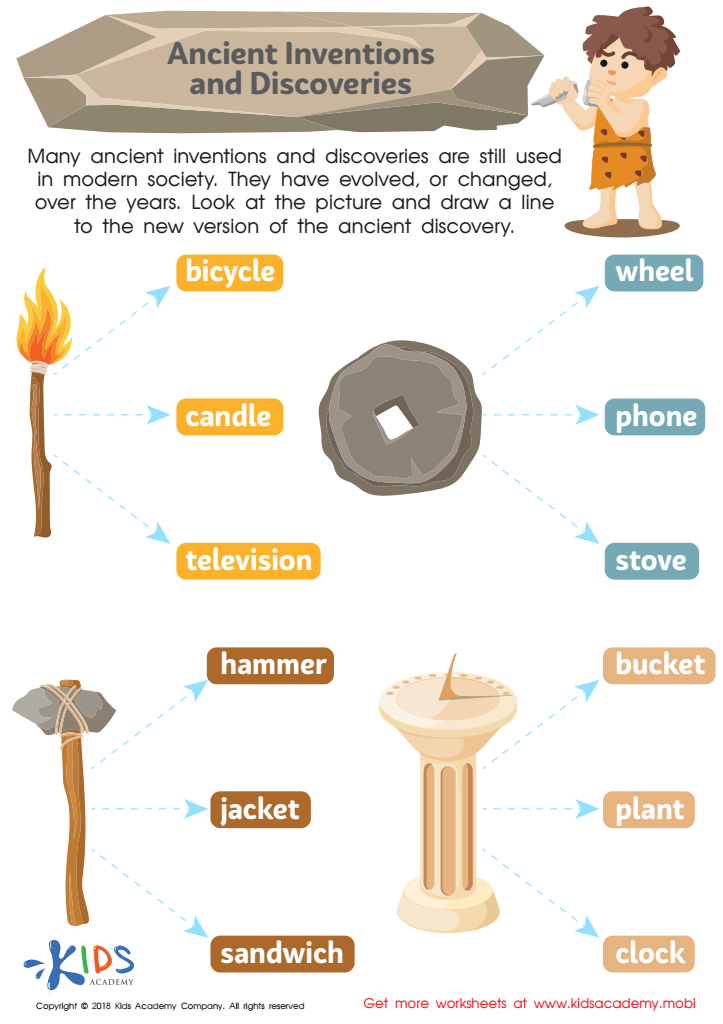
Ancient Inventions and Discoveries Worksheet
 Assign to My Students
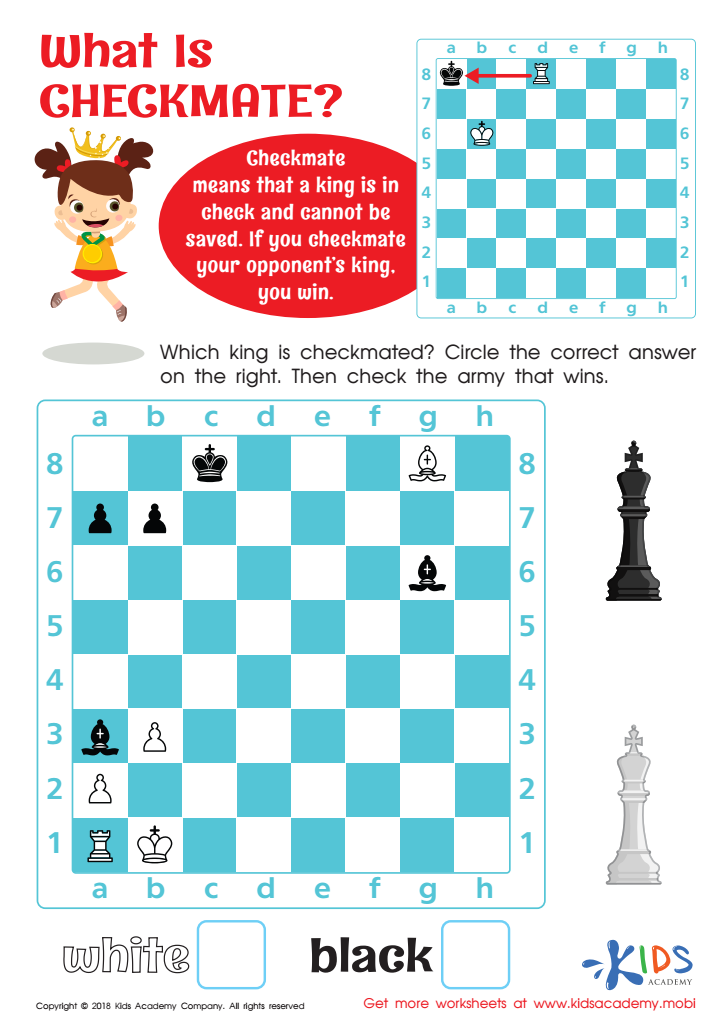
What is Checkmate? Worksheet

Fact or Make Believe Worksheet
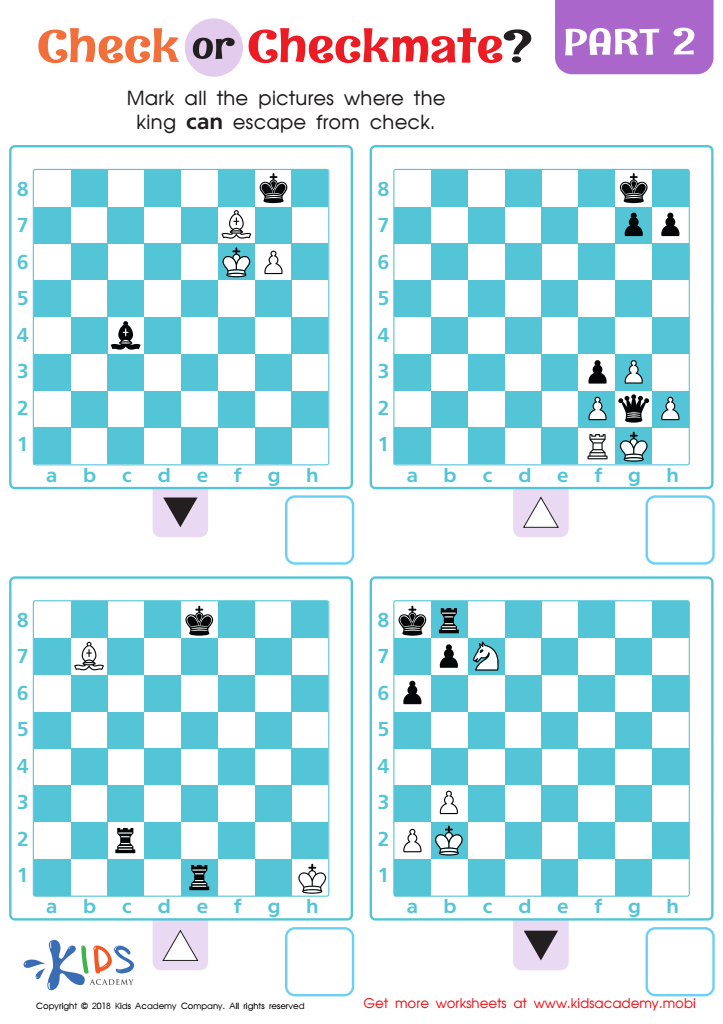
Check or Checkmate: Part 2 Worksheet
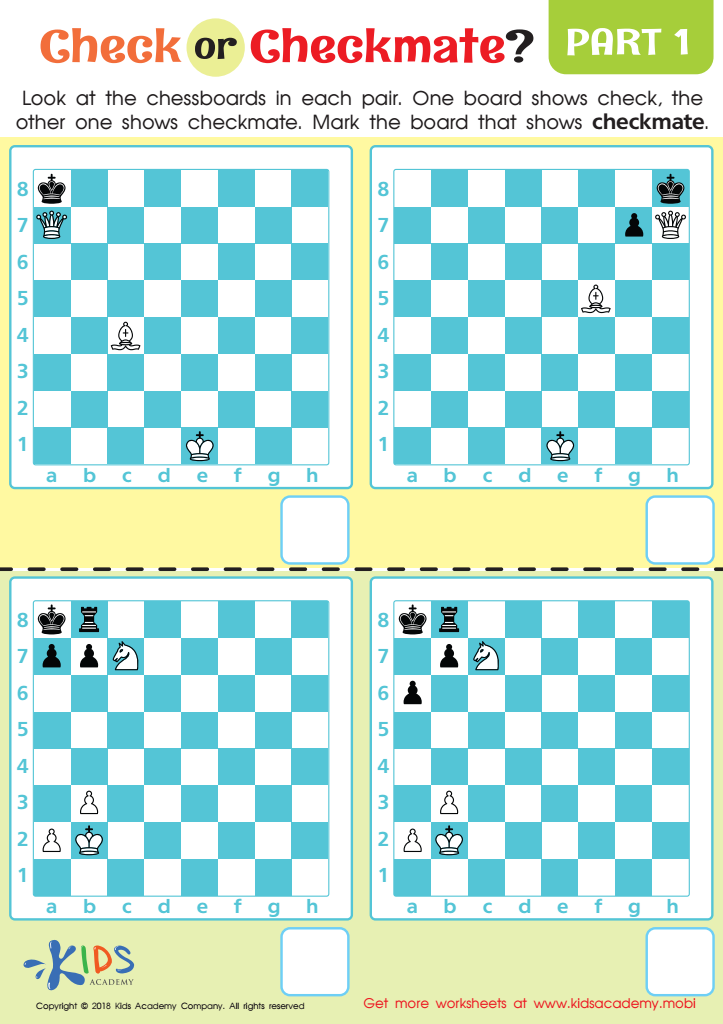
Check or Checkmate: Part 1 Worksheet
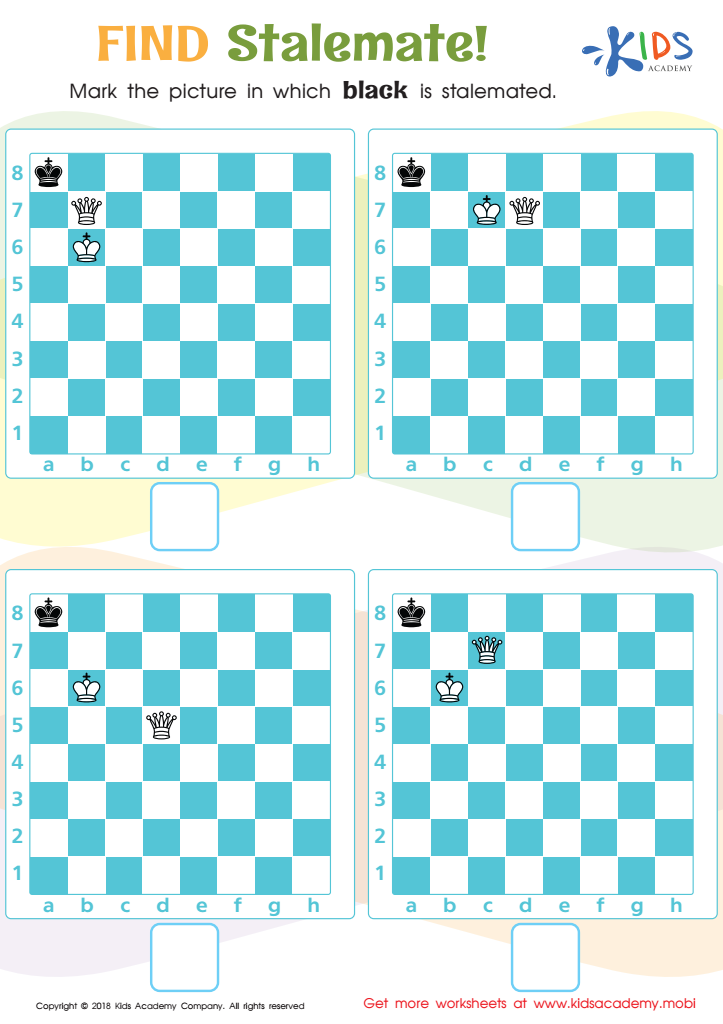
Find Stalemate! Worksheet







Fostering critical thinking skills in children aged 5-9 is essential for their overall cognitive and social development. During early childhood, the brain's plasticity is at its peak, making it an ideal time to introduce thinking exercises that sharpen reasoning and problem-solving abilities. Parents and teachers who prioritize these skills equip children with the tools they need to navigate complex situations in both academic and daily life.
Critical thinking encourages curiosity, enabling children to ask questions, seek out answers, and accept new ideas. This intellectual engagement can make learning more enjoyable and meaningful, setting a strong foundation for lifelong education. Furthermore, children who develop critical thinking skills tend to become confident decision-makers, capable of analyzing situations from multiple perspectives and foreseeing potential outcomes.
Socially, these abilities help children interact more effectively with peers. They learn to understand different viewpoints and build empathetic relationships, which are crucial for teamwork and cooperation.
Neglecting critical thinking in early education can lead to rote learning, where students focus more on memorization than understanding. By sparking curiosity and enhancing cognitive flexibility early on, parents and teachers can nurture problem-solvers who are well-prepared for future academic challenges and societal contributions. In essenece, investing in critical thinking can powerfully shape a child's intellectual and social trajectory.








