Fine Motor Skills Extra Challenge Worksheets for Ages 5-9 - Page 2
47 filtered results
-
From - To

Lets Get Ready For School Time Printable
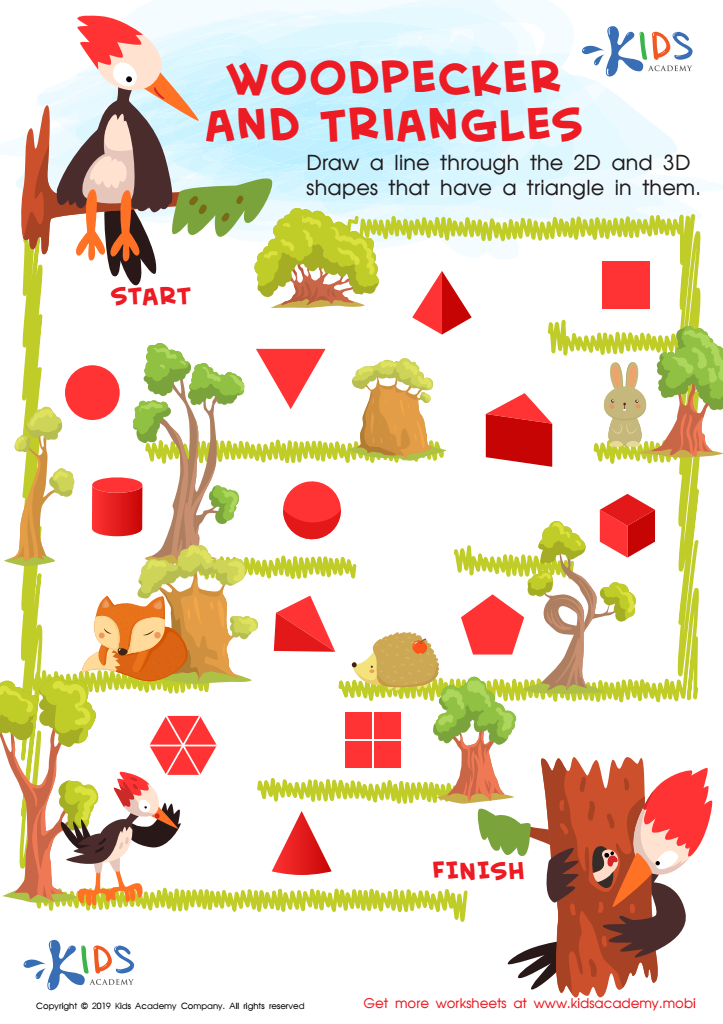
Woodpecker and Triangles Worksheet
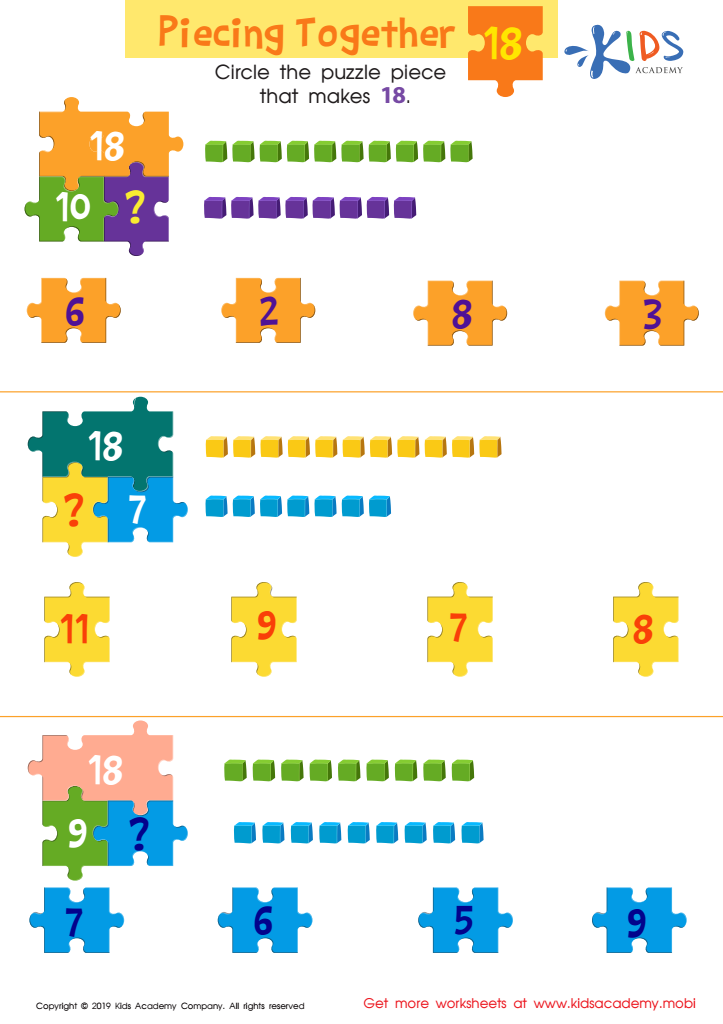
Piecing Together 18 Worksheet

Learn Number For Kindergarten Worksheet
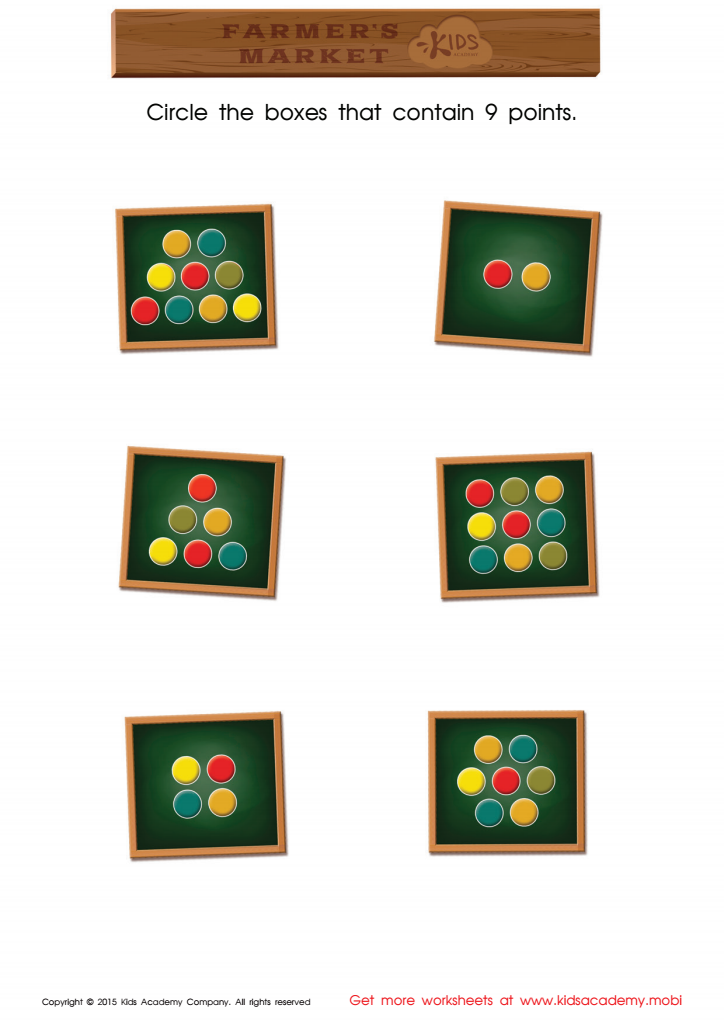
Count and Match Points 9 Math Worksheet
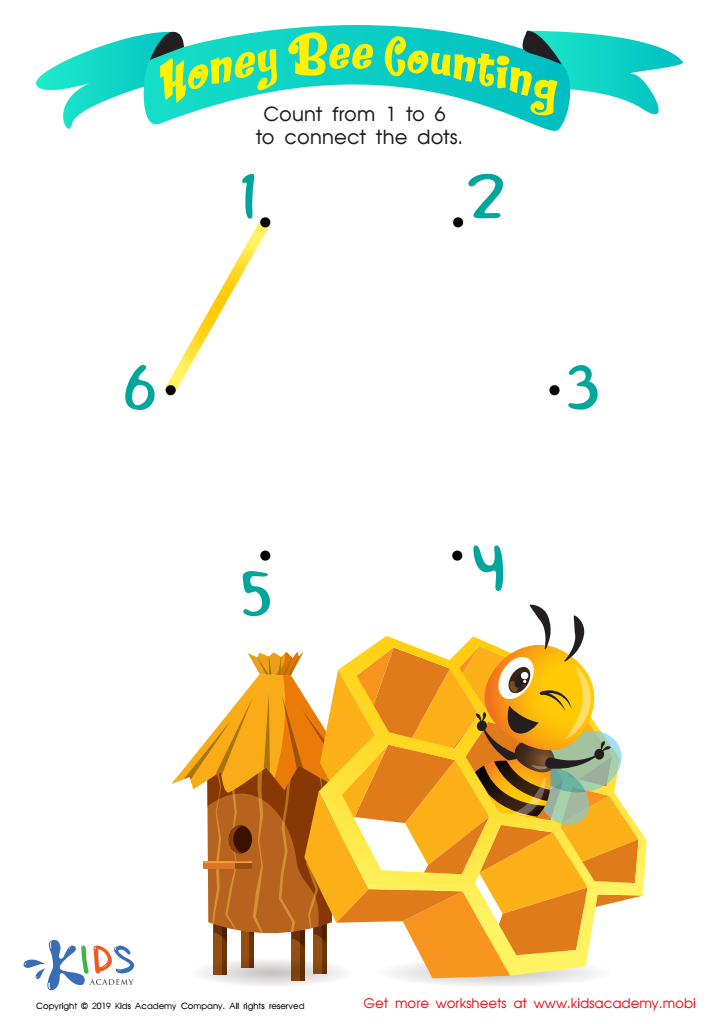
Honey Bee Counting Worksheet

Count Santa's Presents Worksheet
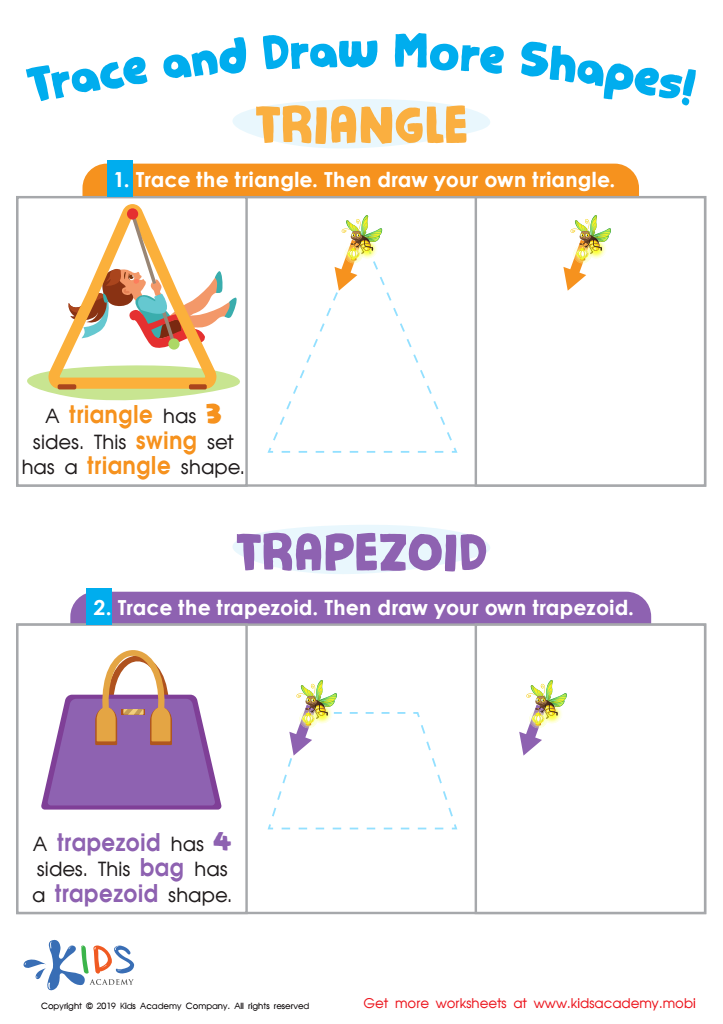
Trace and Draw More Shapes Worksheet
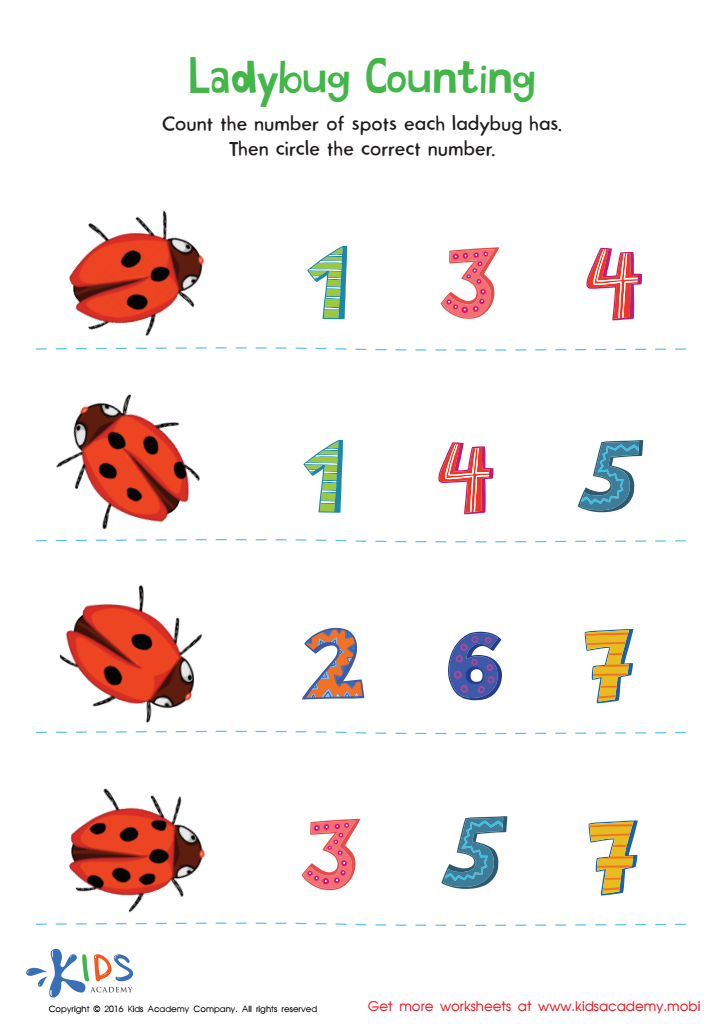
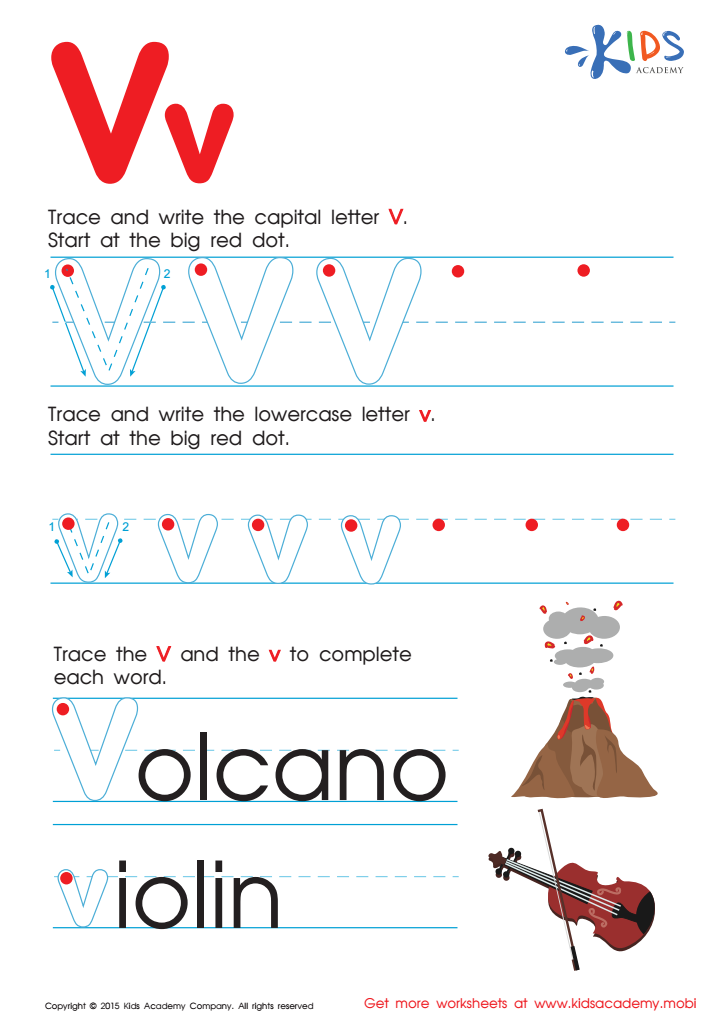
Letter V Tracing Page
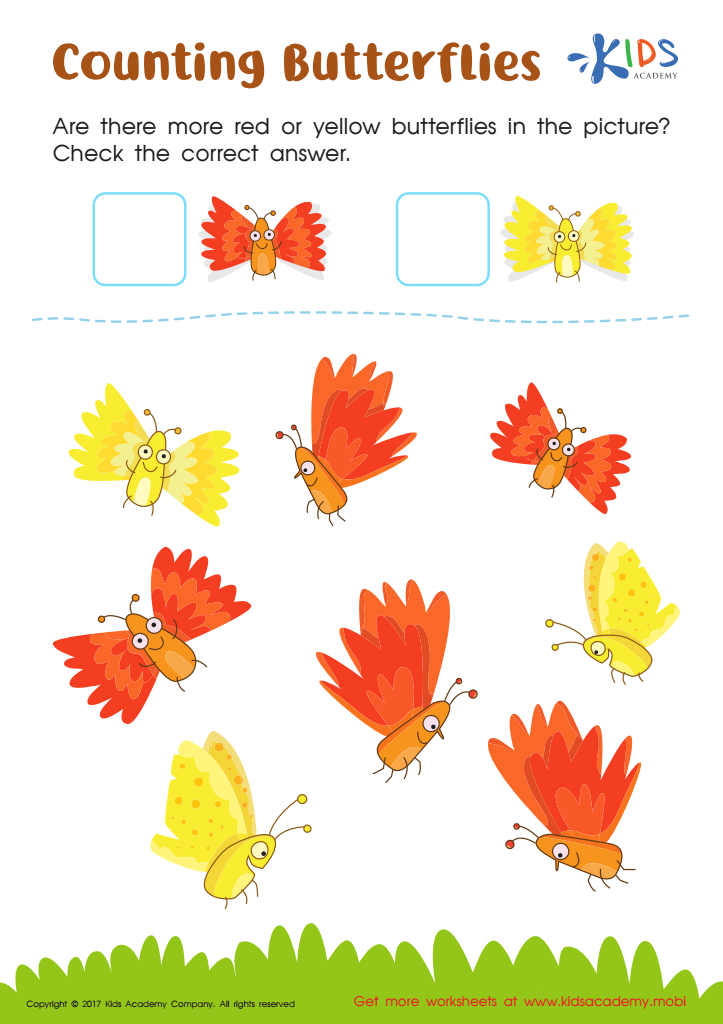
Counting Butterflies Worksheet
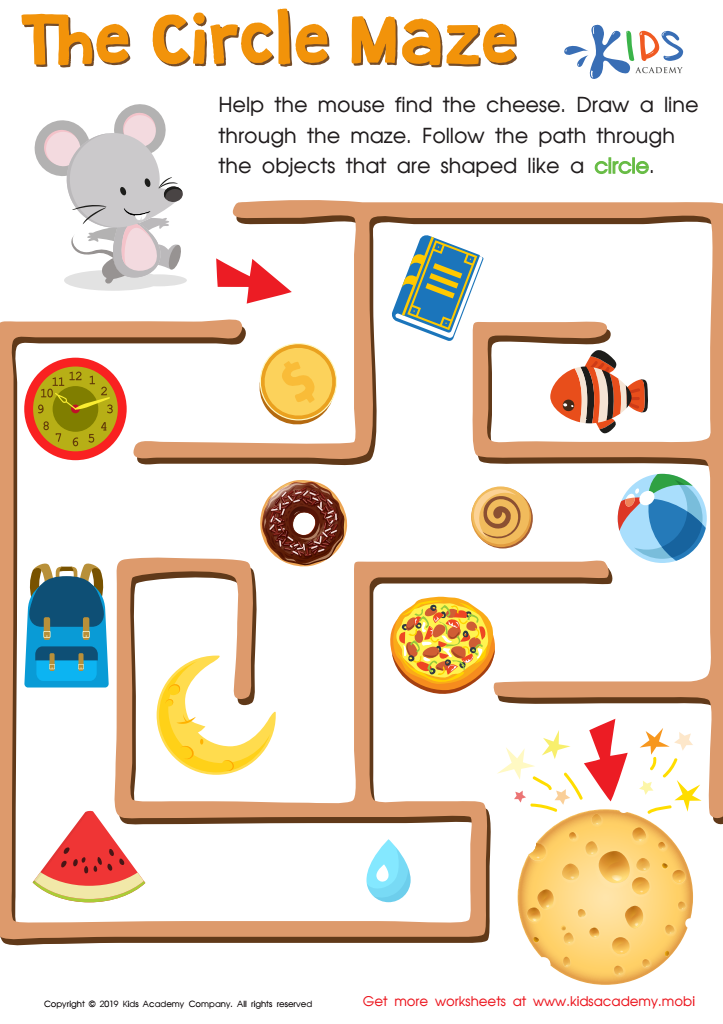
The Circle Maze Worksheet

Santa Claus Tracing Winter Words Worksheet

Pirate Ship Connect Dots Worksheet

Marching 8’s for Rights Worksheet
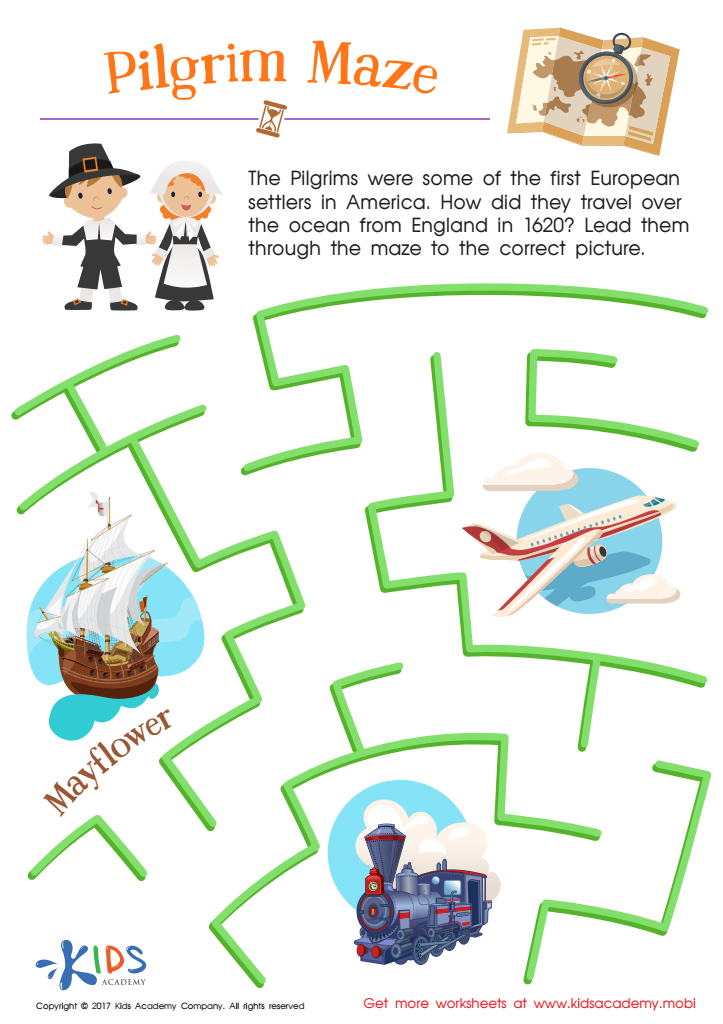
Pilgrim Maze Worksheet
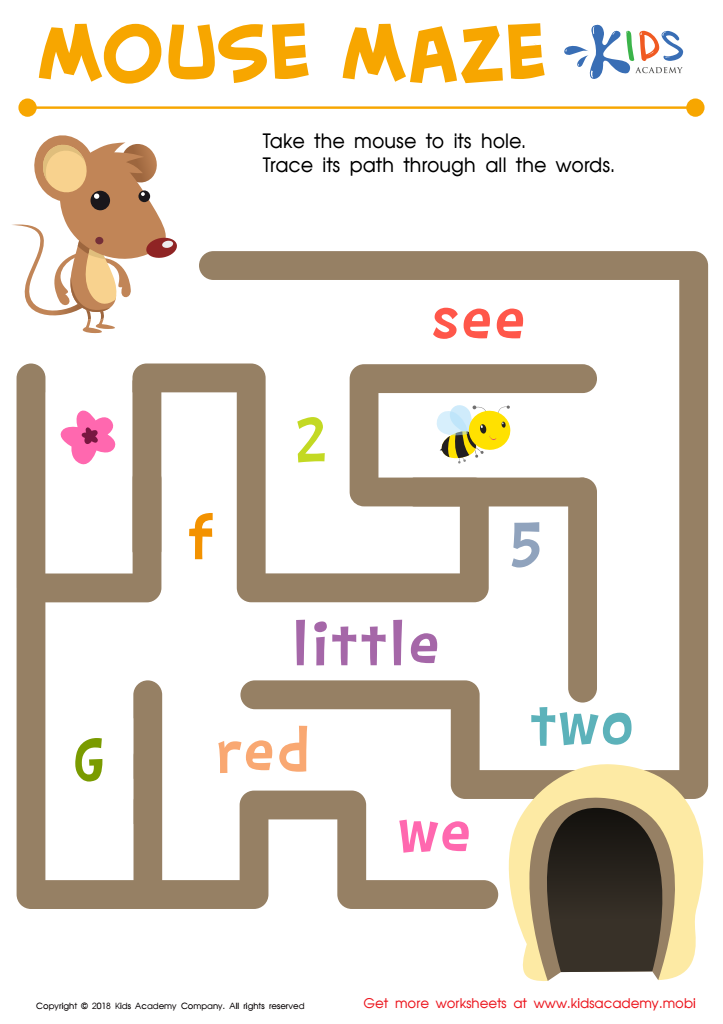
Find Words Mouse Maze Worksheet

Three Little Piggies Printable Coloring Page
 Assign to My Students
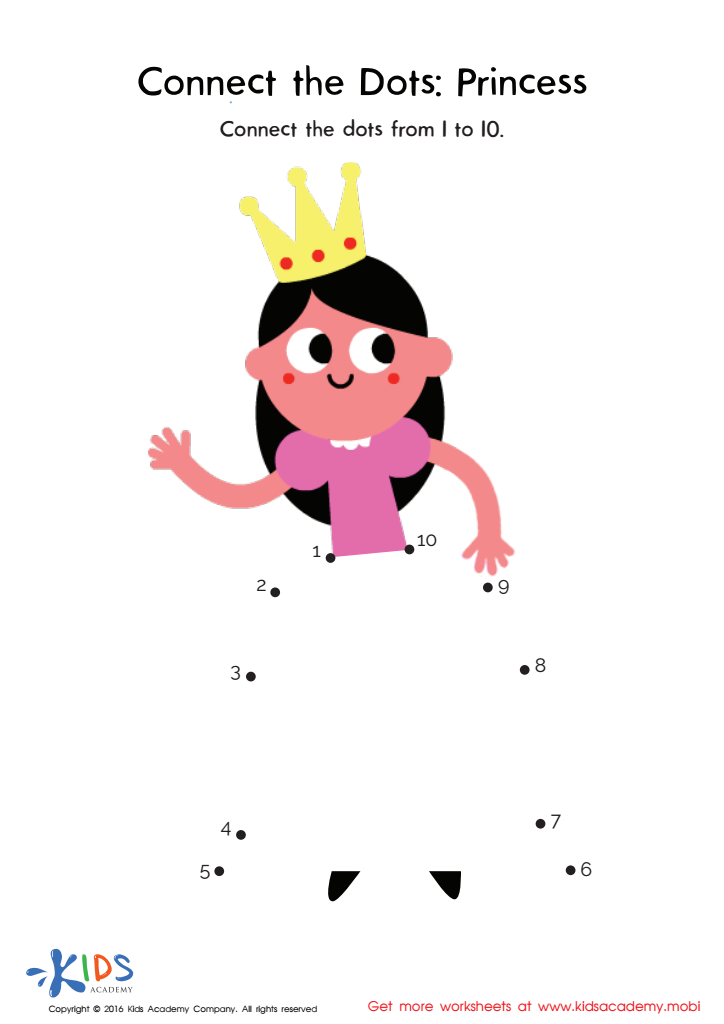
Princess Connect Dots Worksheet
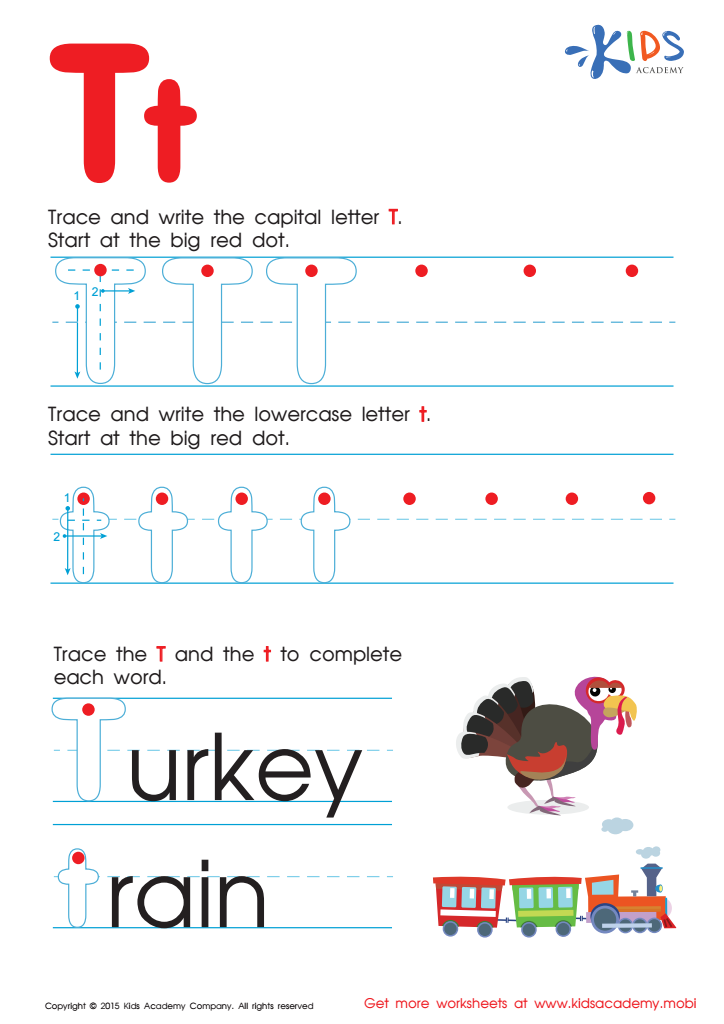
Letter T Tracing Page
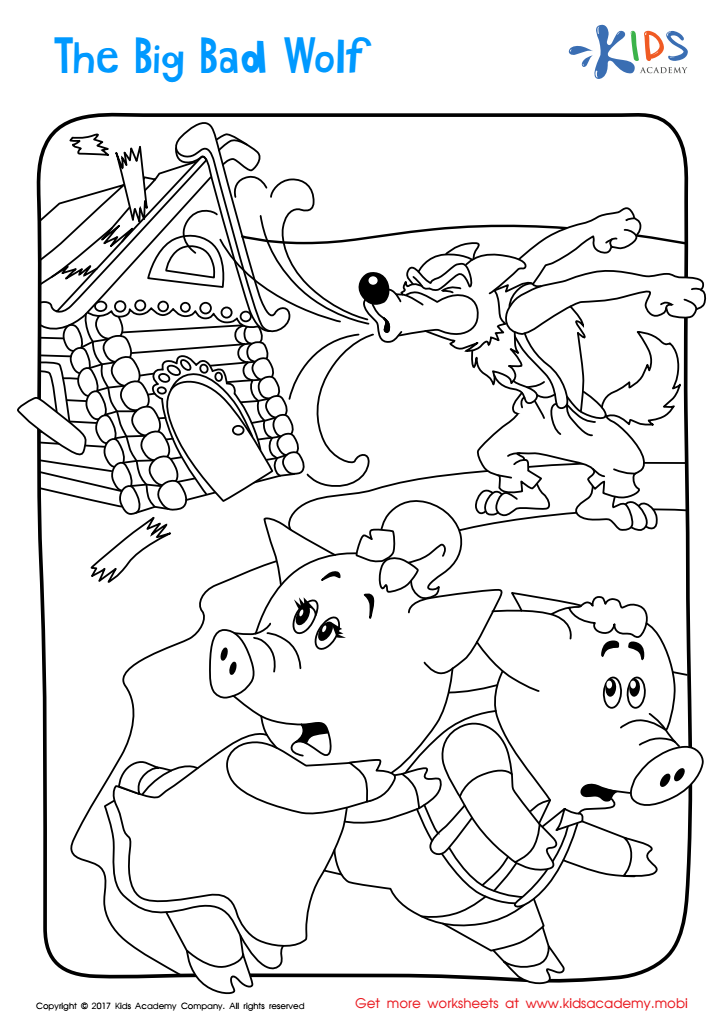
Big Bad Wolf Printable Coloring Page
Assign to My Students
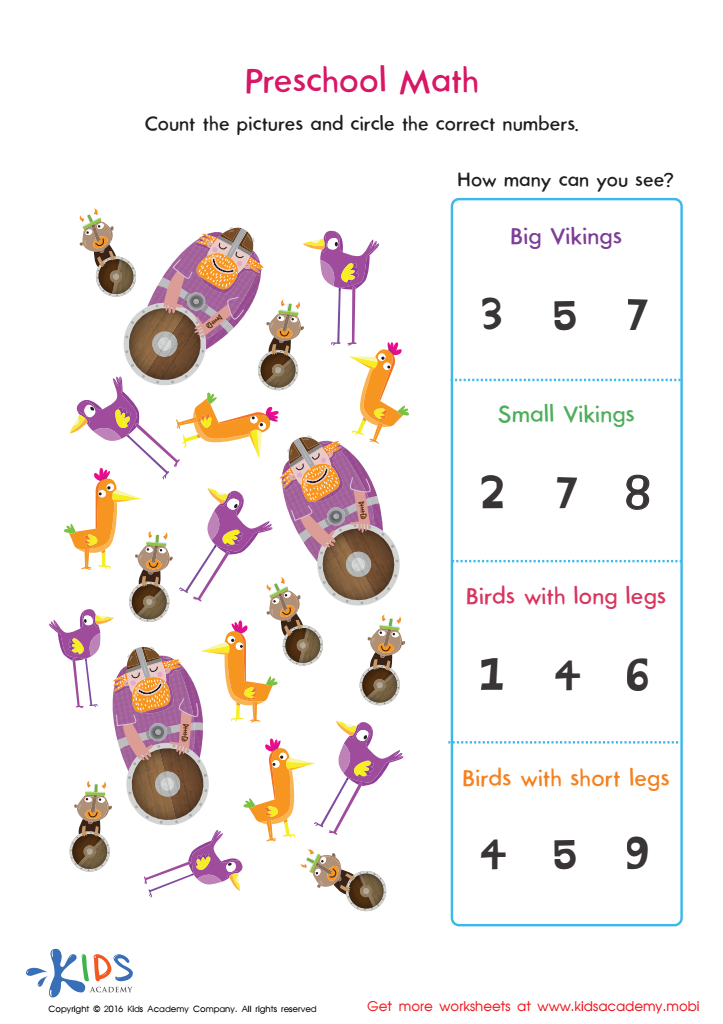

Count and Match: Feed the Animals Worksheet



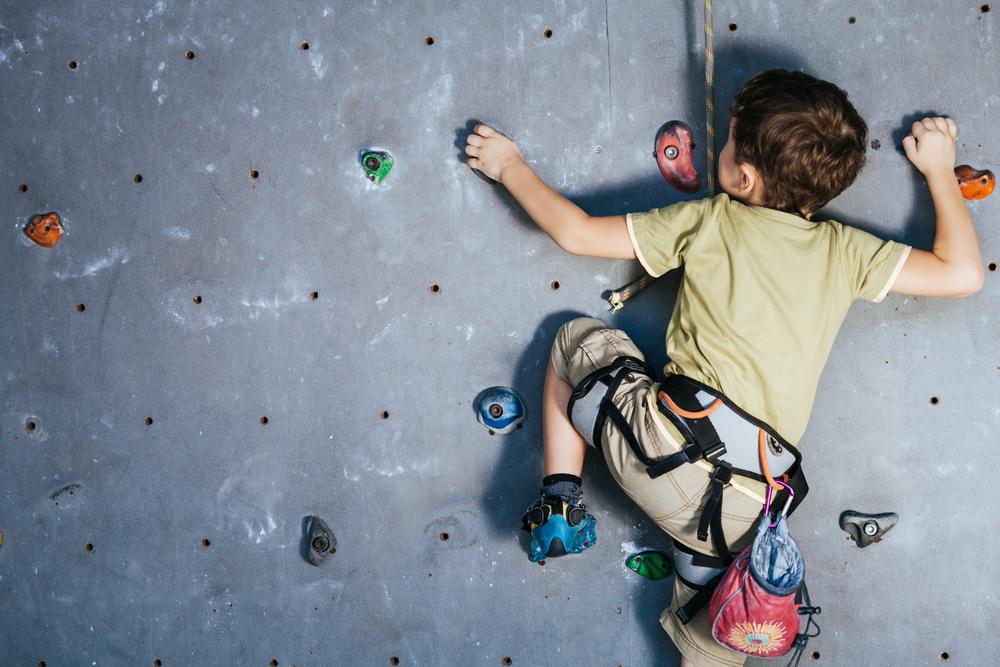




Fine motor skills are crucial for children aged 5 to 9 as they form the foundation for a multitude of everyday tasks and academic activities. Parents and teachers should prioritize fine motor skills development because these abilities directly impact a child's proficiency in self-care, handwriting, art projects, and even classroom participation. Mastery of fine motor tasks allows children to hold scissors, buttons, and utensils with confidence, fostering their independence.
Moreover, fine motor skill development is closely linked to cognitive growth and problem-solving skills. Engaging in activities that enhance these skills encourages concentration, hand-eye coordination, and spatial awareness while promoting creativity. Challenging fine motor activities can also work to build perseverance and resilience, allowing children to tackle complex tasks.
In today’s technology-driven world, children are often less exposed to hands-on activities. Therefore, intentional practice is essential. By providing extra challenges tailored to their age group, parents and teachers can create a stimulating environment that nurtures a child's confidence and overall development. This enhances not only their academic success but also their enjoyment in everyday activities and boosts their social skills. Emphasizing fine motor skills at this formative stage can substantially impact a child's lifelong learning and growth.








