Shape Recognition Extra Challenge Math Worksheets for Ages 5-9
14 filtered results
-
From - To
Introduce your child to the exciting world of shapes with our Shape Recognition Extra Challenge Math Worksheets designed for ages 5-9. These engaging and comprehensive worksheets help children master the essential skill of identifying and differentiating between various geometric shapes while enhancing their critical thinking and problem-solving abilities. Perfect for young learners ready for a challenge, the worksheets offer a range of fun, hands-on activities that integrate math and creativity. Ideal for classroom and at-home learning, these resources ensure that shape recognition becomes a joyful and impactful educational experience. Download today to start the shape-filled adventure!
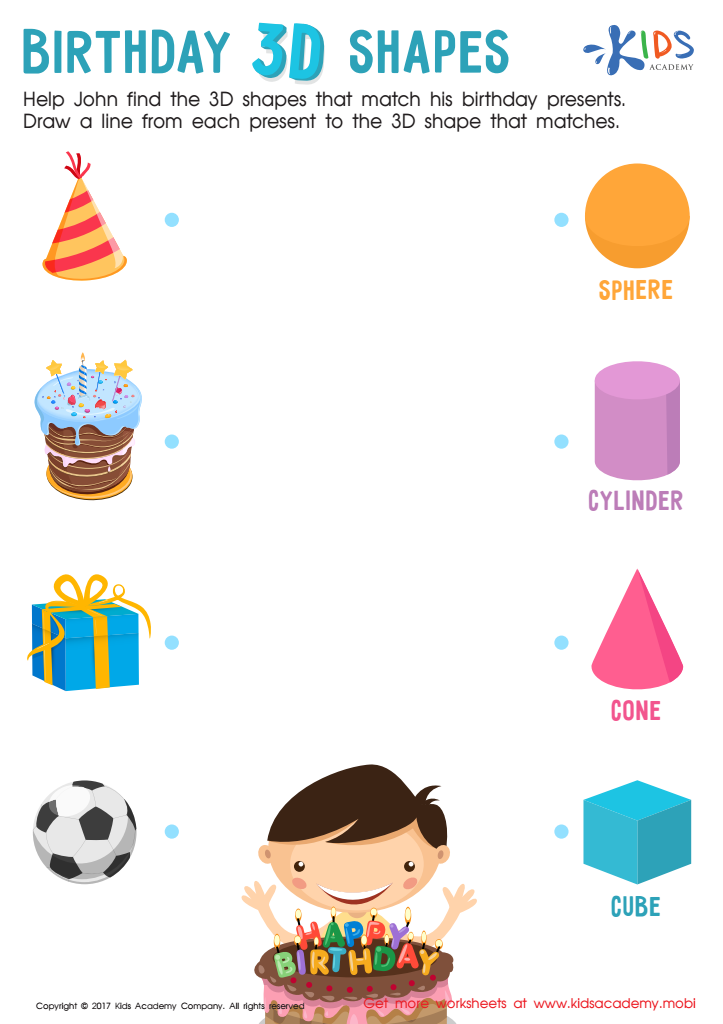
Birthday 3D Shapes Worksheet
 Assign to My Students
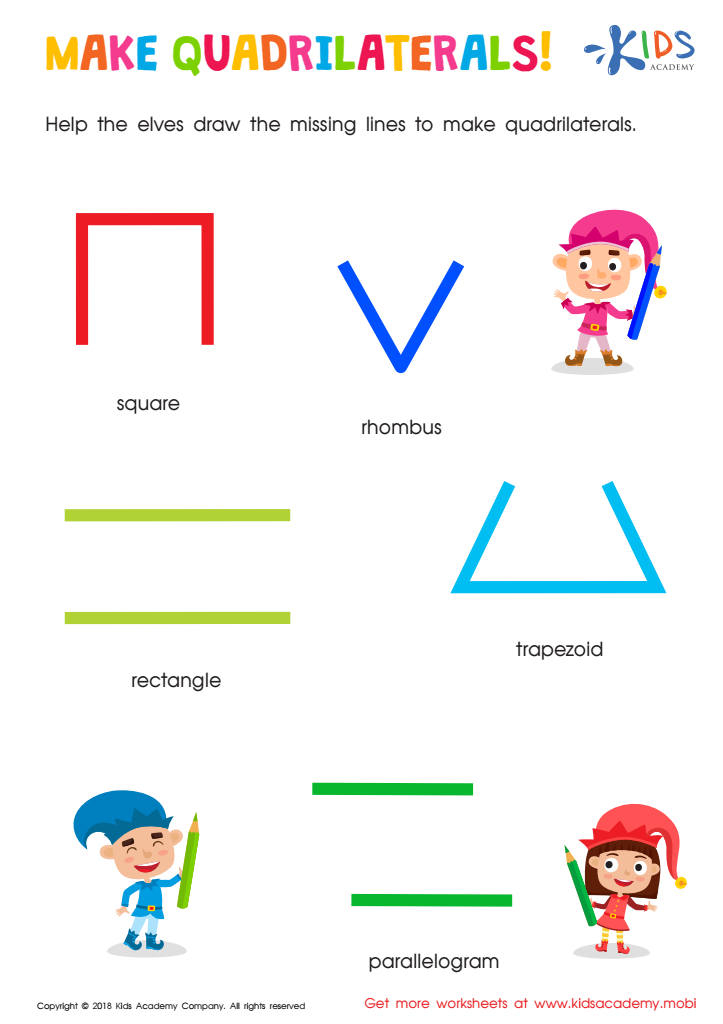
Make Quadrilaterals Worksheet
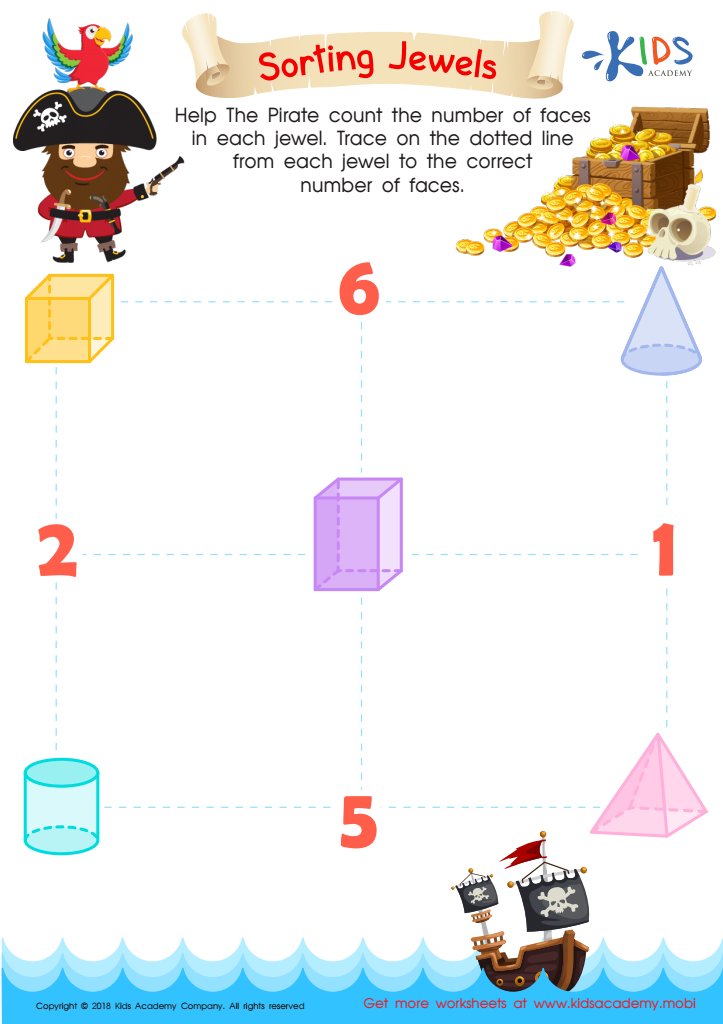
Sorting Jewels Worksheet
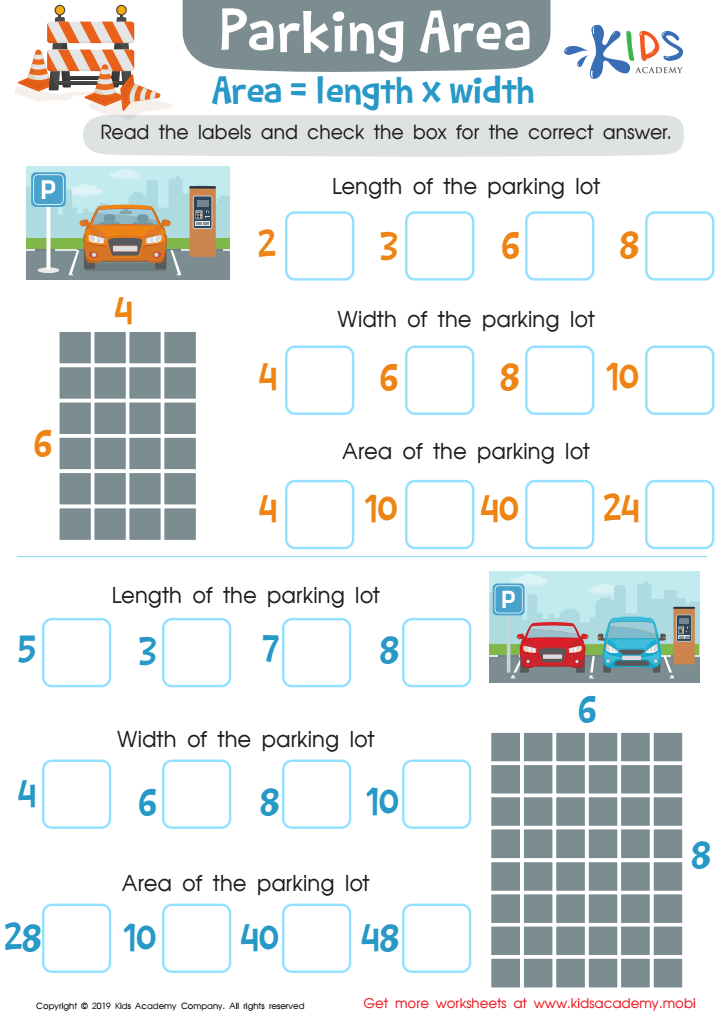
Parking Area Worksheet
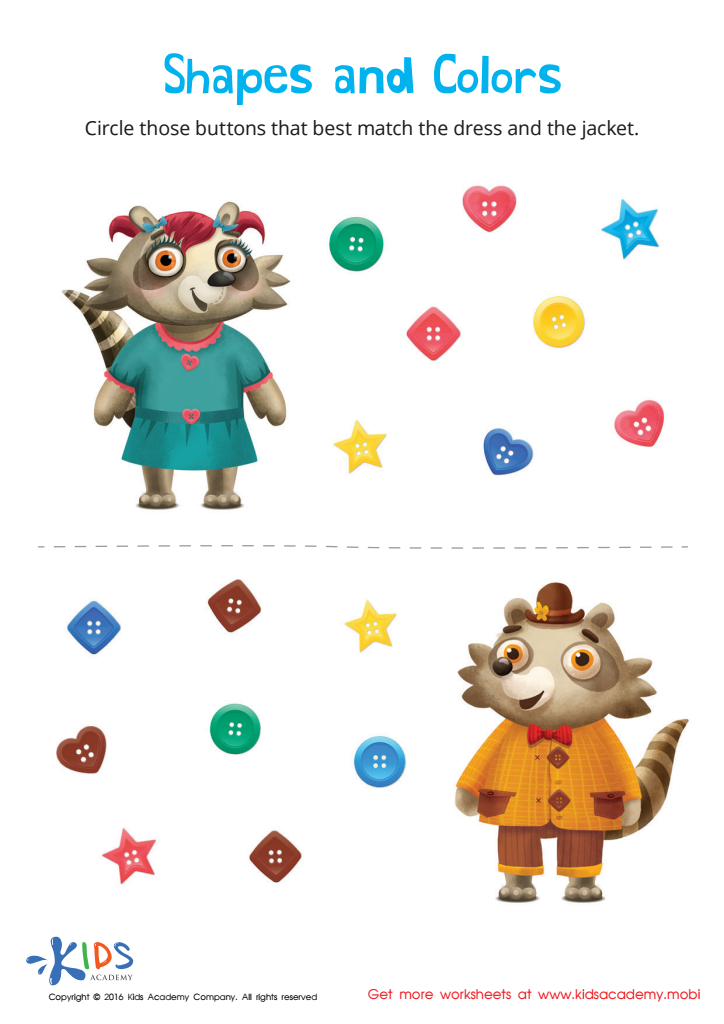
Matching: Shapes and Colors Worksheet
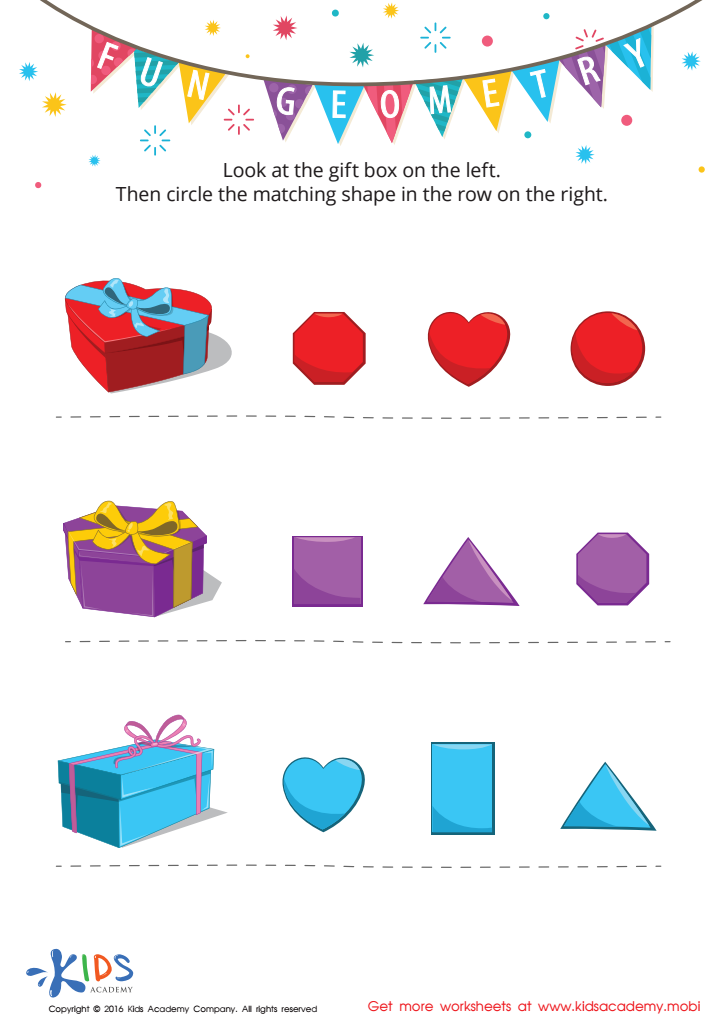
Fun Geometry Worksheet
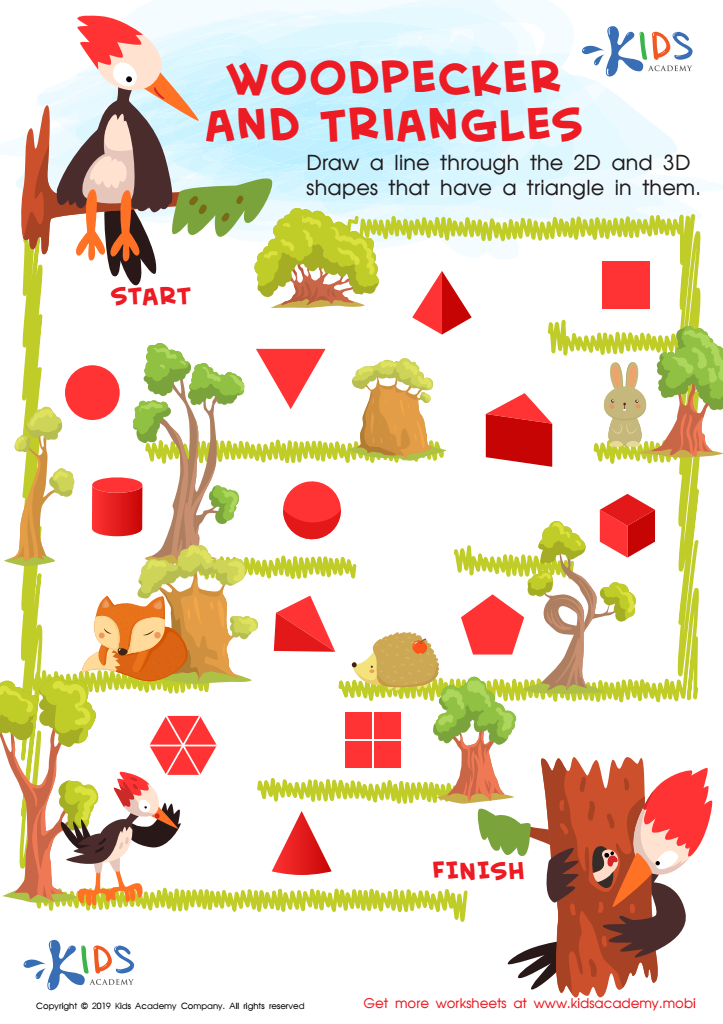
Woodpecker and Triangles Worksheet
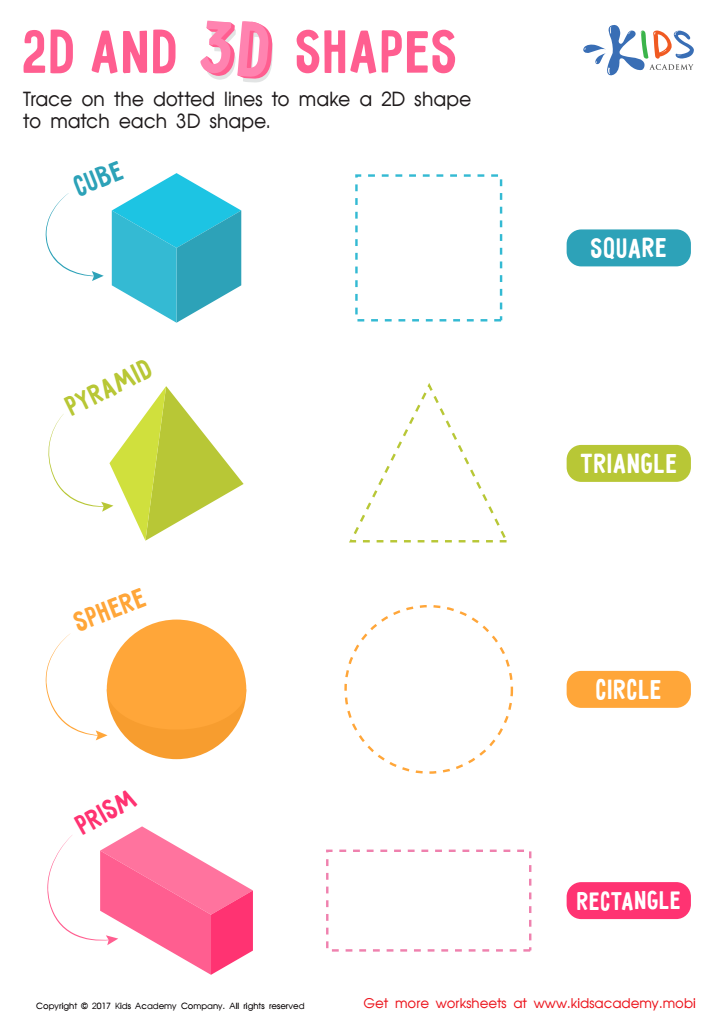
2D and 3D Shapes Worksheet
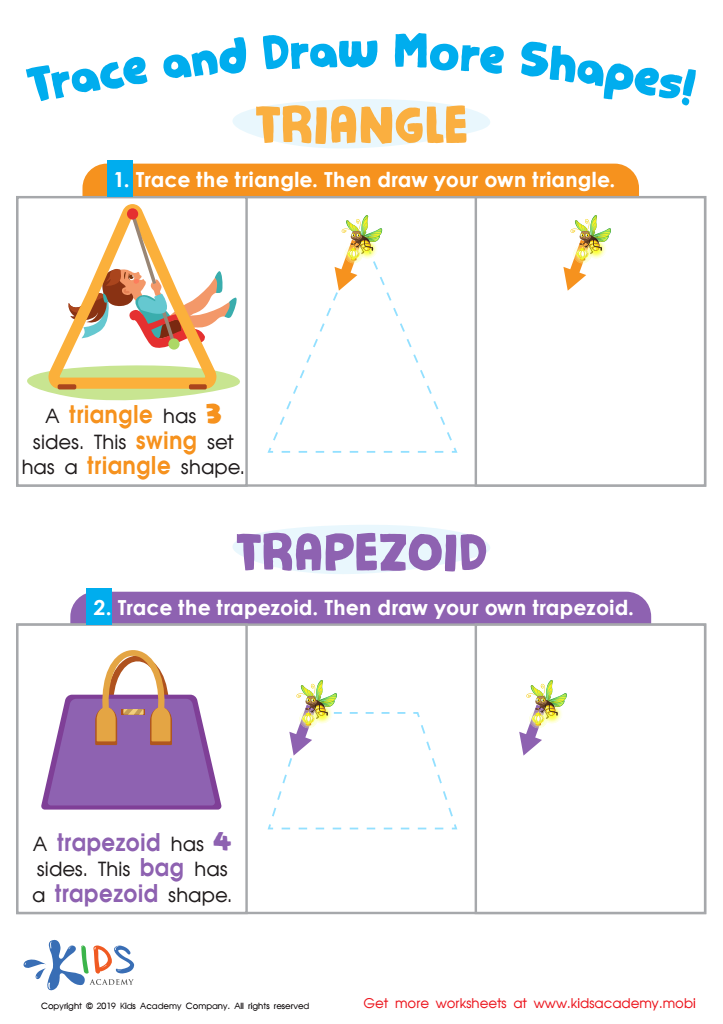
Trace and Draw More Shapes Worksheet
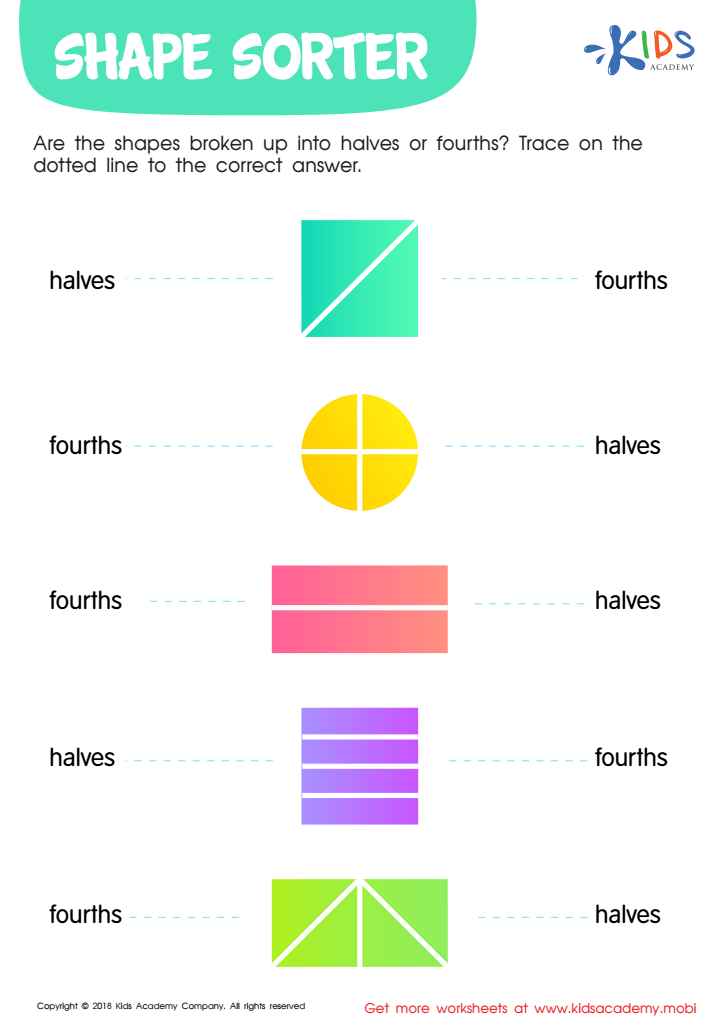
Shape Sorter Worksheet
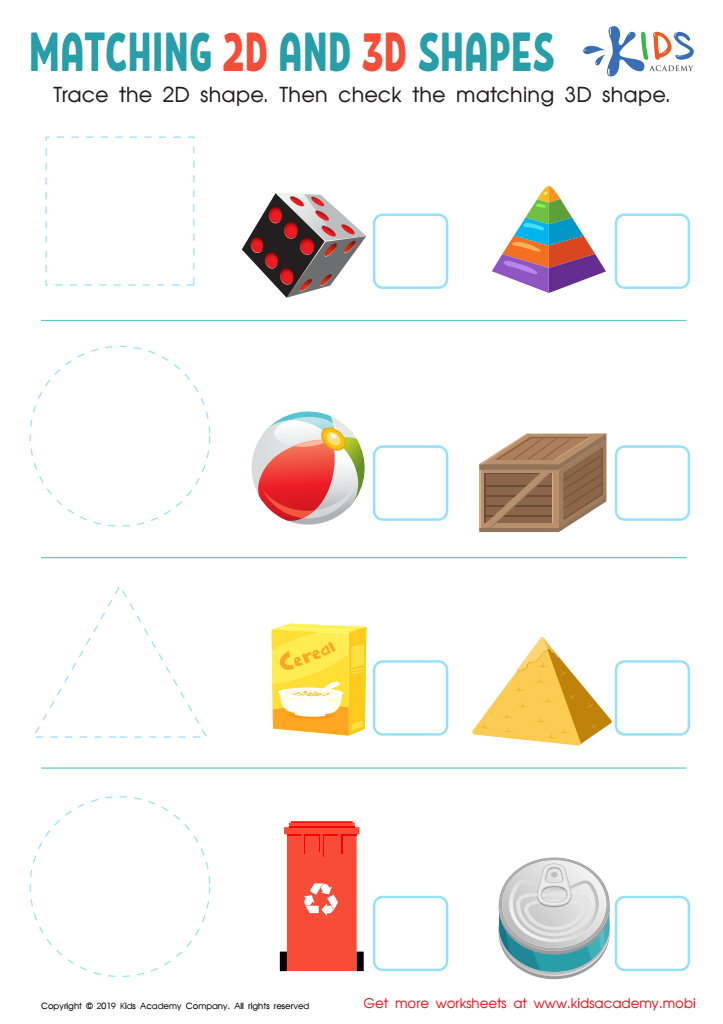
Matching 2D and 3D Shapes Worksheet
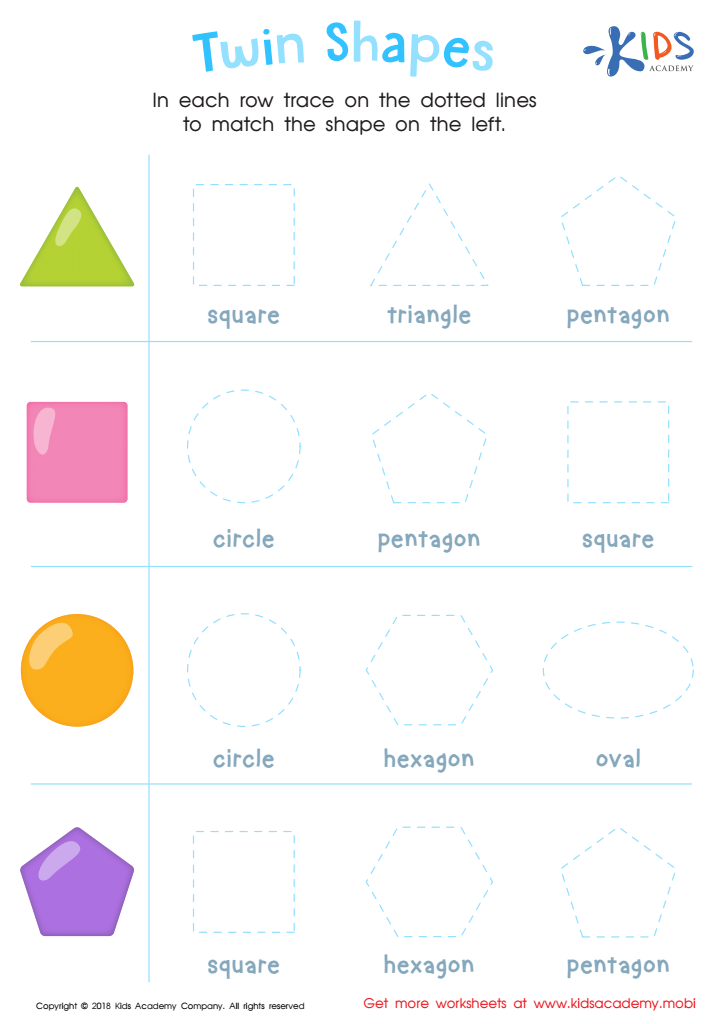
Twin Shapes Dot-to-Dot Worksheet
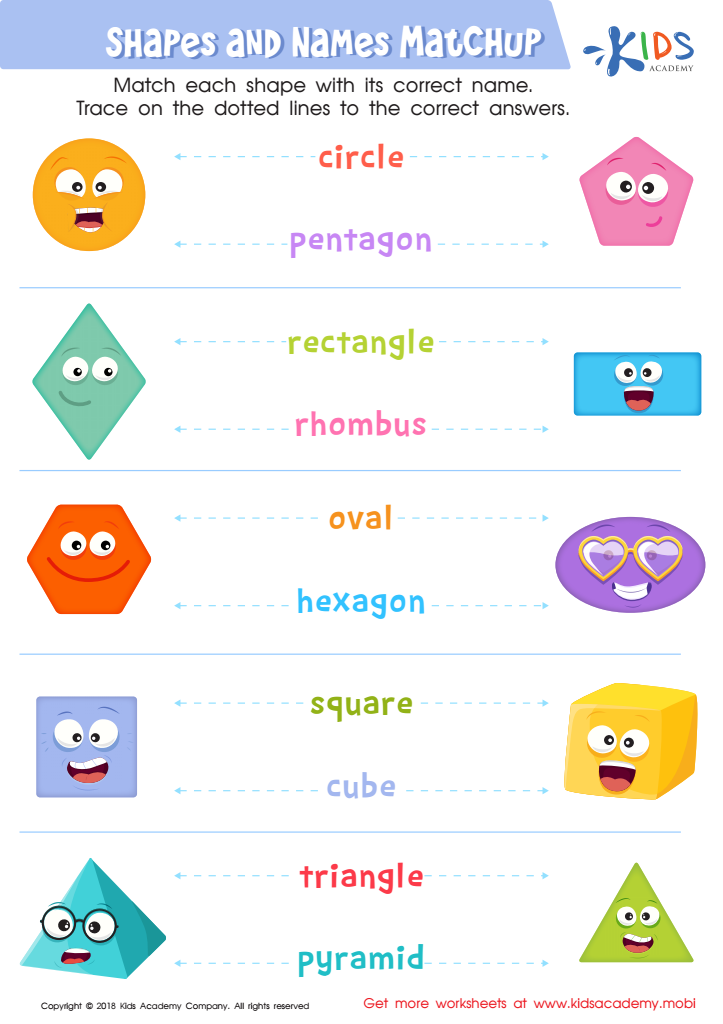
Shapes and Names Matchup Worksheet
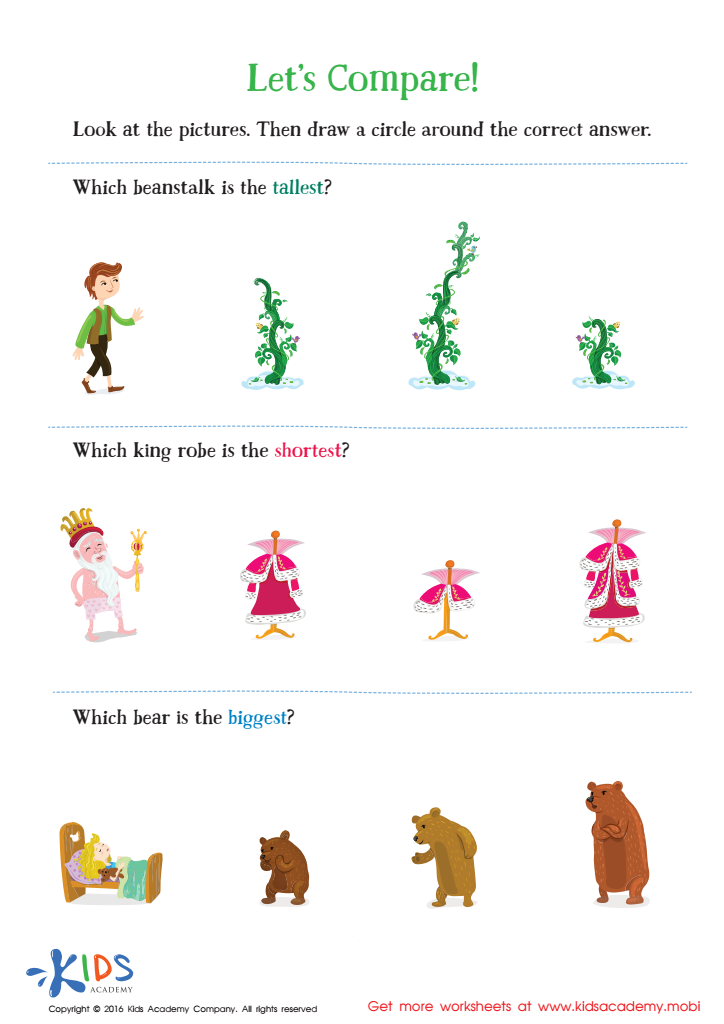
Fairy Tale Worksheet: Let's Compare


.jpg)





Shape Recognition Extra Challenge Math for children aged 5-9 plays a fundamental role in their cognitive and academic development. At this formative stage, children are typically developing crucial foundational skills that will support their education in later years. Shape recognition goes beyond knowing basic geometric forms; it enhances their spatial awareness, critical thinking, and problem-solving abilities.
For parents and teachers, fostering shape recognition skills helps children in identifying and categorizing objects based on their geometrical properties, which is not only essential for math but also for other subjects like science and art. When participating in extra challenges related to shape recognition, children are encouraged to observe closely, make connections, and apply logic, thus strengthening their analytical skills.
Furthermore, these activities often require fine motor skills through drawing, cutting, or puzzle-solving, contributing to physical development by improving hand-eye coordination. By promoting shape recognition exercises, educators and parents are supporting whole-brain development, as these tasks activate both the visual-spatial and analytical areas of the brain.
Ultimately, engaging young learners with Shape Recognition Extra Challenges ensures that they develop a strong mathematical foundation and become confident, independent learners ready to tackle more complex concepts in the future.








