Basic Counting Extra Challenge Worksheets for 5-Year-Olds
3 filtered results
-
From - To
Discover our engaging Basic Counting Extra Challenge Worksheets designed specifically for 5-year-olds! These worksheets are perfect for young learners ready to enhance their counting skills in a fun and interactive way. Each worksheet features cute illustrations and varying difficulty levels to keep children motivated. They’ll practice counting objects, recognizing numbers, and developing essential math skills while tackling fun challenges. Ideal for home or classroom, these worksheets not only reinforce numerical understanding but also promote fine motor skills through tracing and writing activities. Give your child the power of counting with our thoughtfully crafted extra challenge worksheets and watch their confidence soar!
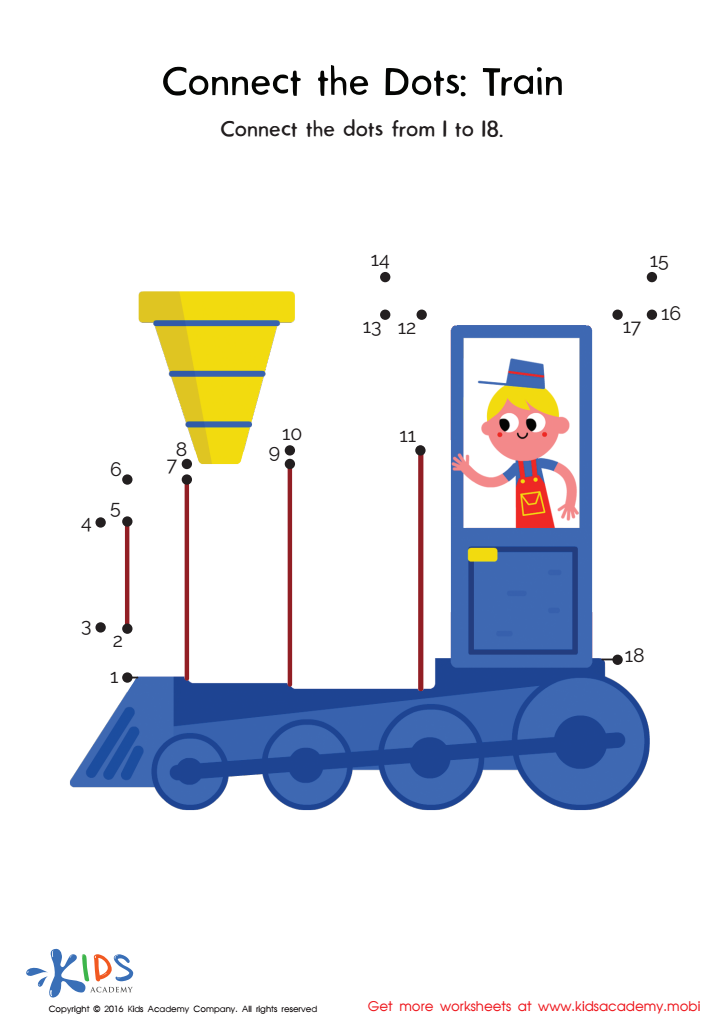
 Assign to My Students
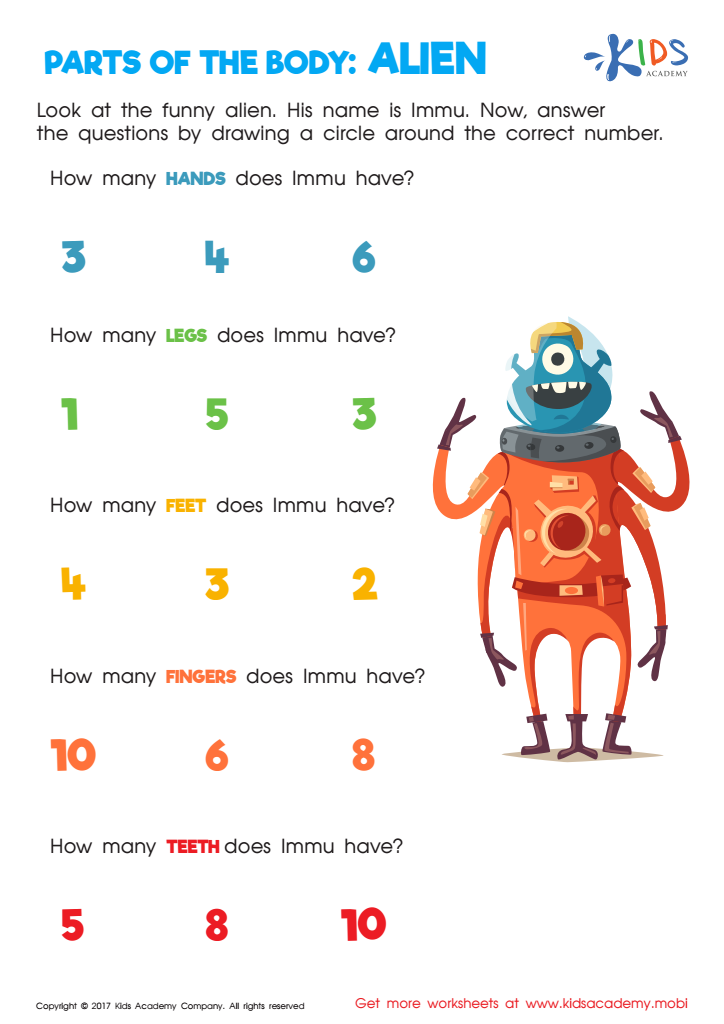
Alien Worksheet
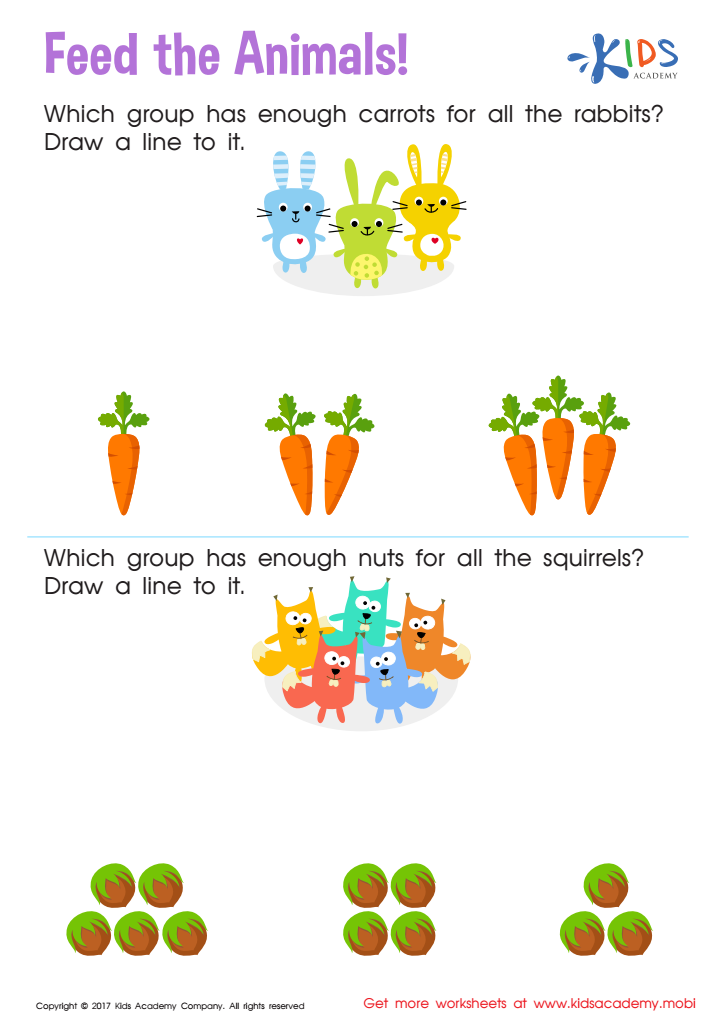
Count and Match: Feed the Animals Worksheet








Basic Counting Extra Challenges for 5-year-olds are crucial for nurturing essential mathematical skills and cognitive development. At this age, children are naturally curious and eager to explore their environment, making it the perfect time to engage them in counting activities that go beyond simple number recognition. These challenges help reinforce numeracy skills by introducing concepts like one-to-one correspondence, number sequencing, and the understanding of quantities.
Engaging children in counting challenges also builds their confidence and fosters problem-solving abilities. These activities can enhance fine motor skills and promote critical thinking, as children learn to group items, compare quantities, and experiment with various counting techniques. Moreover, early proficiency in counting lays a strong foundation for future math skills, making advanced math concepts—like addition and subtraction—more approachable.
Parents and teachers should care about these challenges because they provide a fun, interactive way to support a child's development. By incorporating counting games into their daily routines, they create a positive learning atmosphere that encourages mathematical exploration and a love for learning. Early exposure to counting challenges not only prepares children for academic success but also equips them with essential skills used in everyday life, thereby fostering lifelong mathematical understanding.








