Following instructions Extra Challenge Worksheets for 5-Year-Olds
4 filtered results
-
From - To
Discover our "Following Instructions Extra Challenge Worksheets" designed specifically for 5-year-olds to enhance their comprehension and following skills! These engaging worksheets present interactive and age-appropriate activities that encourage young learners to practice step-by-step instructions in fun and playful ways. Each worksheet promotes cognitive development, critical thinking, and fine motor skills while ensuring that your child stays entertained. With vibrant illustrations and various challenges, kids will not only improve their ability to listen and follow directions but also boost their confidence in learning. Perfect for classroom settings or home learning, these worksheets make following instructions enjoyable and effective!
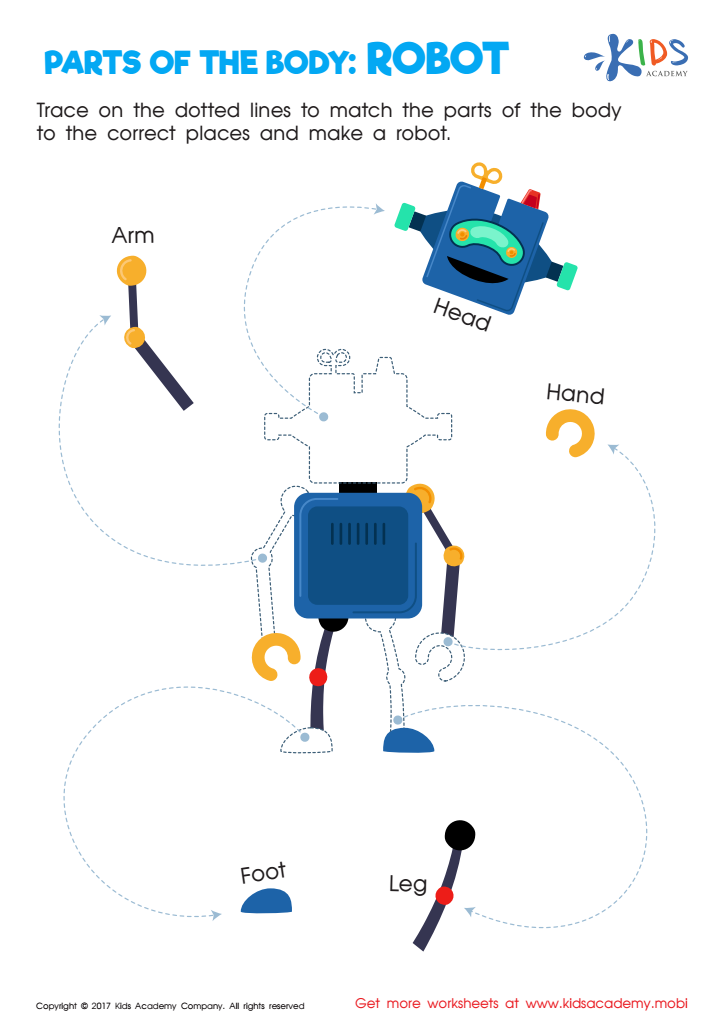
Robot Printable
 Assign to My Students
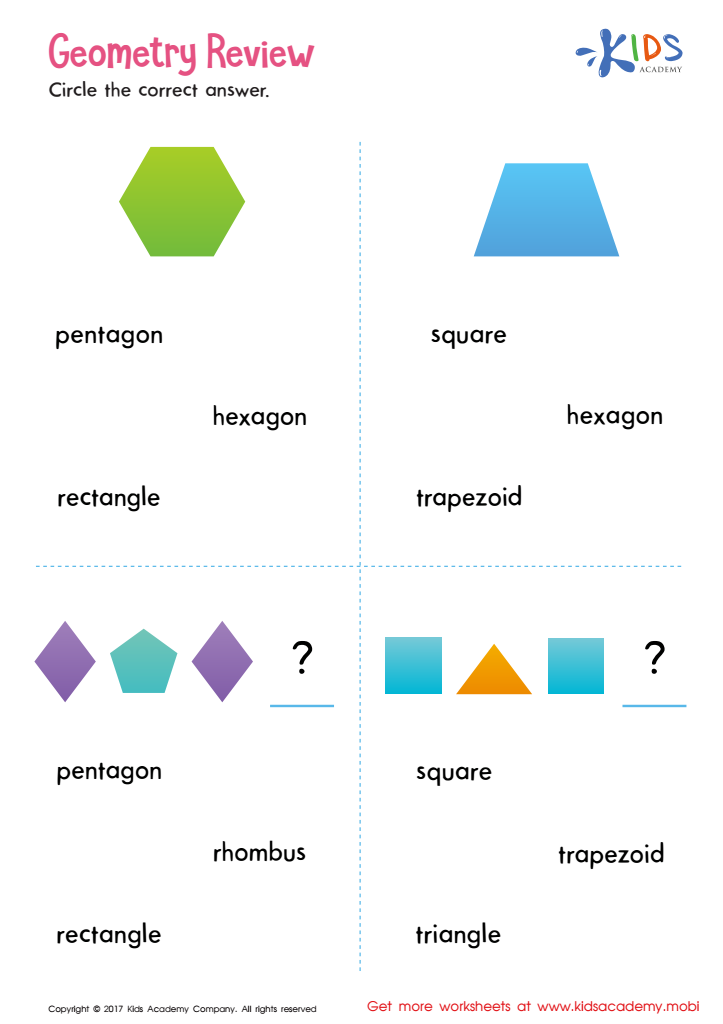
Geometry Review Printable
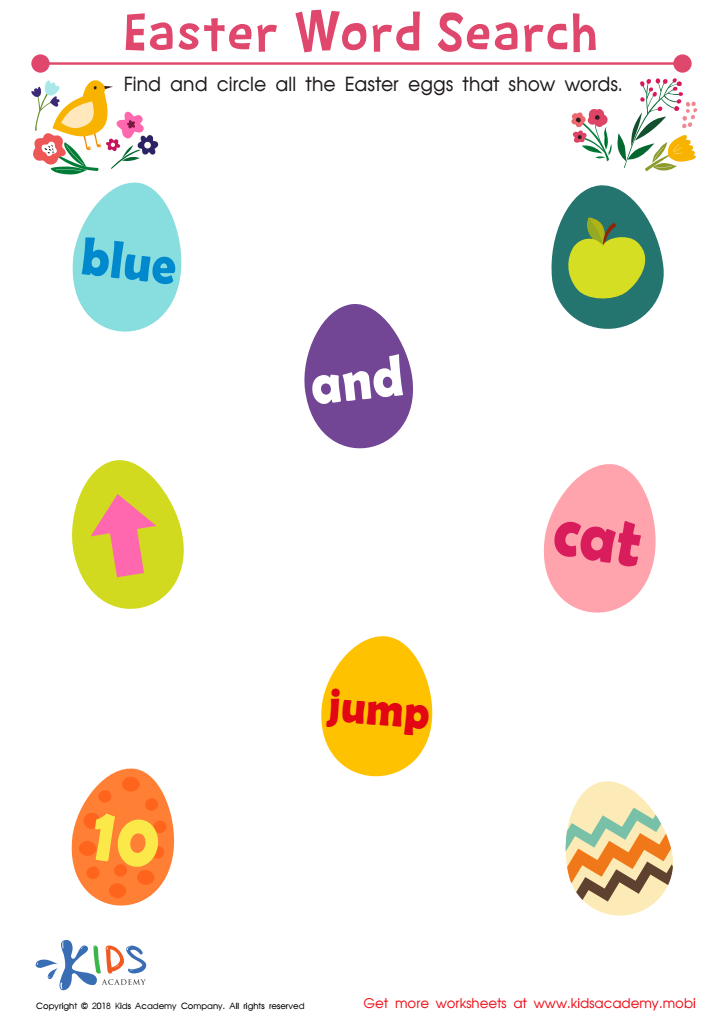
Easter Word Search Worksheet
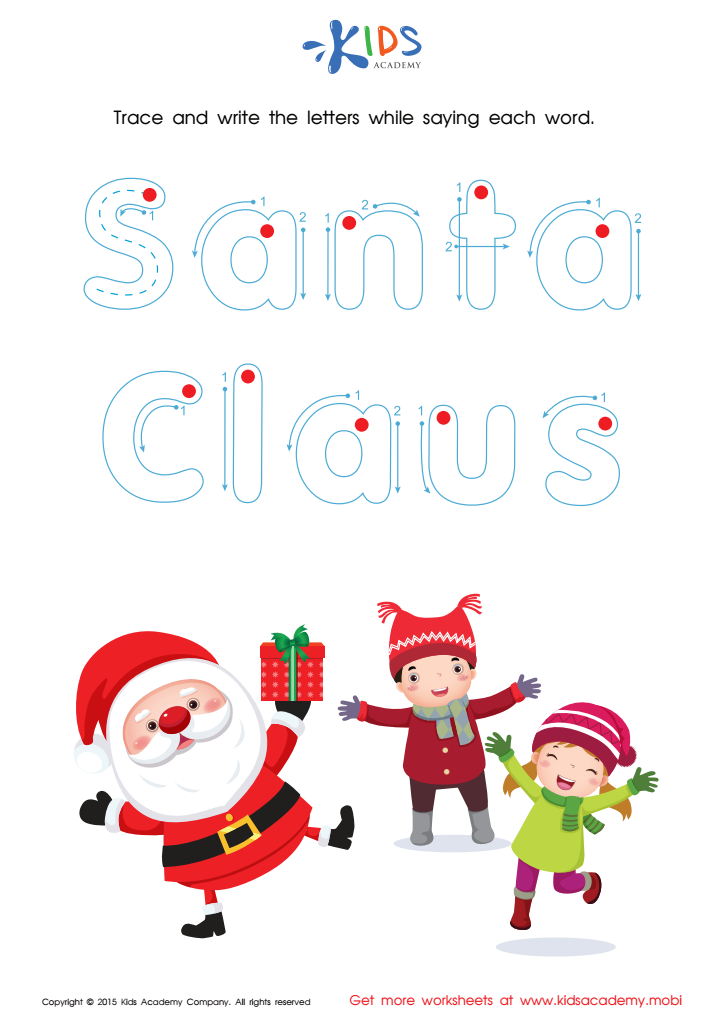
Santa Claus Tracing Winter Words Worksheet






Teaching 5-year-olds to follow instructions is crucial because it lays the foundation for essential life skills. At this age, children are in a critical developmental stage where they learn to listen, understand, and execute tasks. By emphasizing the importance of following instructions, parents and teachers help children enhance their focus and attention span, which are vital for academic success.
Moreover, following instructions fosters independence and builds confidence. When children successfully complete tasks after following directions, they gain a sense of accomplishment. This boosts their self-esteem and encourages them to take on new challenges.
In addition, learning to follow instructions helps build social skills. In a classroom or home environment, children learn to work together, recognize authority, and understand the importance of cooperation. These skills are not only vital for interpersonal relationships but will also serve them well in future educational settings and the workplace.
Finally, instilling the habit of following instructions early on contributes to better behavior and discipline. Children who understand the significance of directions are more likely to develop self-regulation skills, leading to improved decision-making as they grow older. Thus, nurturing this aspect during early childhood creates a strong foundation for future learning and social interactions.








