Animal recognition Extra Challenge Math Worksheets for 5-Year-Olds
5 filtered results
-
From - To
Introduce your child to the exciting world of math with our "Animal Recognition Extra Challenge Math Worksheets" designed specifically for 5-year-olds! These engaging worksheets blend fun animal themes with essential math skills, enhancing both recognition and counting abilities. Children will delight in identifying various animals while practicing their numbers, improving their problem-solving skills along the way. Each page is thoughtfully crafted to provide just the right level of challenge, ensuring young learners stay motivated and entertained. Perfect for parents, educators, or homeschoolers looking to enrich preschool curriculum, these worksheets make learning math a delightful adventure with captivating creatures!
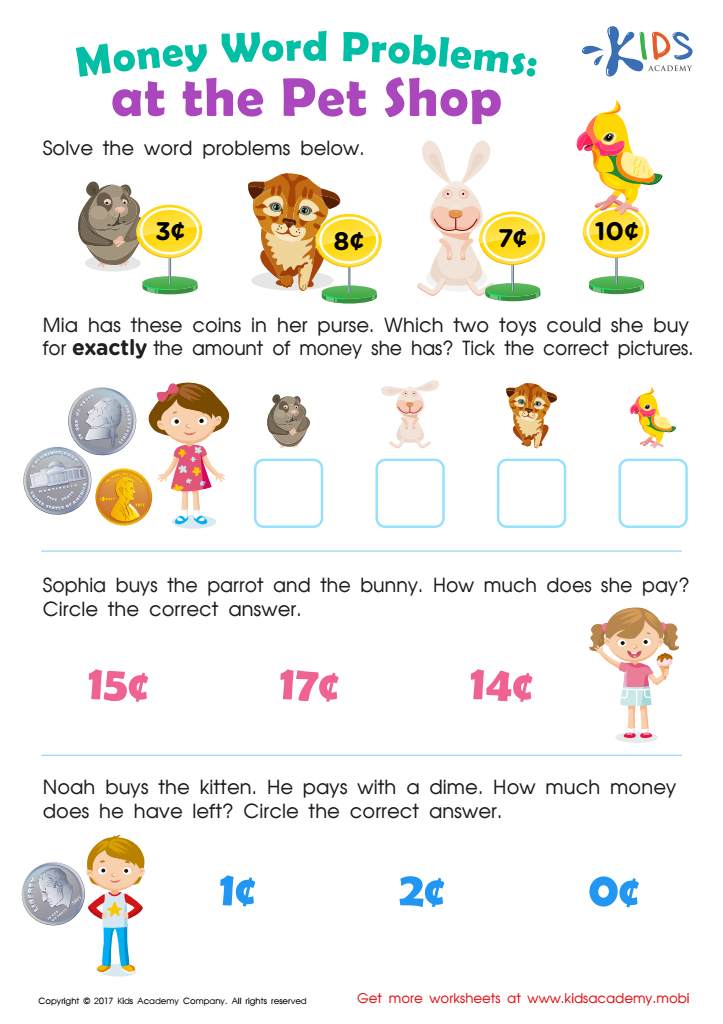
Pet Shop Worksheet
 Assign to My Students
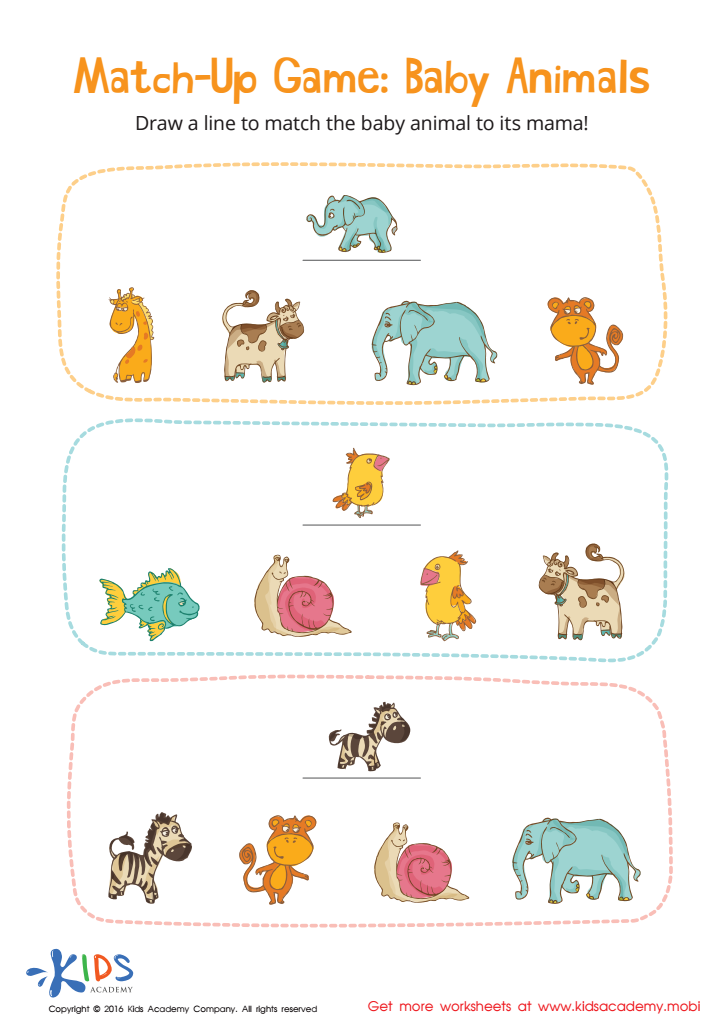
Baby Animals Match-Up Worksheet
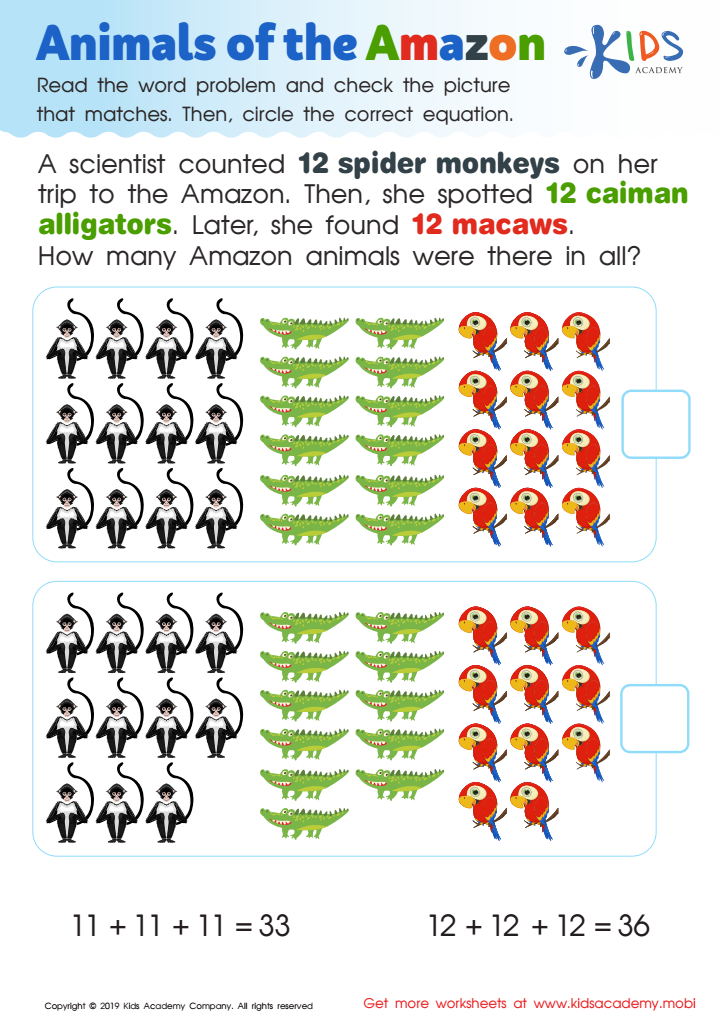
Animals of Amazon Worksheet
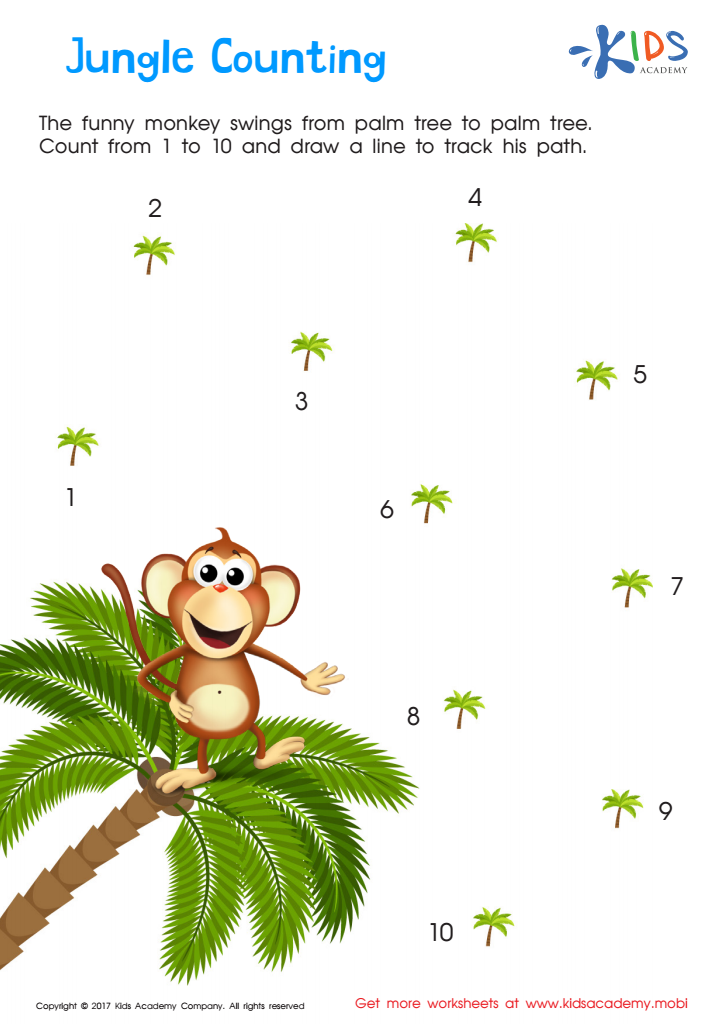
Jungle Counting Connect Dots Worksheet
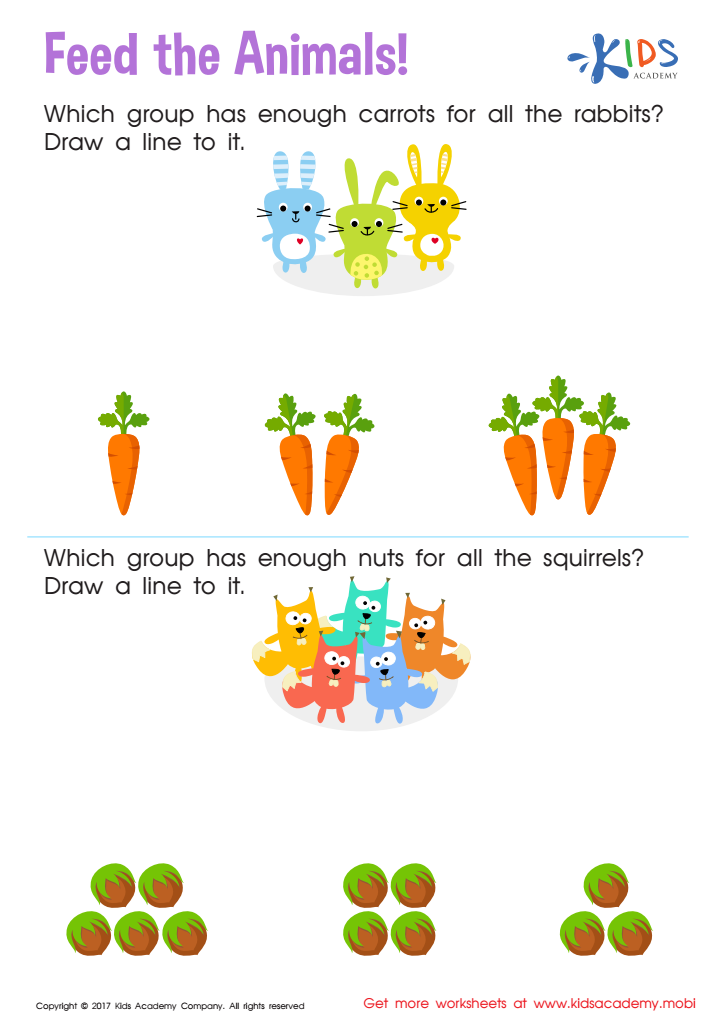
Count and Match: Feed the Animals Worksheet



.jpg)




Animal recognition and Extra Challenge Math for 5-year-olds are crucial for fostering cognitive and emotional development in young learners. First, recognizing animals helps children improve their observational skills, encouraging curiosity about the world around them. Understanding animal characteristics and habitats enriches vocabulary and current knowledge about biodiversity, essential for their social and ecological consciousness.
Moreover, incorporating math into animal recognition creates a multi-disciplinary approach that enhances critical thinking and problem-solving skills. For instance, activities like counting animals, creating patterns with animal images, or simple addition and subtraction using animal-related scenarios make learning engaging and applicable to real-world situations. This approach not only strengthens foundational math skills but also makes math less intimidating and more relatable for young learners.
Additionally, animal themes are relatable and culturally significant, particularly for young children who often have connections to pets or favorite wildlife. These lessons also promote empathy as children learn about the importance of animals in our ecosystem and the needs of different species.
Finally, involving parents or teachers in these educational challenges nurtures a collaborative learning environment that reinforces essential concepts, building a strong foundation for lifelong learning while making educational experiences enjoyable and memorable.








