Phonics Skills Extra Challenge Alphabet Worksheets for Ages 6-7
6 filtered results
-
From - To
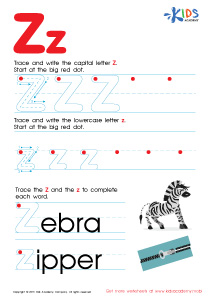
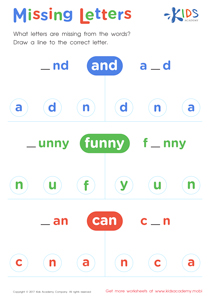
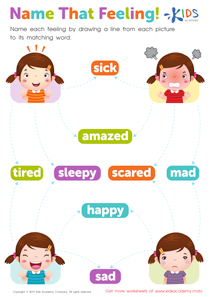
Discover the Phonics Skills Extra Challenge Alphabet Worksheets for Ages 6-7, designed to strengthen literacy skills through engaging activities. Perfect for young learners, these worksheets offer a fun way to reinforce phonics understanding by connecting letters to their sounds. Children will enjoy interactive exercises that enhance their reading readiness, including letter recognition, sound identification, and more. As they progress, these worksheets help foster a love for reading and build confidence in their phonics abilities. Ideal for classrooms or at-home practice, these resources ensure that kids are well-prepared for their literacy journey. Explore the exciting world of phonics today!
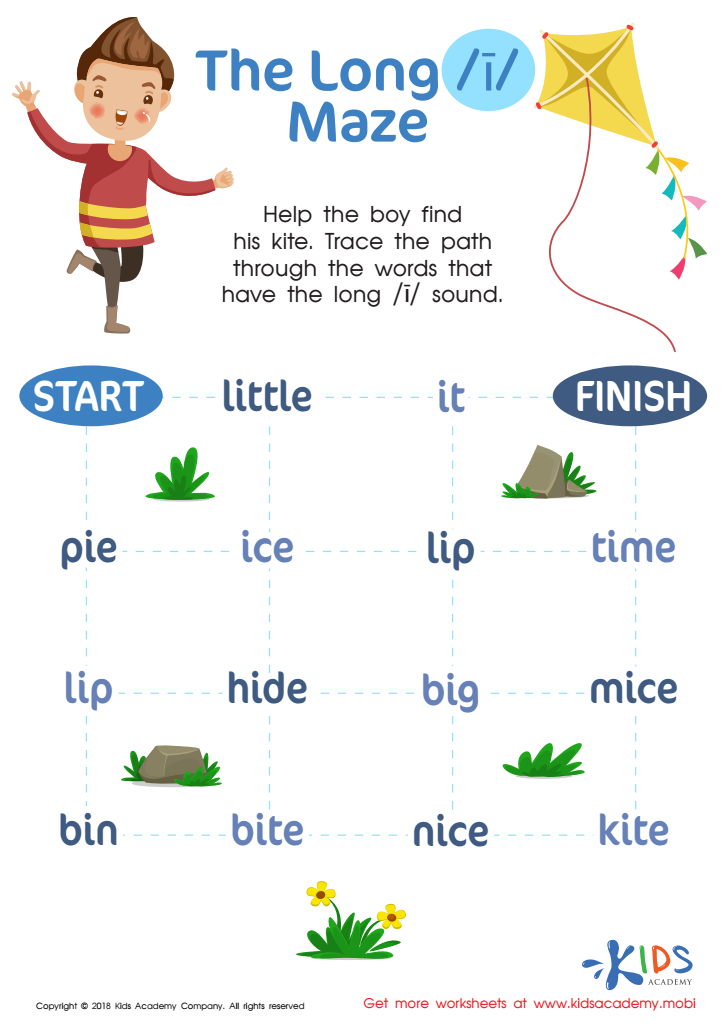
The Long I Maze Reading Worksheet
 Assign to My Students
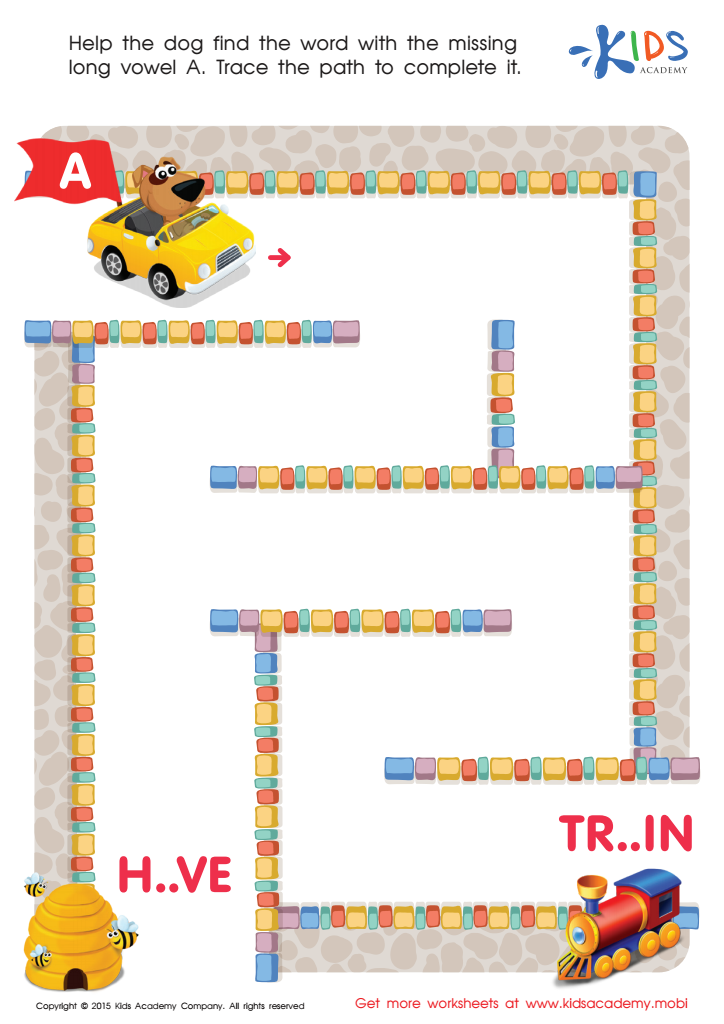
Long Vowel Sound A Worksheet
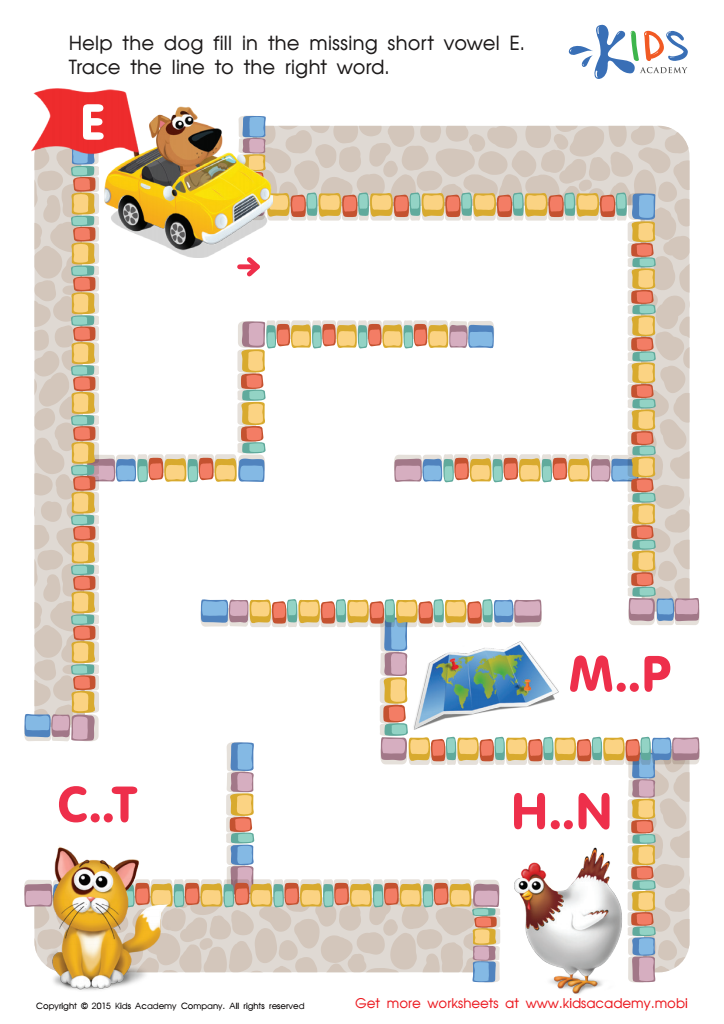
Short Vowel Sound E Worksheet
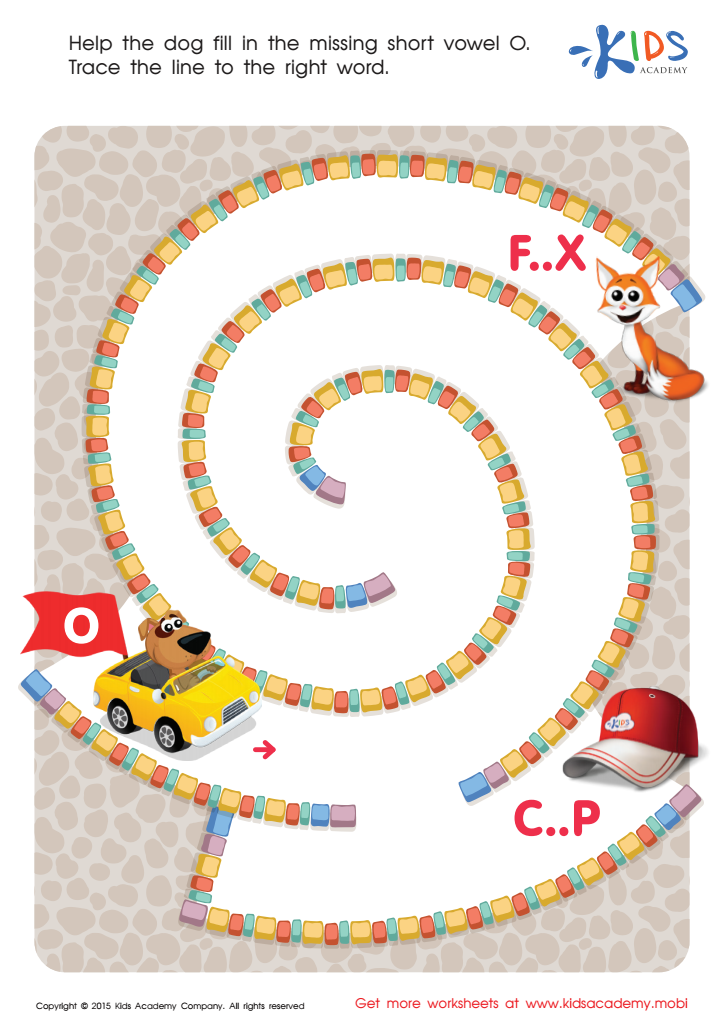
Short Vowel Sound O Worksheet
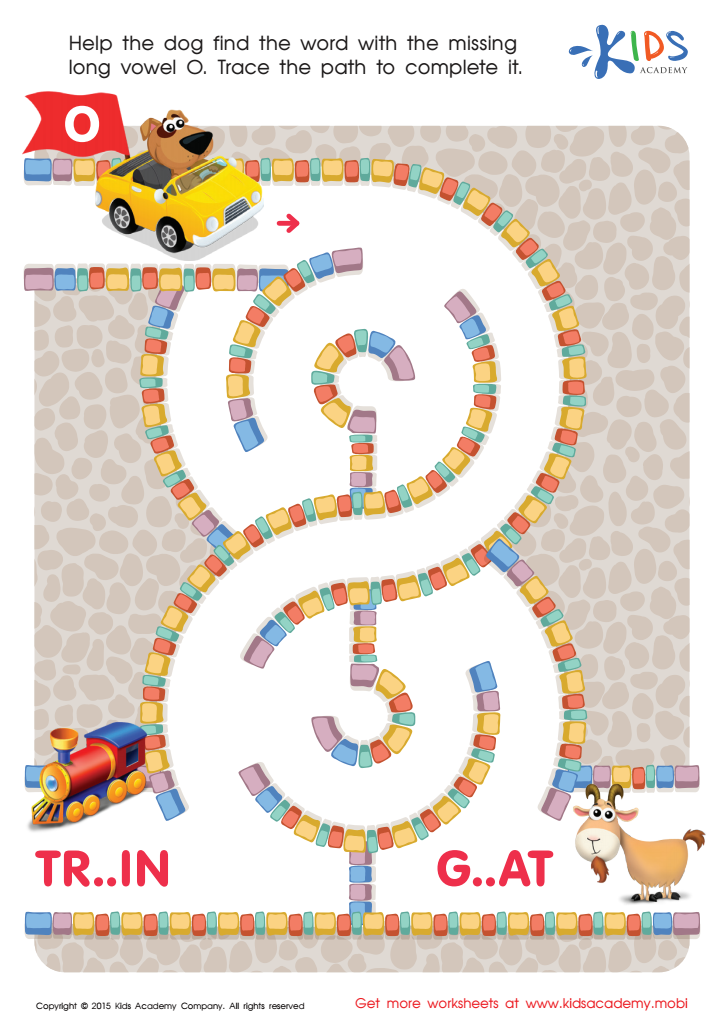
Long Vowel Sound O Worksheet
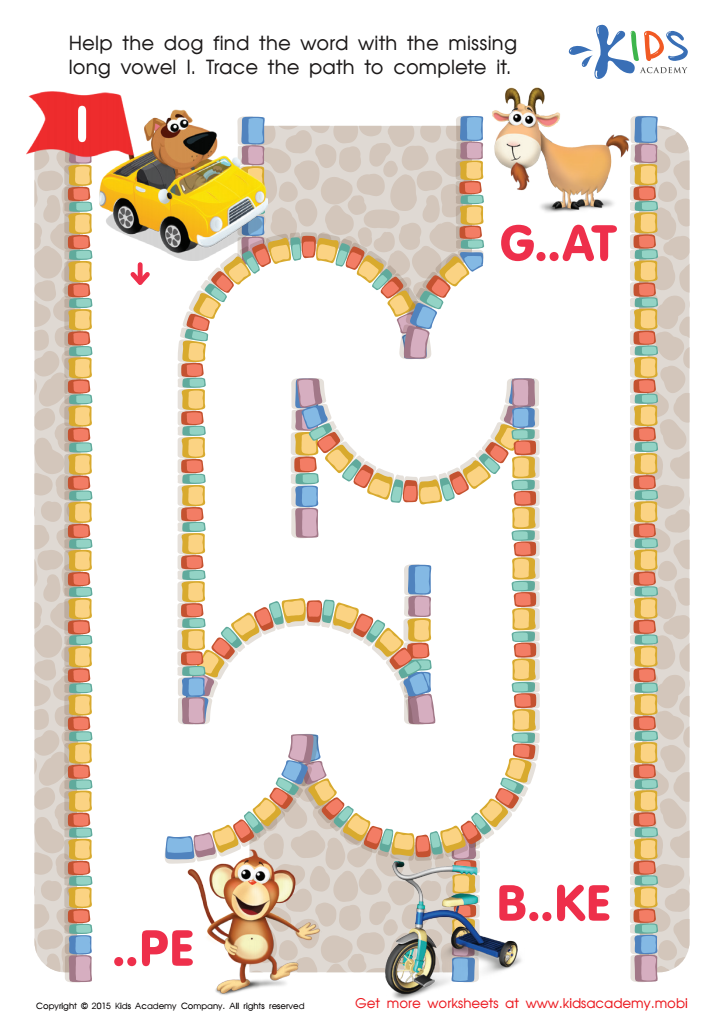
Long Vowel Sound I Worksheet








Parents and teachers should care about the Phonics Skills Extra Challenge Alphabet for ages 6-7 because foundational literacy skills are crucial for a child's academic success. At this age, children are often transitioning from learning to read to reading to learn. A strong grasp of phonics enables them to decode words, improve reading fluency, and build comprehension skills. Phonics teaches children the relationship between letters and sounds, making it easier for them to tackle unfamiliar words independently.
The Extra Challenge program offers targeted activities that cater to advanced learners, preventing boredom and promoting engagement. Providing these challenges helps nurture students’ skills at a critical point in their development, fostering a love for reading and boosting their confidence. By focusing on phonics, children develop not only their reading skills but also their writing and spelling abilities, enhancing overall literacy.
Moreover, early intervention through phonics instruction can significantly mitigate future literacy difficulties. Investing time and resources in phonics for this age group can set the stage for lifelong academic success, encourages independent learning, and allows children to fully participate in their education. In essence, prioritizing phonics education is an investment in children's futures.