Categorization skills Extra Challenge Worksheets for Ages 6-7
3 filtered results
-
From - To
Enhance your child's learning with our Categorization Skills Extra Challenge Worksheets designed for ages 6-7! These engaging worksheets help young learners master the art of grouping and classifying objects, ideas, and information. Ideal for reinforcing key developmental skills, these activities promote critical thinking and problem-solving abilities in a fun and interactive way. From sorting animals to organizing everyday items, children will enjoy exploring various categories while sharpening their cognitive skills. Perfect for use at home or in the classroom, our worksheets offer an exciting extra challenge that encourages creativity and confidence. Equip your child for success with our stimulating resources today!
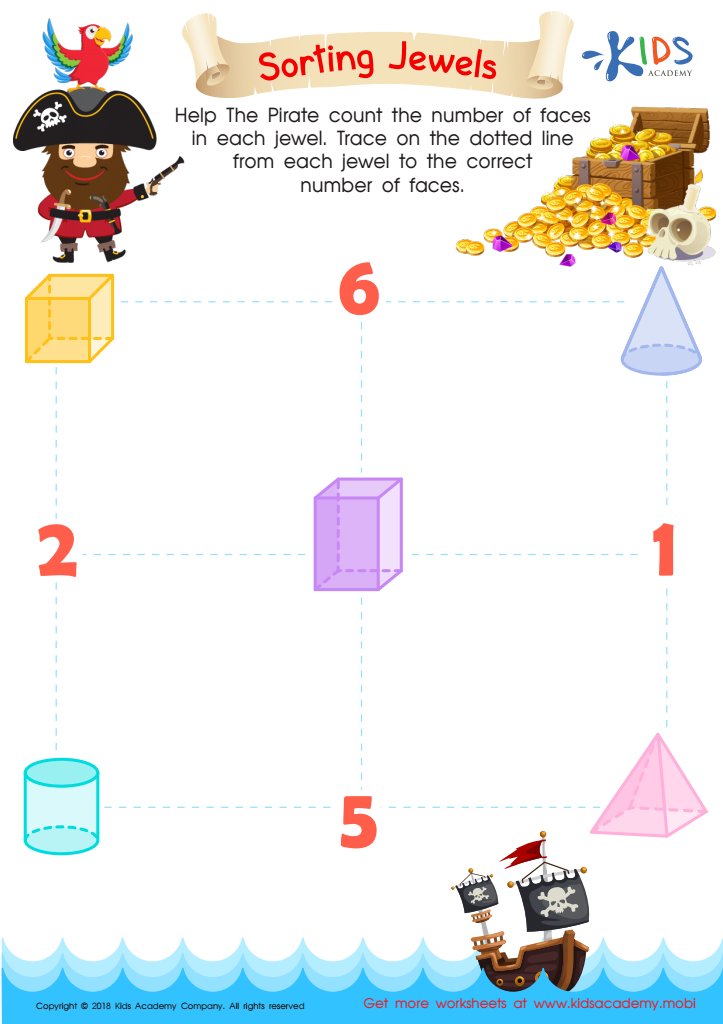
Sorting Jewels Worksheet
 Assign to My Students
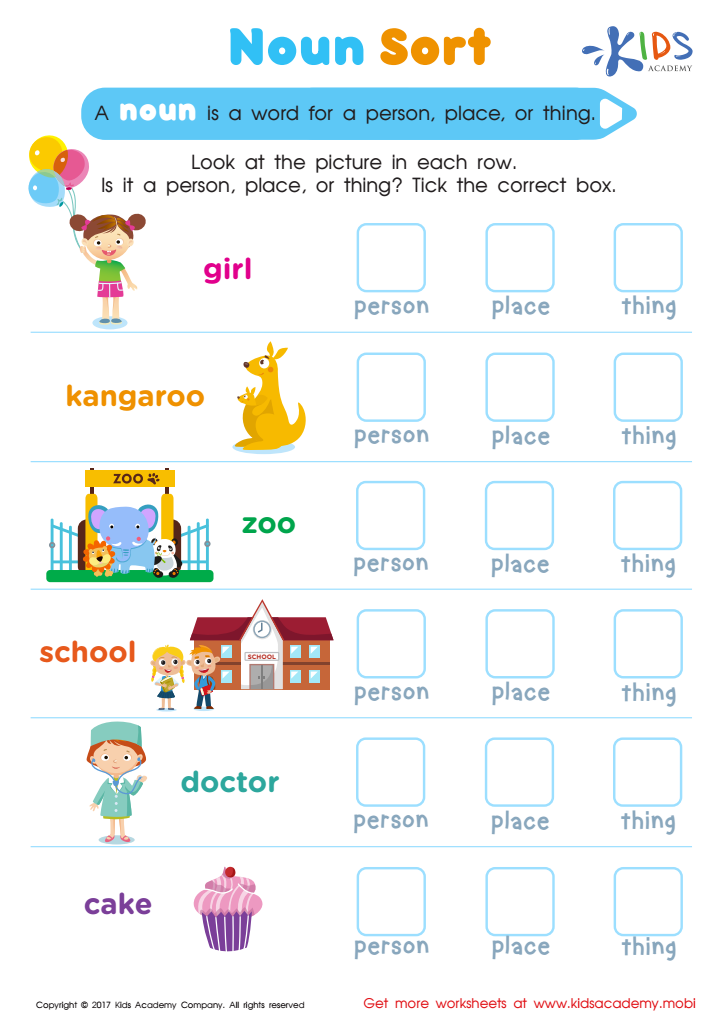
Noun Sort Printable
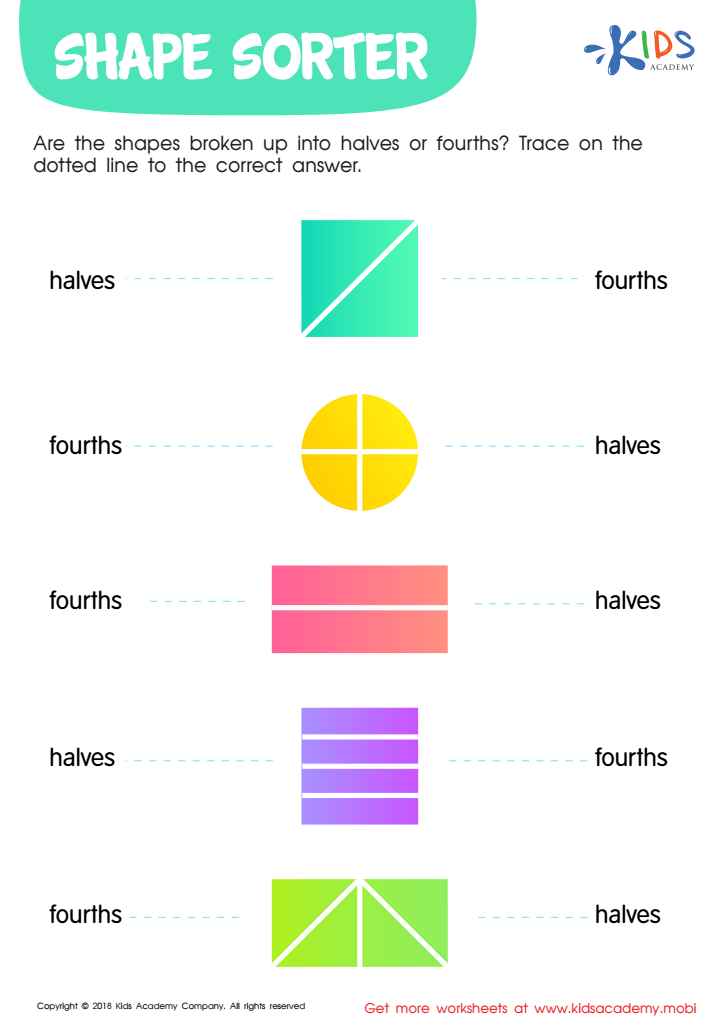
Shape Sorter Worksheet




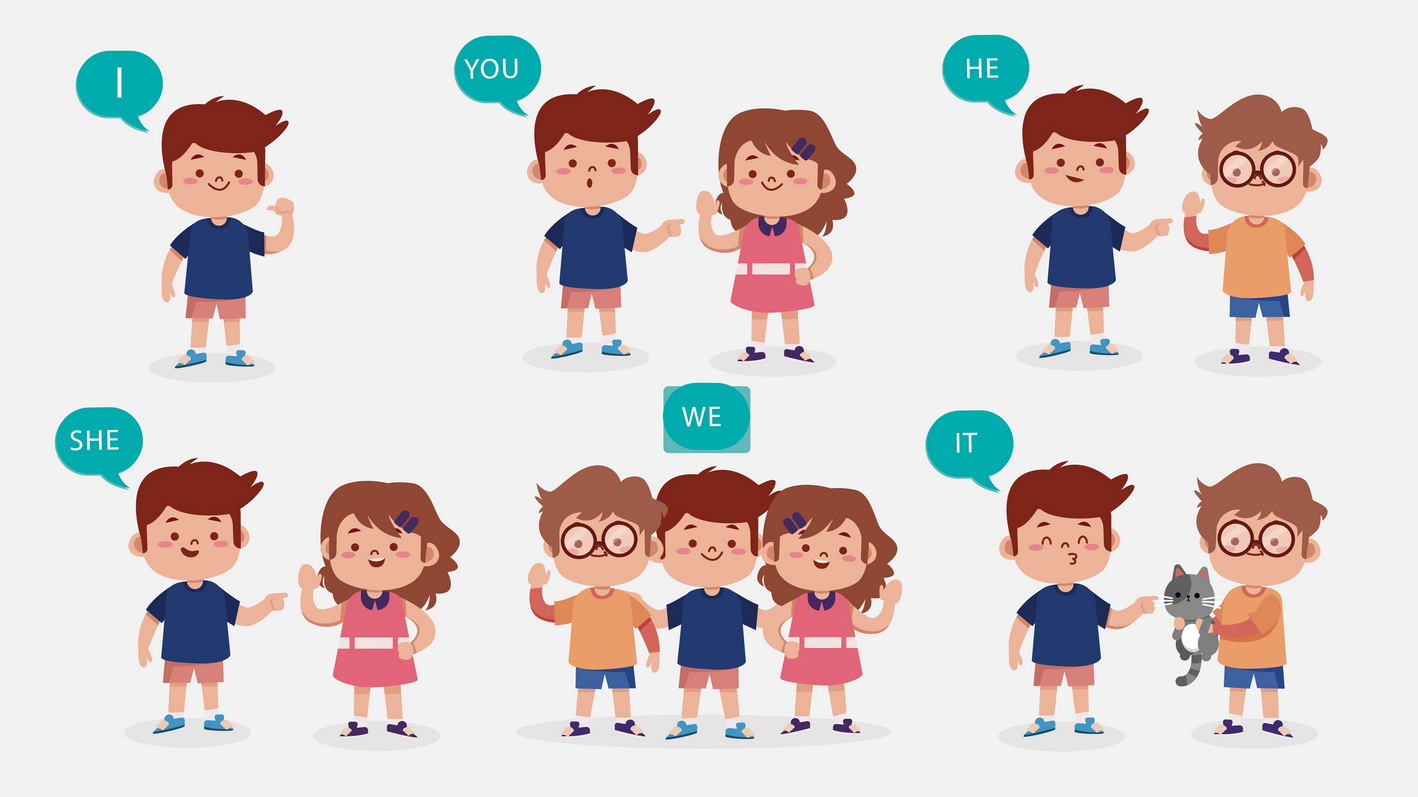


Categorization skills are essential for young learners aged 6-7 because they form the foundation for critical thinking and problem-solving abilities. By teaching children to categorize, we help them recognize patterns, similarities, and differences, which in turn aids their understanding of the world and how to navigate it. This skill promotes cognitive development, enabling kids to sort information efficiently, a crucial ability for their academic journey.
In educational settings, children frequently encounter various concepts, objects, and information. Possessing strong categorization skills allows them to organize this data more effectively, leading to better retention and recall. It fosters an environment where they can draw connections across subjects, enhancing their learning potential.
Moreover, engaging children in categorization activities can be an extra challenge that ignites their curiosity and fosters a sense of accomplishment. Parents and teachers can use everyday scenarios, such as sorting toys or grouping animals, to make the process enjoyable. This hands-on experience cultivates both their cognitive faculties and social skills, as collaborative sorting tasks promote teamwork and communication.
Ultimately, honing categorization skills not only prepares children for future academic challenges but also empowers them to think critically and creatively in everyday situations, setting them for long-term success.








