Cognitive Development Extra Challenge Worksheets for Ages 6-7 - Page 2
35 filtered results
-
From - To
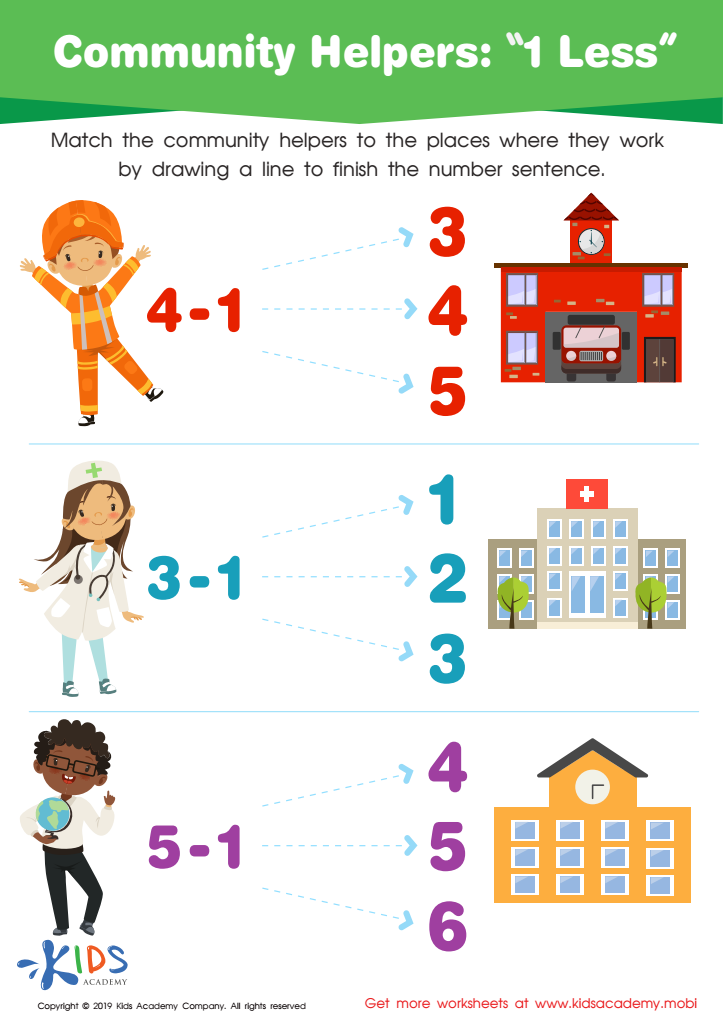
Community Helpers: 1 less Worksheet
 Assign to My Students
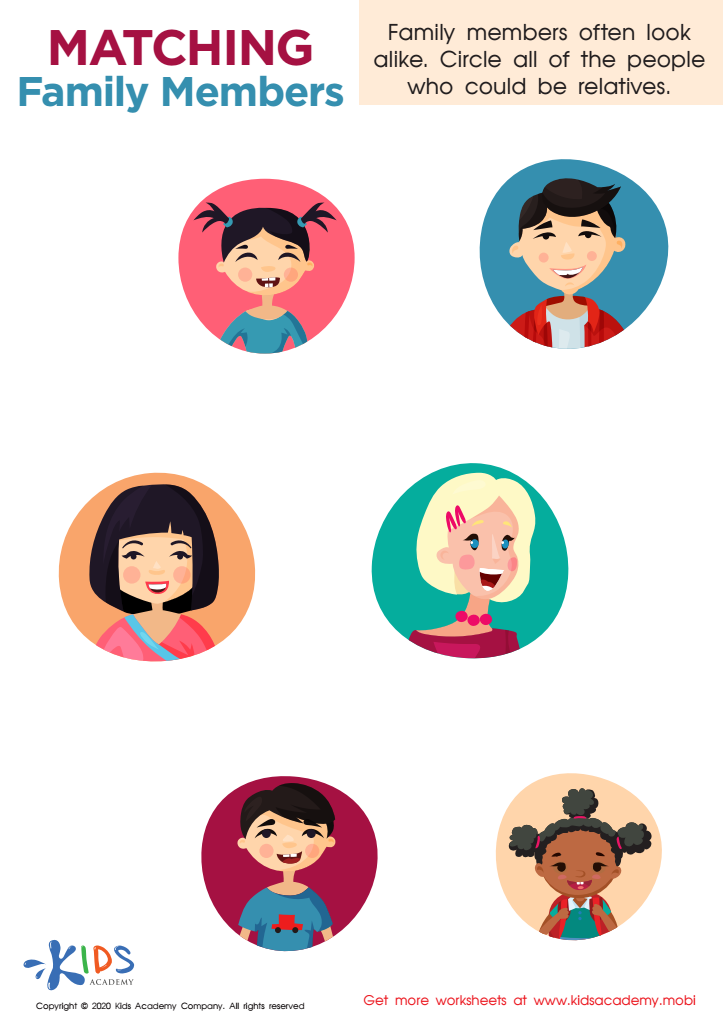
Matching Family Members Worksheet

Pirate Ship Connect Dots Worksheet
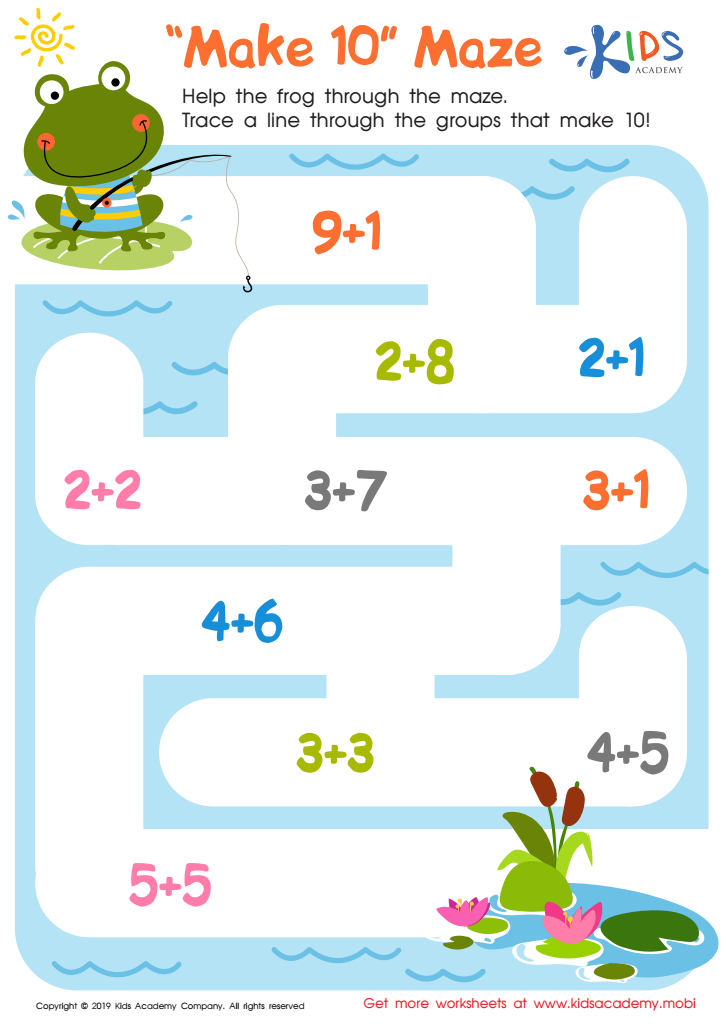
Make 10 Maze Worksheet
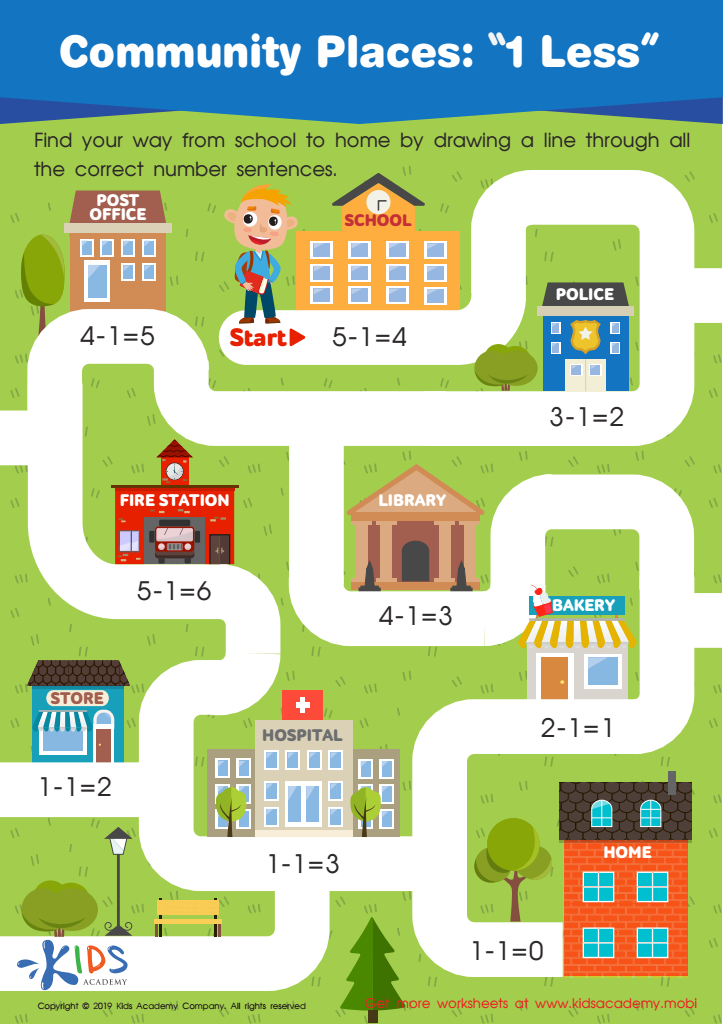
Community Places: 1 Less Worksheet

Jungle Counting Connect Dots Worksheet
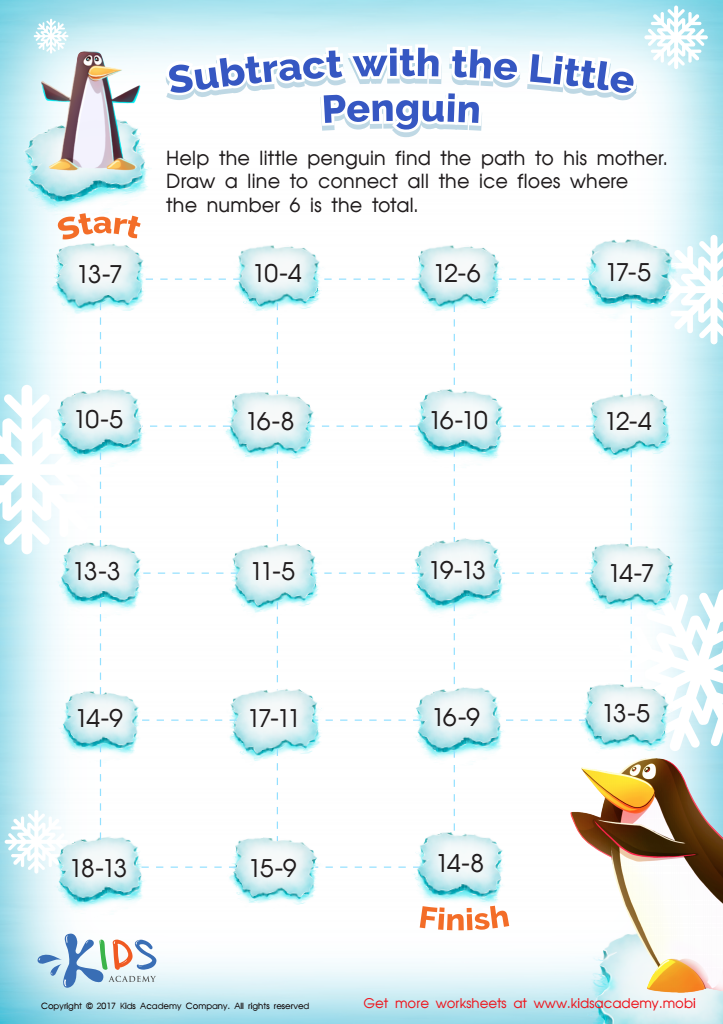
Subtract With The Little Penguin Substraction Worksheet
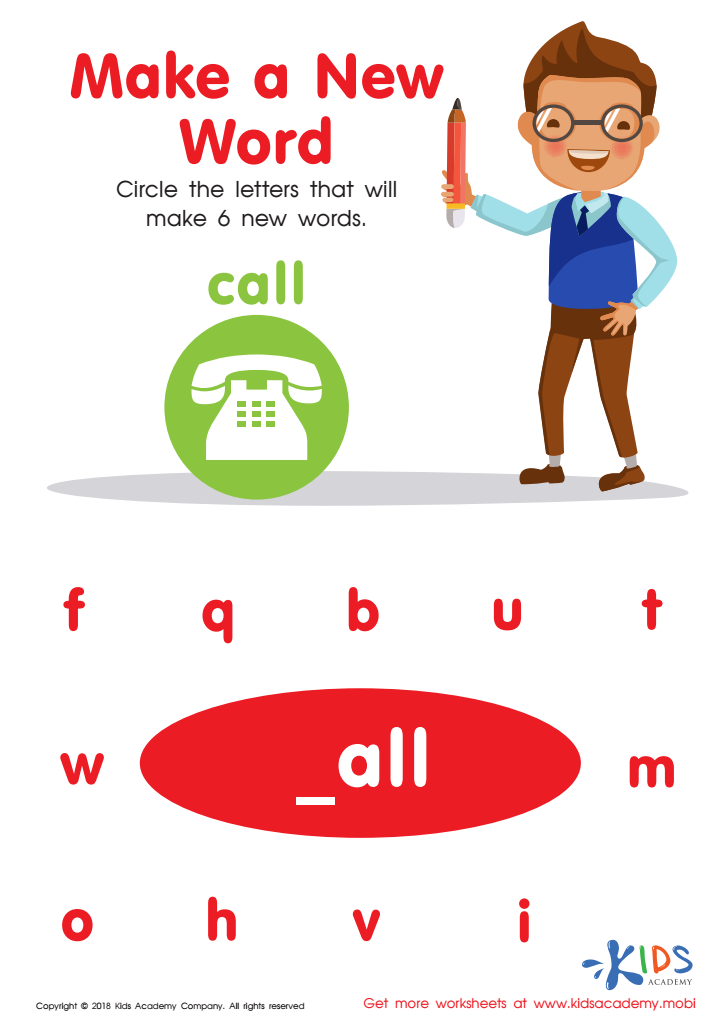
Make a New Word Worksheet

Shapes Worksheet
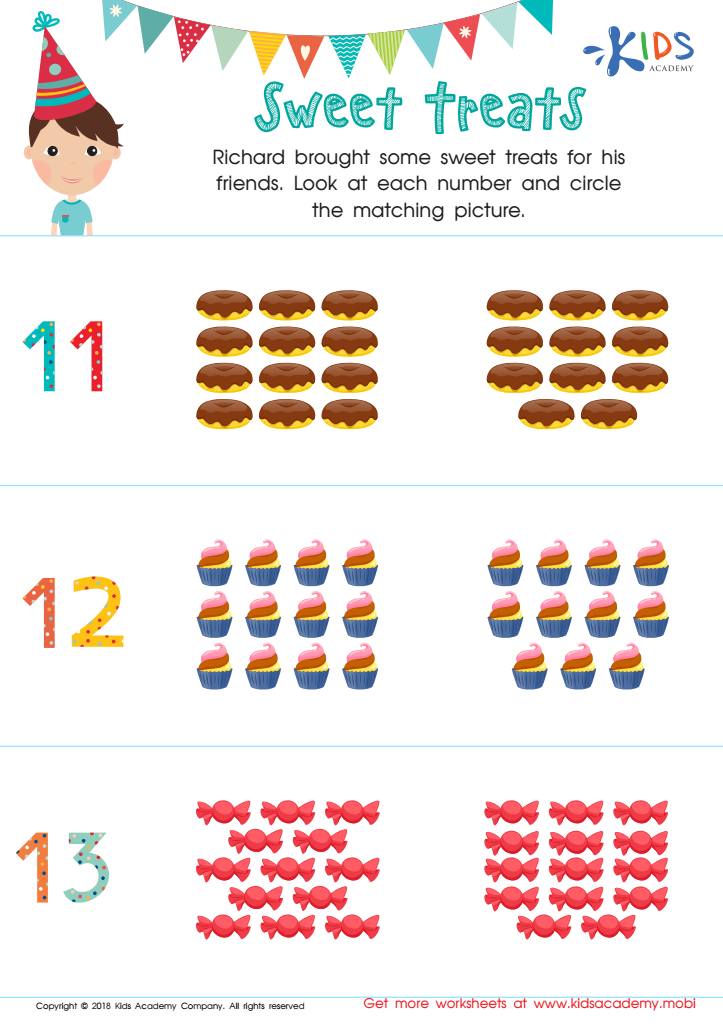
Kindergarten Math Worksheet Matching Numbers

Count and Match: Feed the Animals Worksheet







Cognitive development during ages 6-7 is crucial as this is a period where children transition from early childhood to more complex thinking processes. During this stage, children hone their problem-solving skills, critical thinking abilities, and logical reasoning. Engaging in extra challenges tailored for this age group stimulates curiosity and encourages active learning, which helps solidify foundational academic skills.
Parents and teachers should care about offering these challenges because they promote intellectual growth and foster a lifelong love of learning. Introducing diverse activities that train executive functioning skills—like memory, attention, and self-control—can enhance a child's ability to focus and succeed academically.
Moreover, extra cognitive challenges serve not only to advance academic skills but also to boost emotional and social development. They encourage collaboration with peers, instill perseverance in the face of difficulty, and build confidence in their abilities. Addressing diverse learning styles through engaging methods can help children discover their unique strengths and talents.
Investing in cognitive challenges ultimately prepares children for future educational success and lifelong problem-solving capabilities. By prioritizing cognitive development, we can support the holistic growth of children, aiding them in becoming insightful, engaged adults.








