Color Identification Extra Challenge Worksheets for Ages 6-7
5 filtered results
-
From - To
Introducing our "Color Identification Extra Challenge Worksheets for Ages 6-7" – the perfect blend of fun and learning! These carefully curated worksheets are designed to enhance your child's color recognition skills while presenting an engaging challenge to keep young minds stimulated. Our colorful activities encourage critical thinking and provide a step beyond basic color identification, helping children develop a deeper understanding and proficiency. Suitable for ages 6-7, these printables are a great resource for teachers and parents alike to support early learning skills in an interactive and enjoyable way. Unlock potential with Kids Academy's expertly crafted resources today!
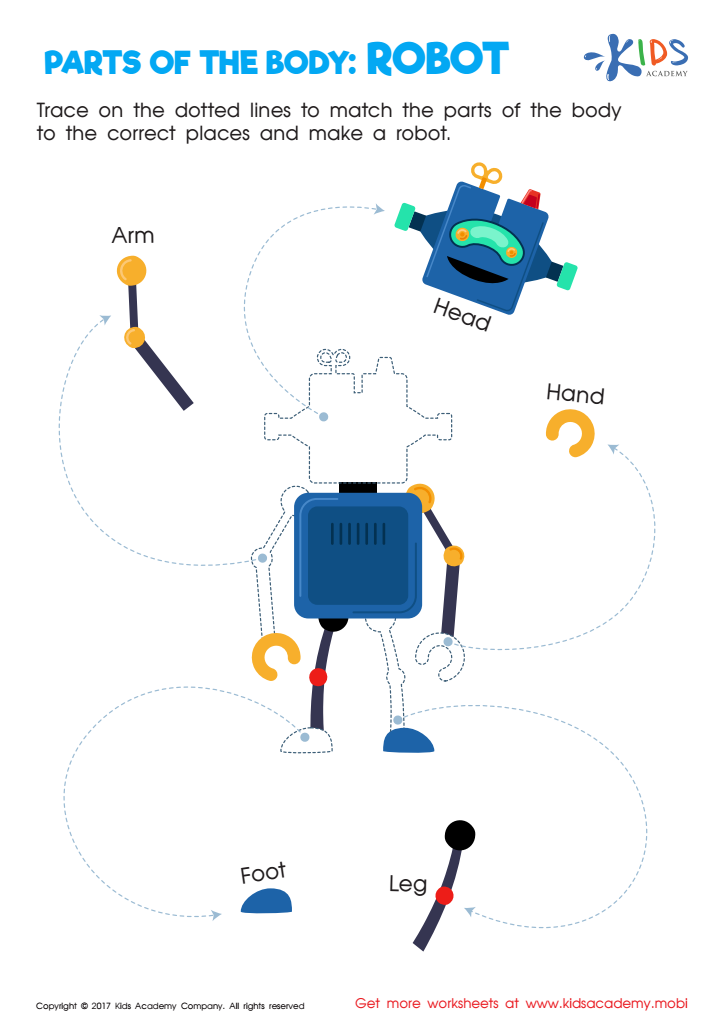
Robot Printable
 Assign to My Students
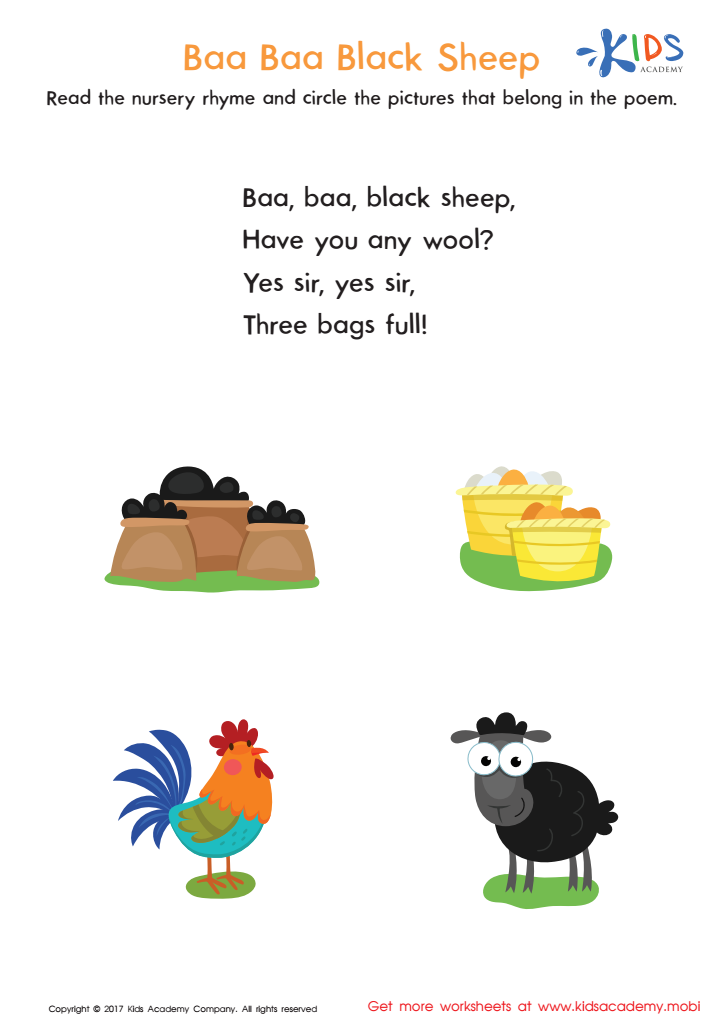
Baa Baa Black Sheep Printable
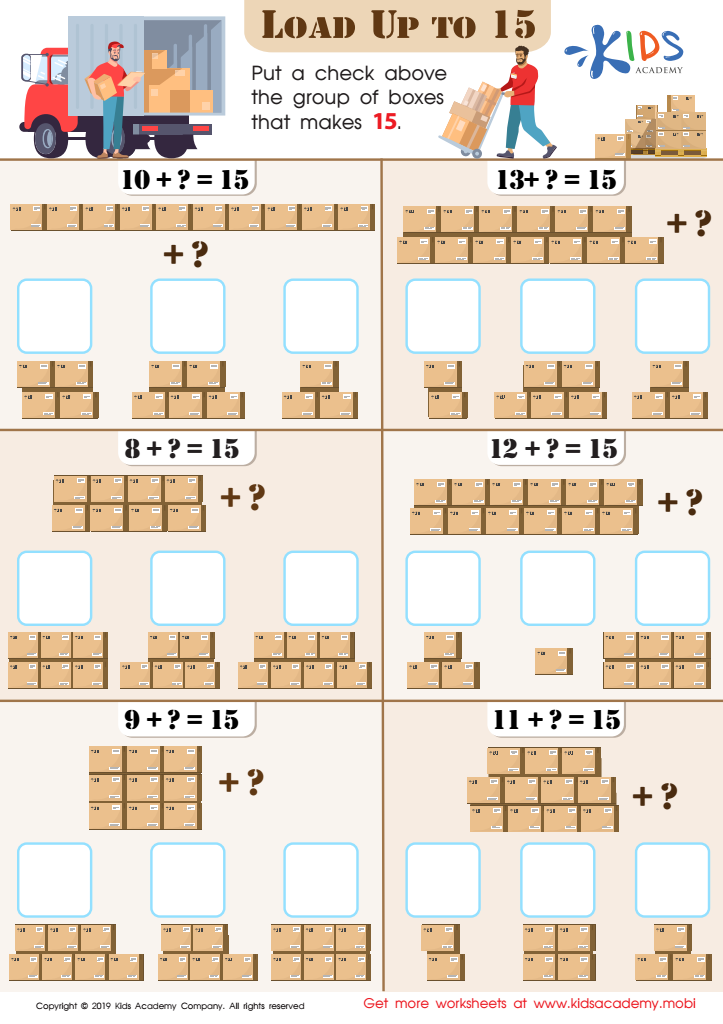
Load up to 15 Worksheet
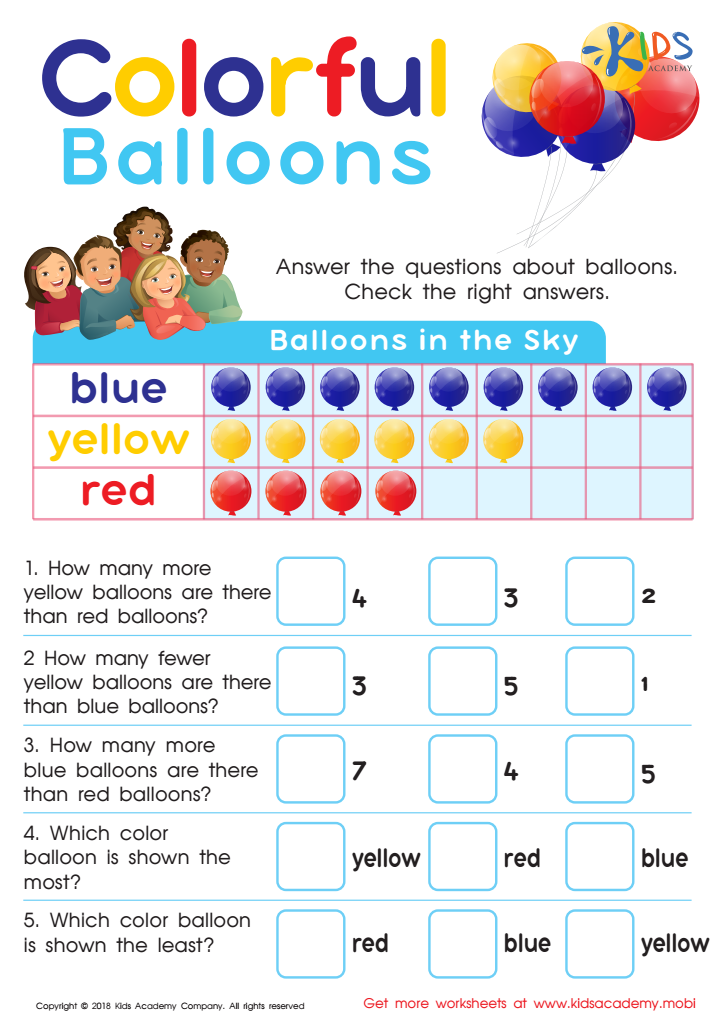
Picture Graphs: Colorful Balloons Worksheet
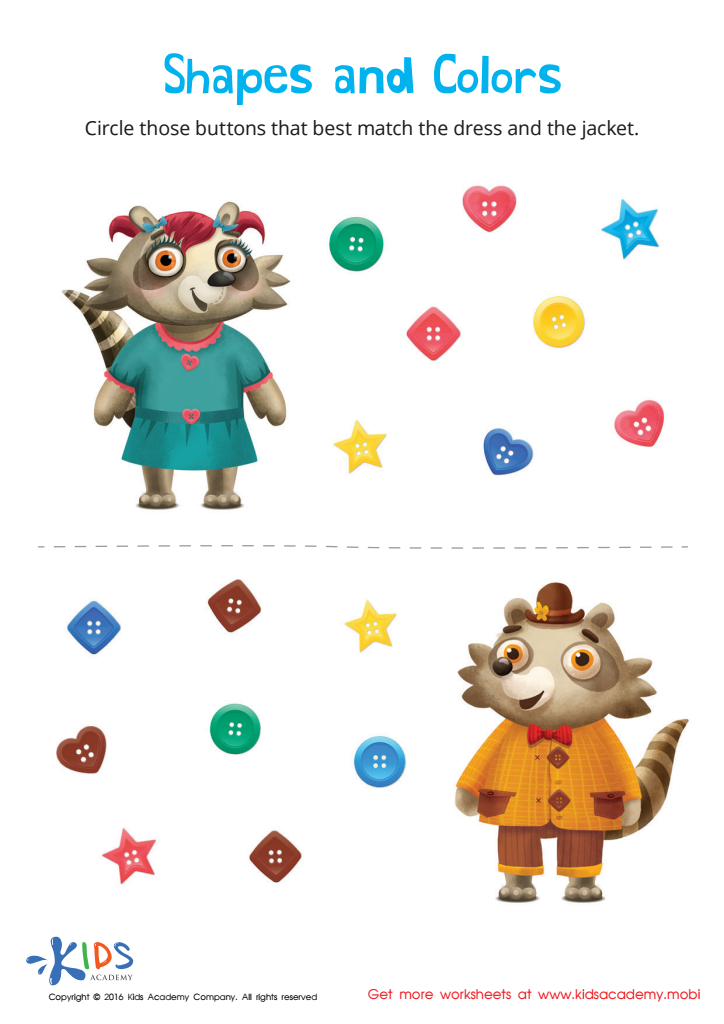
Matching: Shapes and Colors Worksheet








Parents and teachers should care about Color Identification Extra Challenge for children aged 6-7 because it plays a crucial role in their cognitive and developmental growth. At this age, kids are expanding their ability to recognize, differentiate, and categorize colors, which are fundamental skills in many aspects of learning and everyday tasks. By engaging in color identification challenges, children are not merely memorizing hues but also enhancing their visual perception, attention to detail, and memory.
Additionally, such activities aid in fine motor development, particularly if the challenges involve coloring, drawing, or sorting items by color. This hands-on experience improves hand-eye coordination and dexterity, which are essential for writing and other daily tasks. Color identification also encourages language development, as children learn to associate specific colors with their names and might even begin understanding symbolic meanings of colors.
Importantly, mastering color recognition supports early mathematical skills such as grouping, patterning, and categorization, which are foundational for more complex math concepts. Incorporating fun and engaging color-based tasks can make learning feel less like work and more like play, promoting a positive attitude towards education. Overall, it's a vital step in ensuring a well-rounded early childhood education, laying a strong groundwork for future academic success.








