Logical thinking development Extra Challenge Worksheets for Ages 6-7
5 filtered results
-
From - To
Boost your child's logical thinking skills with our Extra Challenge Worksheets designed for ages 6-7! These engaging activities are tailored to stimulate young minds, enhancing problem-solving abilities and critical thinking. Your child will tackle fun puzzles, logic games, and reasoning challenges that promote analytical thinking and creativity. Our worksheets cater to various learning styles, ensuring that every child finds enjoyment and success. Ideal for home or classroom use, these printables encourage independent learning and cognitive growth. Give your child the tools they need to excel with these thoughtfully crafted exercises that make learning an exciting adventure! Explore logical thinking today!
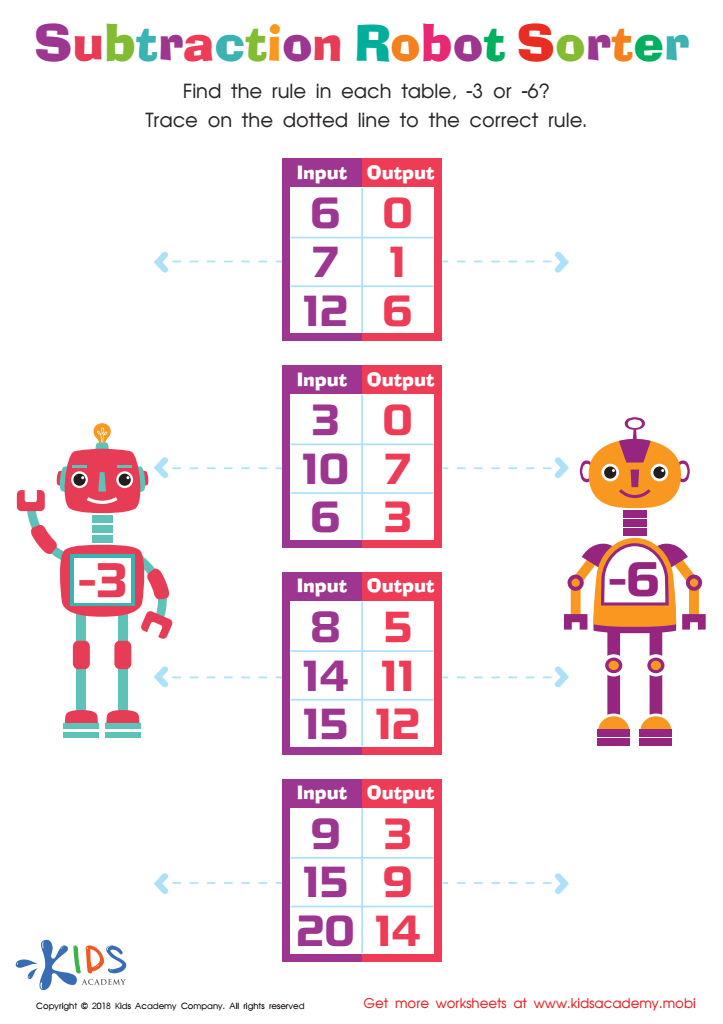
Subtraction Robot Sorter Worksheet
 Assign to My Students

Comparing Solutions Worksheet
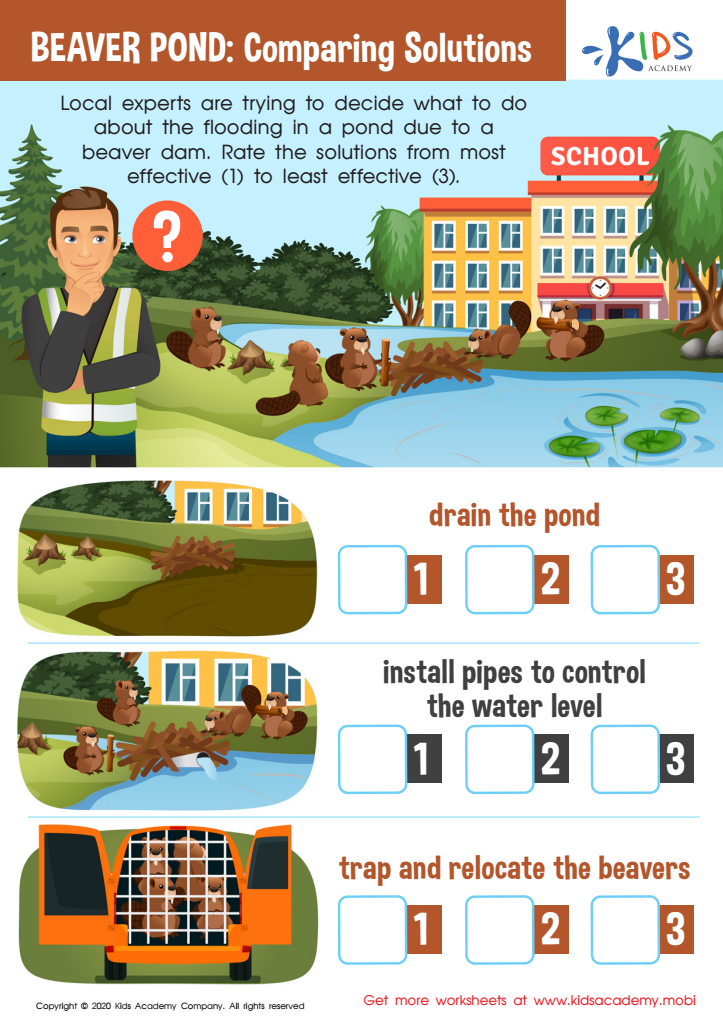
Beaver Pond: Comparing Solutions Worksheet

Math Puzzle Worksheet
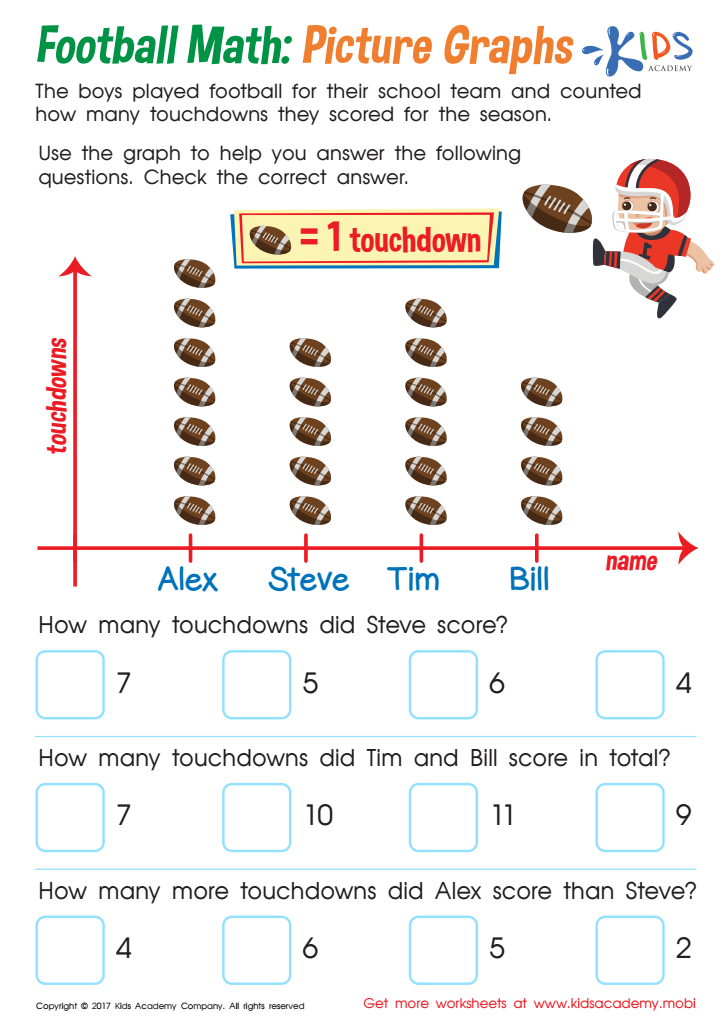
Football Math Worksheet







Logical thinking is a crucial skill for children aged 6-7, as it lays the foundation for problem-solving, decision-making, and analytical abilities. At this age, children are naturally curious and eager to explore, making it an ideal time to nurture their logical thinking. Parents and teachers should care about developing this skill because it equips children with the tools to approach everyday situations critically and creatively.
Engaging in activities that promote logical thinking, such as puzzles, games, and problem-solving tasks, encourages analytical thinking and enhances cognitive flexibility. These activities help children recognize patterns, make connections, and understand cause and effect, preparing them for more complex reasoning in later years.
Moreover, strong logical thinking skills contribute to academic success, especially in subjects like mathematics and science. These foundations foster independence, boost confidence, and encourage lifelong learning. Ultimately, nurturing logical thinking in young children not only shapes their academic journey but also prepares them for thoughtful decision-making in real-world situations and challenges they will face in the future. In this way, parents and teachers serve as vital partners in furthering children’s cognitive development, setting them up for a brighter, more successful future.








