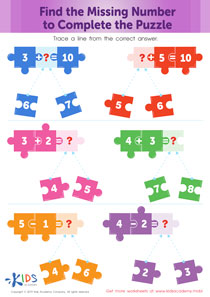
Number Recognition Extra Challenge Addition Worksheets for Ages 6-7
8 filtered results
-
From - To
Enhance your child's math proficiency with our engaging Number Recognition Extra Challenge Addition Worksheets for Ages 6-7. Perfectly designed for first and second graders, these worksheets offer a fun and challenging way to master number recognition and addition. Each worksheet features a variety of exercises that boost addition skills and reinforce the ability to recognize and write numbers. Through interactive tasks, puzzles, and problem-solving scenarios, kids develop their mathematical thinking while enjoying the learning process. Ideal for both classroom and home use, our worksheets are a fantastic resource for advancing early math skills with confidence and enthusiasm.
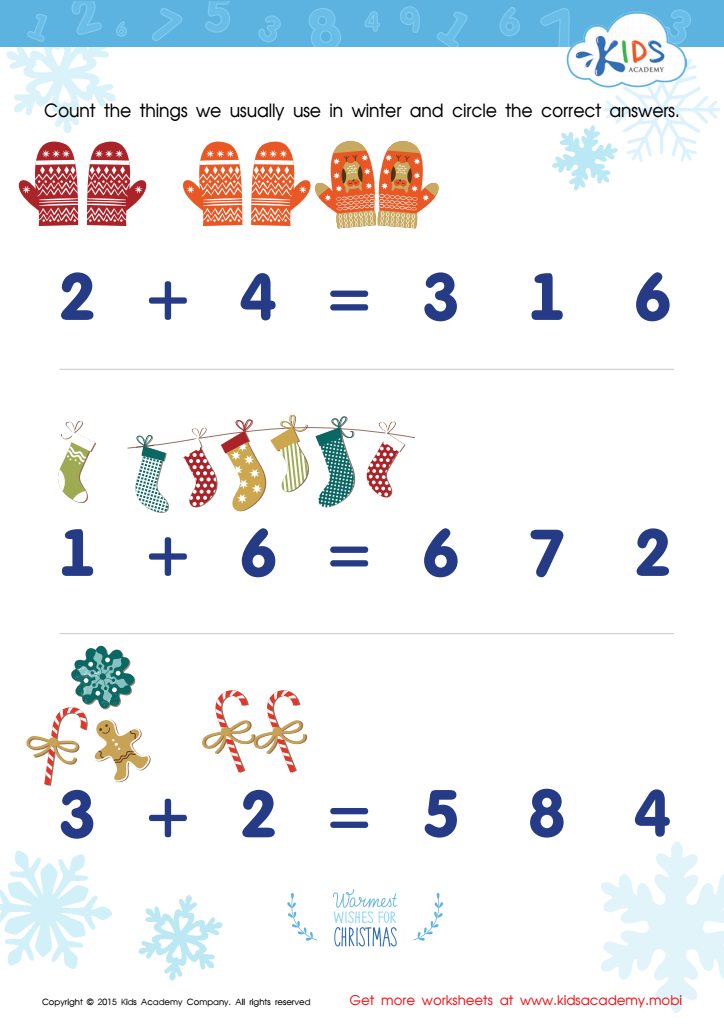
Count Winter Things Worksheet
 Assign to My Students
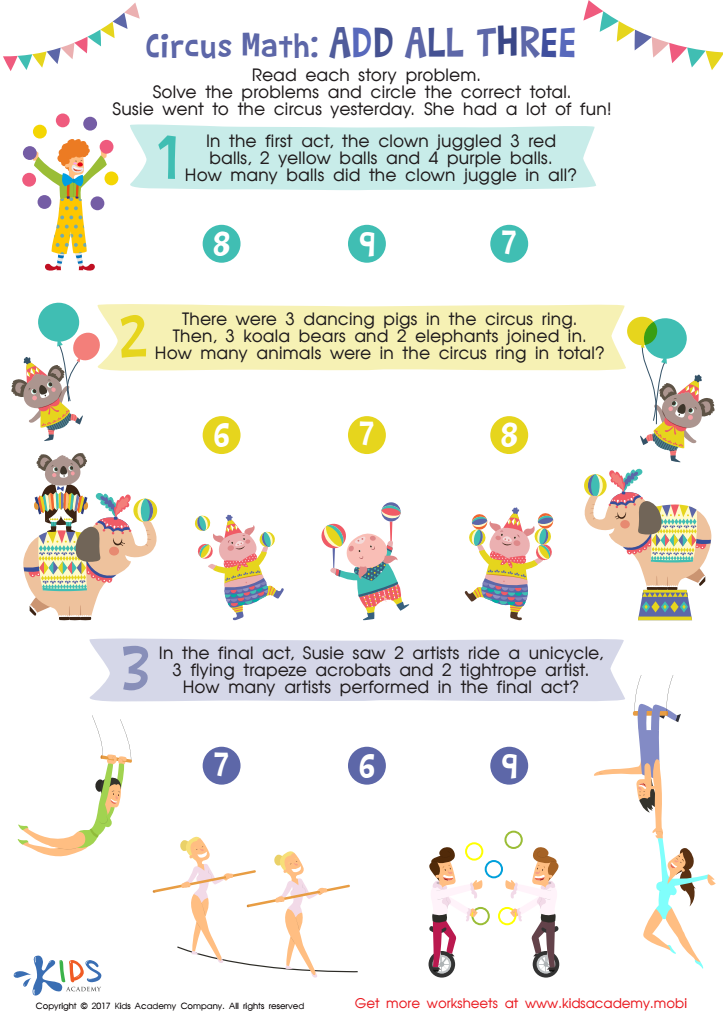
Circus Math Printable
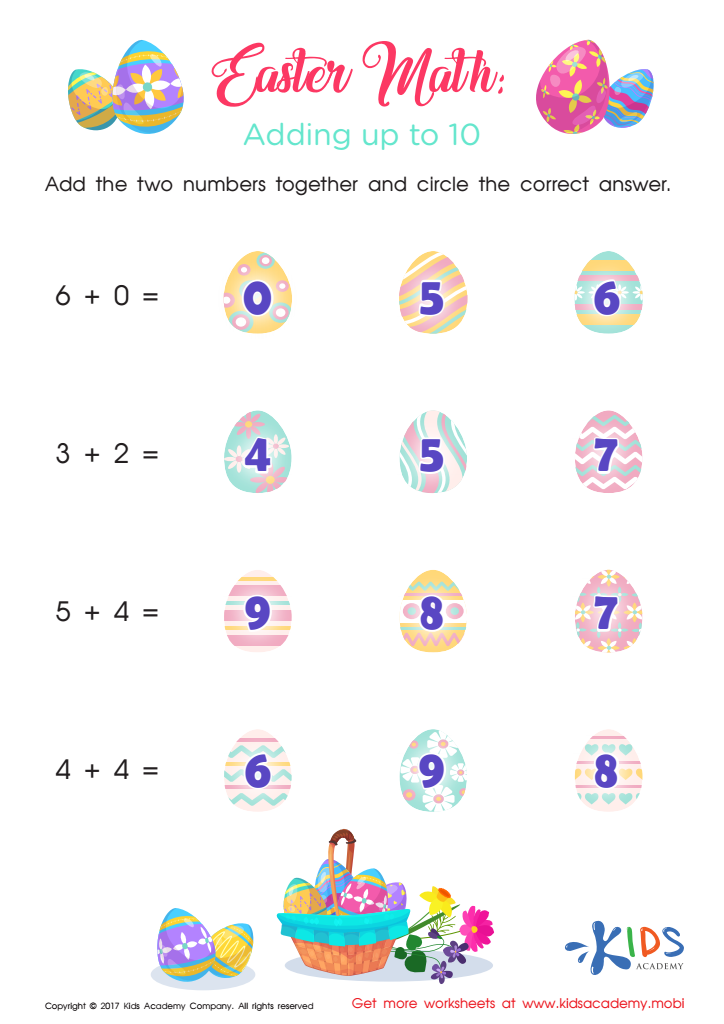
Addition Up To 10 Worksheet
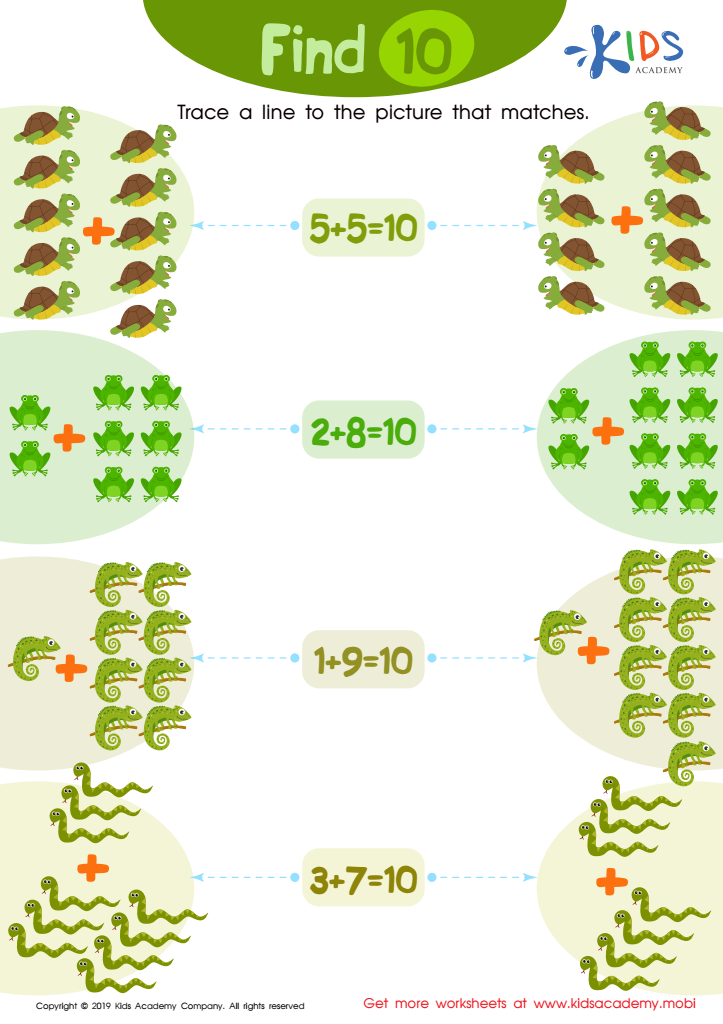
Find 10 Worksheet
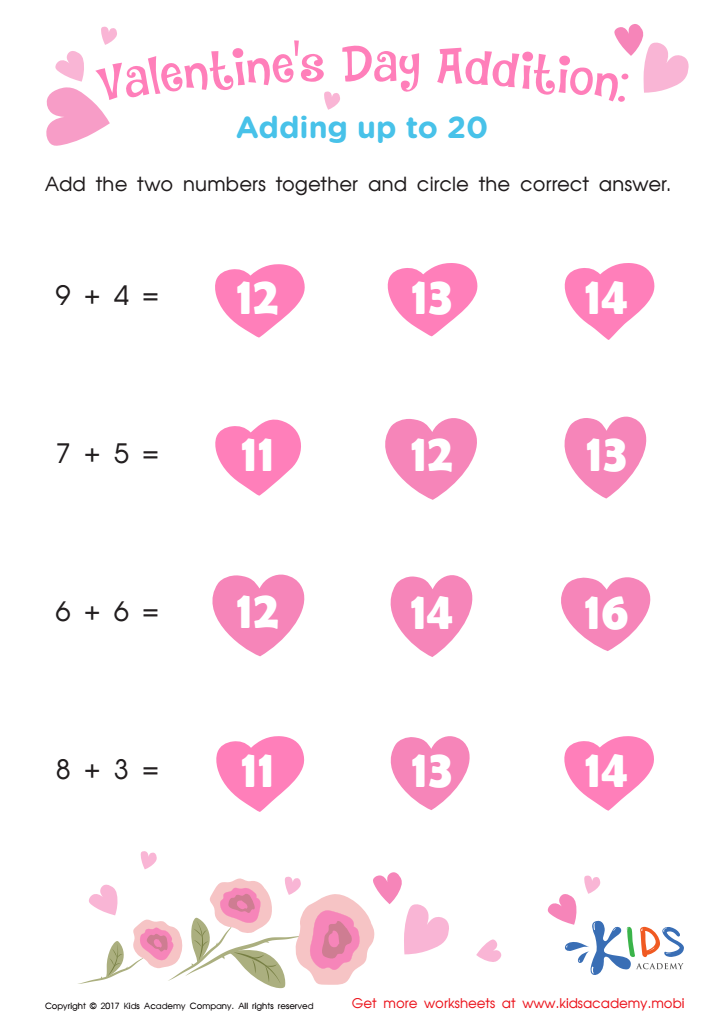
Valentine's Day Addition Worksheet
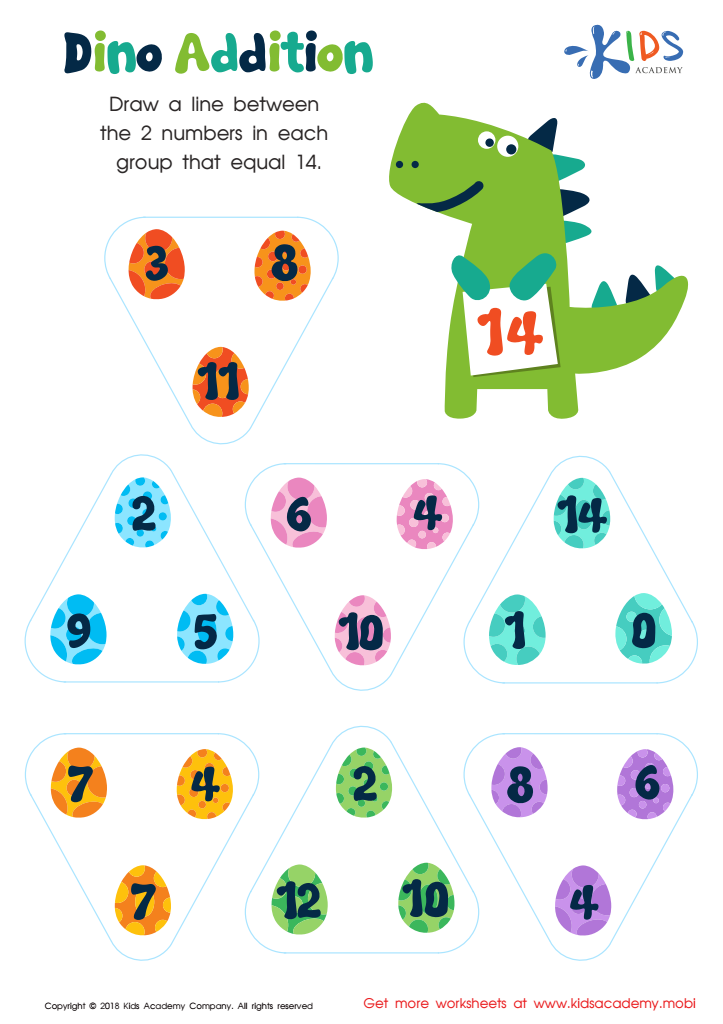
Dino Addition Worksheet
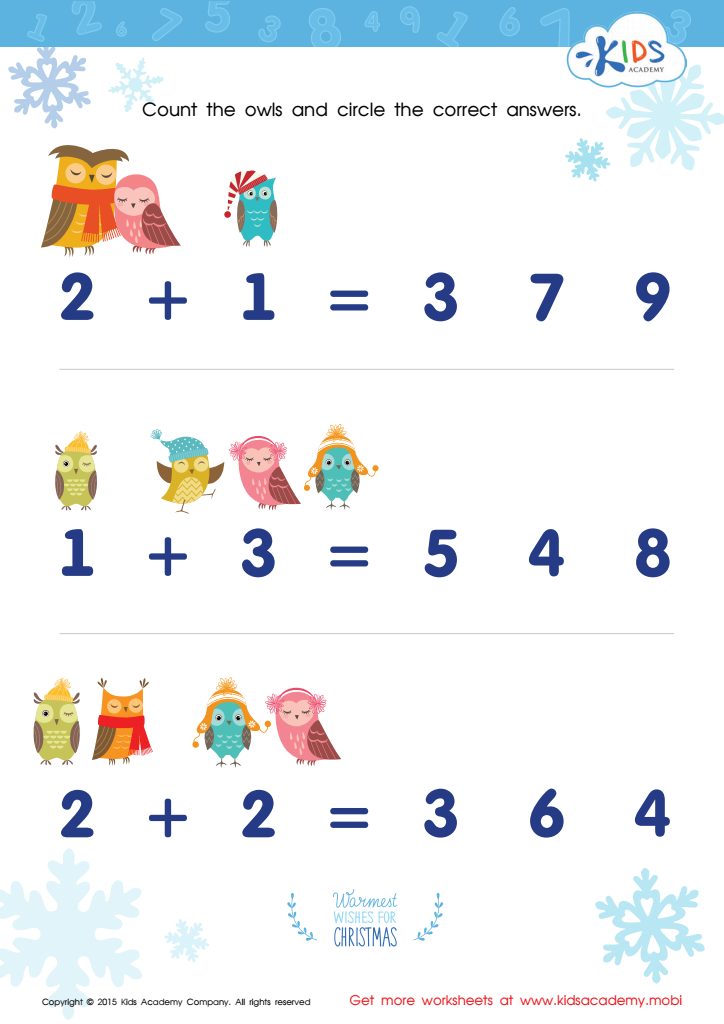
Count Little Owls Worksheet
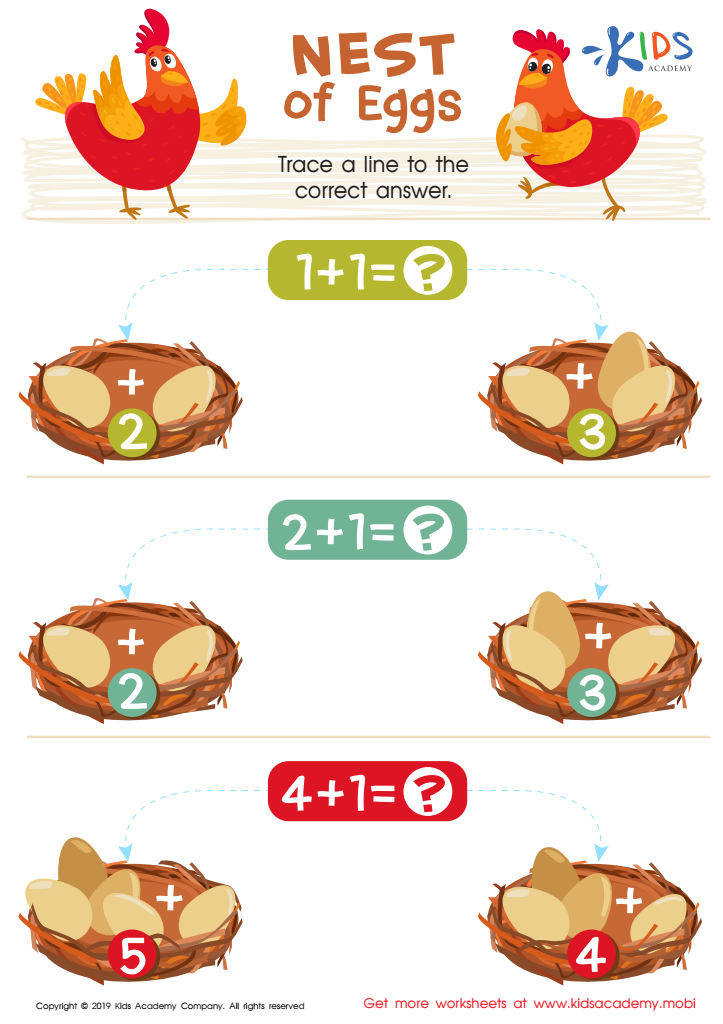
Nest of Eggs Worksheet








Parents and teachers should care about Number Recognition Extra Challenge Addition for Ages 6-7 as it's crucial for building a strong mathematical foundation during these early developmental years. At this age, children are developing fundamental number sense, which includes recognizing numbers, understanding numerical values, and grasping basic addition.
Engaging in extra challenges enhances their cognitive abilities by promoting problem-solving skills, critical thinking, and logical reasoning. It also helps in reinforcing their understanding and recall of basic addition, a gateway for higher arithmetic concepts. These exercises can significantly boost a child's confidence and interest in math by demonstrating that challenges can be fun and rewarding to overcome.
For teachers, incorporating these extra challenges into the curriculum can cater to various learning paces, ensuring that each student is appropriately challenged and supported. For parents, it provides an excellent opportunity to participate in their child's learning journey, fostering a positive, math-friendly atmosphere at home. This encouragement and involvement can make a notable difference in a child's academic performance and attitude towards math.
Ultimately, Number Recognition Extra Challenge Addition equips children with essential skills, preparing them for more complex math concepts they will encounter in future grades, ensuring a smoother academic progression and instilling a lifelong love for learning.