Cognitive Development Extra Challenge Worksheets for Ages 6-8 - Page 2
37 filtered results
-
From - To
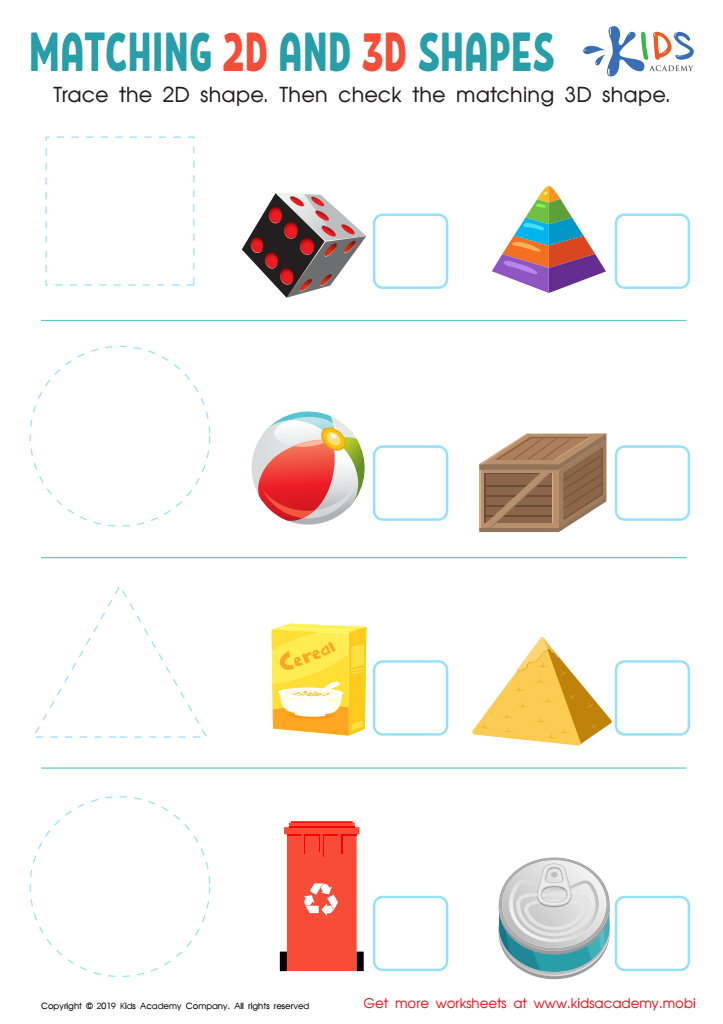
Matching 2D and 3D Shapes Worksheet
 Assign to My Students
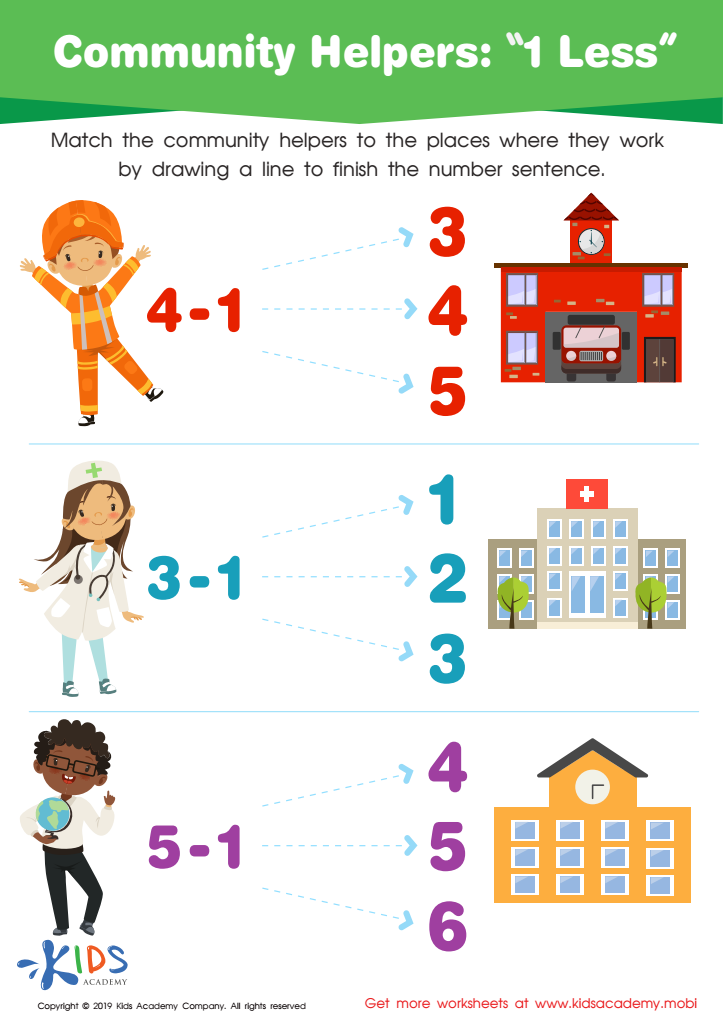
Community Helpers: 1 less Worksheet
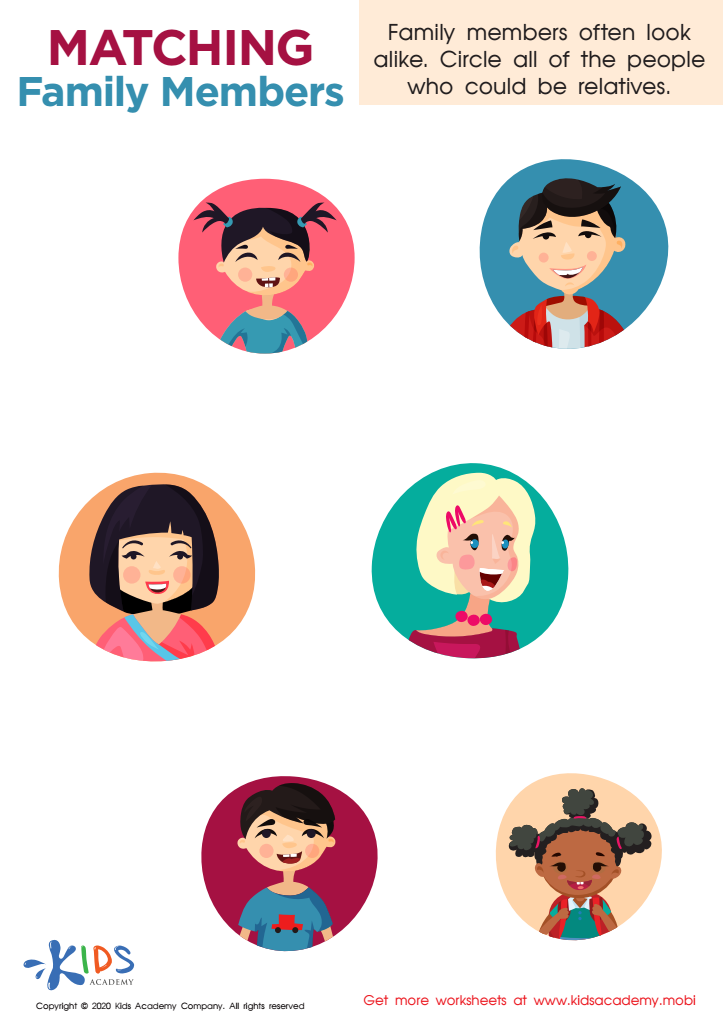
Matching Family Members Worksheet

Pirate Ship Connect Dots Worksheet
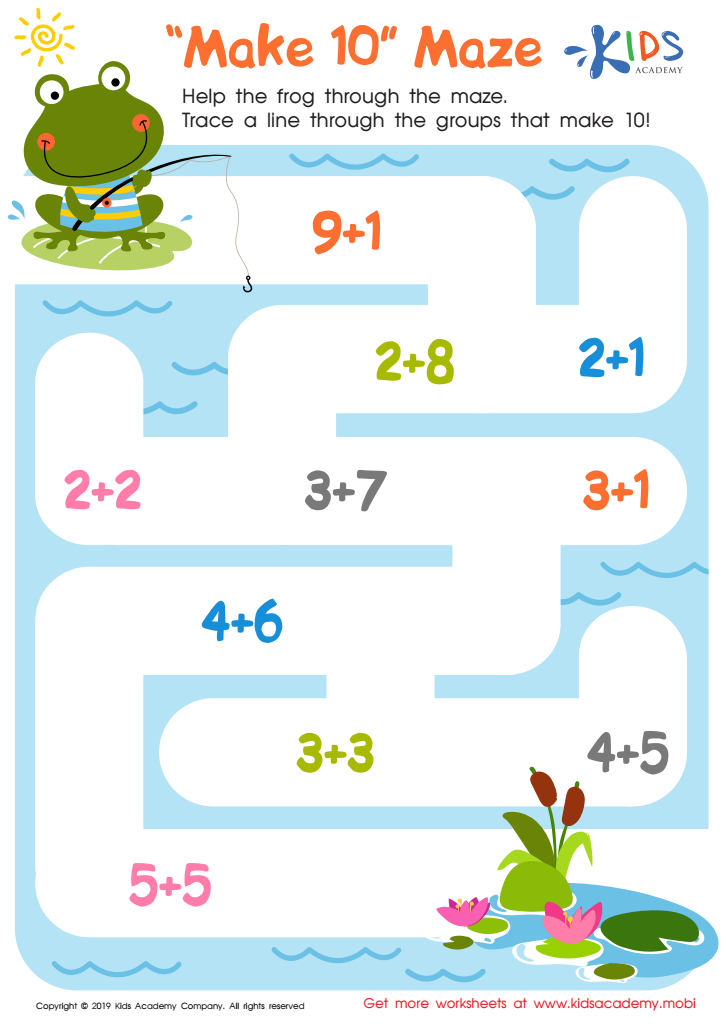
Make 10 Maze Worksheet
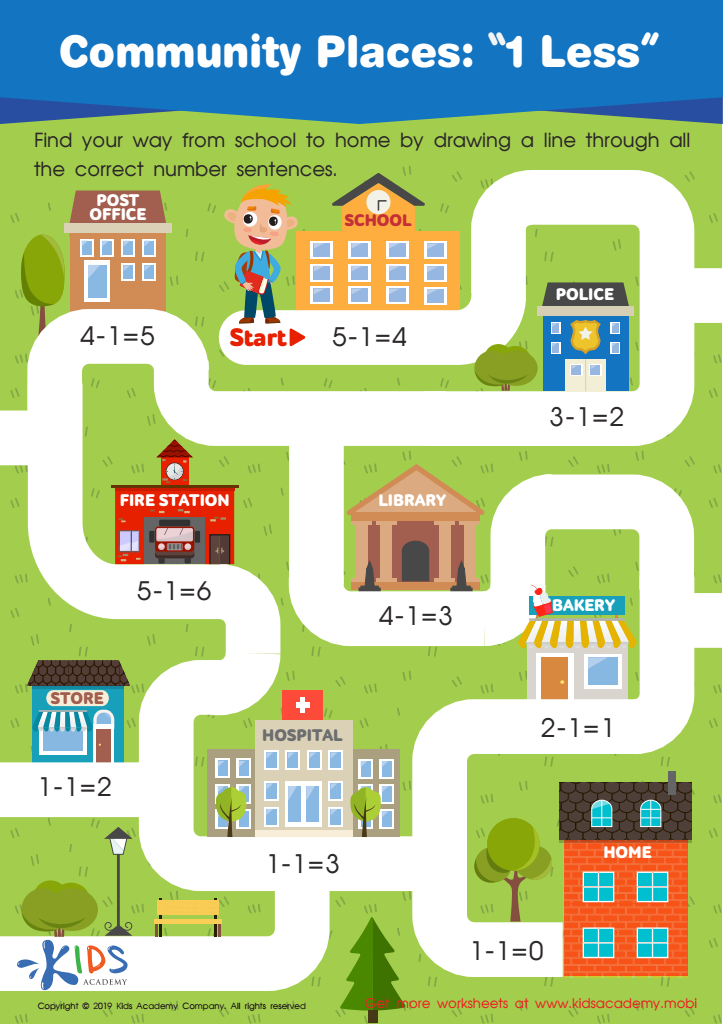
Community Places: 1 Less Worksheet

Jungle Counting Connect Dots Worksheet
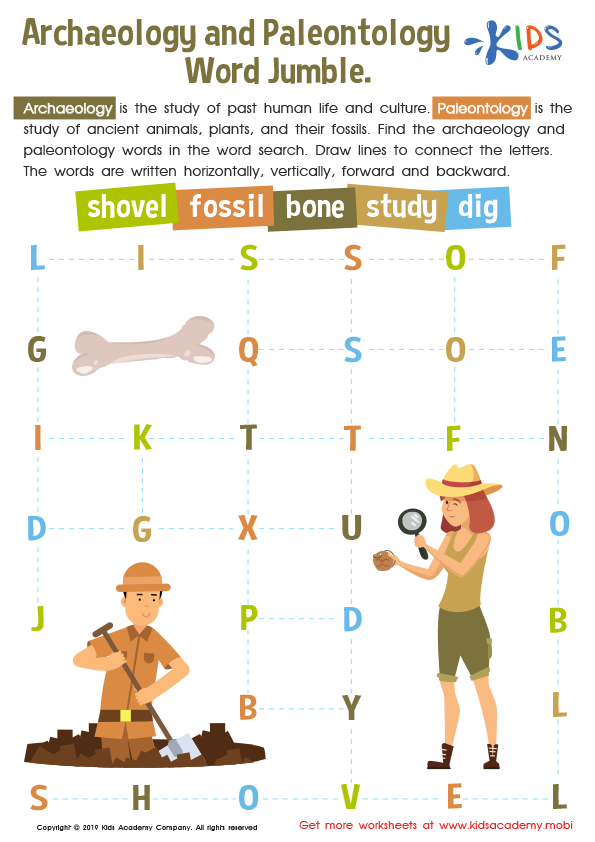
Archaeology and Paleontology Word Jumble Worksheet

Subtract With The Little Penguin Substraction Worksheet
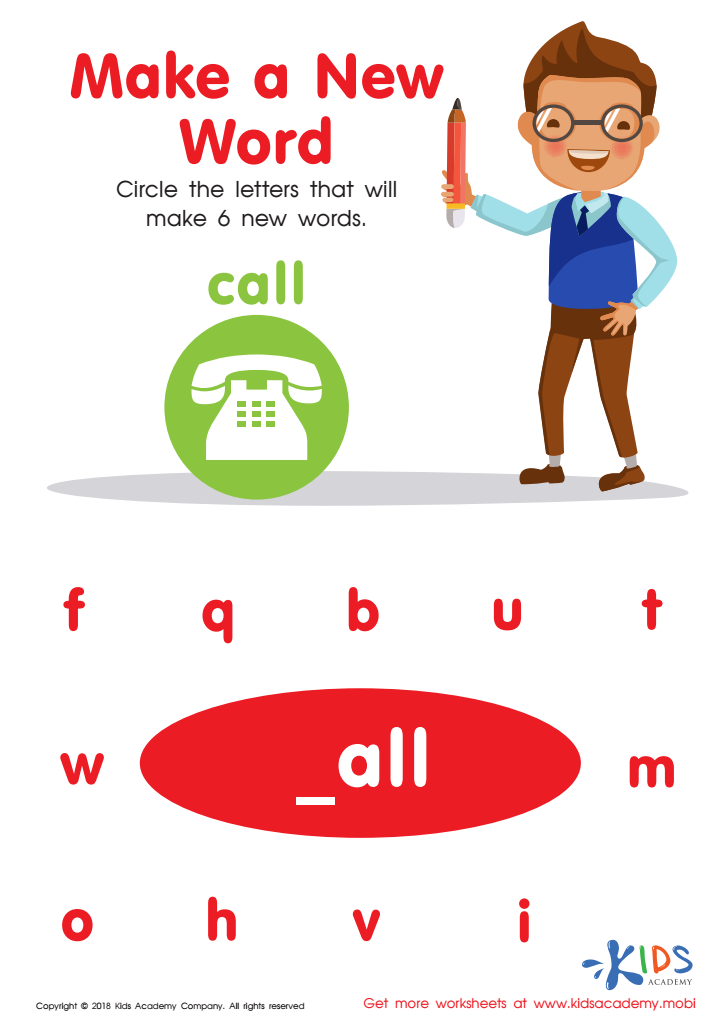
Make a New Word Worksheet

Shapes Worksheet
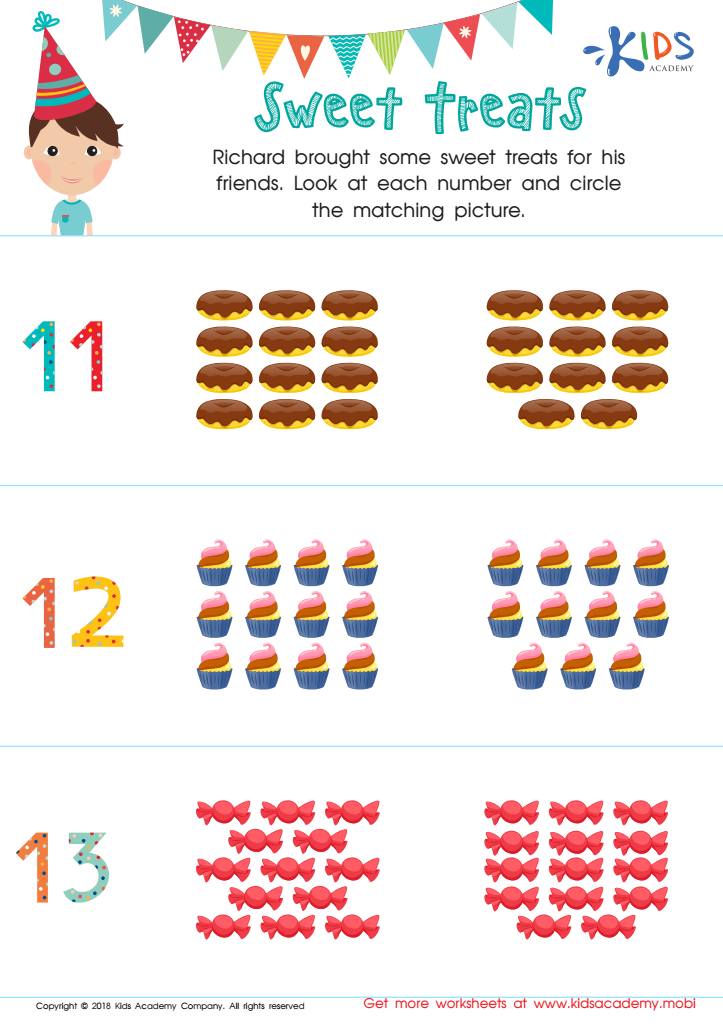
Kindergarten Math Worksheet Matching Numbers

Count and Match: Feed the Animals Worksheet








Cognitive development during ages 6-8 is crucial as this period encompasses significant growth in children's thinking, reasoning, and problem-solving abilities. Enhancing cognitive skills can set a strong foundation for lifelong learning. Parents and teachers should care about providing cognitive development challenges during this critical stage for several reasons.
Firstly, these challenges stimulate intellectual curiosity and encourage independent thinking. Activities such as puzzles, brain teasers, and inquiry-based learning promote critical thinking and help children learn to approach problems systematically.
Secondly, cognitive challenges enhance academic performance. Engaging children with innovative learning experiences in subjects like math, reading, and science fosters an enriched understanding of complex concepts, ultimately boosting their confidence and competence across subjects.
Lastly, addressing cognitive development supports emotional and social skills. Collaboration during problem-solving activities nurtures teamwork, communication, and empathy among peers, fostering a better understanding of different perspectives.
By prioritizing challenging cognitive activities, parents and teachers together can help children develop resilience, adaptability, and a love of learning, equipping them with essential skills for their future academic careers and everyday life. Fostering cognitive growth in this formative stage is an investment in a child's holistic development.








