Fine Motor Skills Extra Challenge Worksheets for Ages 6-8 - Page 2
45 filtered results
-
From - To
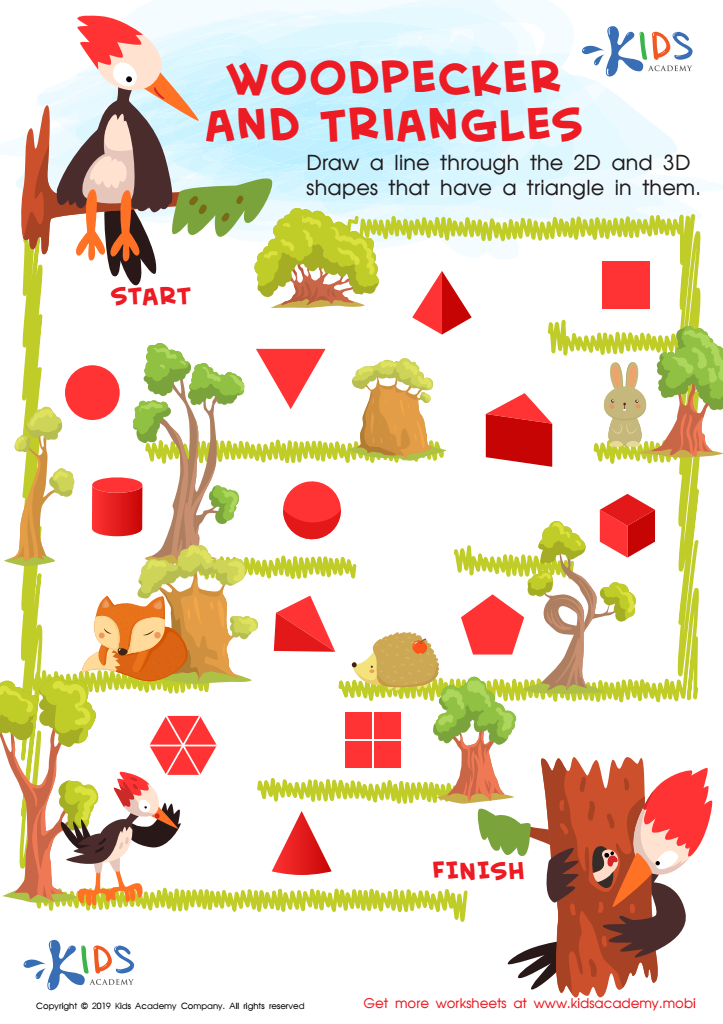
Woodpecker and Triangles Worksheet
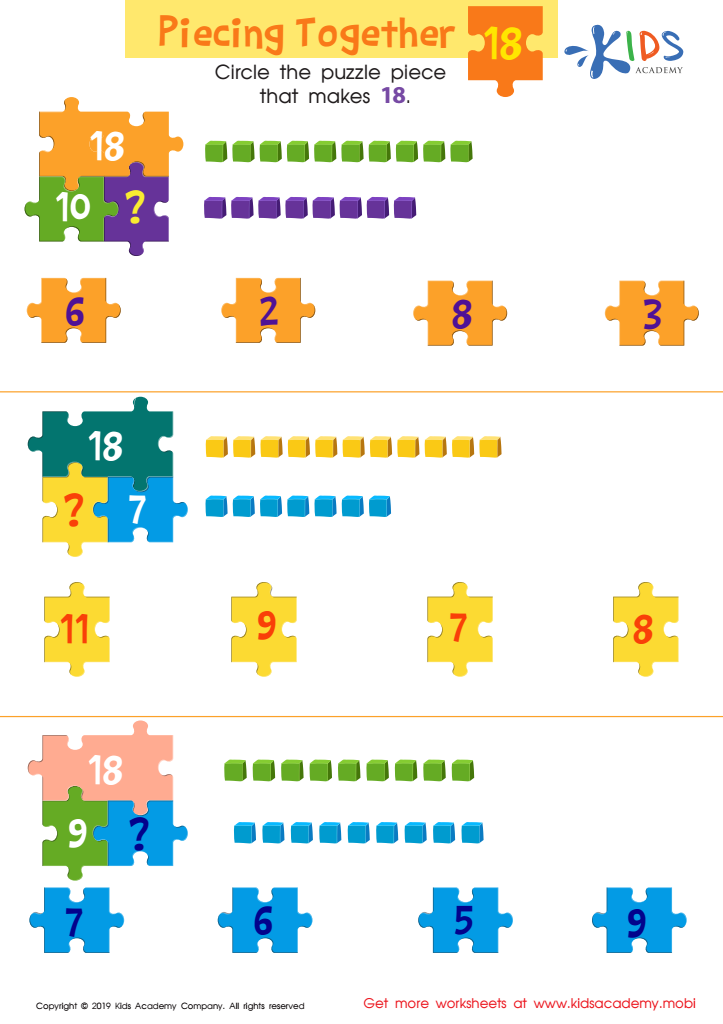
Piecing Together 18 Worksheet

Learn Number For Kindergarten Worksheet
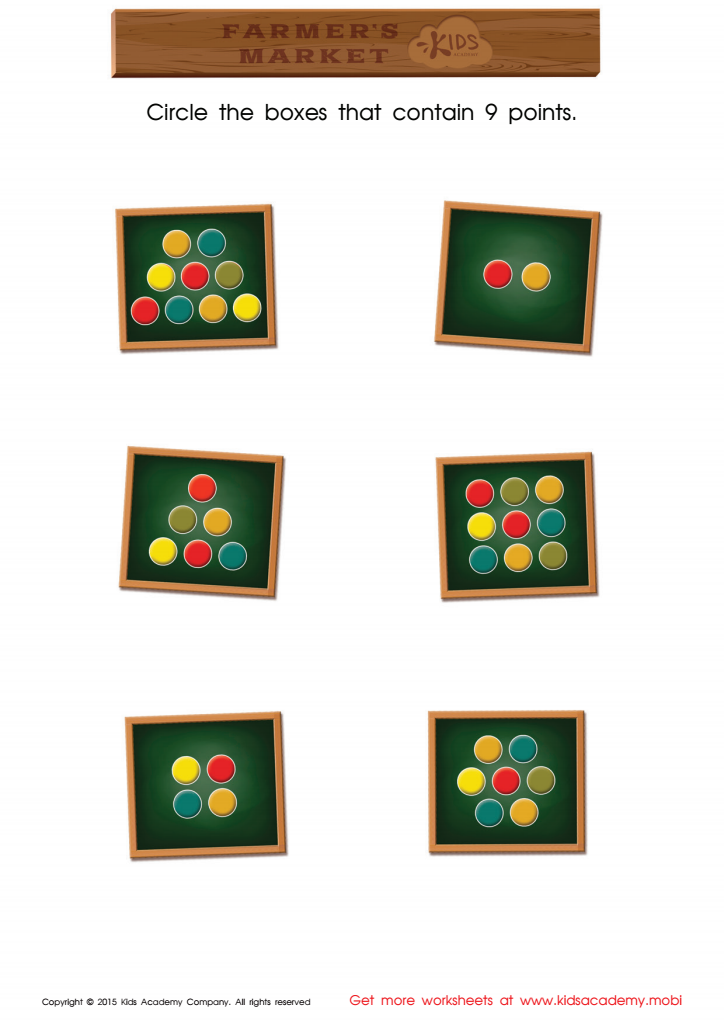
Count and Match Points 9 Math Worksheet
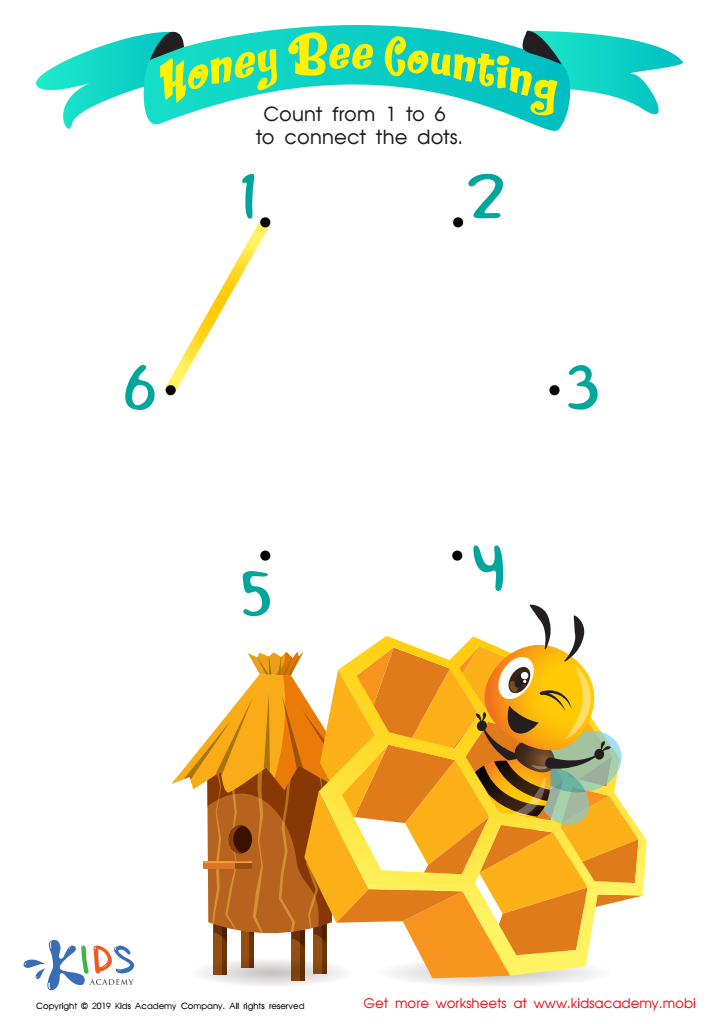
Honey Bee Counting Worksheet

Count Santa's Presents Worksheet
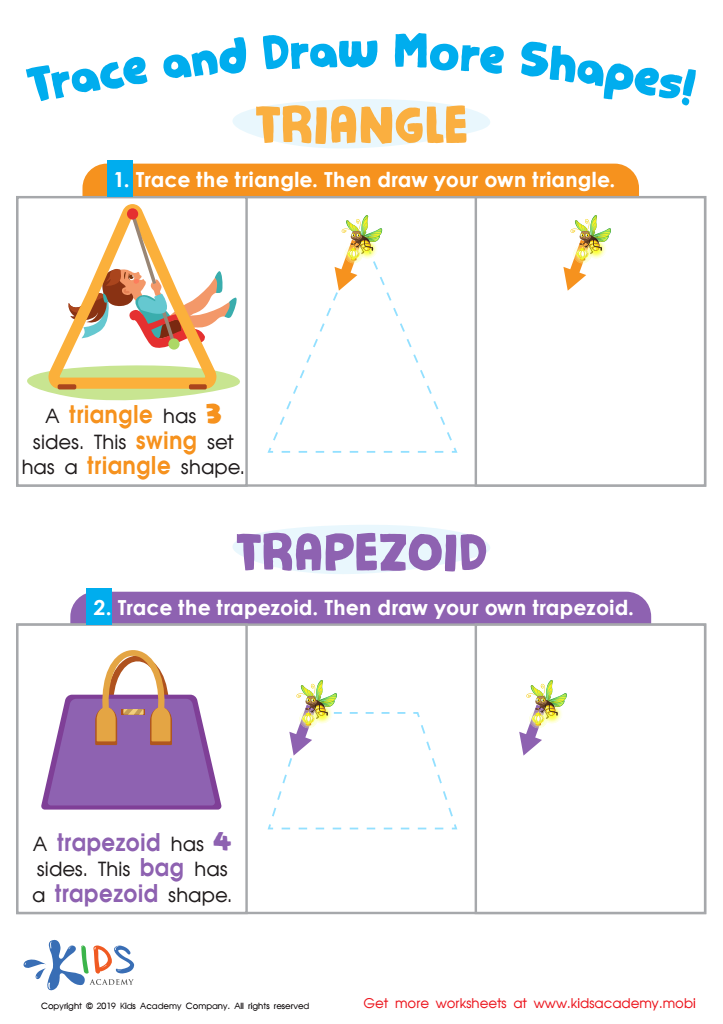
Trace and Draw More Shapes Worksheet
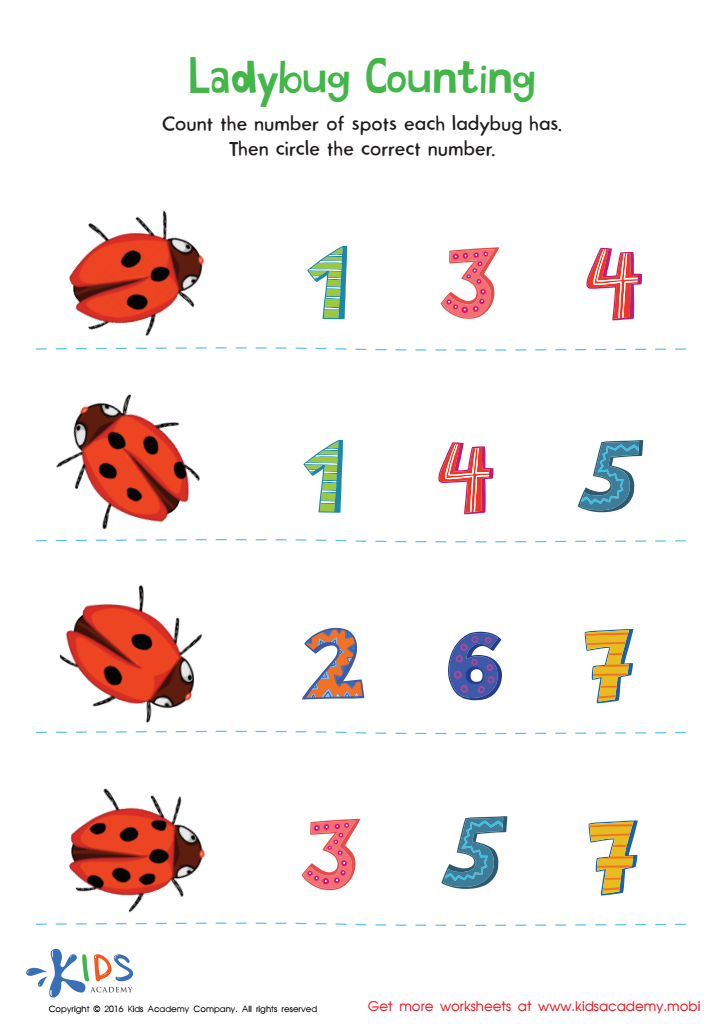
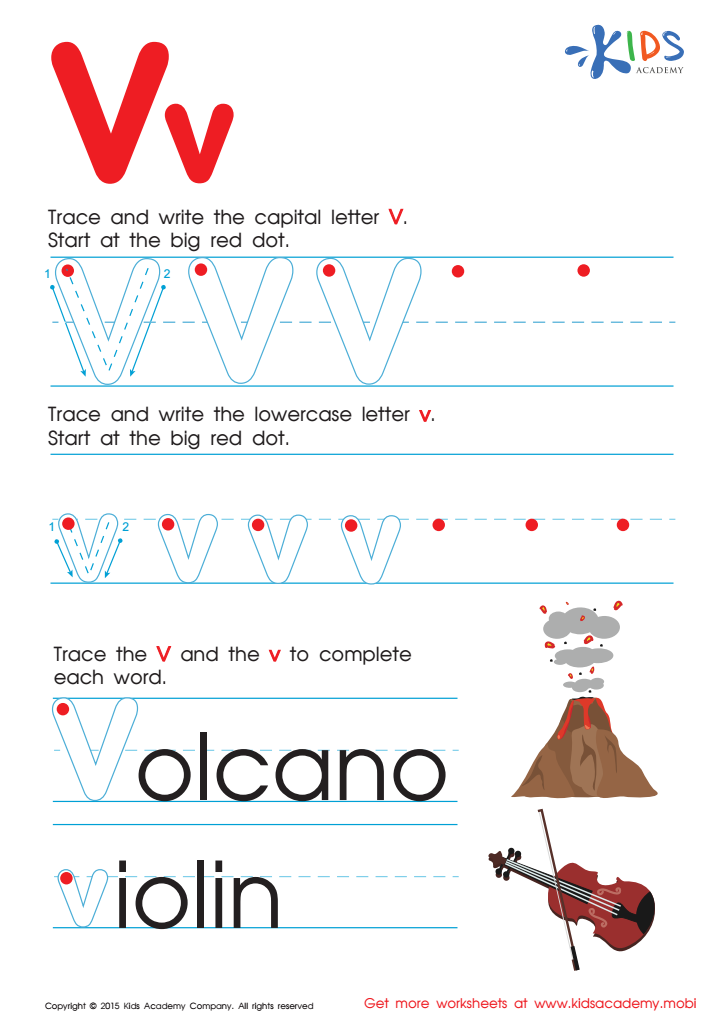
Letter V Tracing Page
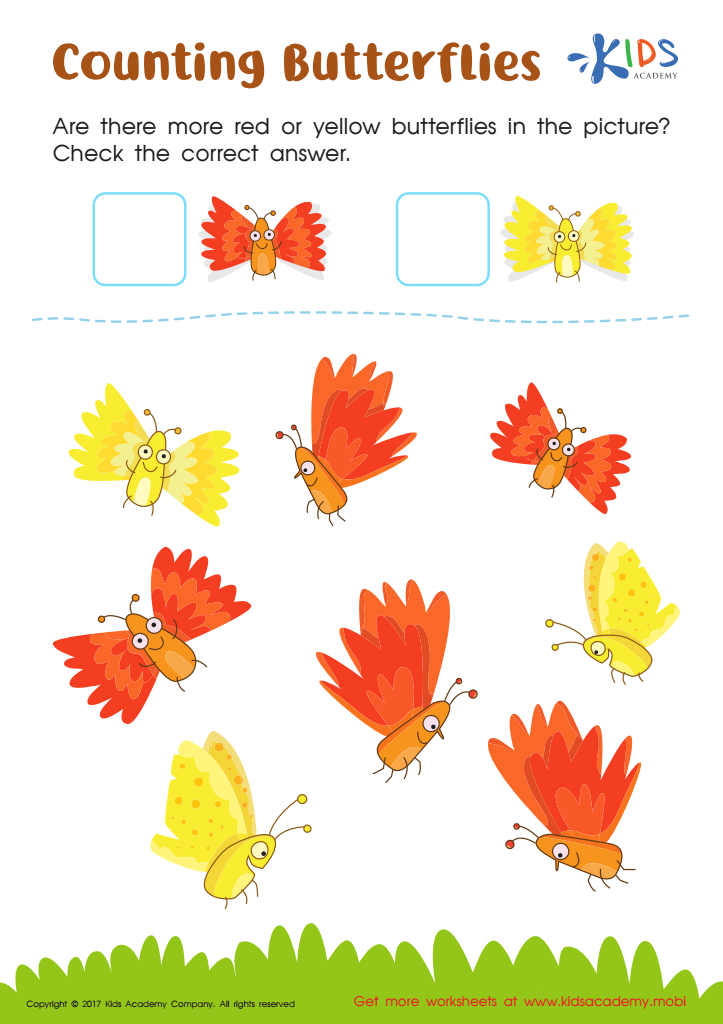
Counting Butterflies Worksheet
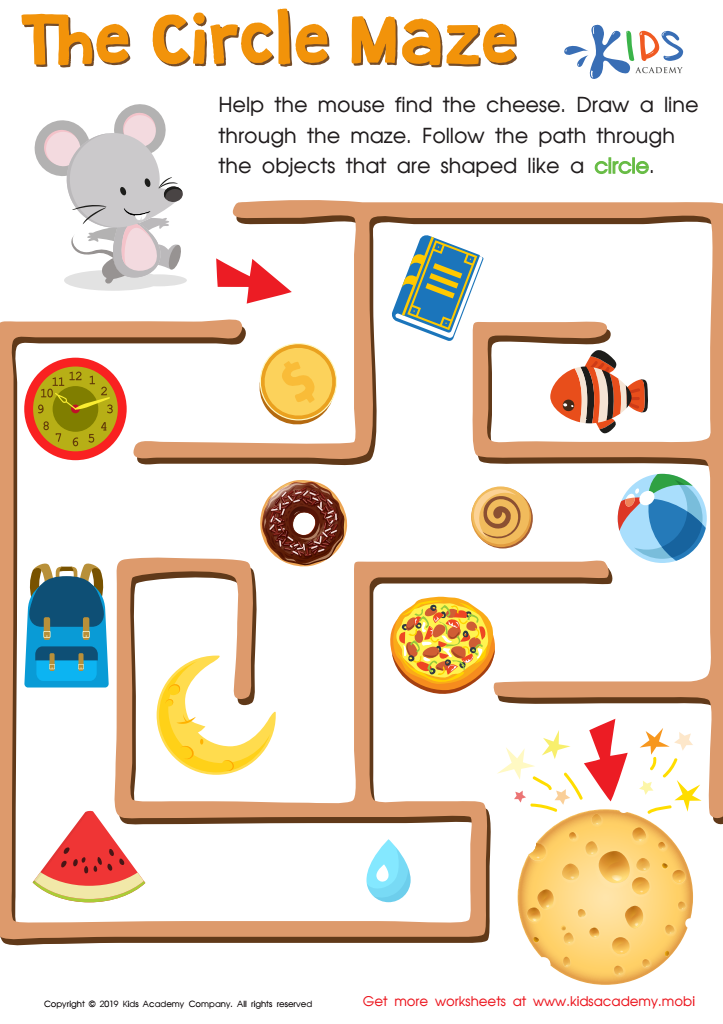
The Circle Maze Worksheet

Santa Claus Tracing Winter Words Worksheet

Pirate Ship Connect Dots Worksheet
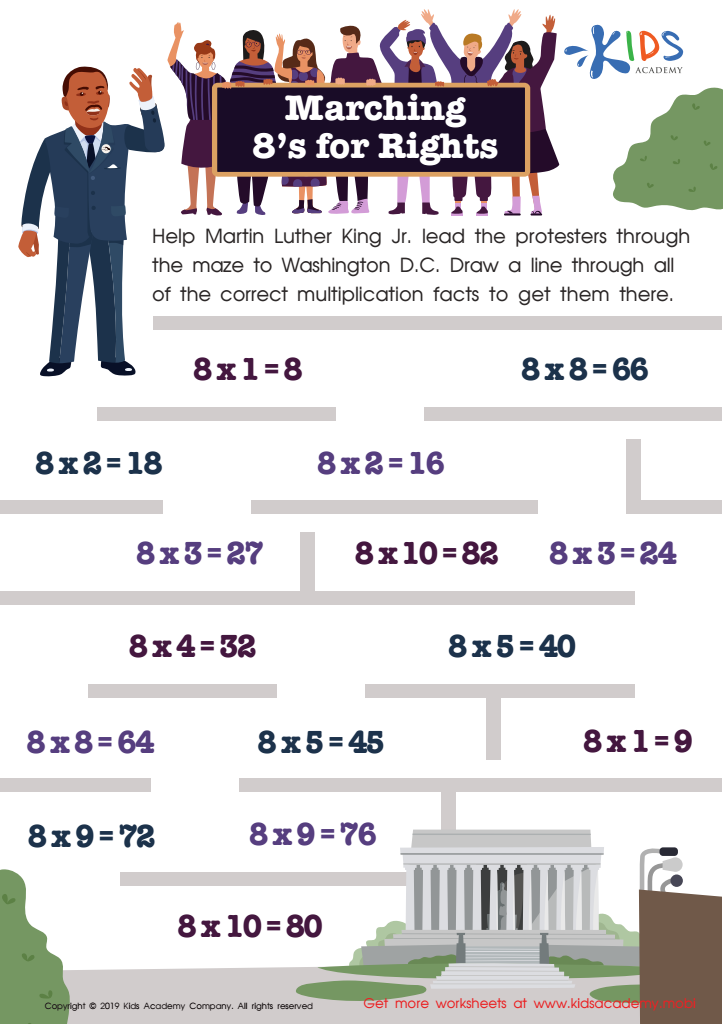
Marching 8’s for Rights Worksheet
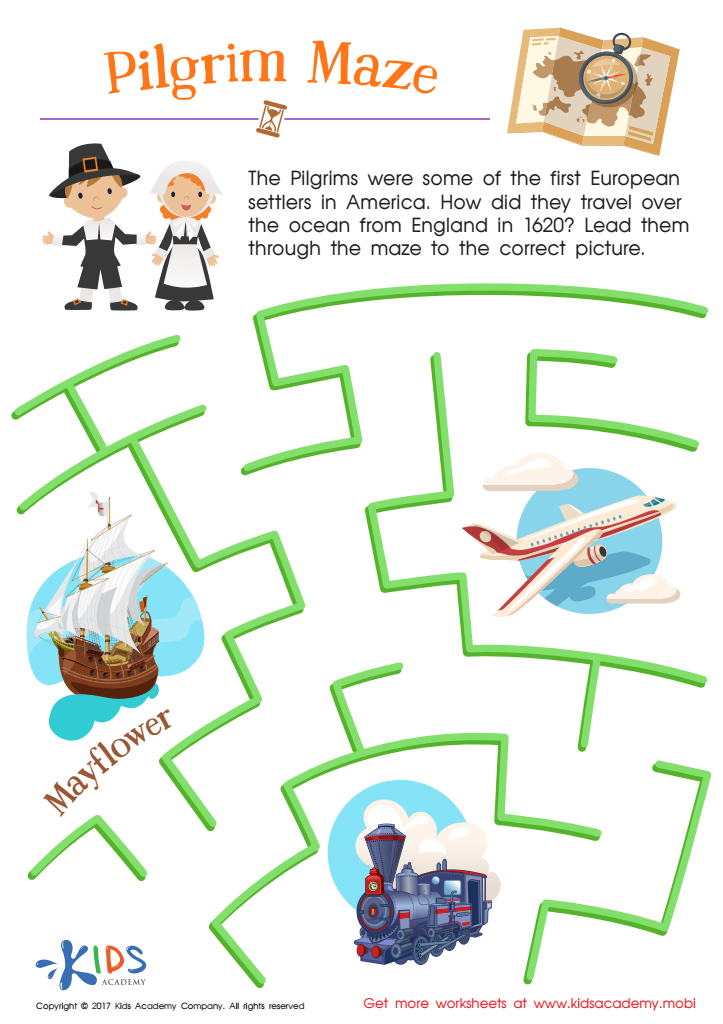
Pilgrim Maze Worksheet
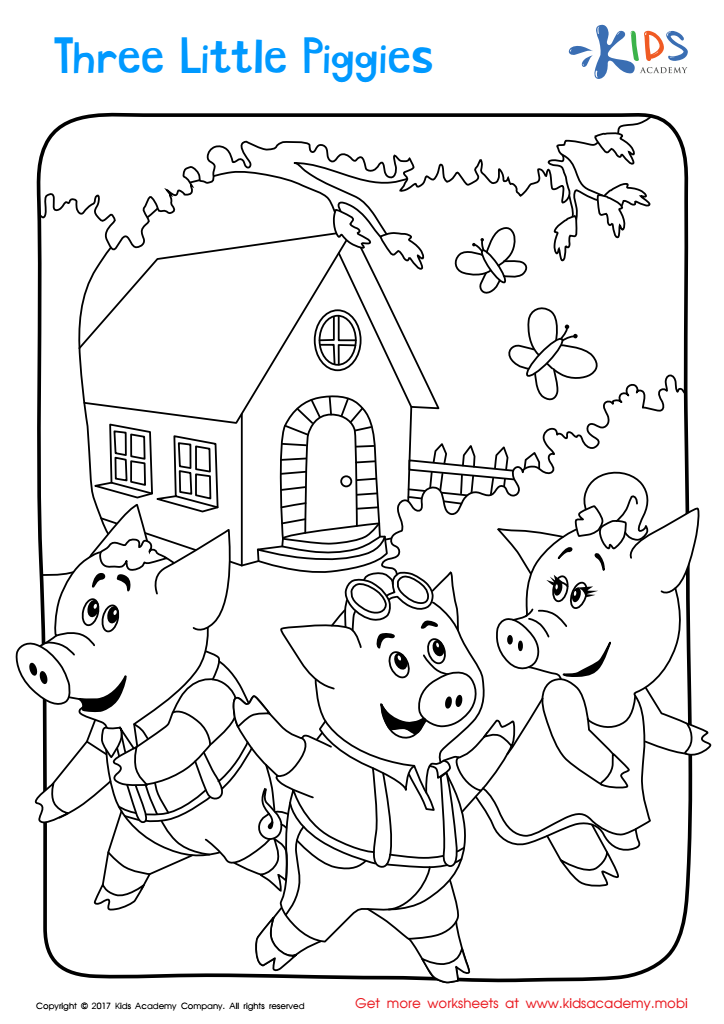
Three Little Piggies Printable Coloring Page
 Assign to My Students
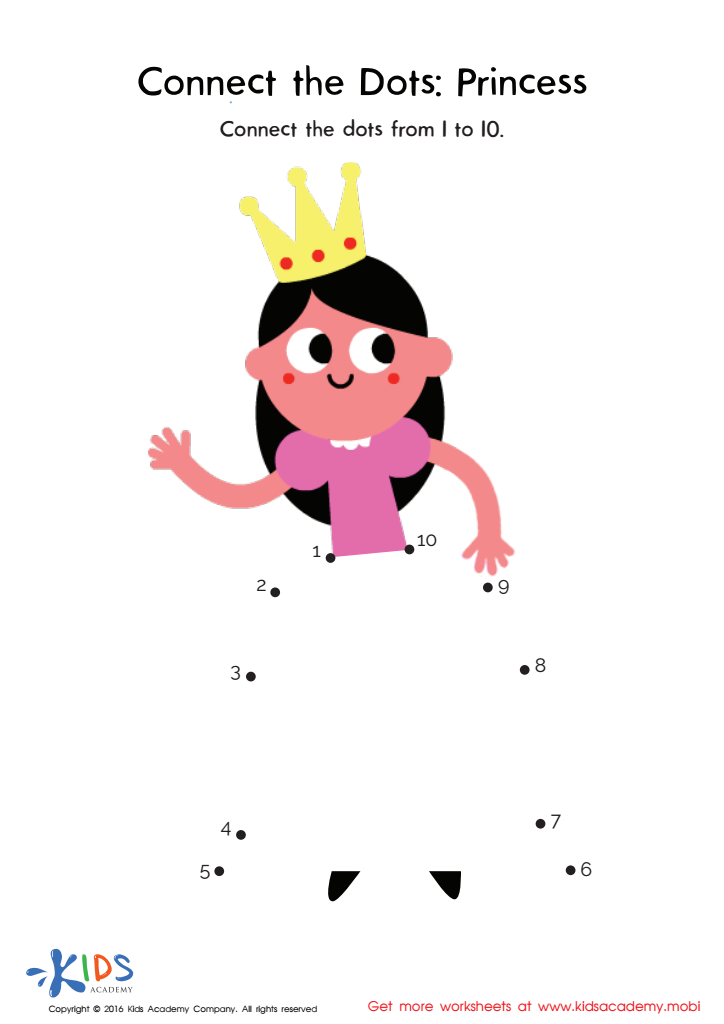
Princess Connect Dots Worksheet
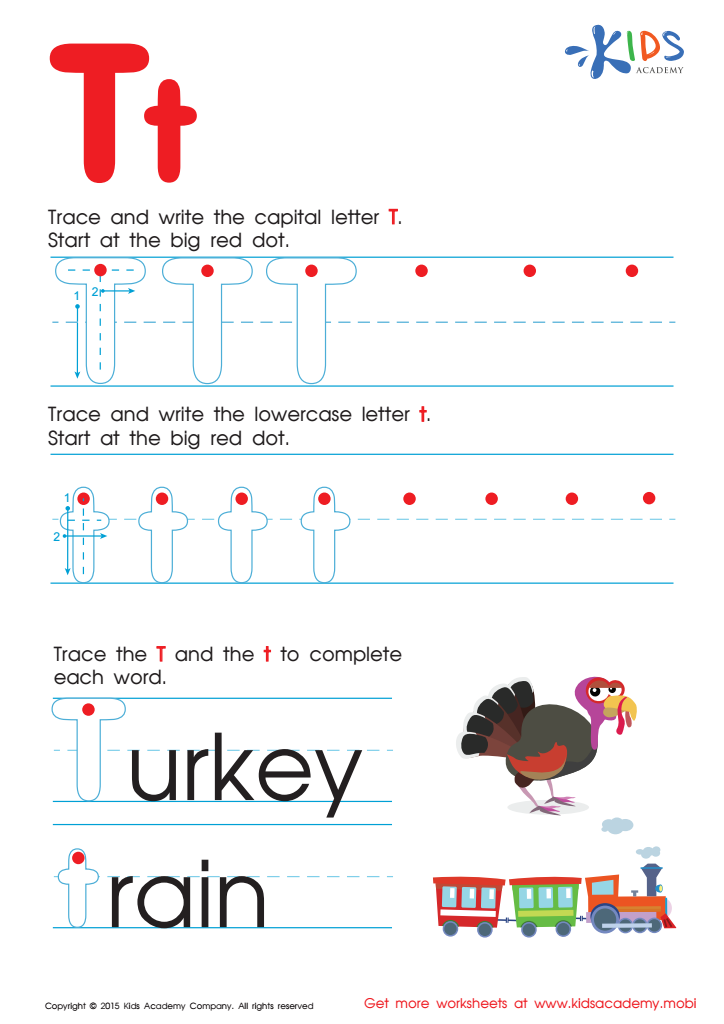
Letter T Tracing Page
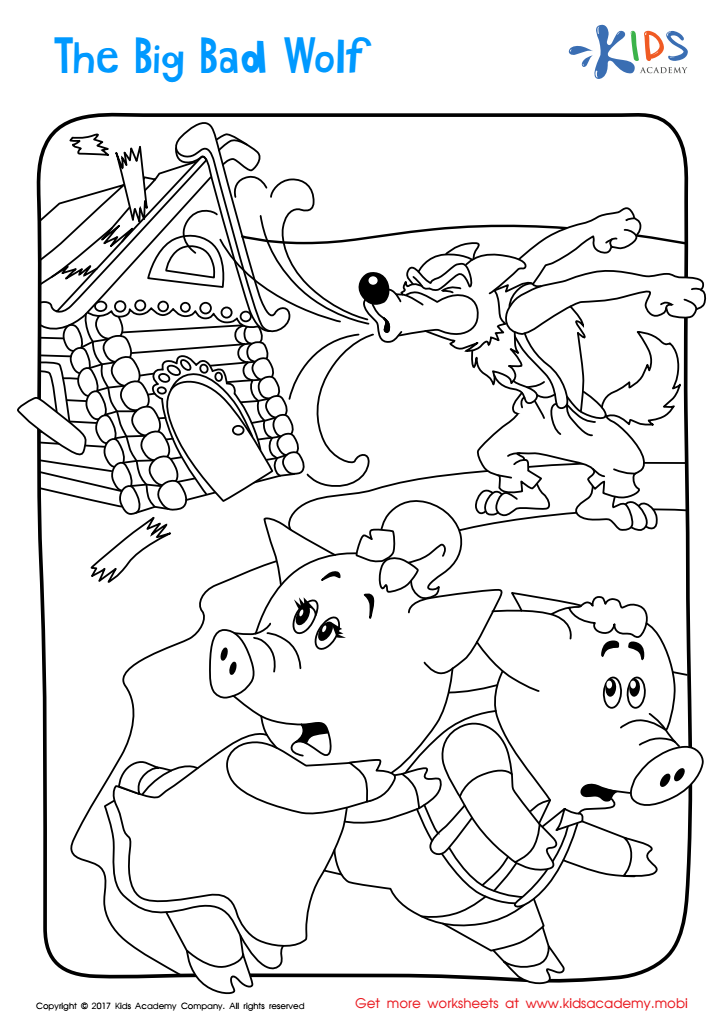
Big Bad Wolf Printable Coloring Page
Assign to My Students
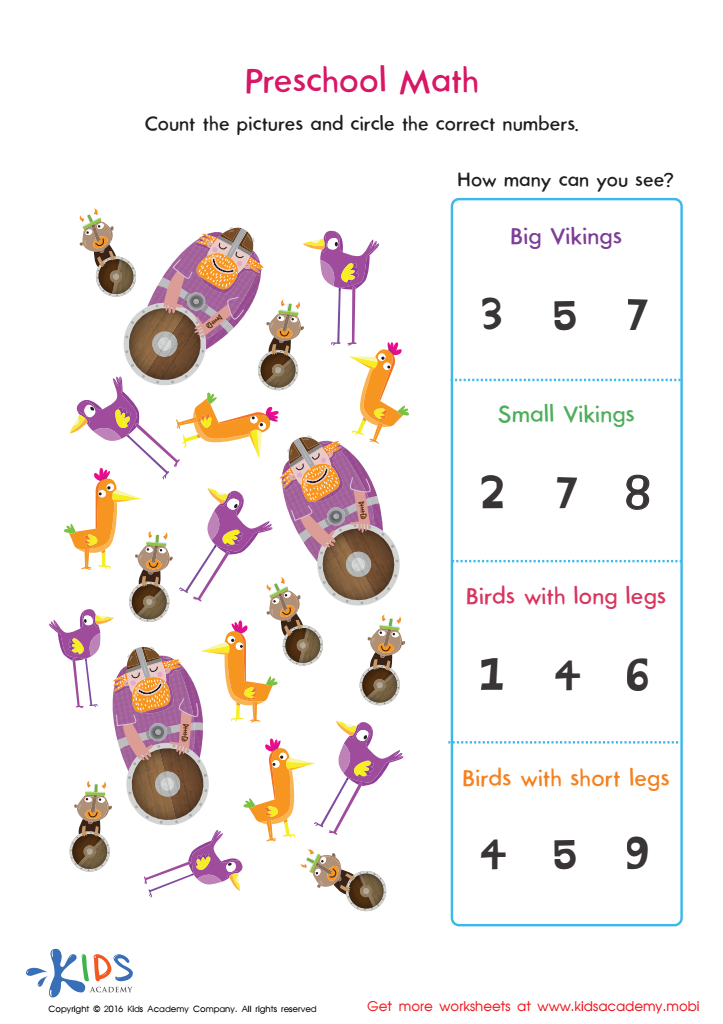
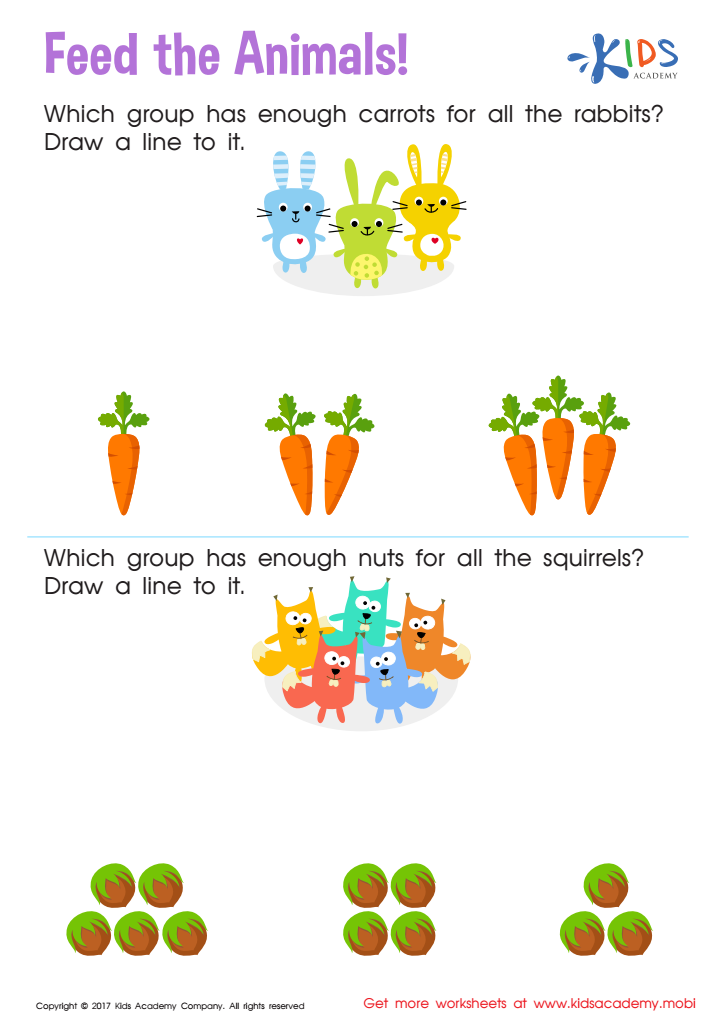
Count and Match: Feed the Animals Worksheet








Fine motor skills are essential for a child's overall development, particularly in the ages of 6-8, when they are honing tasks that require precision and control. Parents and teachers should care about providing extra challenges in this area because fine motor skills impact a child’s ability to complete daily tasks, such as writing, tying shoelaces, or using utensils. Mastery of these skills not only boosts a child's confidence but also facilitates academic success and promotes independence.
Extra challenges can introduce variety and keep children engaged. Activities like cutting with scissors, crafting, or manipulating small objects encourage practice and enhance dexterity. Furthermore, improving fine motor skills can have positive effects on cognitive development, linking physical actions with mental processing, improving focus, and enhancing coordination.
Incorporating extra challenges can help identify any skill gaps early on, allowing for timely intervention and support. This proactive approach empowers children and fosters a growth mindset, promoting resilience and a love for learning. Ultimately, prioritizing fine motor skill development can lead to improved self-esteem, increased productivity, and a smoother transition into more complex tasks as children grow. Supporting this critical aspect of development helps lay the foundation for success both in school and everyday life.








