Understanding fractions Extra Challenge Addition & Subtraction Worksheets for Ages 6-8
4 filtered results
-
From - To
Unlock your child’s math potential with our "Understanding Fractions Extra Challenge Addition & Subtraction Worksheets for Ages 6-8." These fun, engaging worksheets expand fundamental fraction concepts while boosting addition and subtraction skills. Perfect for young learners, each worksheet is designed to challenge and inspire, ensuring comprehensive understanding through practice. Tailored specifically for ages 6-8, these resources provide a strong mathematical foundation and foster critical thinking. Ideal for classroom or at-home use, our worksheets make learning fractions enjoyable and effective. Watch your child grow confident with numbers and equip them with essential tools for future math success!
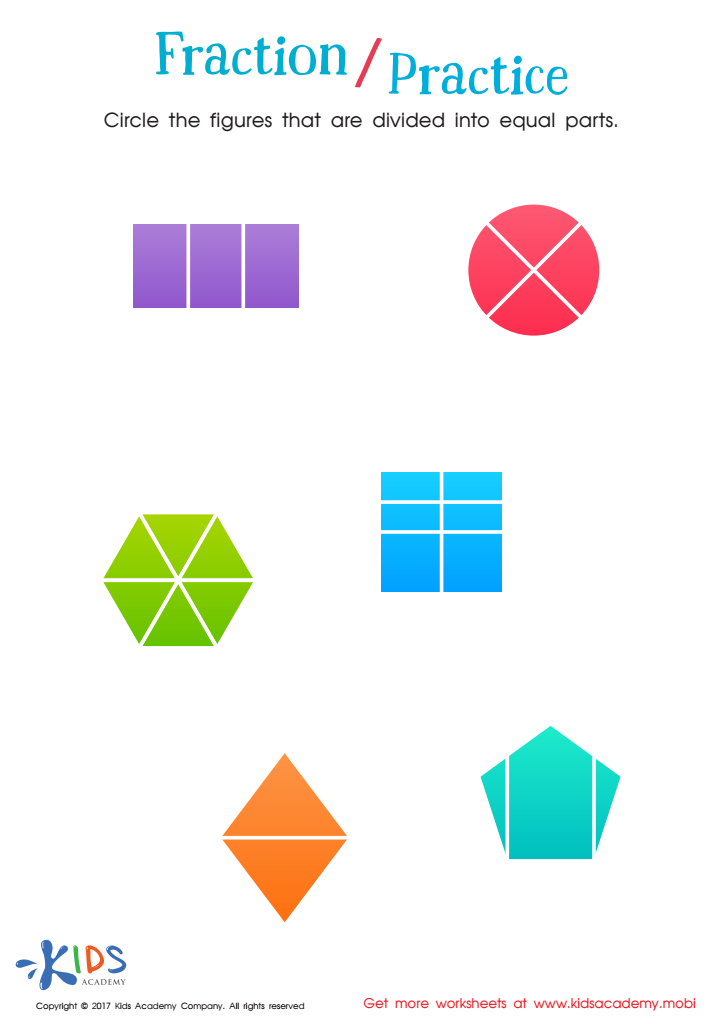
Fractions: Shapes Worksheet
 Assign to My Students
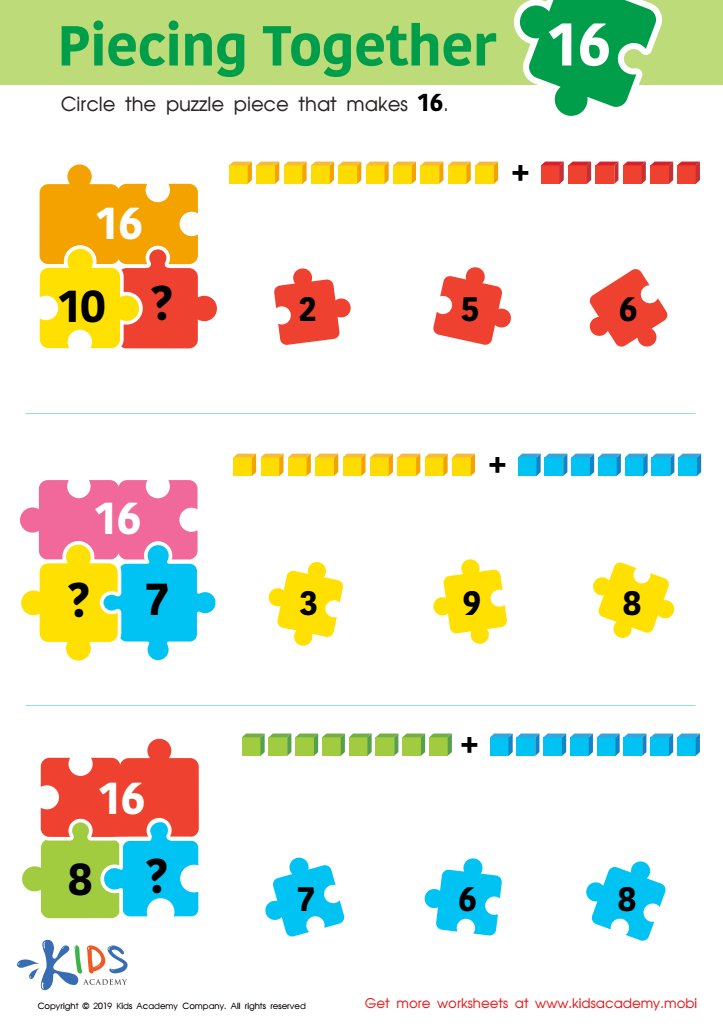
Piecing Together 16 Worksheet
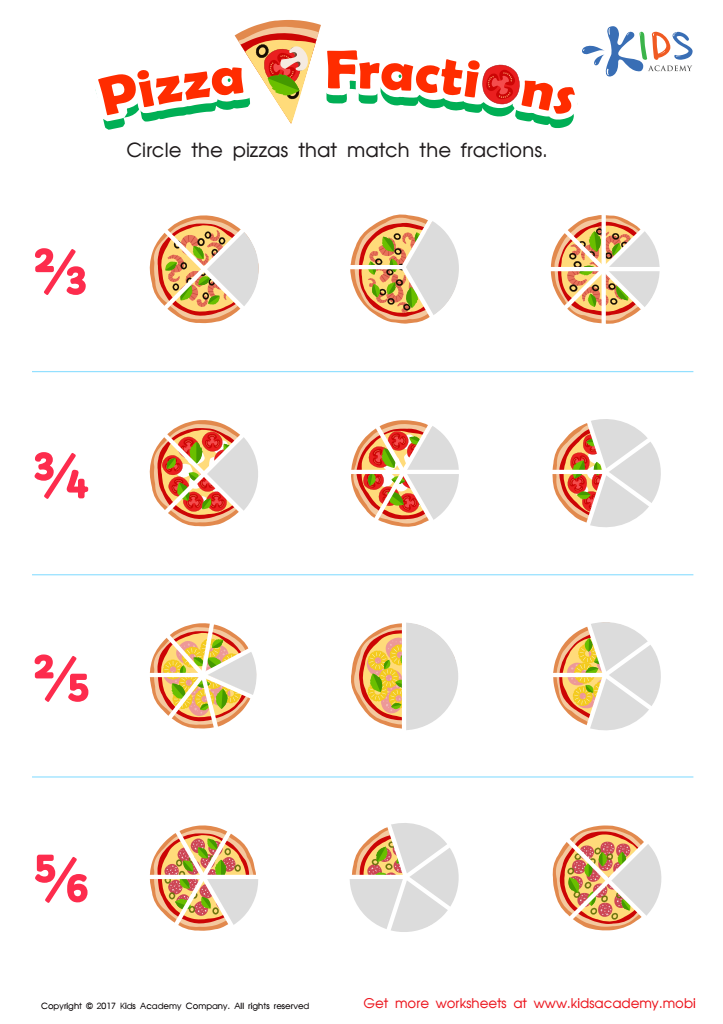
Fractions: Pizza Printable
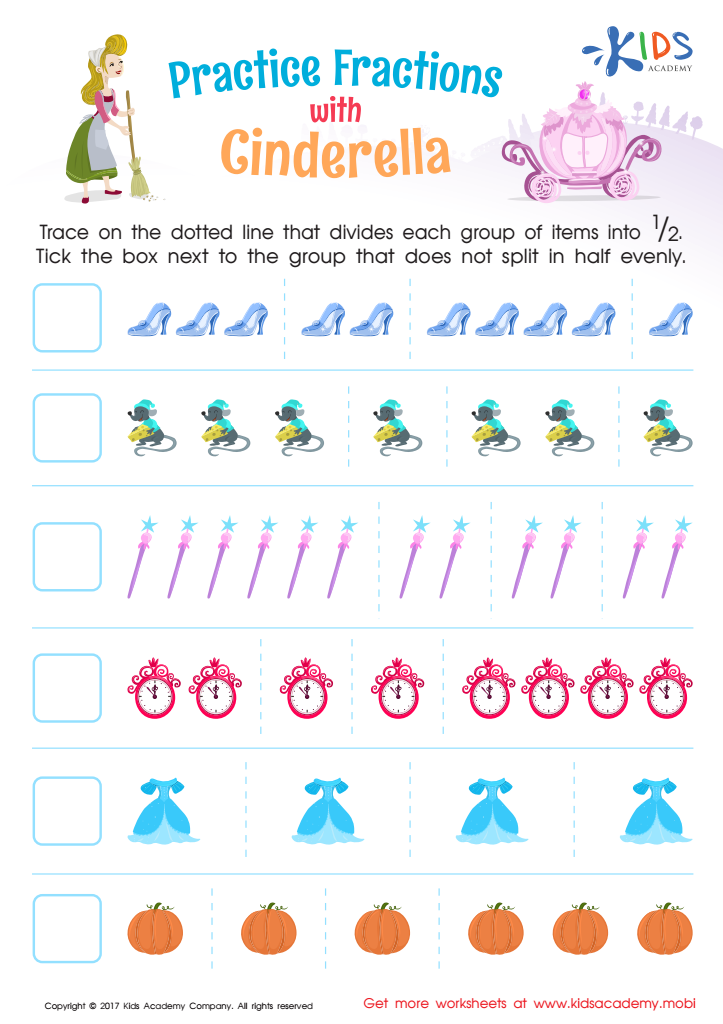
Fractions: Cinderella Printable








Understanding fractions at an early age is crucial, and the "Extra Challenge Addition & Subtraction for Ages 6-8" can play a vital role in this learning development. Fractions are foundational to numerous advanced mathematical concepts, such as ratios, percentages, and algebra. By incorporating extra challenges focused on addition and subtraction of fractions, children can develop strong numerical and problem-solving skills early on.
Engaging with these exercises enables children to grasp the idea that numbers do not always come in whole quantities, which is essential for their overall numerical literacy. Practicing these concepts through addition and subtraction builds their familiarity and confidence, ensuring they are well-prepared for more complex math in later years.
Parents' and teachers' involvement in this learning process is equally important. When they support children with these challenges, it creates a positive and encouraging learning environment. Their praise and guidance can significantly strengthen a child’s mathematical mindset and motivation. Additionally, this involvement allows parents and teachers to identify any learning gaps and address them promptly.
By prioritizing the understanding and application of fraction operations, we not only advance children's arithmetic skills but also foster an appreciation for math that will benefit their educational journey and daily life problem-solving abilities.








