Problem-Solving Skills Extra Challenge Math Worksheets for Ages 6-8 - Page 3
55 filtered results
-
From - To
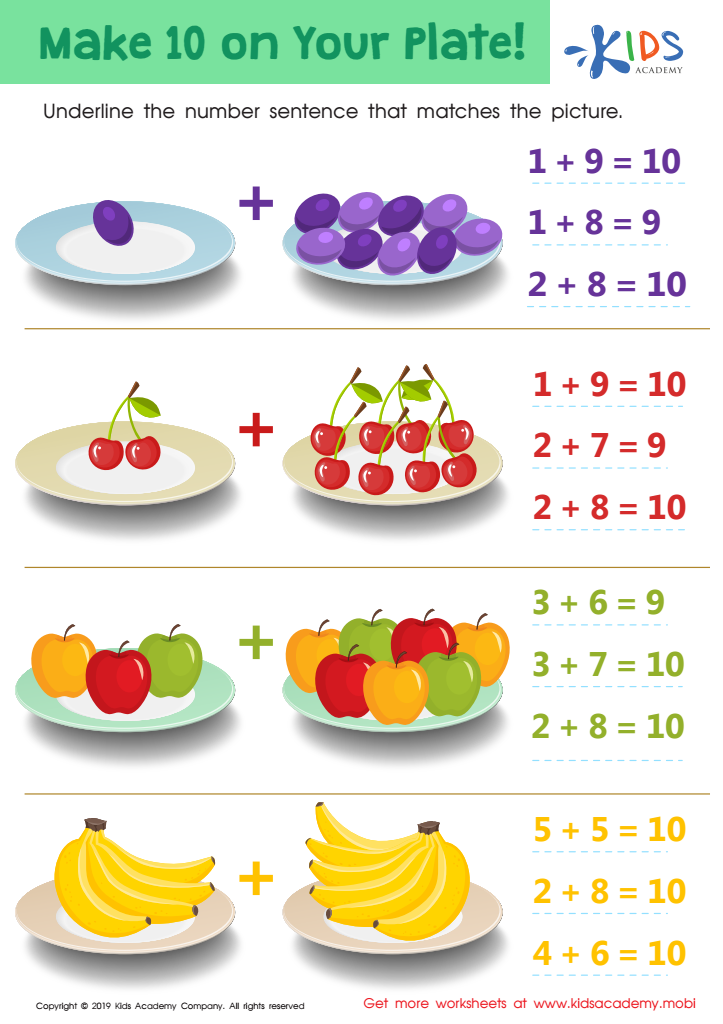
Make 10 on Your Plate! Worksheet
 Assign to My Students
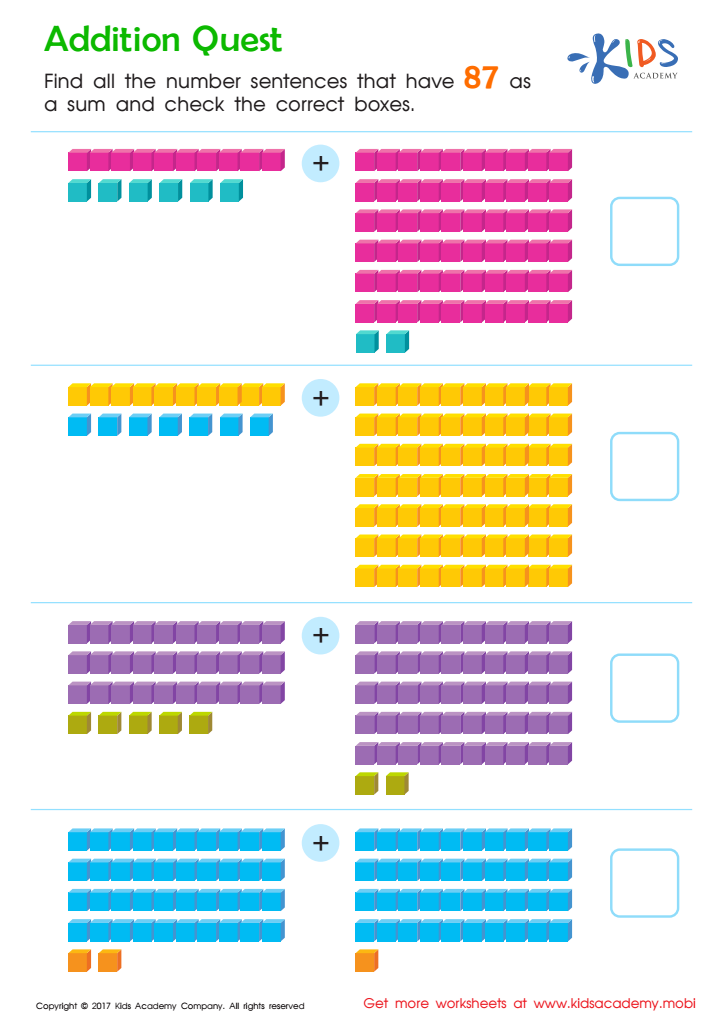
Addition Quest Worksheet: Part 1
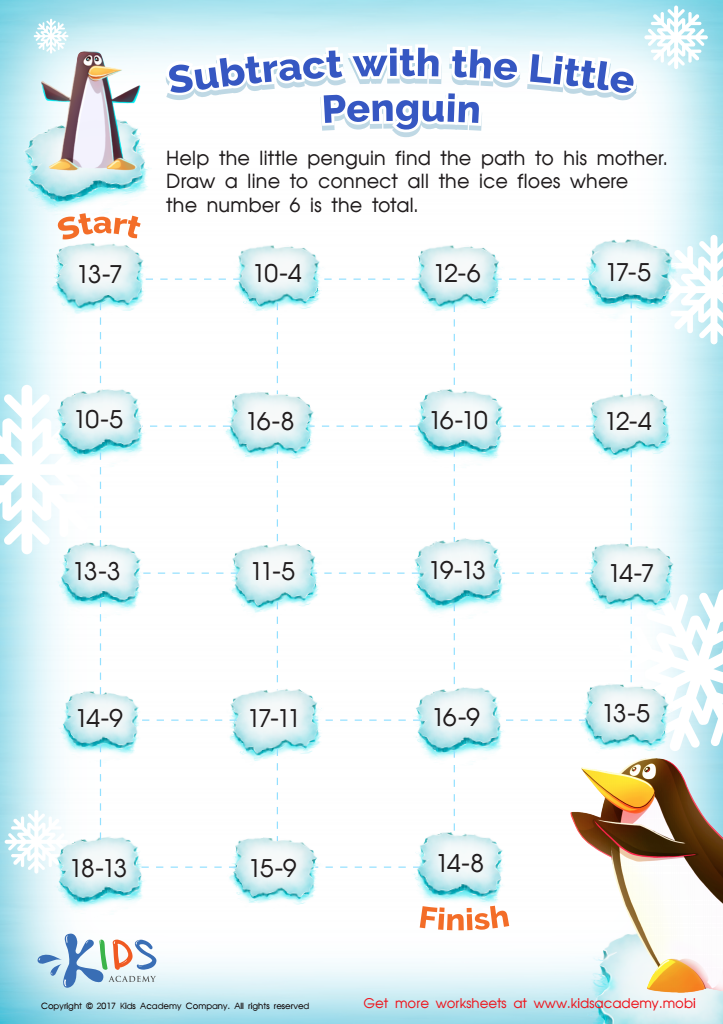
Subtract With The Little Penguin Substraction Worksheet
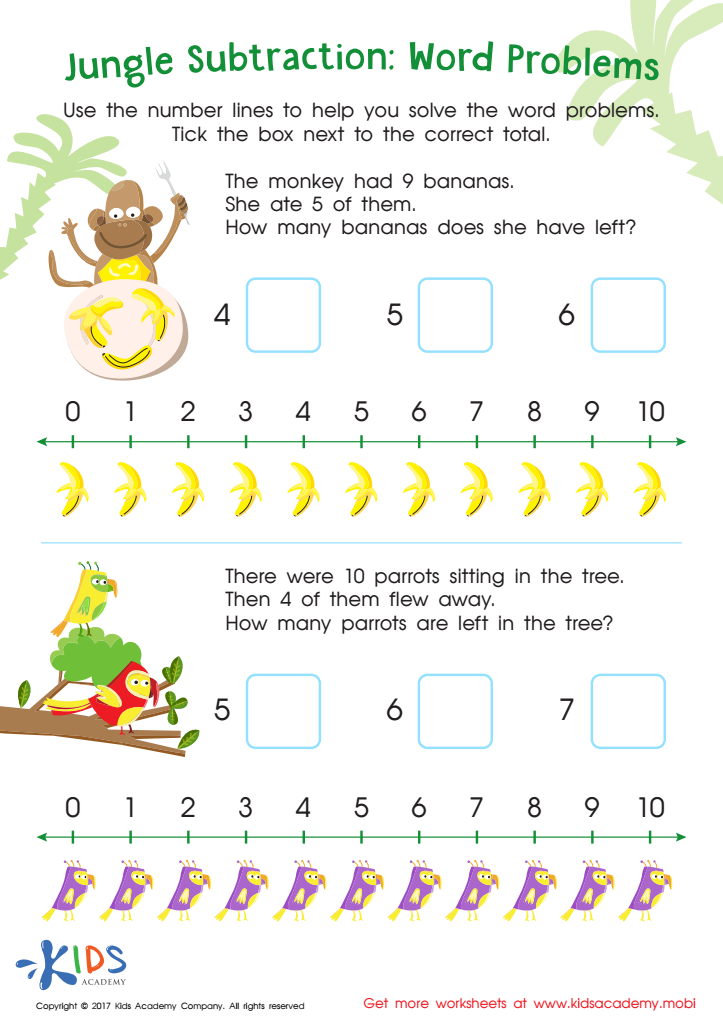
Jungle Subtraction Word Problems Substraction Worksheet
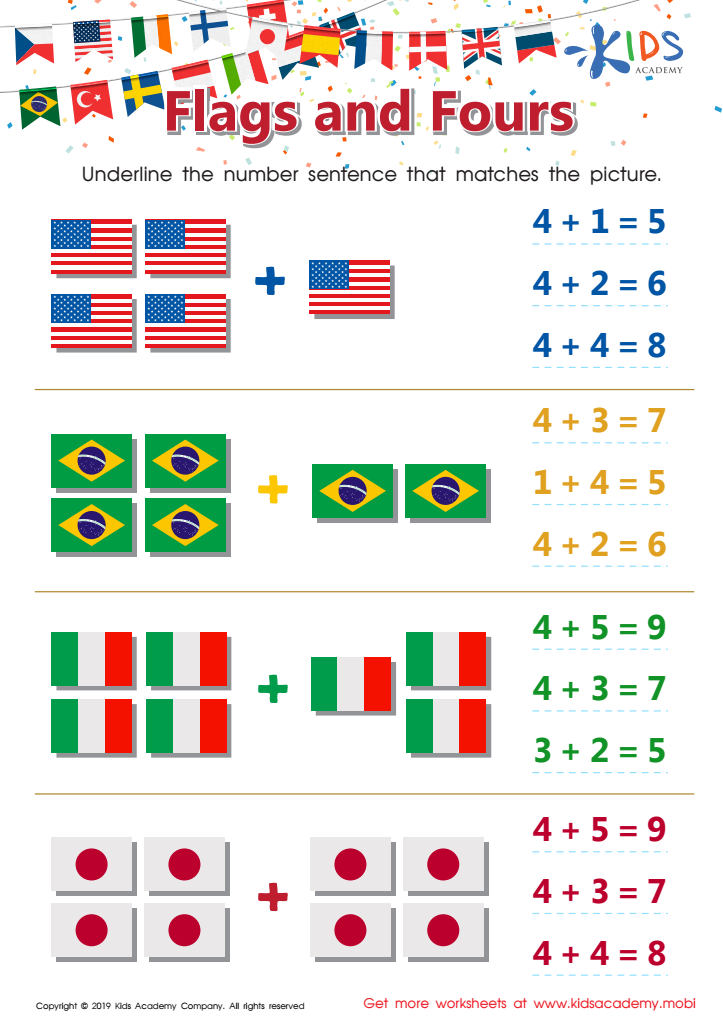
Flags and Fours Worksheet
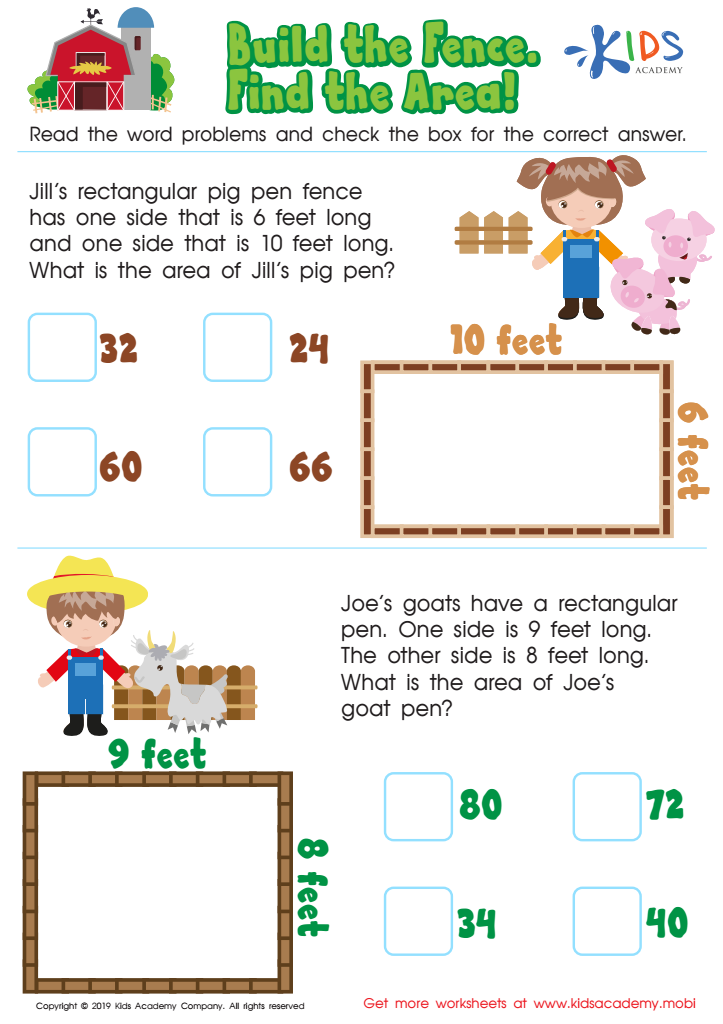
Build the Fence, Find the Area Worksheet








Integrating extra problem-solving skills into the math curriculum for ages 6-8 is crucial for several reasons. Firstly, problem-solving helps young students to develop critical thinking skills. It encourages them to approach challenges from multiple angles and to perservere through difficulties, fostering a growth mindset. When children learn to solve problems, confidence improves as they realize they can tackle challenging tasks.
Additionally, problem-solving activities promote logical reasoning and the ability to link concepts, enhancing overall cognitive abilities. At this early age, the brain is highly impressionable, making it the perfect time to lay the foundation for more advanced learning.
Moreover, early exposure to complex problems helps to keep students engaged and interested in mathematics. Traditional rote learning can become monotonous, but through interactive and thought-provoking challenges, math can become an exciting adventure, promoting a lifelong love for the subject.
Furthermore, problem-solving skills are not confined to mathematics; they are transferable to all areas of life, such as reading comprehension and even social interactions, enabling children to navigate through real-world situations with ease and creativity.
In summary, engaging 6- to 8-year-olds in extra problem-solving challenges in math sets them up for academic success, broadens their critical thinking capabilities, and equips them with essential life skills.