Fine Motor Skills Extra Challenge Worksheets for Ages 6-9 - Page 2
45 filtered results
-
From - To
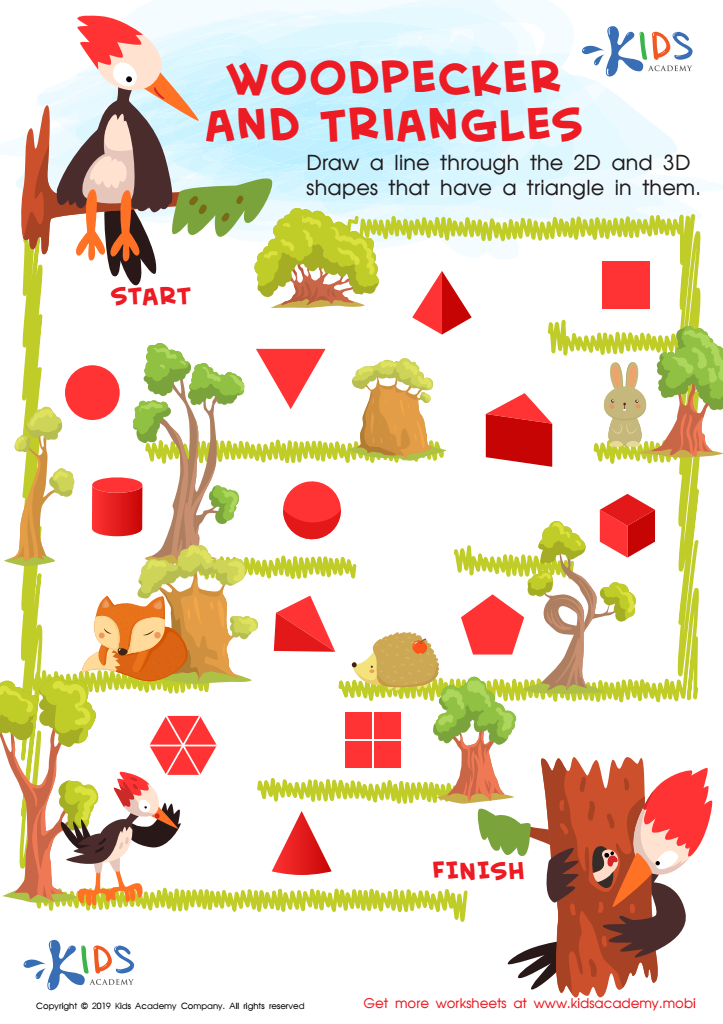
Woodpecker and Triangles Worksheet
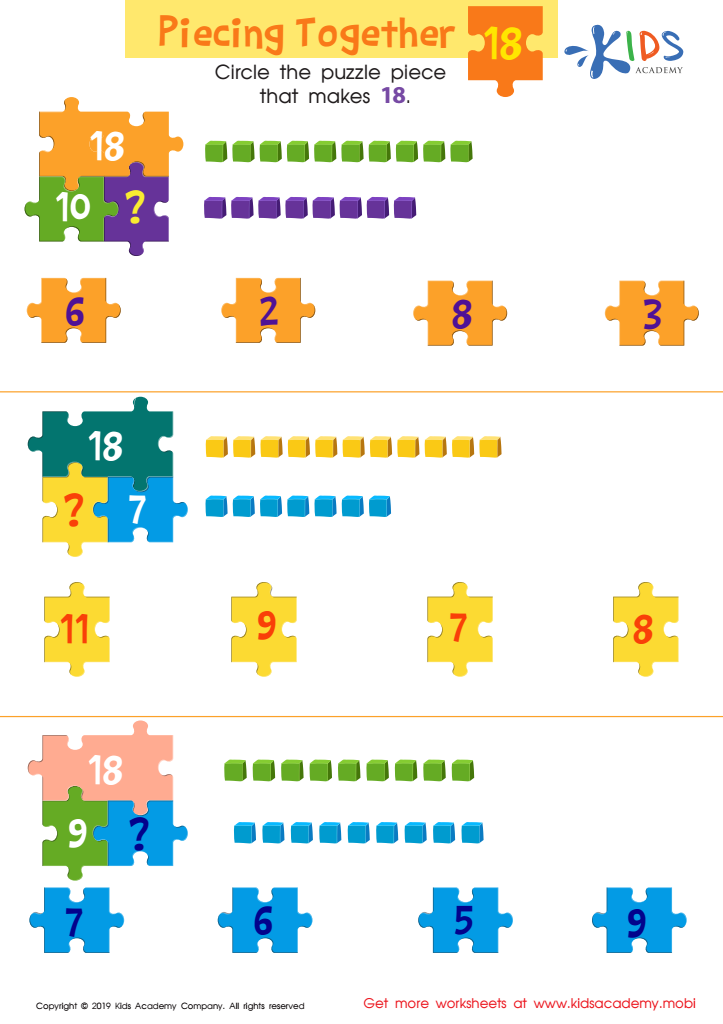
Piecing Together 18 Worksheet

Learn Number For Kindergarten Worksheet
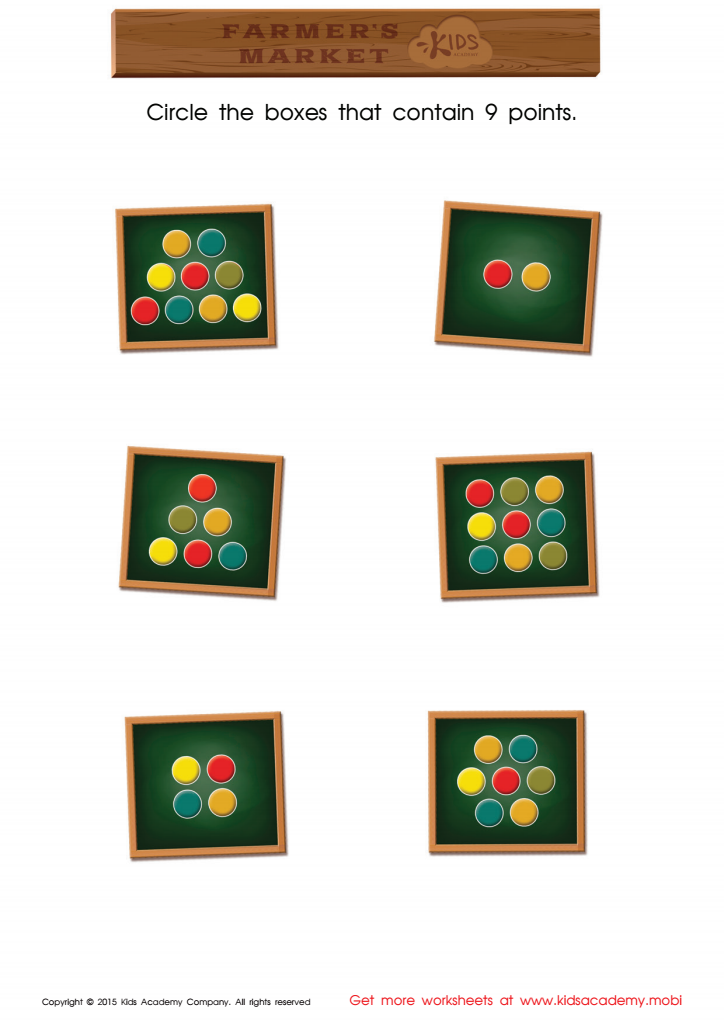
Count and Match Points 9 Math Worksheet
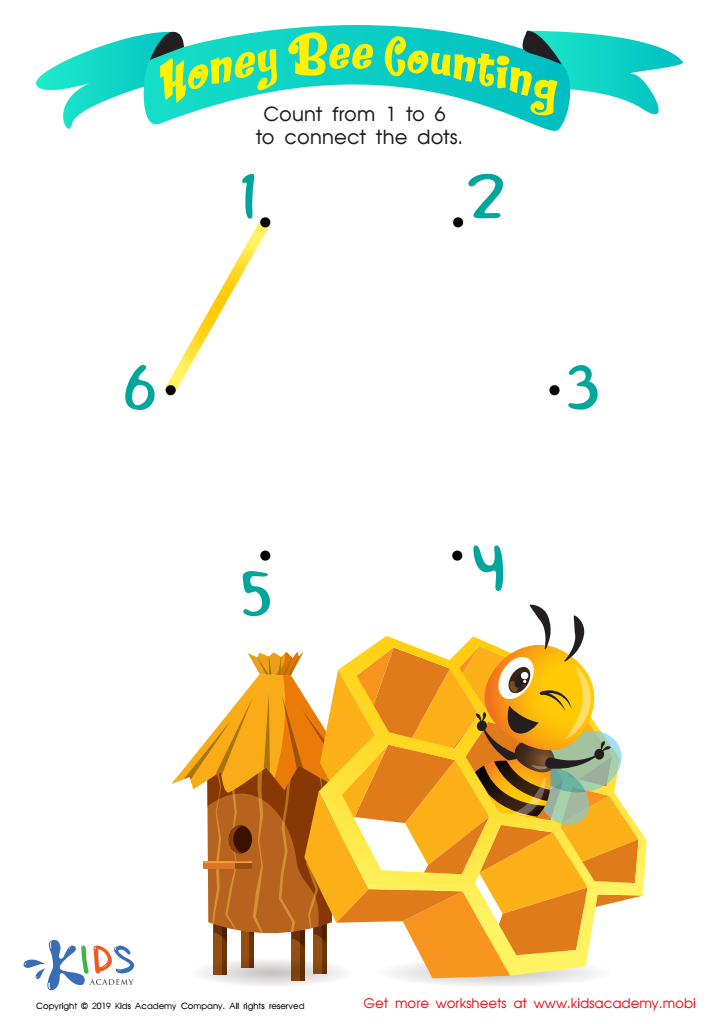
Honey Bee Counting Worksheet

Count Santa's Presents Worksheet
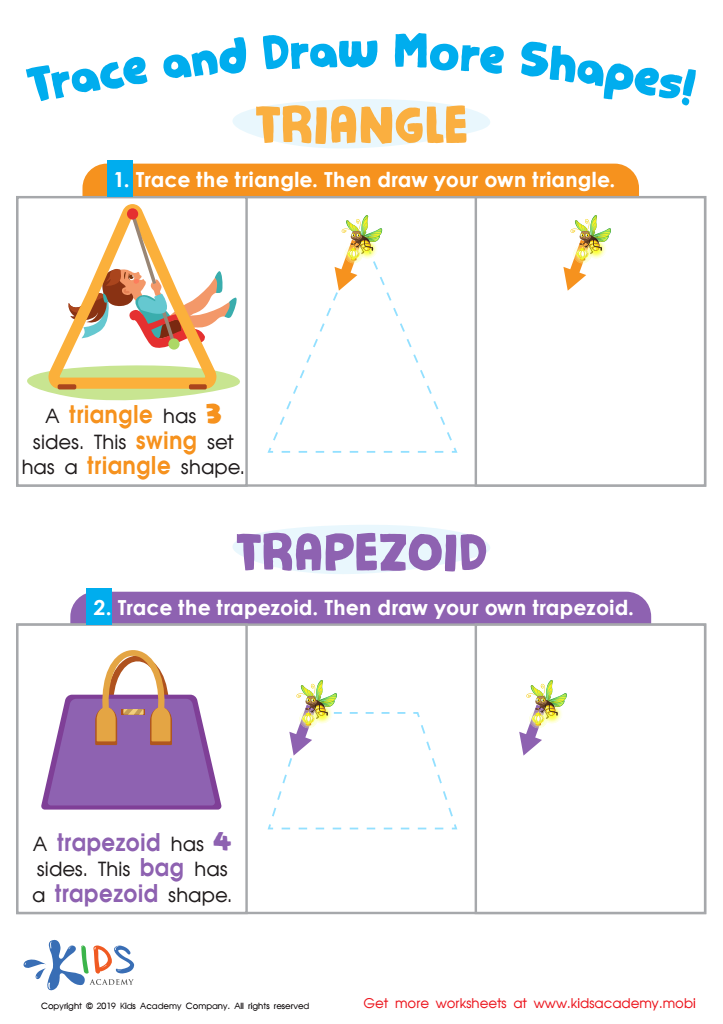
Trace and Draw More Shapes Worksheet
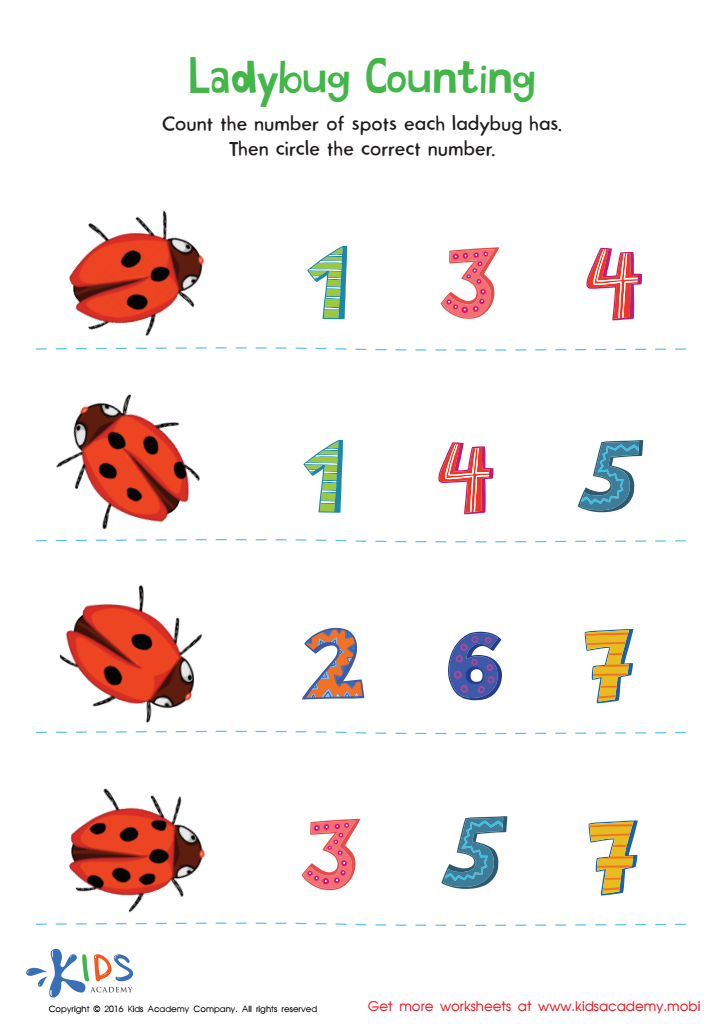
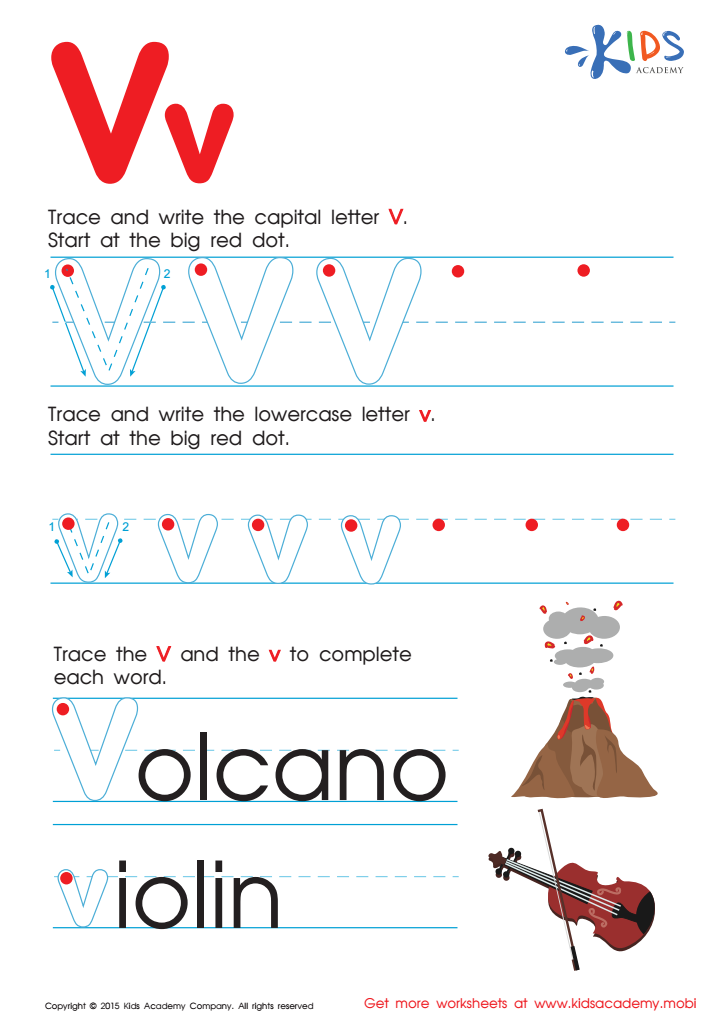
Letter V Tracing Page
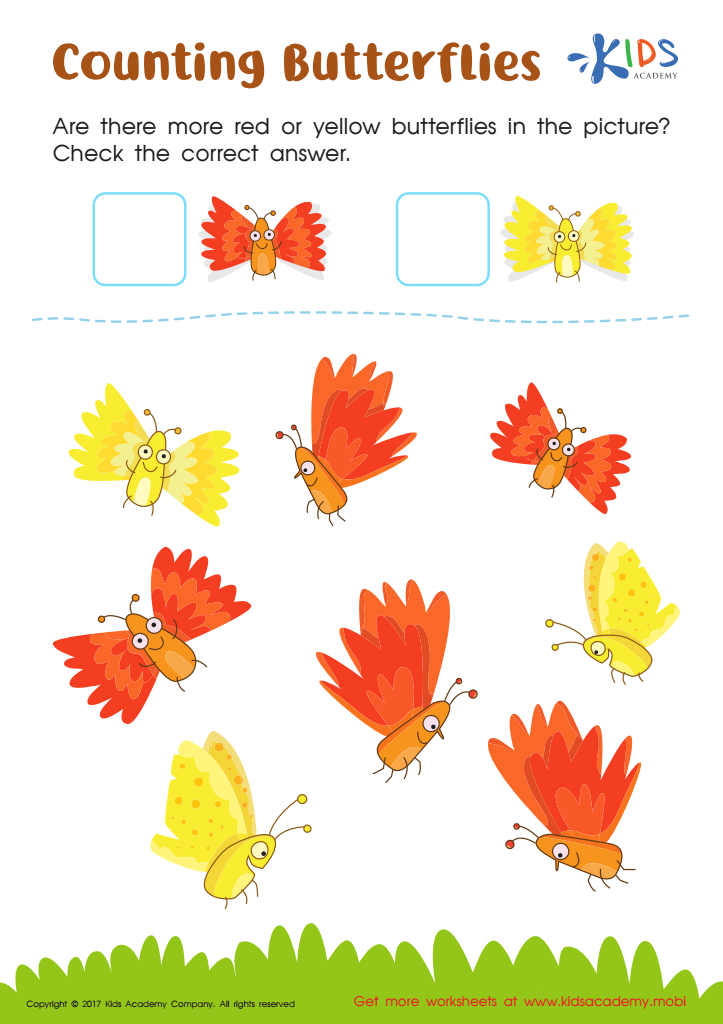
Counting Butterflies Worksheet
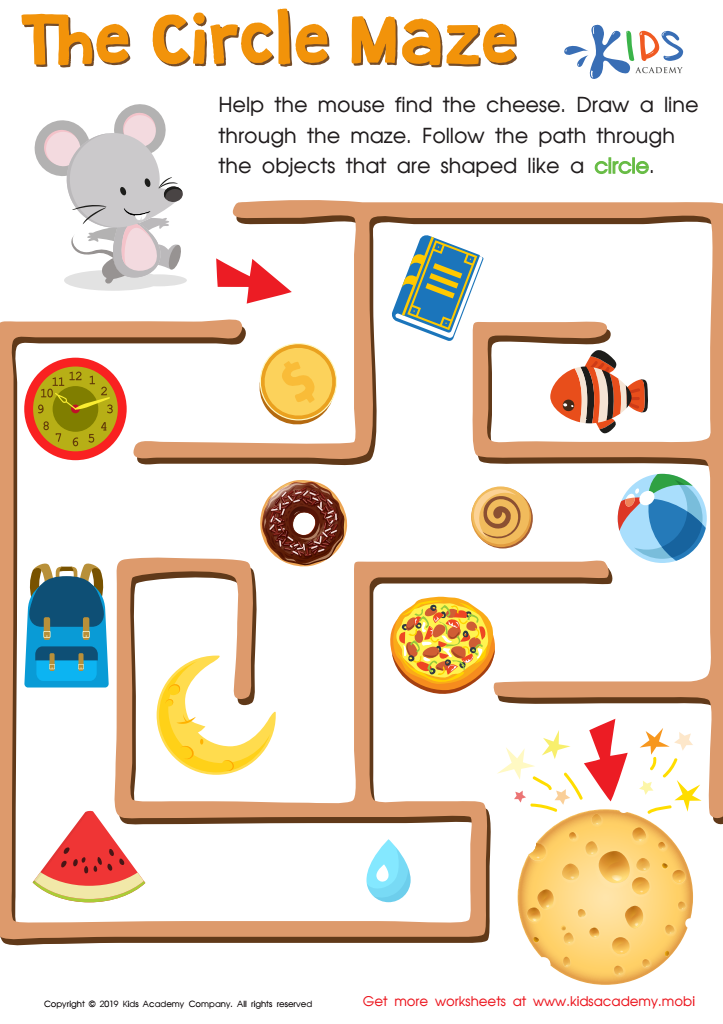
The Circle Maze Worksheet

Santa Claus Tracing Winter Words Worksheet

Pirate Ship Connect Dots Worksheet
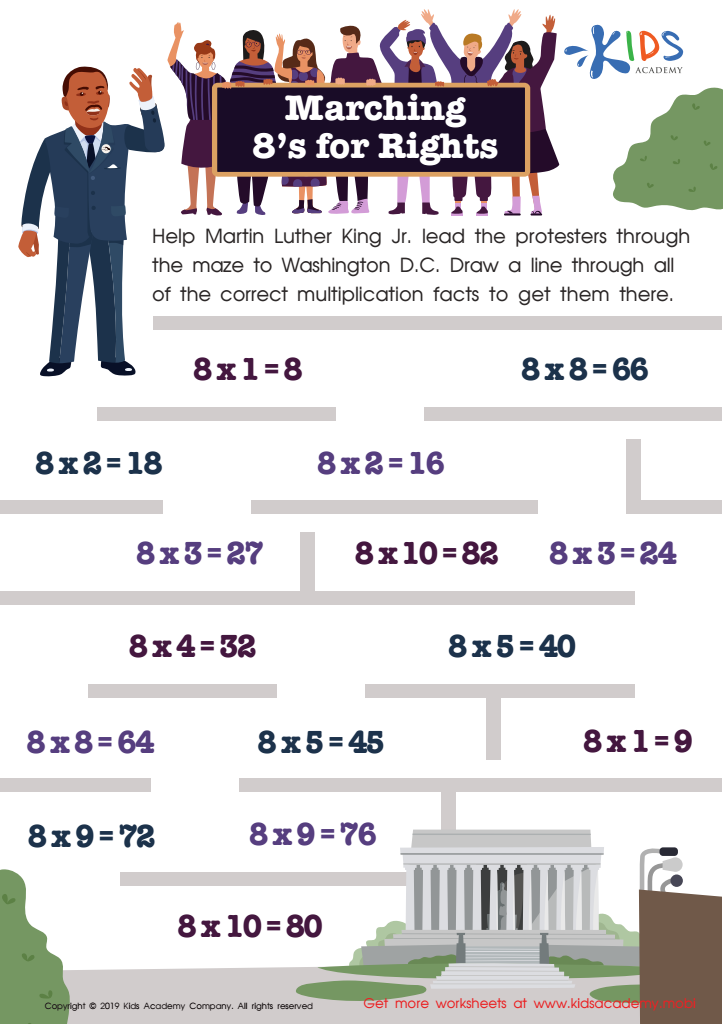
Marching 8’s for Rights Worksheet
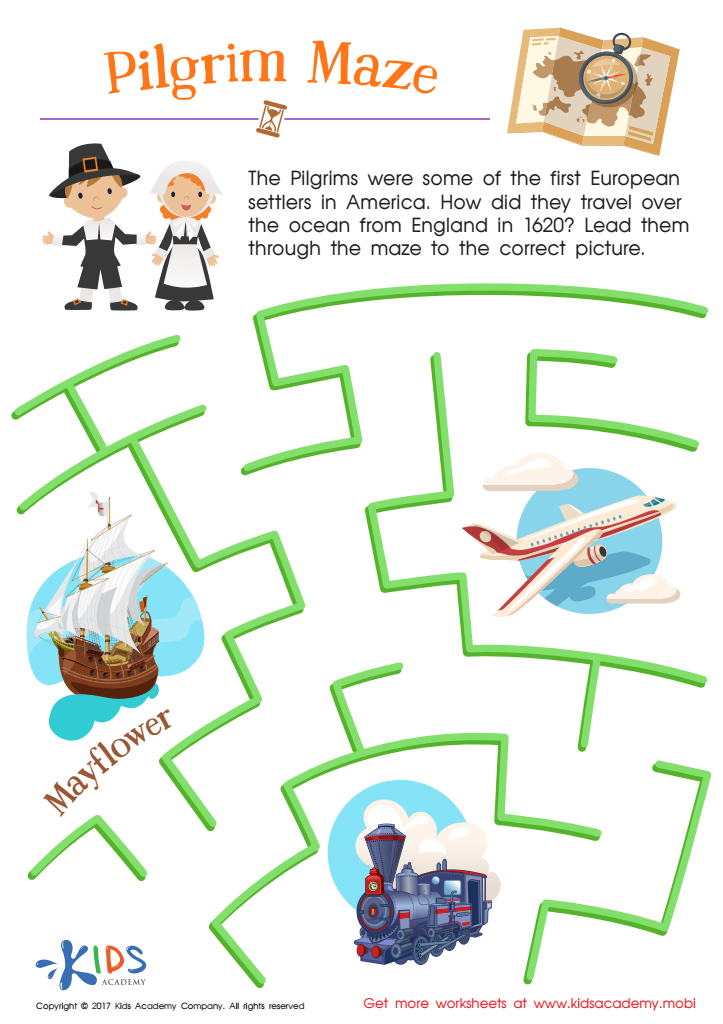
Pilgrim Maze Worksheet

Three Little Piggies Printable Coloring Page
 Assign to My Students
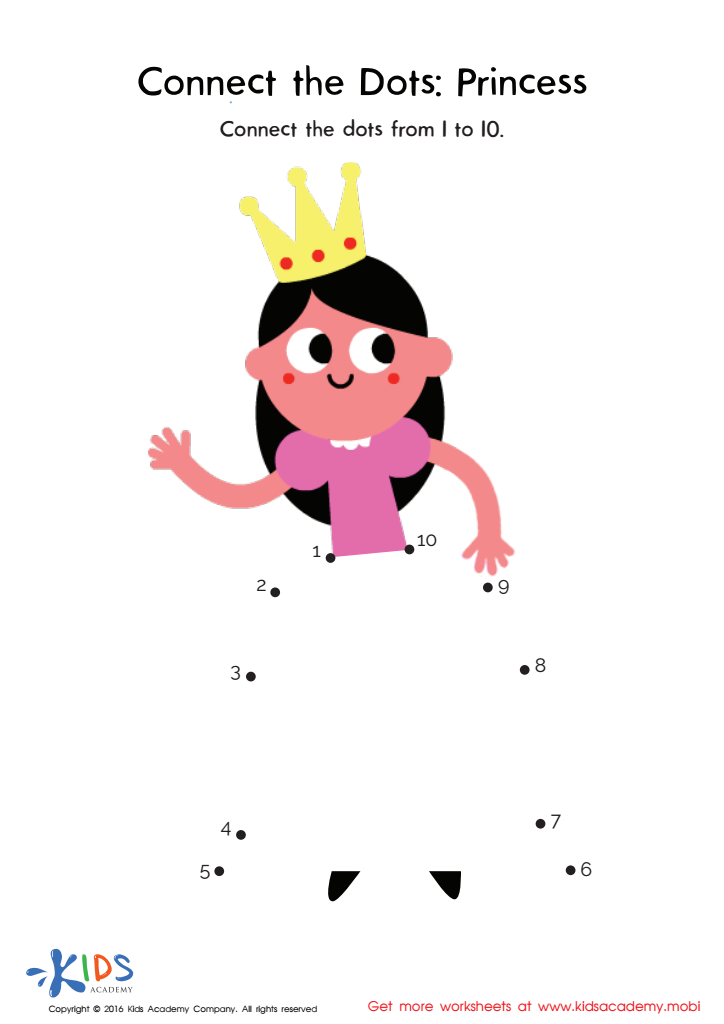
Princess Connect Dots Worksheet

Letter T Tracing Page
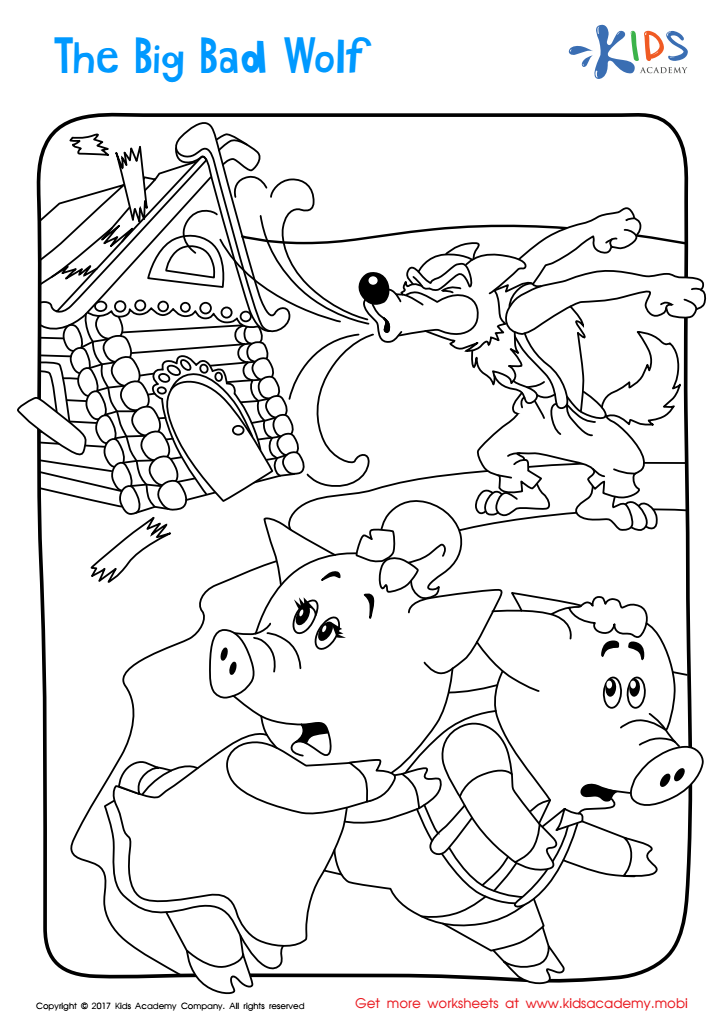
Big Bad Wolf Printable Coloring Page
Assign to My Students
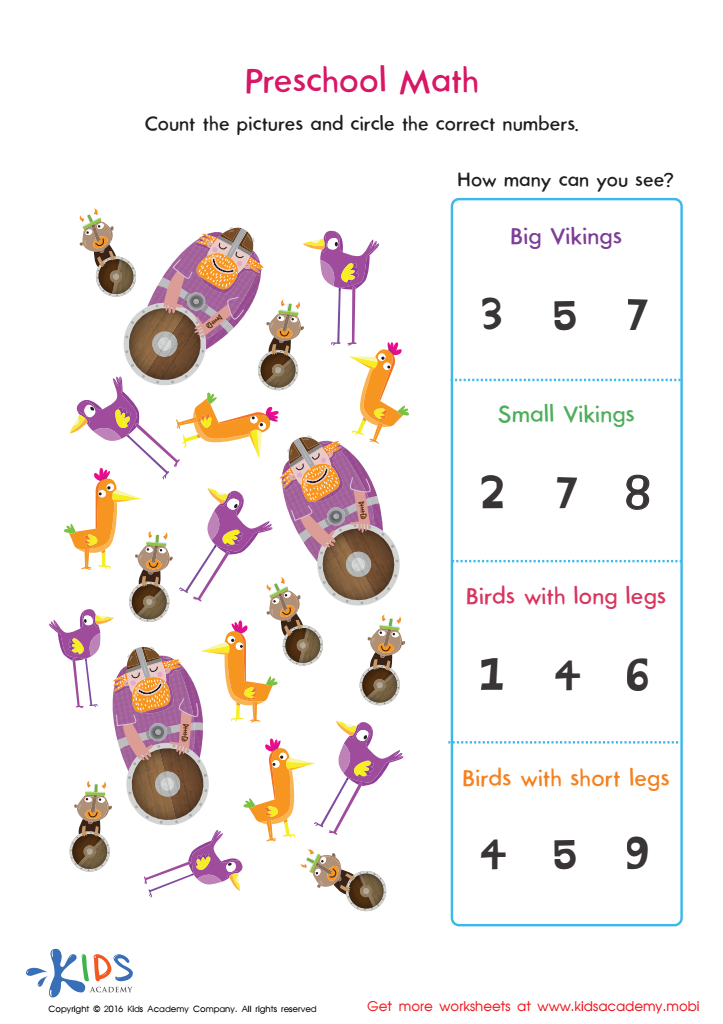

Count and Match: Feed the Animals Worksheet





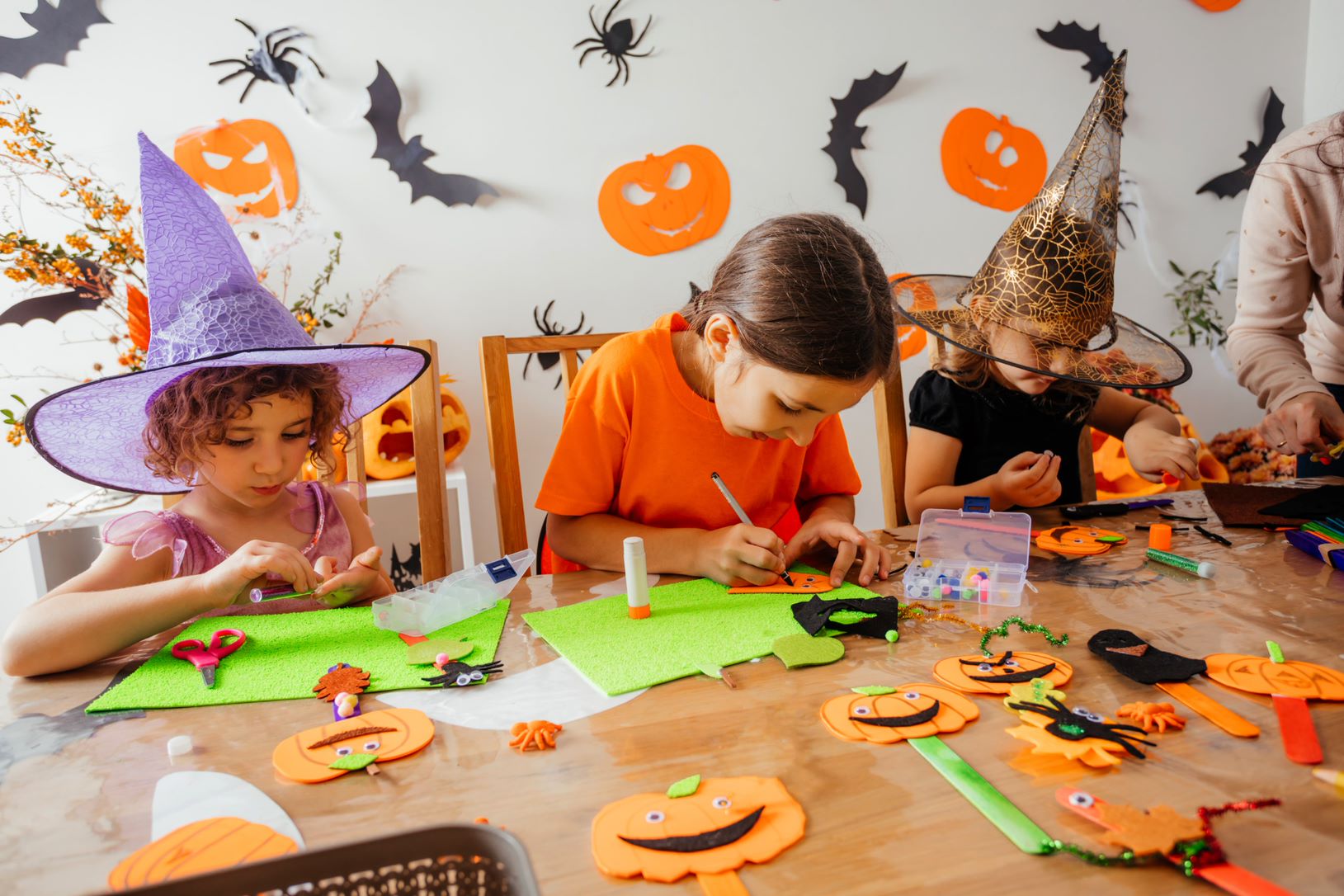


Fine motor skills are essential for children's overall development, particularly for those ages 6-9, a time when they gain greater independence and engage in more complex tasks. For parents and teachers, focusing on Fine Motor Skills Extra Challenges offers several benefits.
Firstly, these activities enhance hand-eye coordination, allowing children to gain confidence in writing, drawing, and performing self-care tasks independent of adult help. Additionally, strong fine motor skills support academic success in subjects like math and art. When children can manipulate objects with precision, they are better equipped to engage in hands-on learning experiences.
Moreover, fine motor skills are linked to cognitive development. Challenges requiring dexterity promote problem-solving and critical thinking. Children learn to focus and persist through difficulties, building resilience.
Incorporating fine motor skill challenges into daily routines or classroom activities fosters creativity and imaginative play, encouraging children to experiment with new materials and ideas.
Involving parents and teachers collaboratively in these activities can strengthen their relationship with the child while emphasizing the importance of skill development. Ultimately, caring about fine motor skill challenges is investing in a child's future learning, independence, and overall growth.








