Reading comprehension Extra Challenge Worksheets for Ages 6-9 - Page 2
64 filtered results
-
From - To
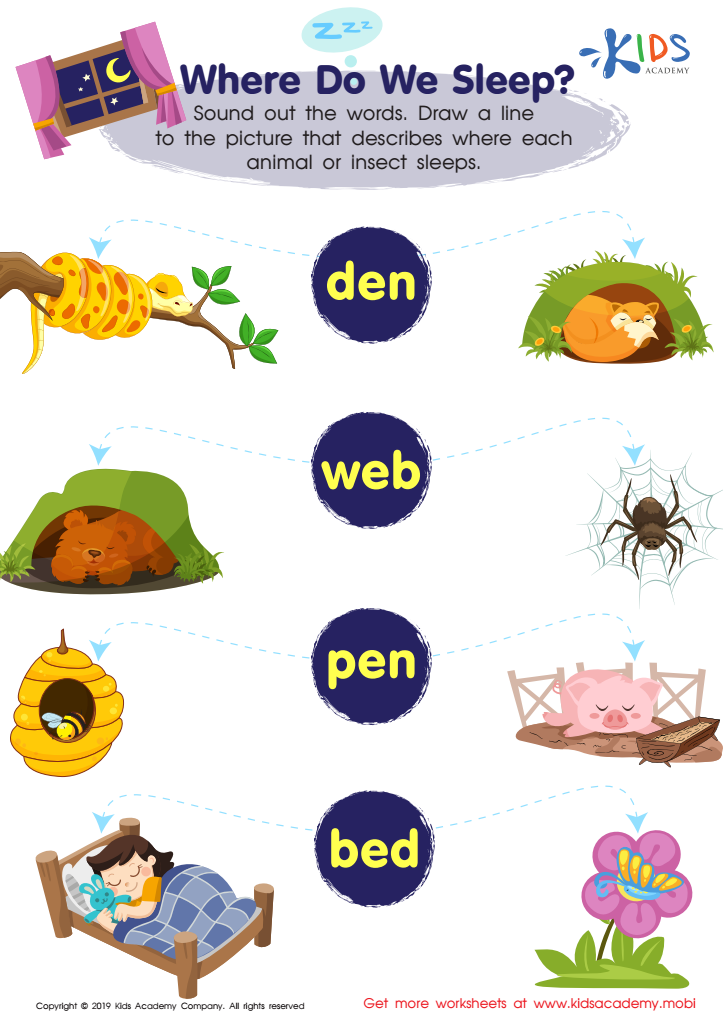
Where Do We Sleep Worksheet
 Assign to My Students
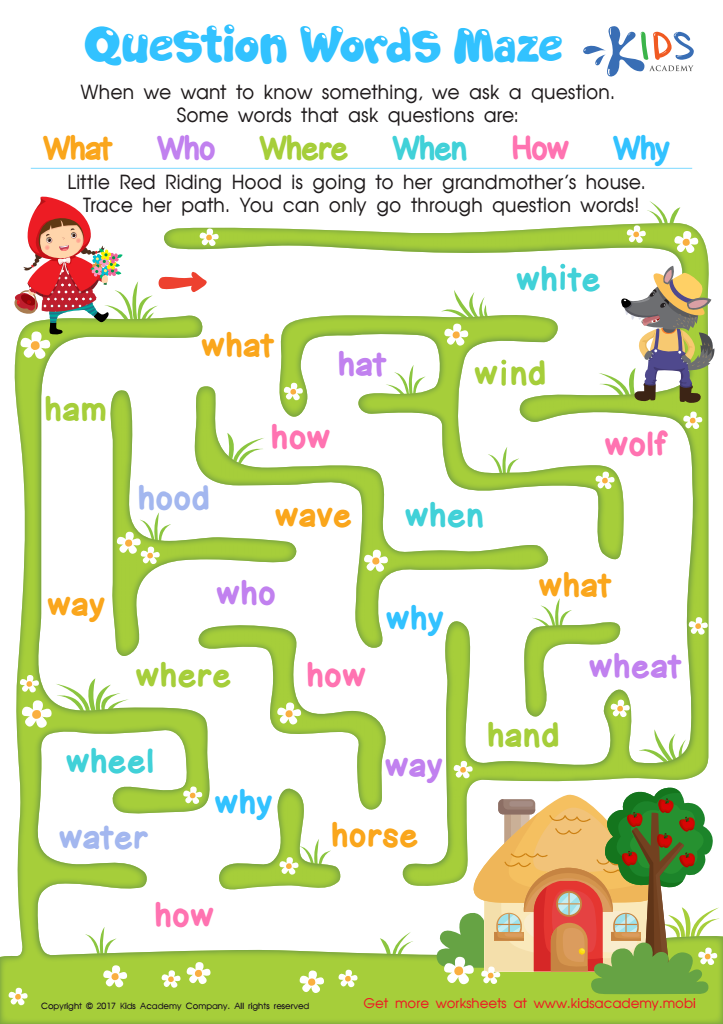
Question Words Maze Worksheet
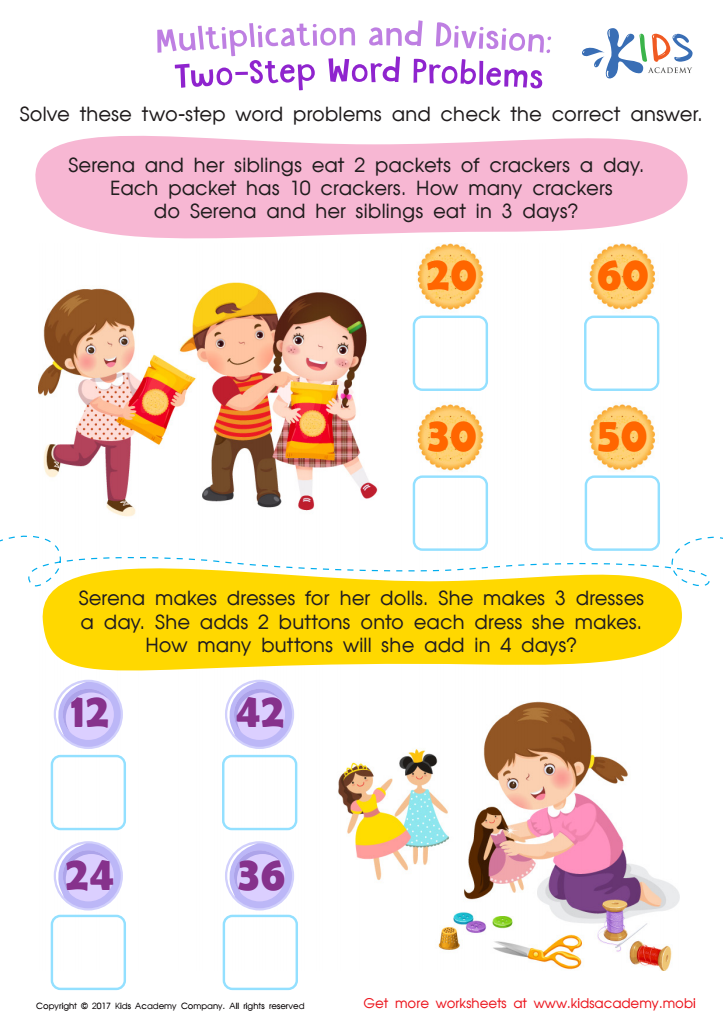
Two Step Word Problems Worksheet
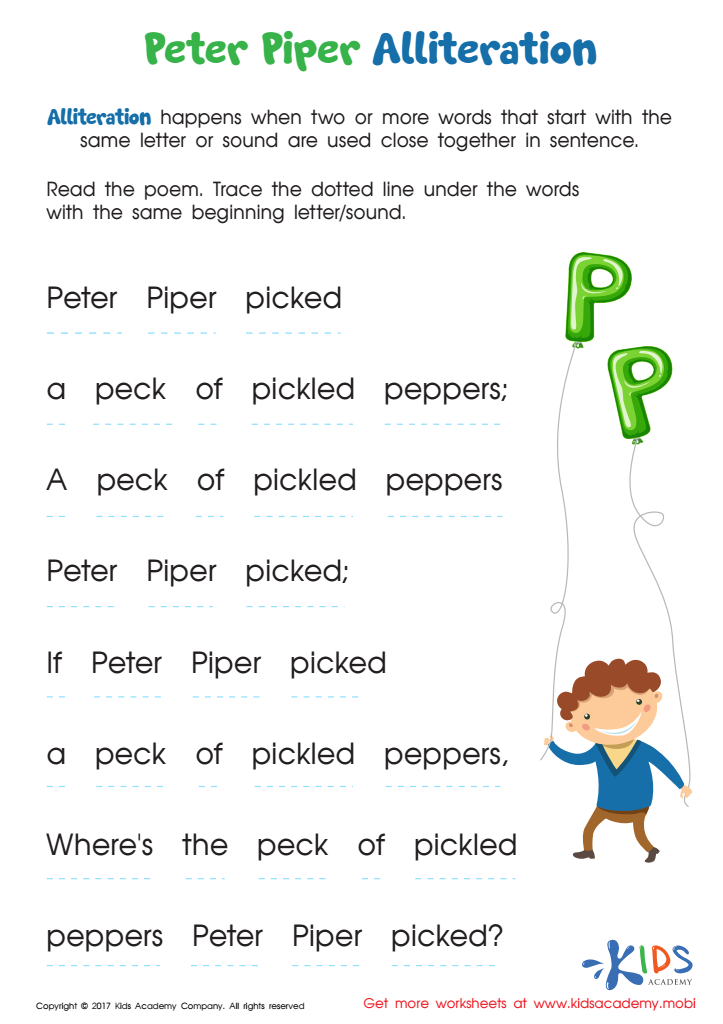
Peter Piper Alliteration Worksheet
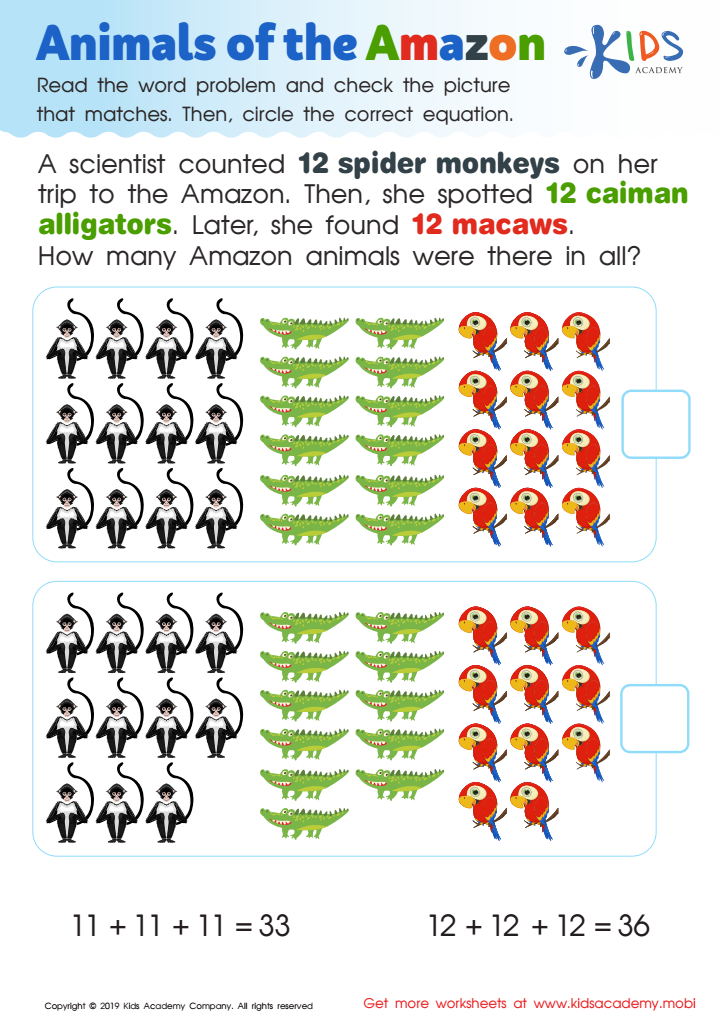
Animals of Amazon Worksheet
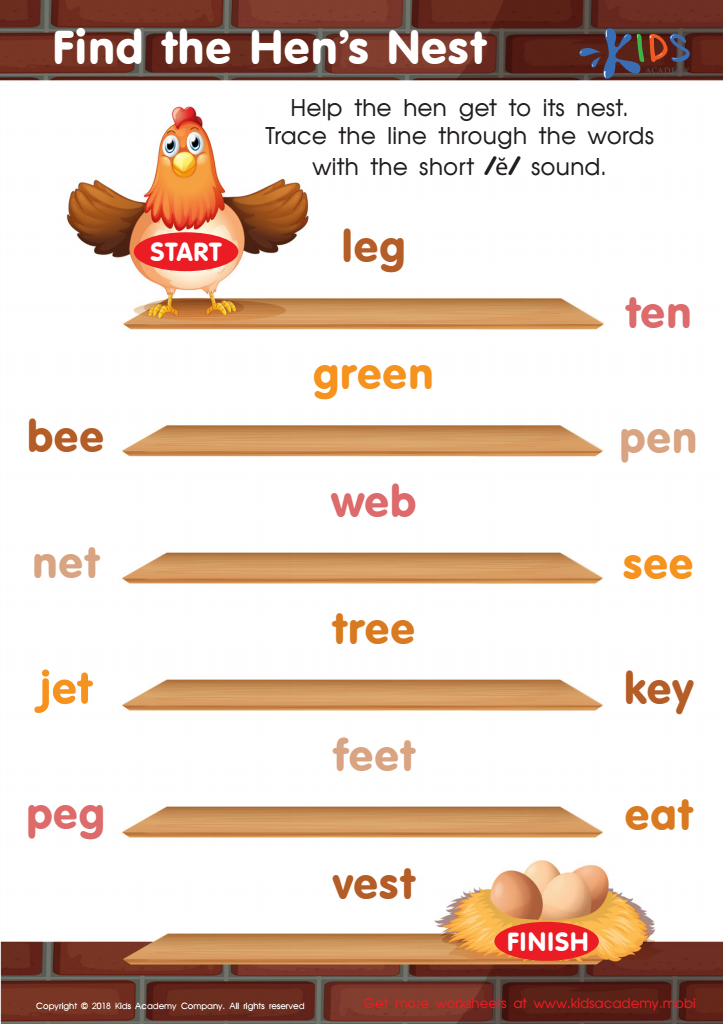
Find Hens Nest Reading Worksheet
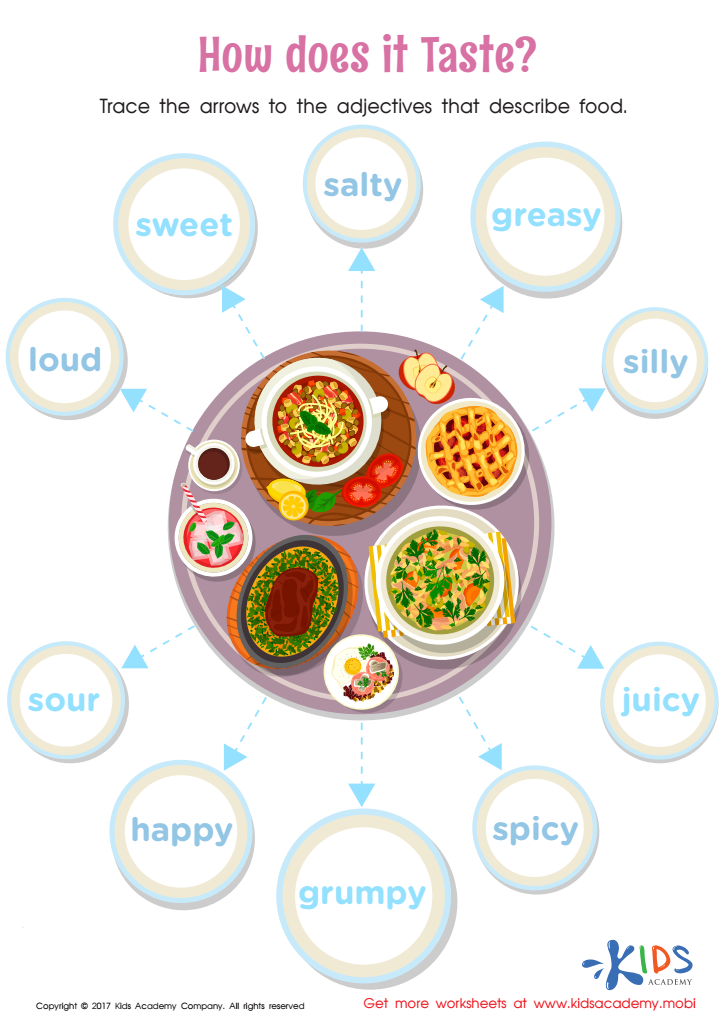
Food Adjectives Worksheet
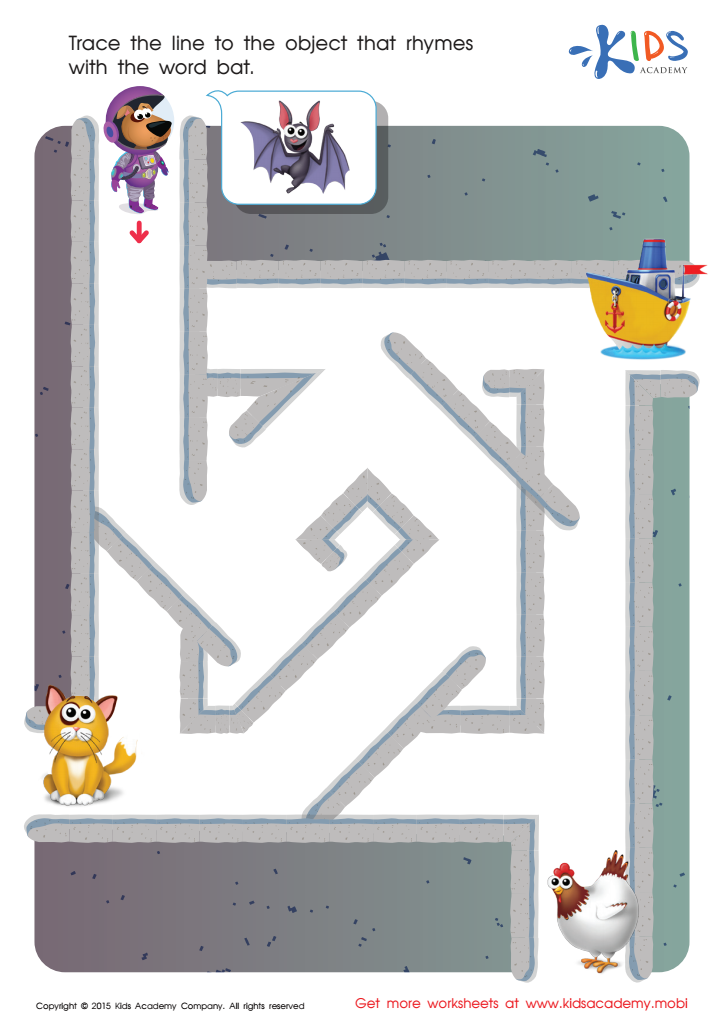
Bat Rhyming Words Worksheet
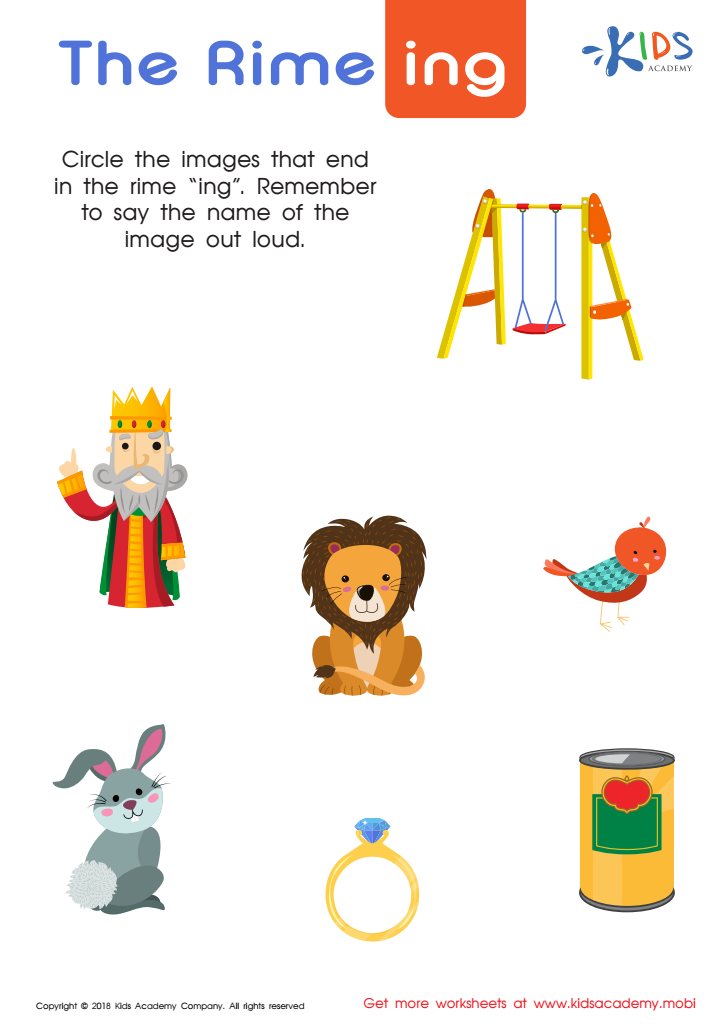
The Rime "ing" Worksheet
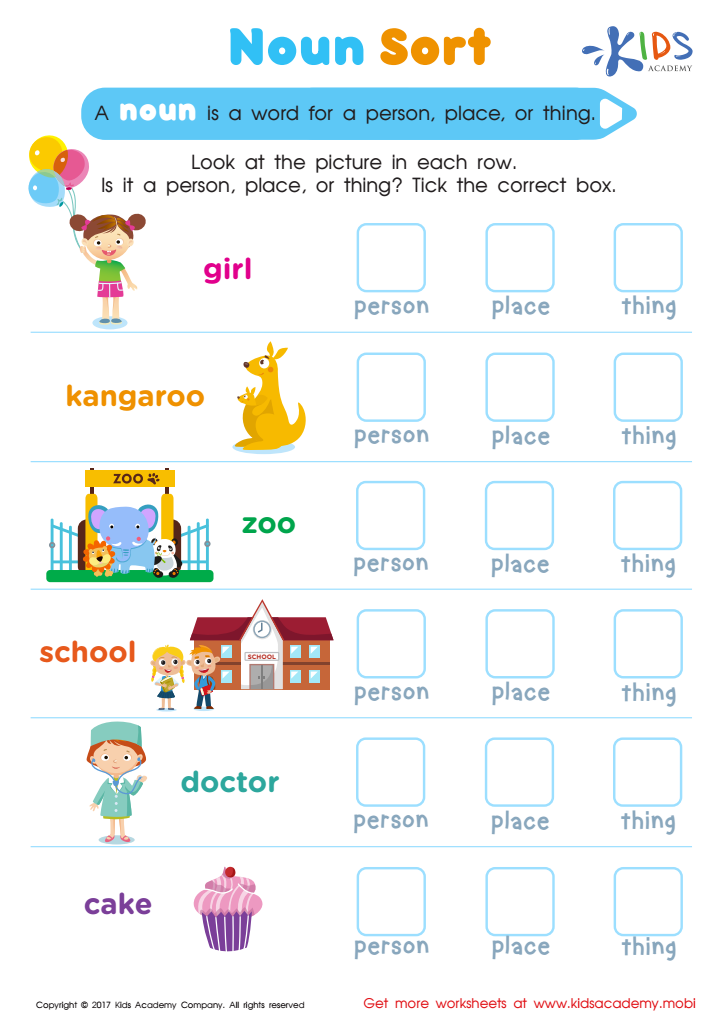
Noun Sort Printable
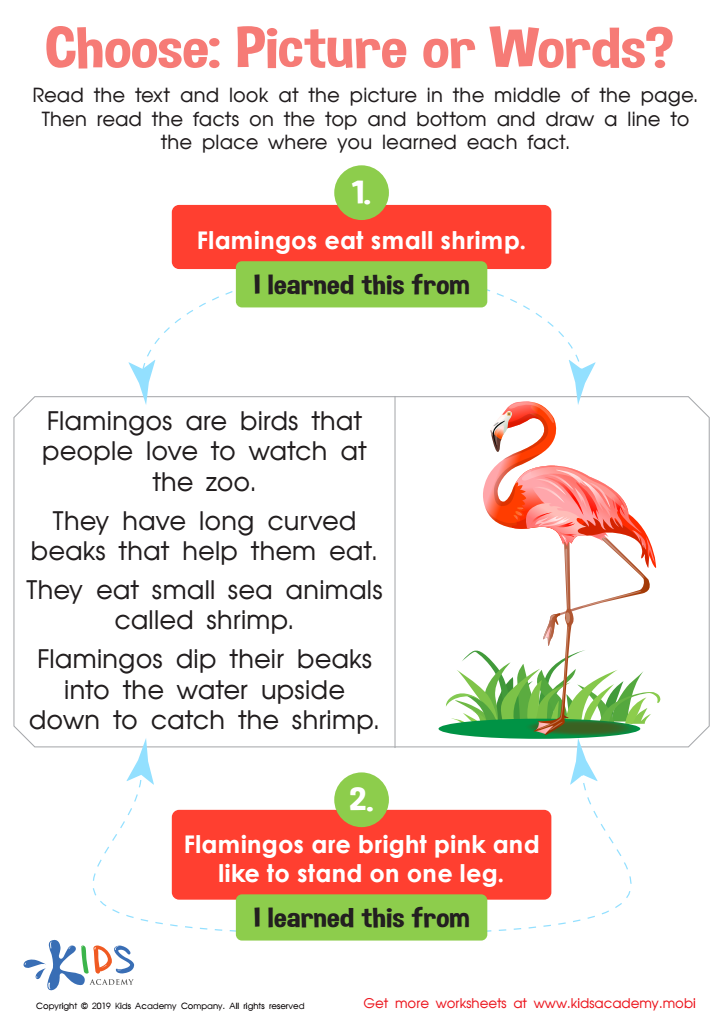
Choose Picture Words Worksheet
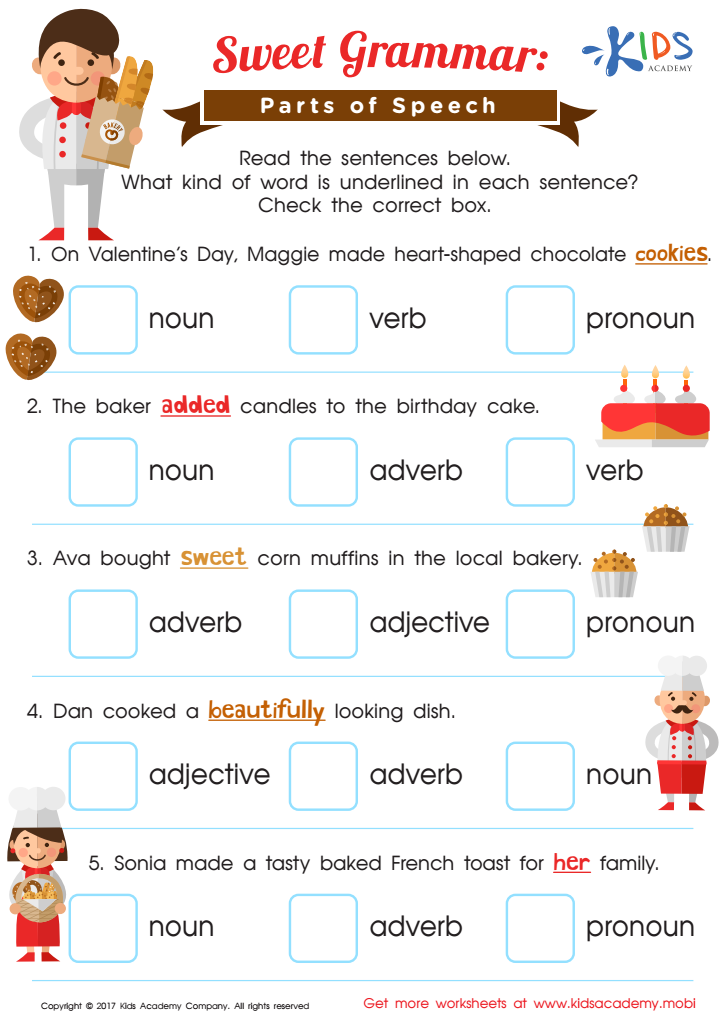
Parts of Speech Worksheet
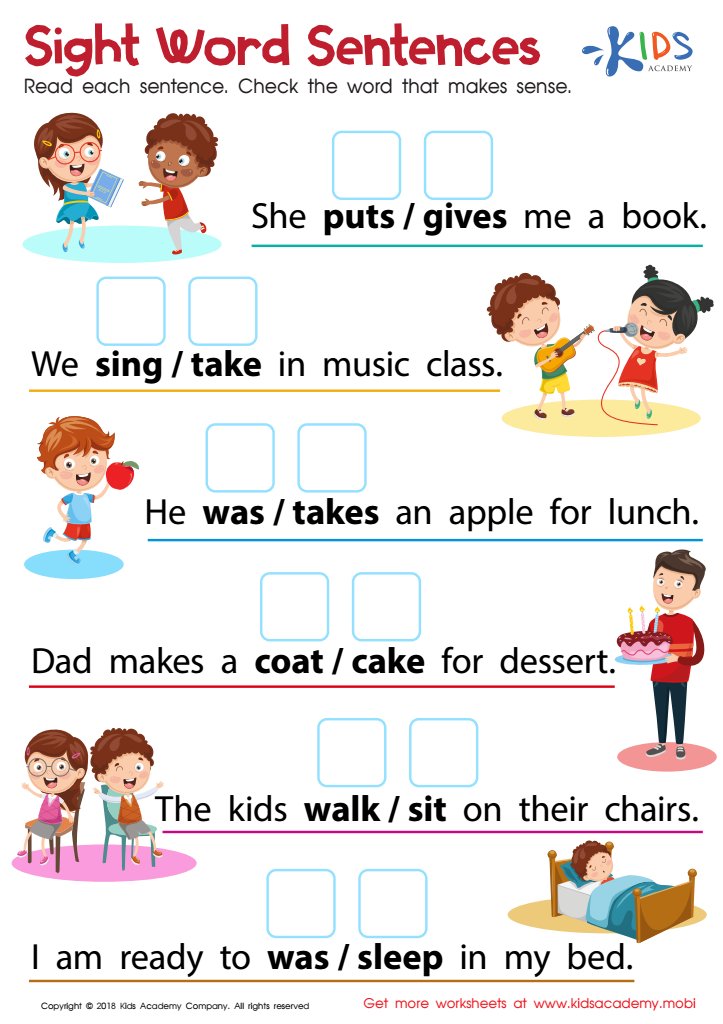
Sight Words Sentences Worksheet
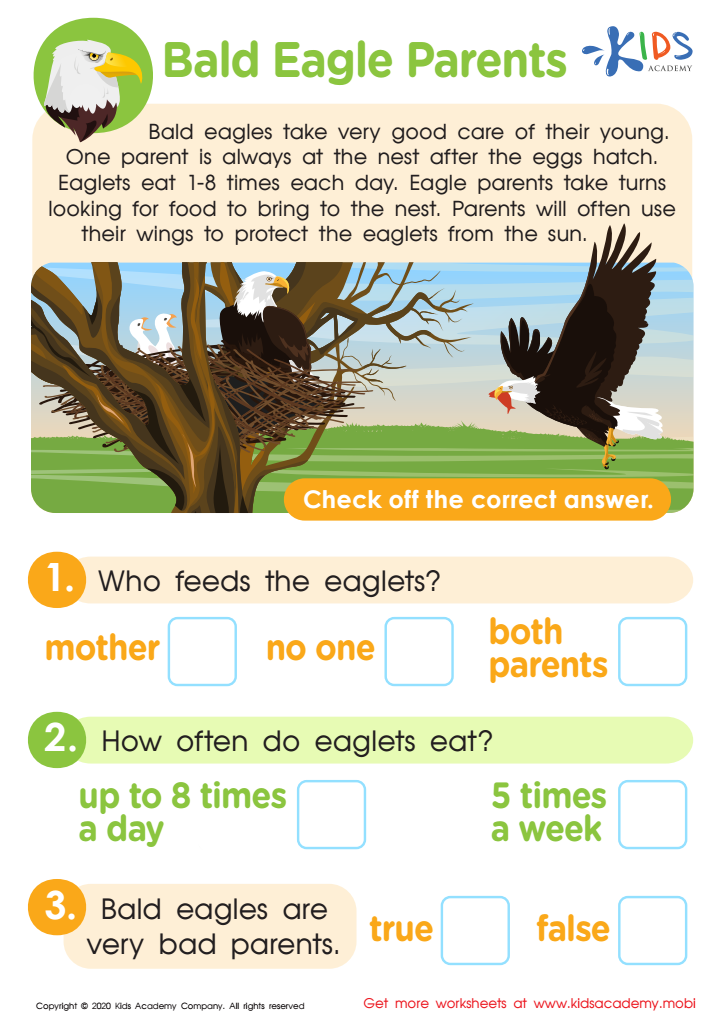
Bald Eagle Parents Worksheet
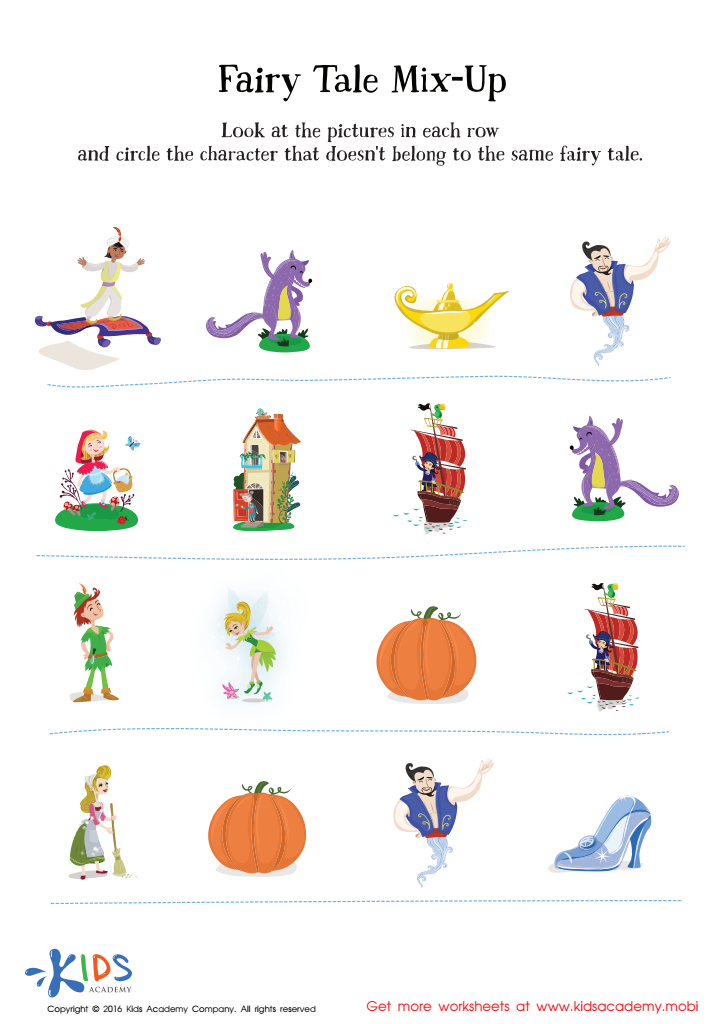
Fairy Tale Worksheet: Story Mix Up
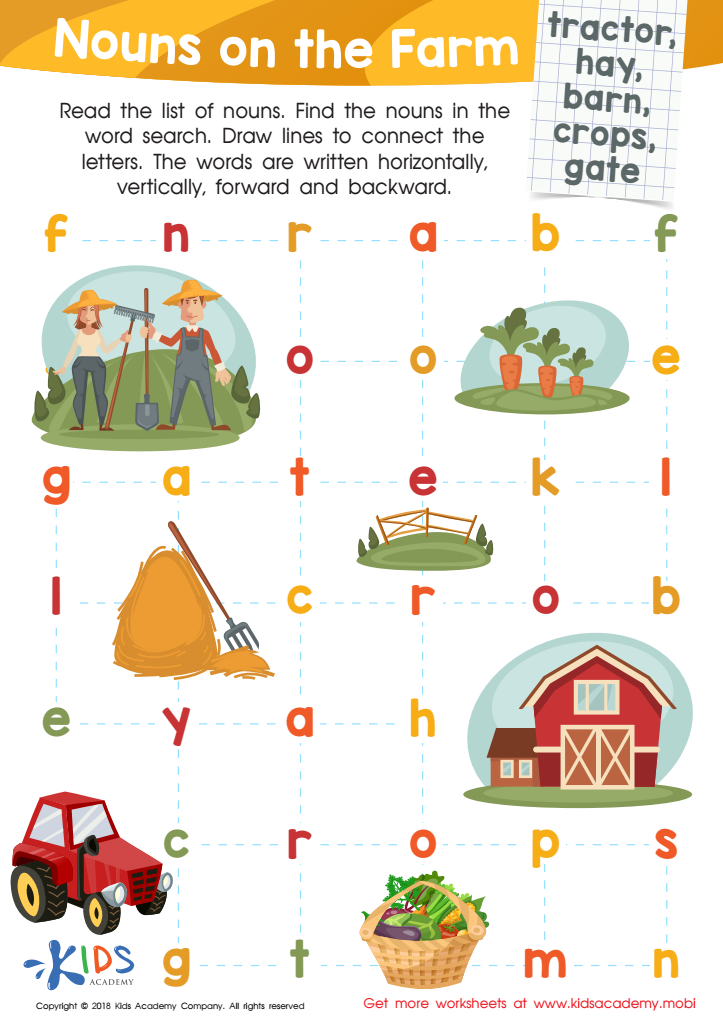
Nouns on the Farm Worksheet
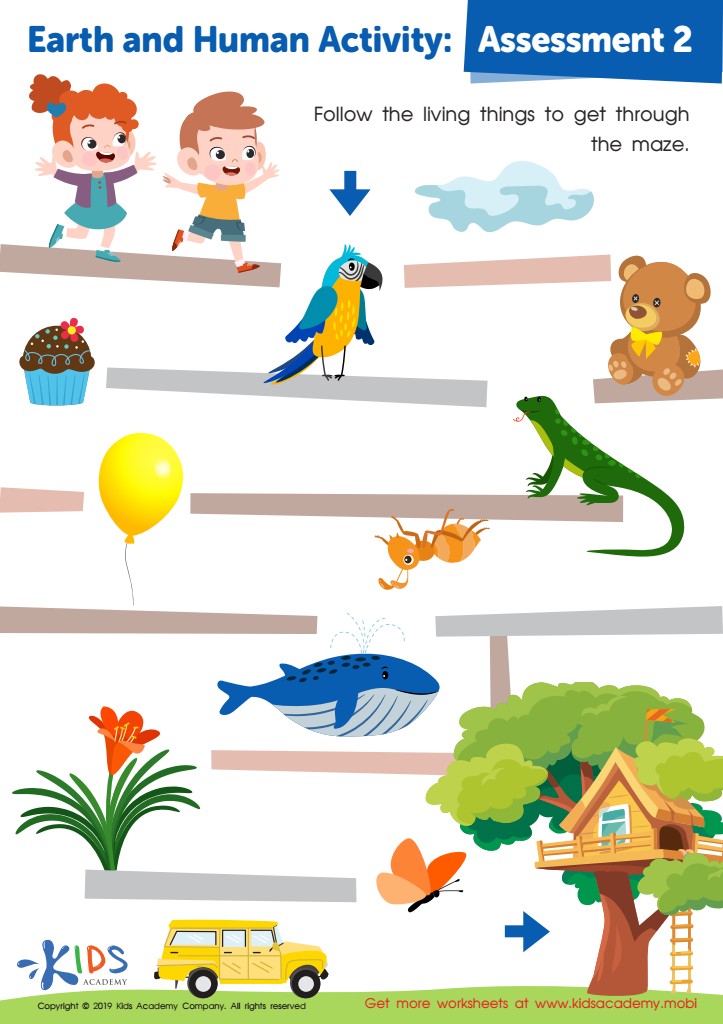
Earth and Human Activity: Assessment 2 Worksheet
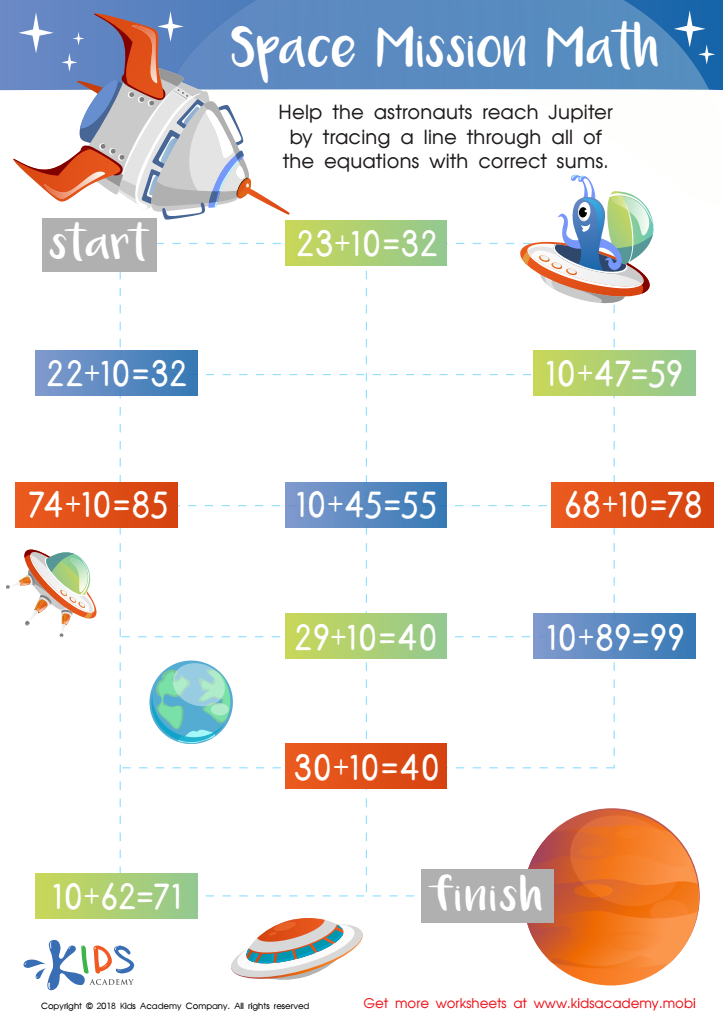
Space Mission Math Worksheet
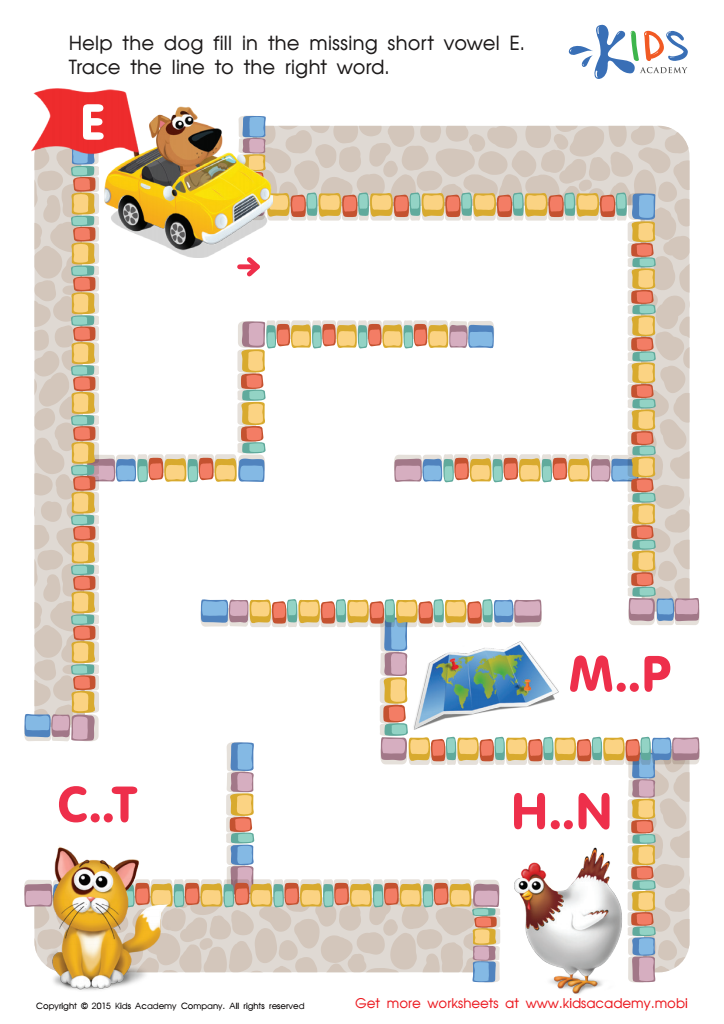
Short Vowel Sound E Worksheet
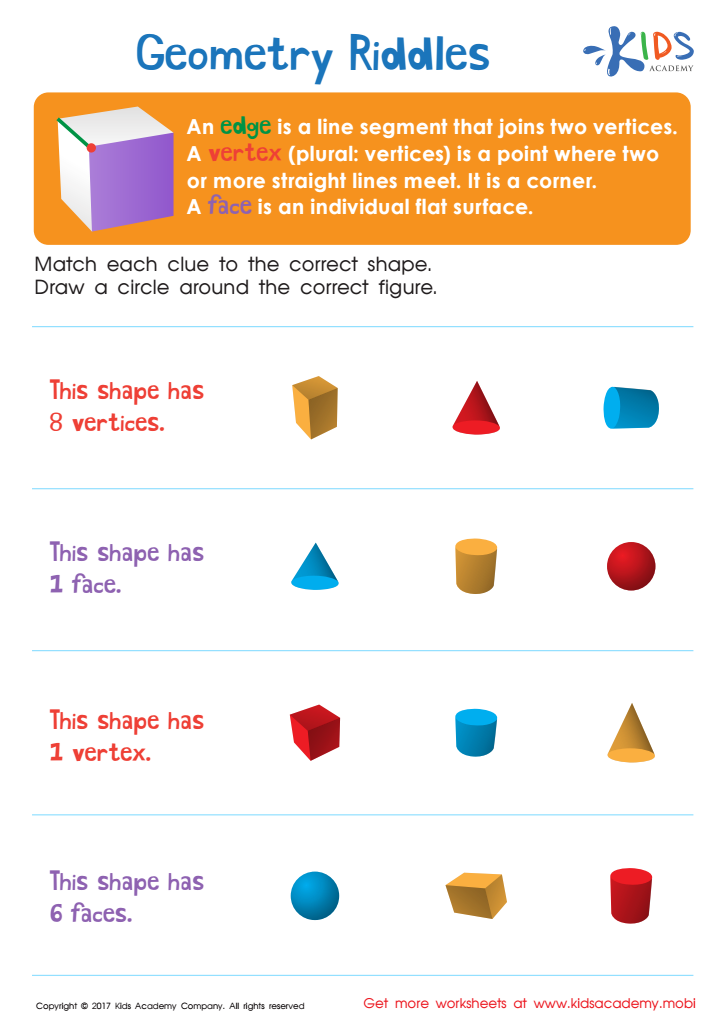
Geometry Riddles Printable
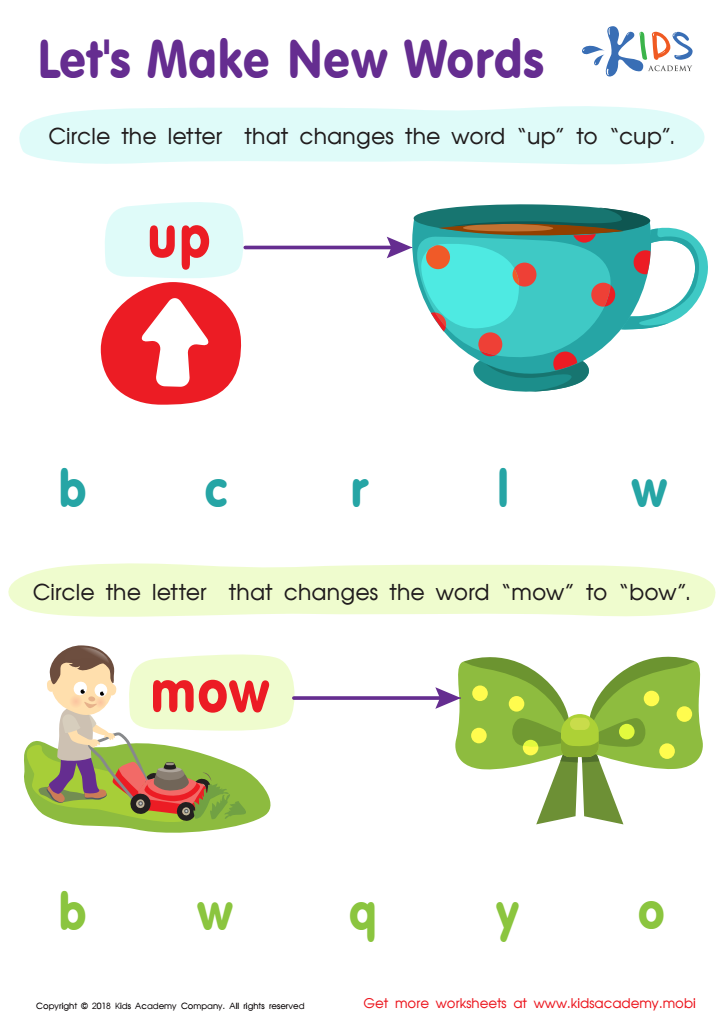
Let's Make New Words Worksheet
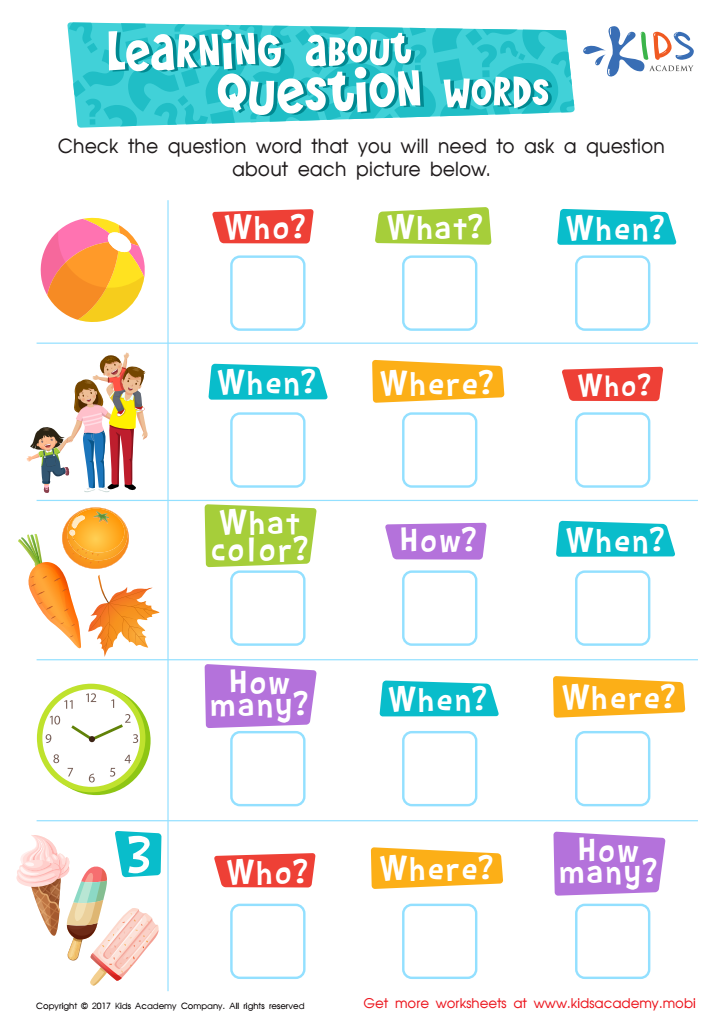
Learning about Question Words Worksheet
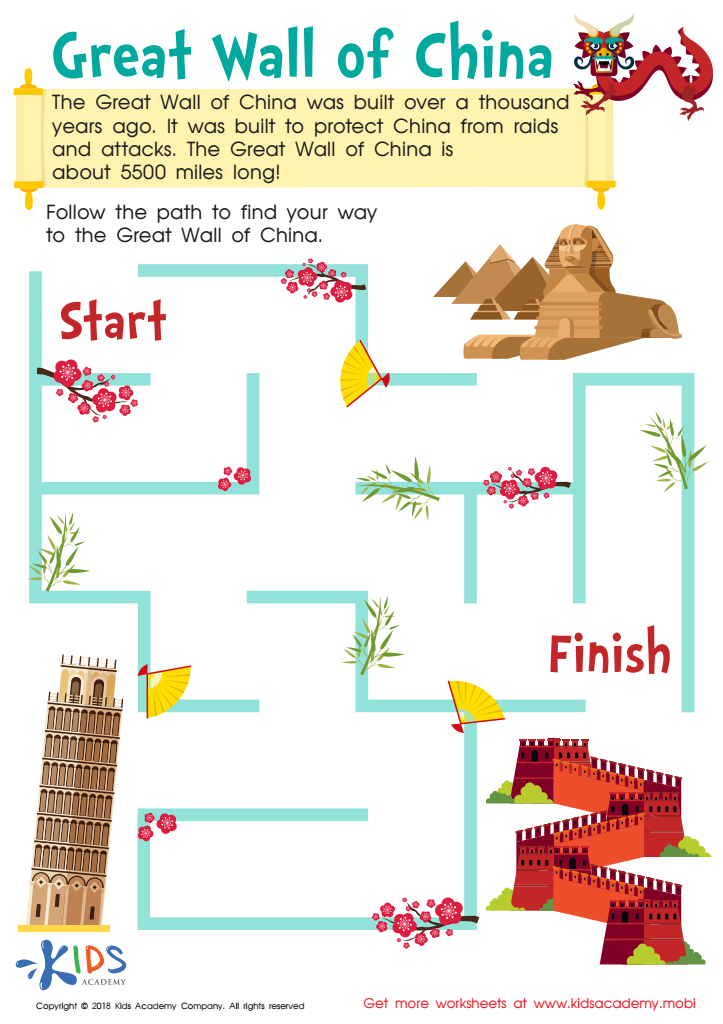
Great Wall of China Worksheet
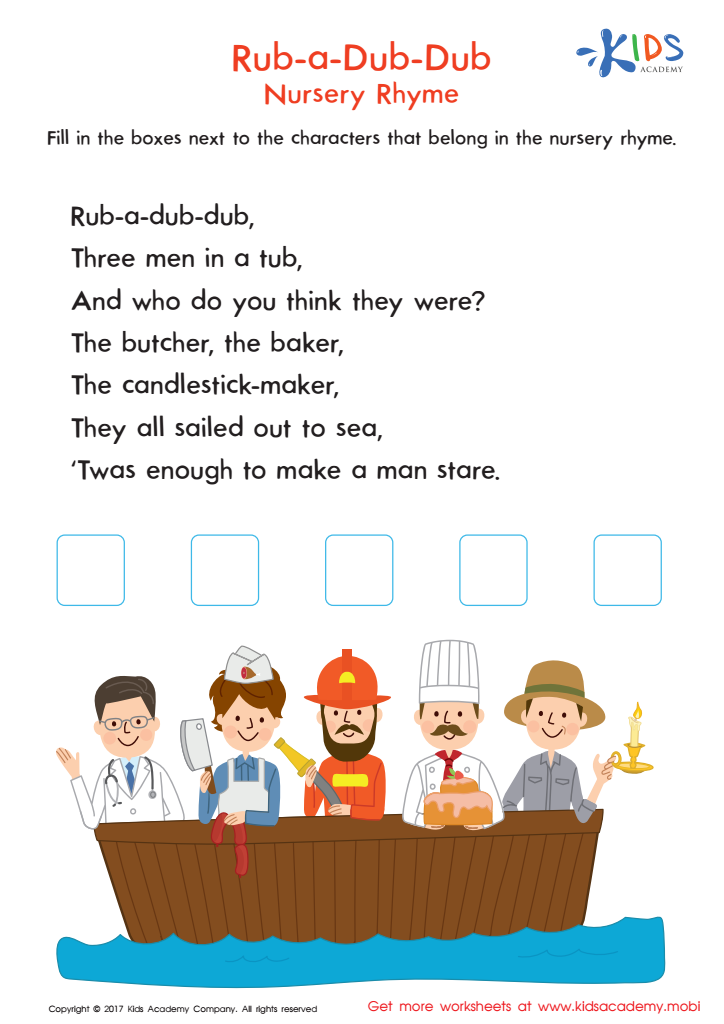
Rub a Dub Dub Printable







Reading comprehension is crucial during the ages of 6 to 9, as this period marks a significant development in children's literacy skills. When parents and teachers invest in extra challenges for reading comprehension, they help foster critical thinking, enhances vocabulary, and promote a deeper understanding of texts. This age group transitions from learning to read to reading to learn, making it essential for them to grasp intricate ideas and themes.
By providing extra challenges, educators can scaffold children's learning, adapting tasks that cater to varying abilities. These challenges not only engage students but also encourage a love for reading. Improved comprehension leads to better performance in other subjects, supporting overall academic success.
Moreover, discussing texts promotes social-emotional skills, as children learn to articulate their thoughts and connect with others' perspectives. Encouraging comprehension and critical thinking can empower children to become lifelong learners, equipped with analytical skills necessary for future challenges.
Ultimately, prioritizing reading comprehension interventions means investing in a child's holistic development, creating a solid foundation for future learning, personal growth, and even emotional intelligence. This readiness to engage with the world through a well-developed comprehension frame will benefit children well beyond their early school years.








