Fine Motor Skills Extra Challenge Worksheets for 6-Year-Olds - Page 2
42 filtered results
-
From - To
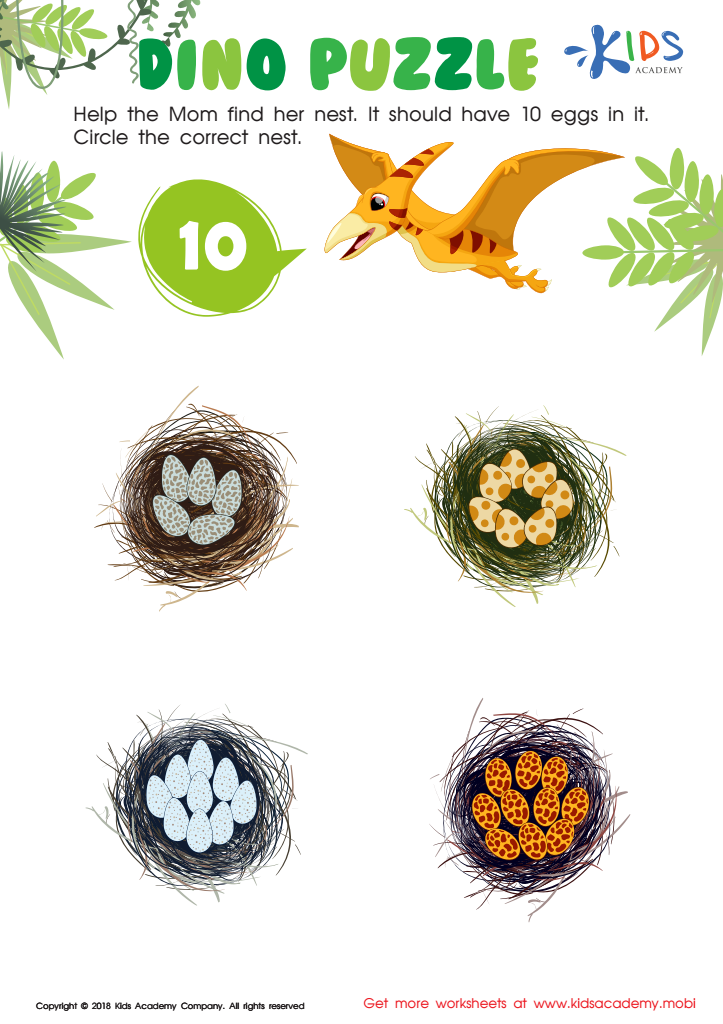
Learn Number For Kindergarten Worksheet
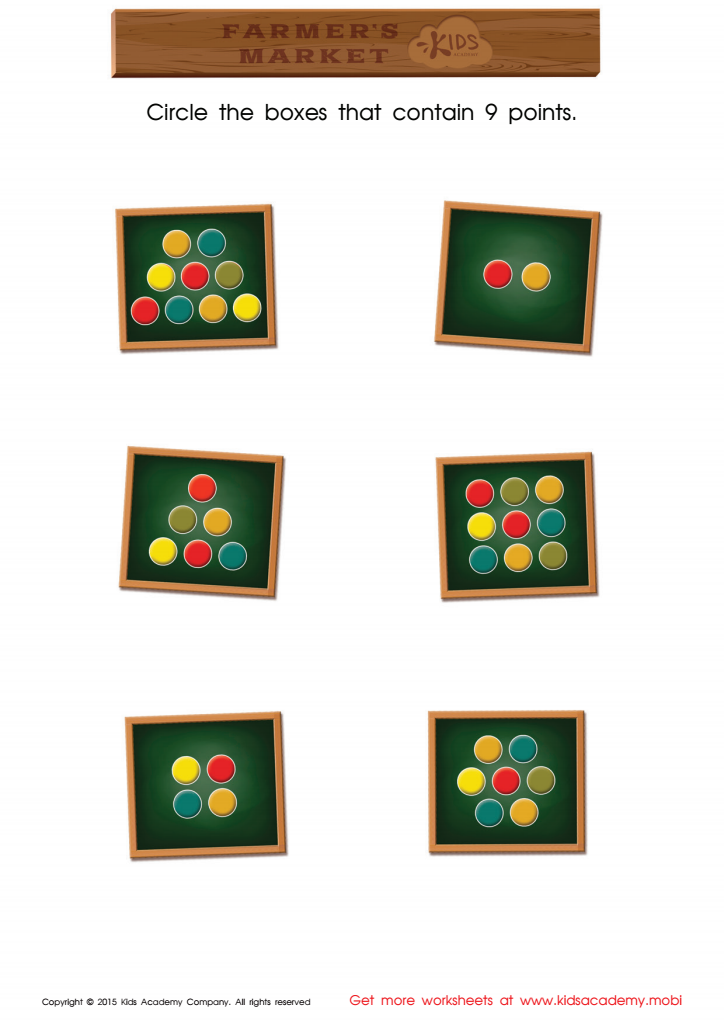
Count and Match Points 9 Math Worksheet
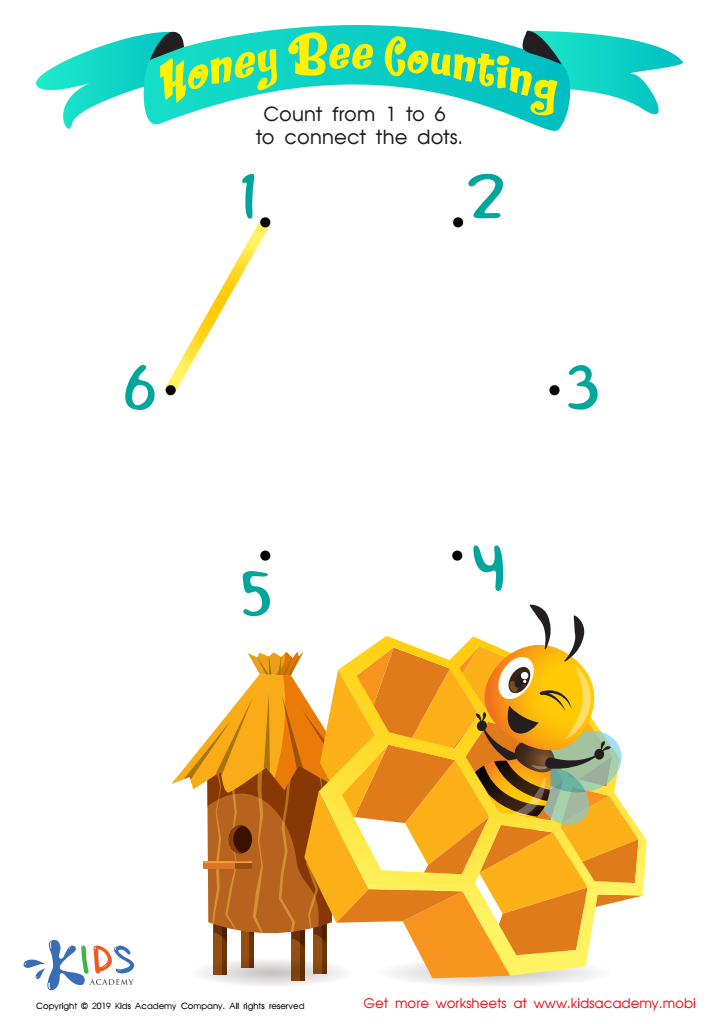
Honey Bee Counting Worksheet
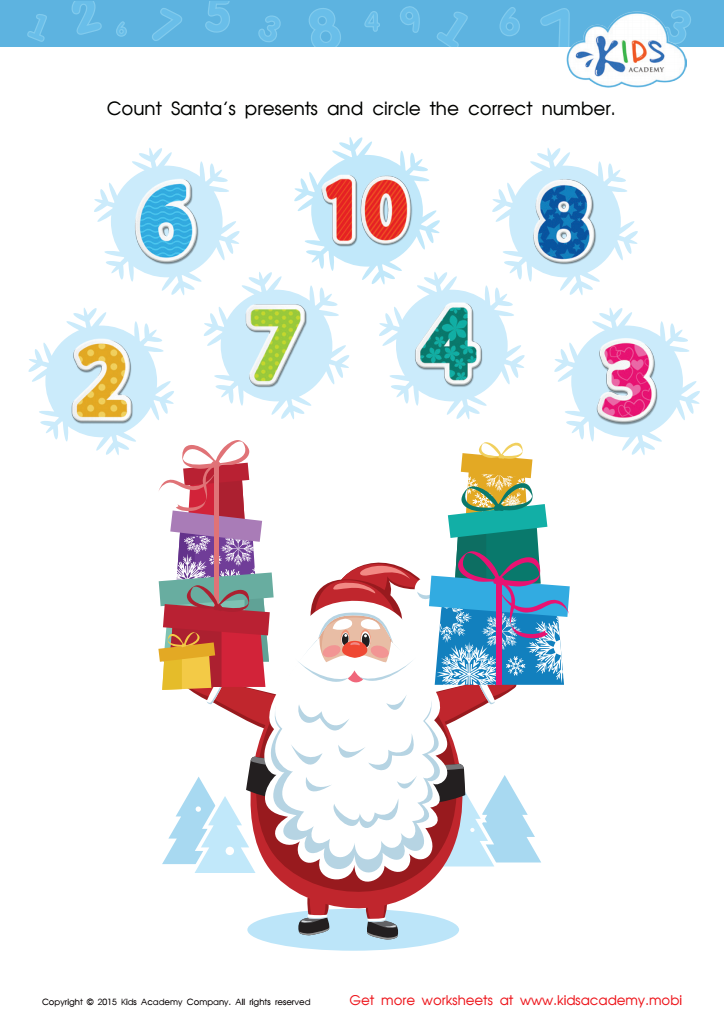
Count Santa's Presents Worksheet
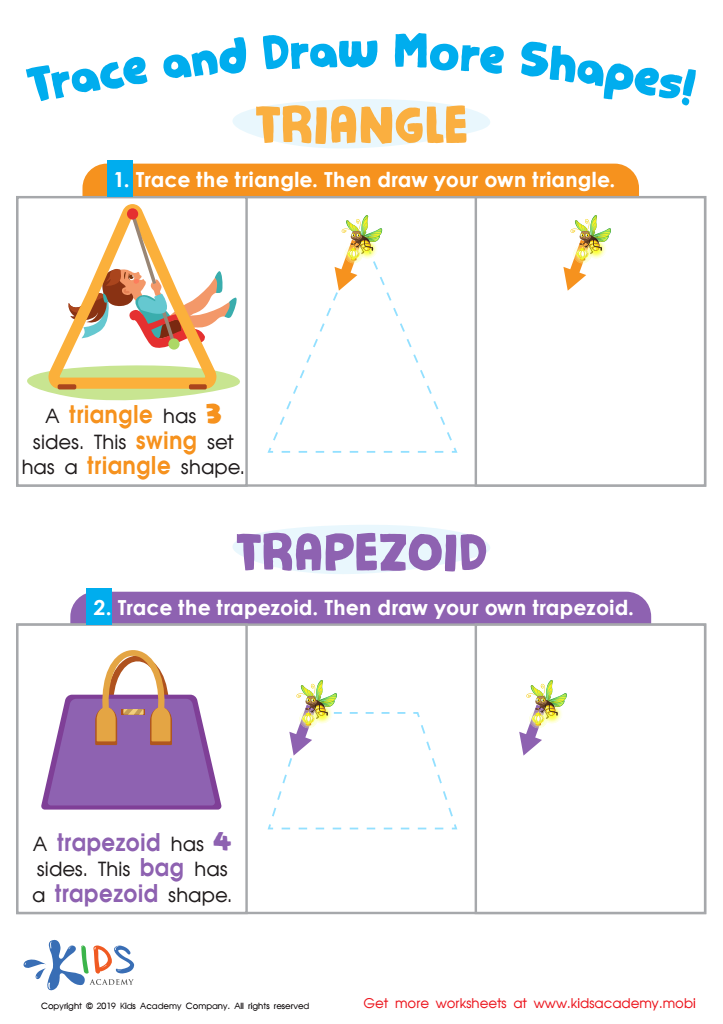
Trace and Draw More Shapes Worksheet
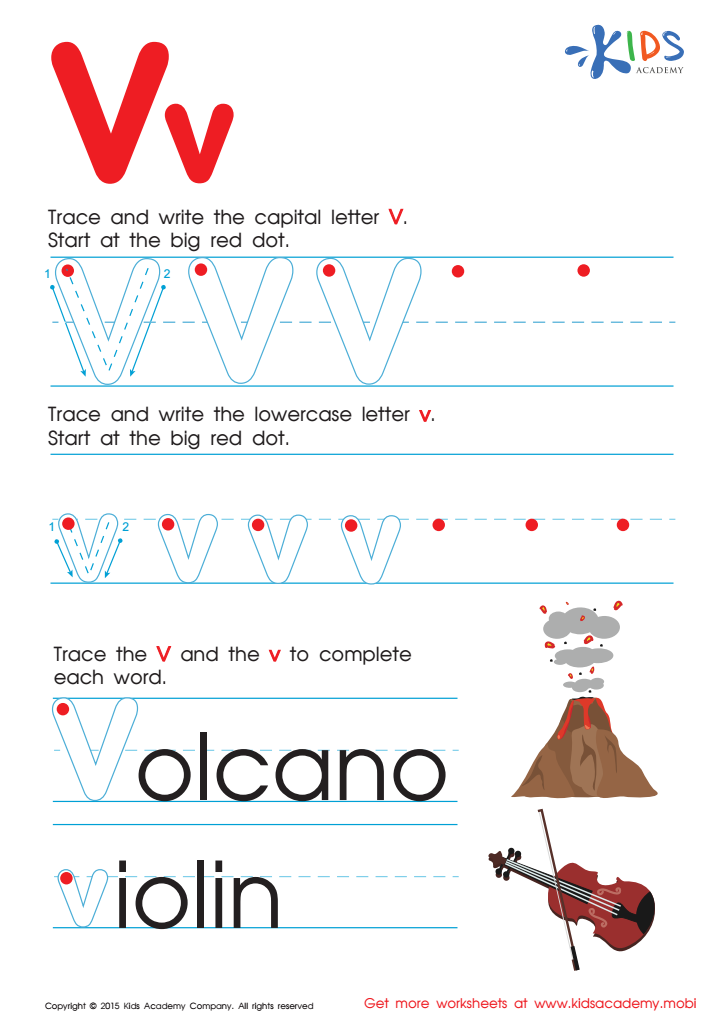
Letter V Tracing Page
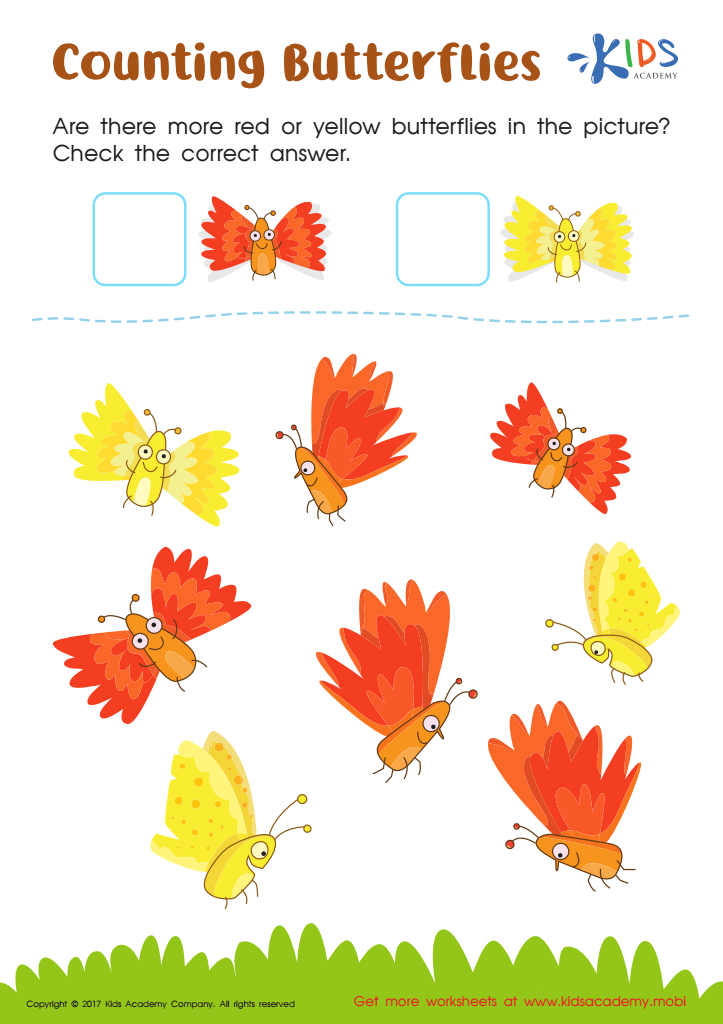
Counting Butterflies Worksheet
The Circle Maze Worksheet
Santa Claus Tracing Winter Words Worksheet
Pirate Ship Connect Dots Worksheet
Pilgrim Maze Worksheet
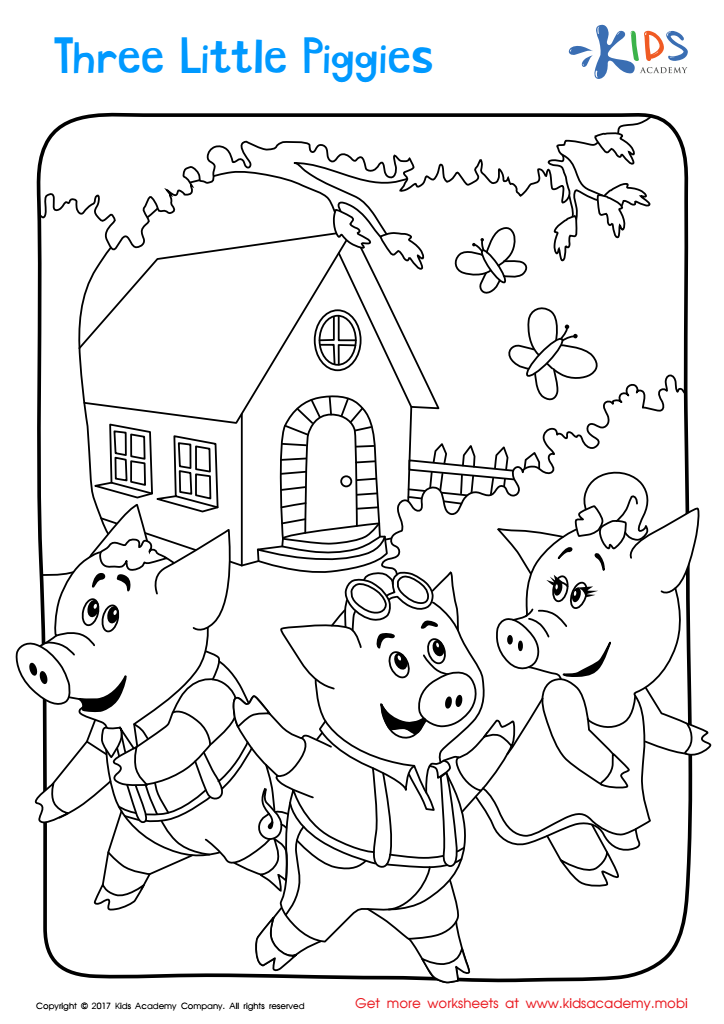
Three Little Piggies Printable Coloring Page
 Assign to My Students
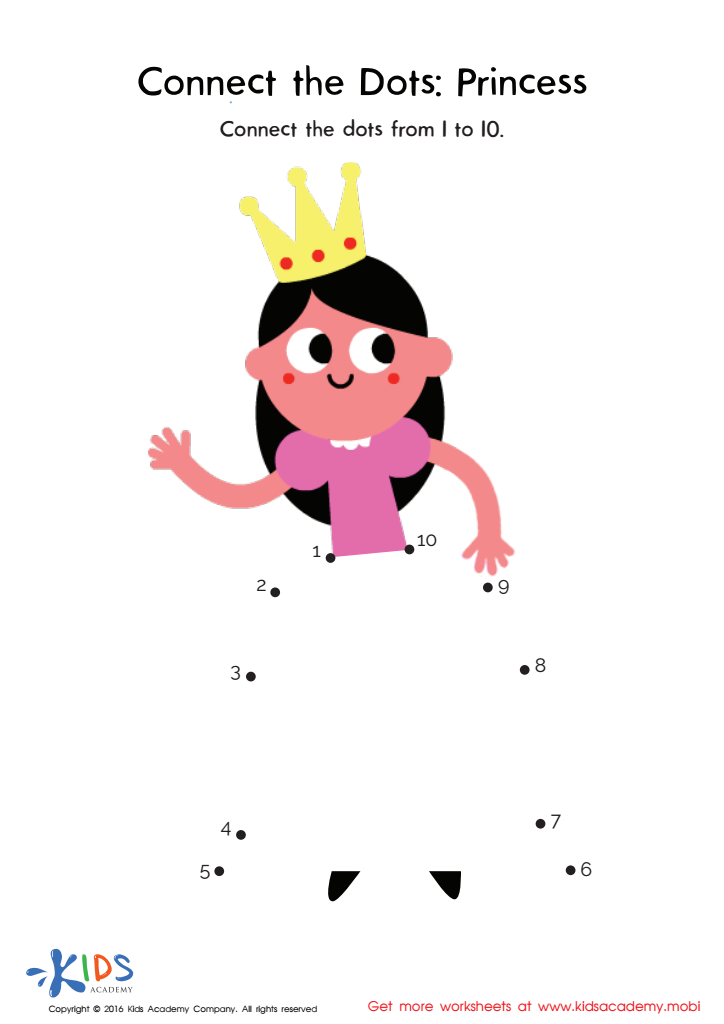
Princess Connect Dots Worksheet
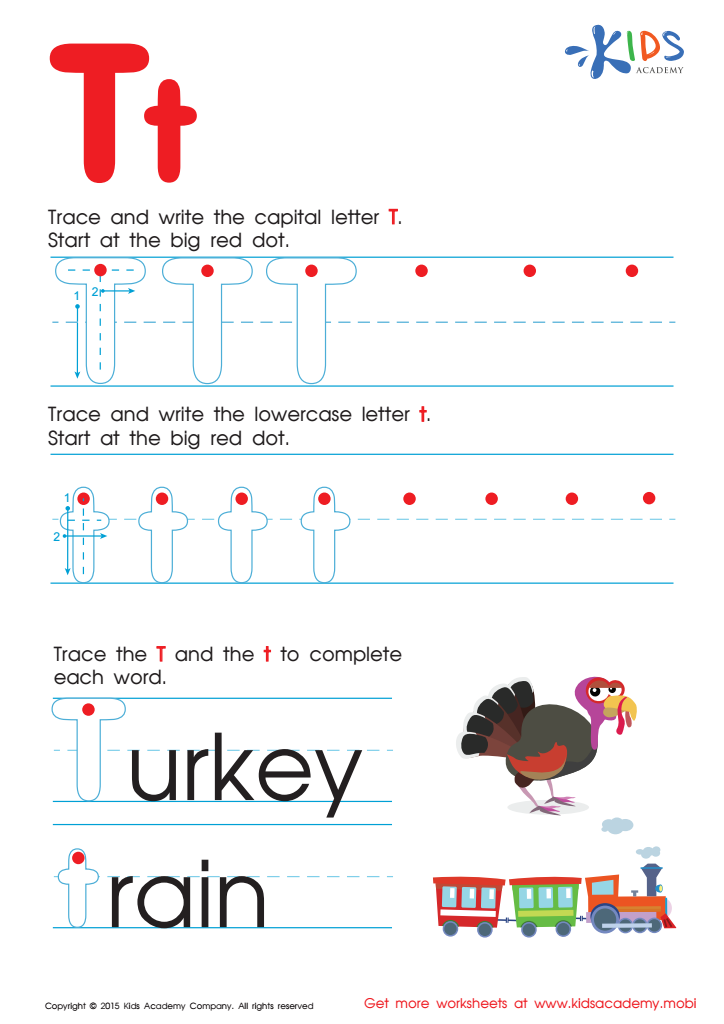
Letter T Tracing Page
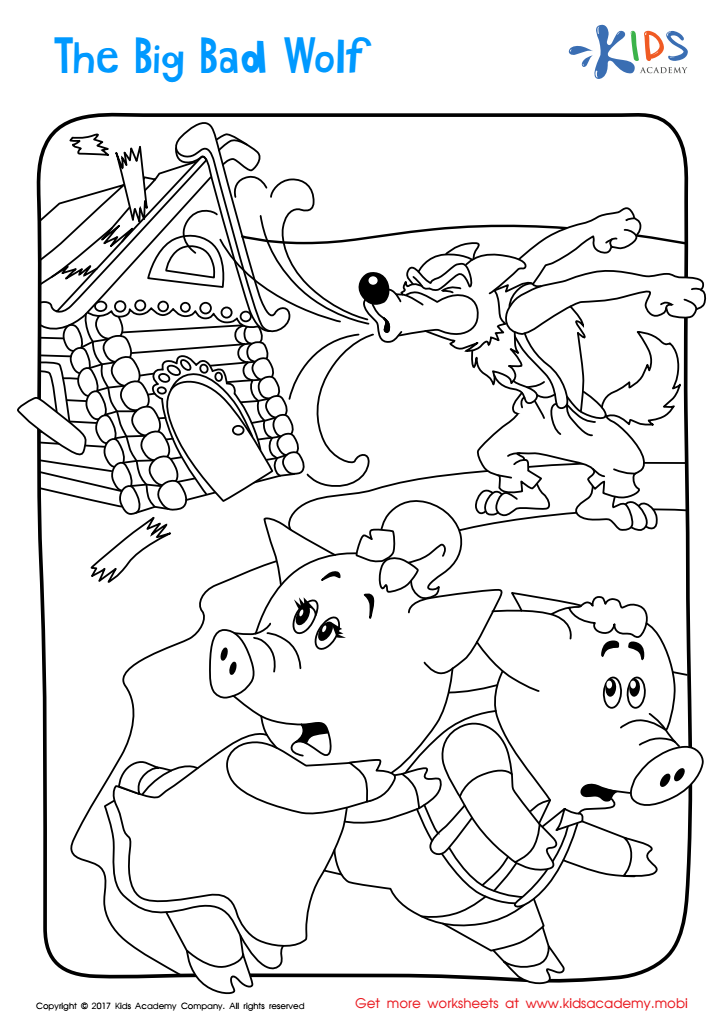
Big Bad Wolf Printable Coloring Page
Assign to My Students
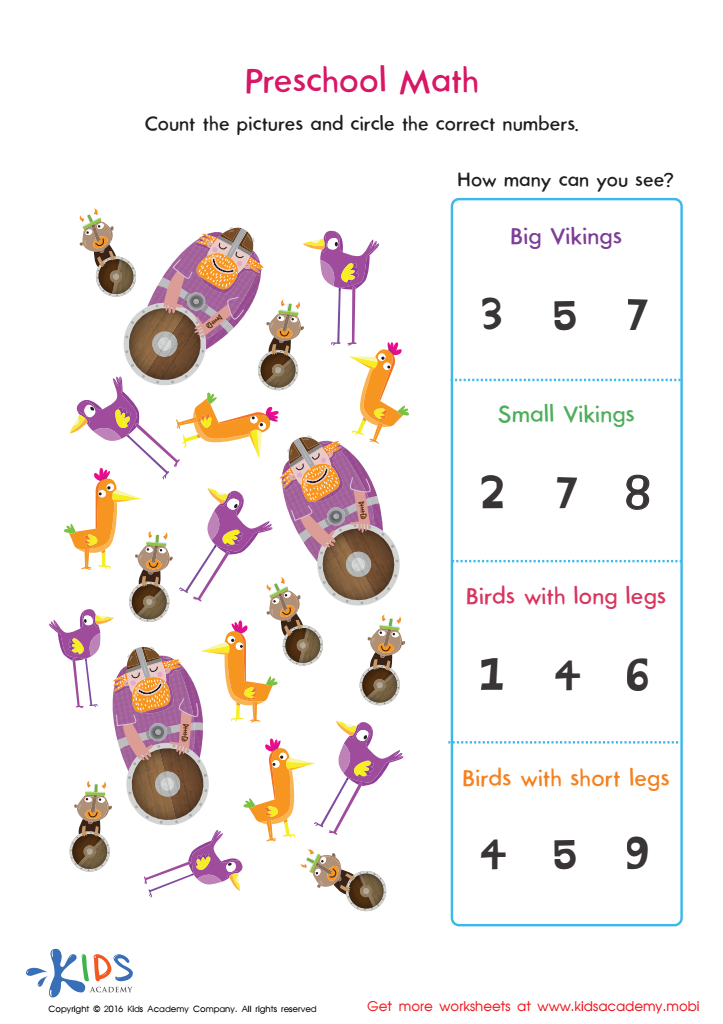
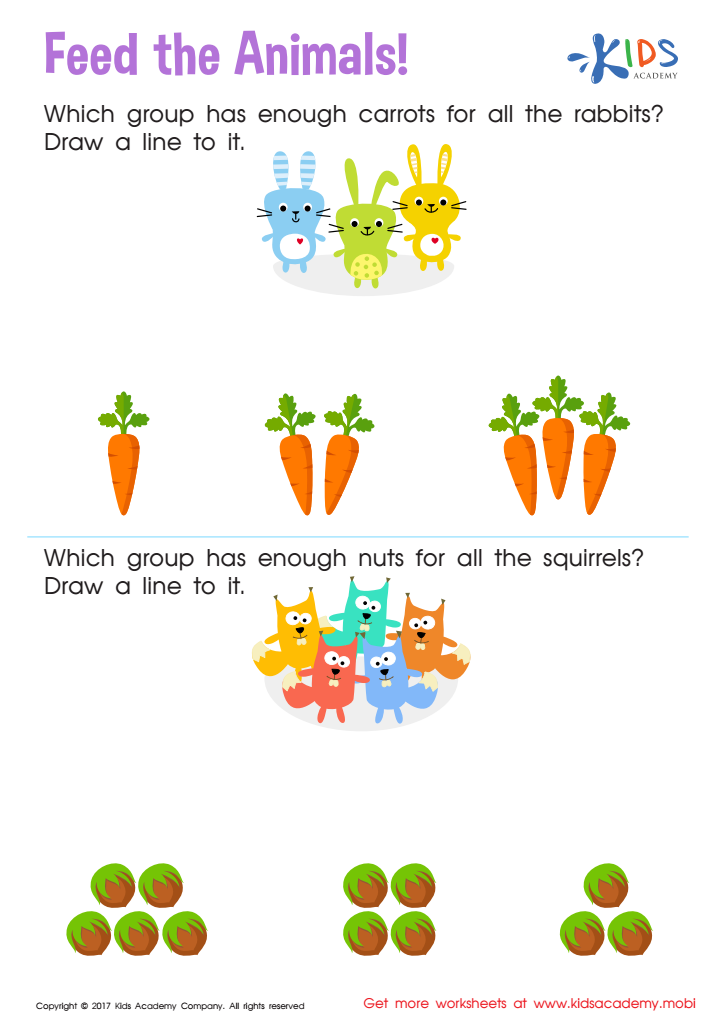
Count and Match: Feed the Animals Worksheet






%20(1).jpg)

Fine motor skills are essential for a child’s overall development, especially at the age of six when they encounter increasingly complex tasks in school and daily life. Parents and teachers should prioritize fine motor skills because they directly impact a child’s ability to perform basic yet crucial activities, such as writing, cutting with scissors, and tying shoelaces. Challenges specifically designed to enhance these skills can promote dexterity and hand-eye coordination, which are vital for academic tasks and self-care routines.
By participating in fine motor skill challenges, children develop control over their hands and fingers, setting a strong foundation for future learning. Enhanced fine motor proficiency can lead to improved handwriting, greater confidence in classroom participation, and a higher likelihood of success in STEM-related tasks that require precision.
Moreover, engaging children in fun fine motor activities fosters creativity and problem-solving skills, encouraging a love for learning. Parents and teachers should be proactive in integrating these challenges into daily routines, ensuring that children not only improve their physical skills but also cultivate perseverance and resilience. In today’s digital age, where technology often overshadows hands-on activities, nurturing fine motor skills becomes even more critical for balanced development.








