Number Sequencing Extra Challenge Numbers Worksheets for 6-Year-Olds
5 filtered results
-
From - To
Discover our "Number Sequencing Extra Challenge Worksheets" designed for 6-year-olds, perfect for enhancing your child's math skills! These engaging worksheets offer interactive activities that encourage children to practice and master number sequencing in a fun and educational way. Tailored to challenge young learners, they include a variety of tasks like filling in missing numbers, creating sequences, and solving puzzles that stimulate critical thinking. Ideal for home or classroom use, our worksheets not only boost confidence but also lay a strong foundation in math. Let your child embark on an exciting learning journey with our stimulating number sequencing activities today!
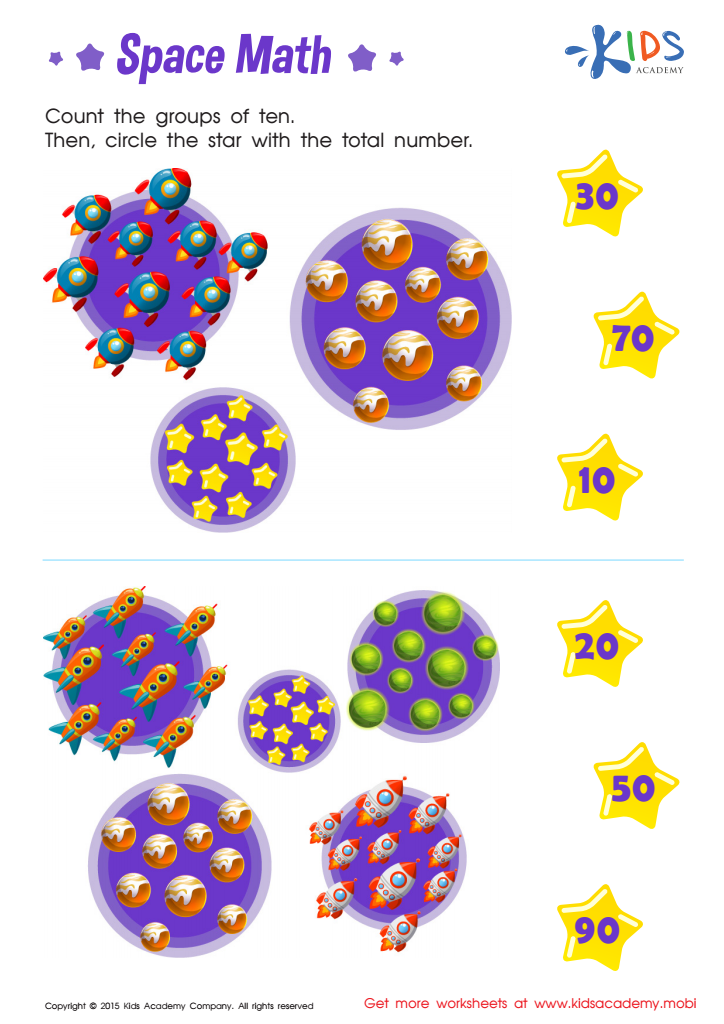
Learn dozens: Space math Worksheet
 Assign to My Students
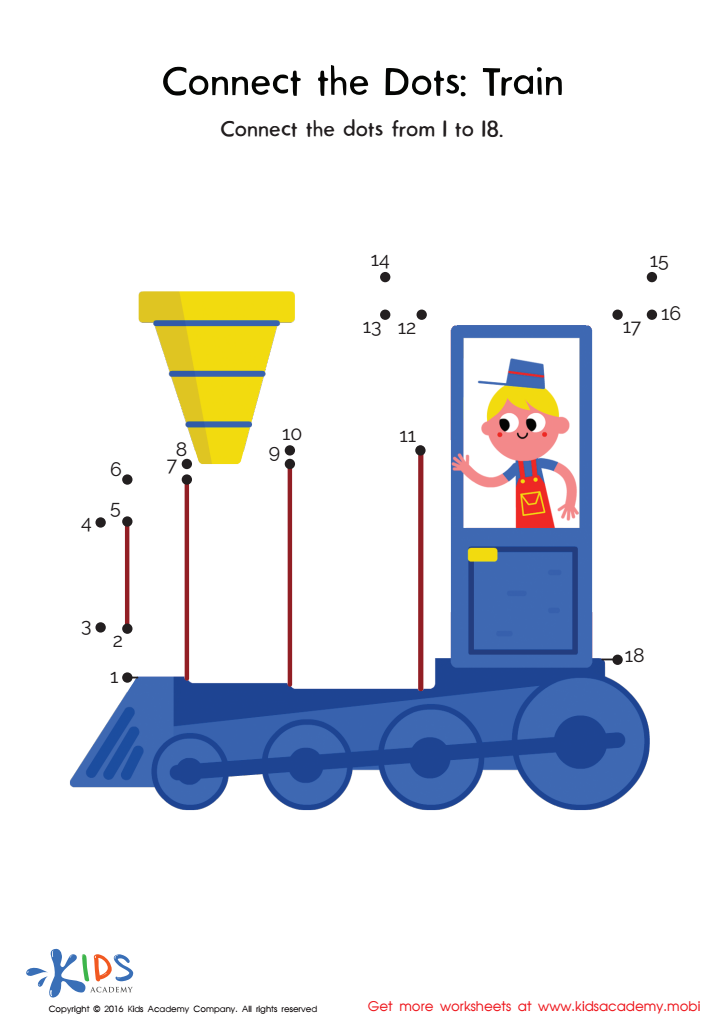

Pirate Ship Connect Dots Worksheet
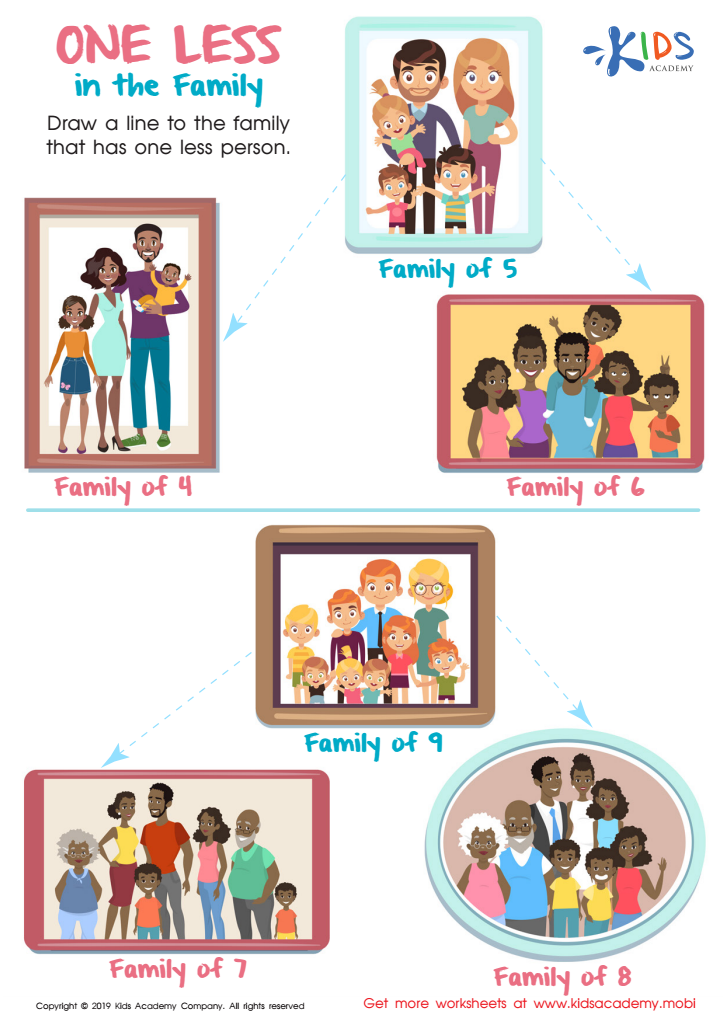
One Less in the Family Worksheet
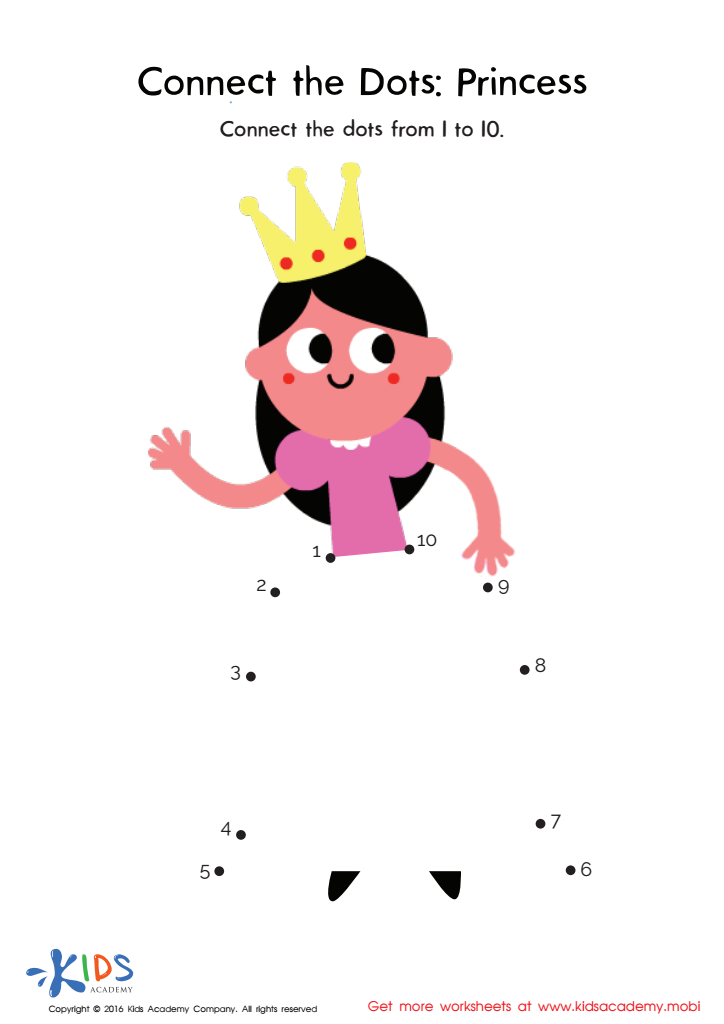
Princess Connect Dots Worksheet








Number sequencing is a vital cognitive skill that lays the foundation for mathematical understanding in young children, particularly for 6-year-olds. When parents or teachers engage children with extra challenges in number sequencing, it promotes critical thinking and problem-solving abilities that are crucial not just in math but across all subjects. By working with extra challenge numbers, children learn to recognize patterns and establish relationships between numbers, which can significantly enhance their mathematical fluency.
Moreover, mastering number sequencing helps children develop strong number sense, enabling them to manipulate and comprehend numerical concepts more effectively. This accelerated understanding of sequences can facilitate quicker and more intuitive math problem-solving in the future. Additionally, participating in challenging and structured activities can increase a child's confidence, as they experience accomplishment through overcoming difficulties.
Encouraging excitement for numbers through engaging activities not only prepares children for academic success but also encourages a lifelong love of learning. Parents and teachers play a crucial role in nurturing these essential skills, making it imperative for them to promote fun, interactive, and challenging number sequencing exercises tailored for young learners. By doing so, they contribute significantly to the child's overall cognitive development and academic readiness.