
Spelling practice Extra Challenge Worksheets for Ages 7-8
10 filtered results
Difficulty Level
Grade
Age
-
From - To
Subject
Activity
Standards
Discover our "Spelling Practice Extra Challenge Worksheets" designed specifically for ages 7-8! These engaging worksheets provide fun and interactive activities that aim to enhance your child's spelling skills. With a variety of challenging exercises, including word scrambles, fill-in-the-blanks, and matching games, children will not only learn new vocabulary but also reinforce their understanding of spelling patterns. Perfect for extra practice at home or as supplementary materials in the classroom, these worksheets are tailored to keep young learners motivated and excited about mastering spelling. Encourage your child to embark on this fun learning journey today! Explore our resources now!
Favorites
With answer key
Interactive
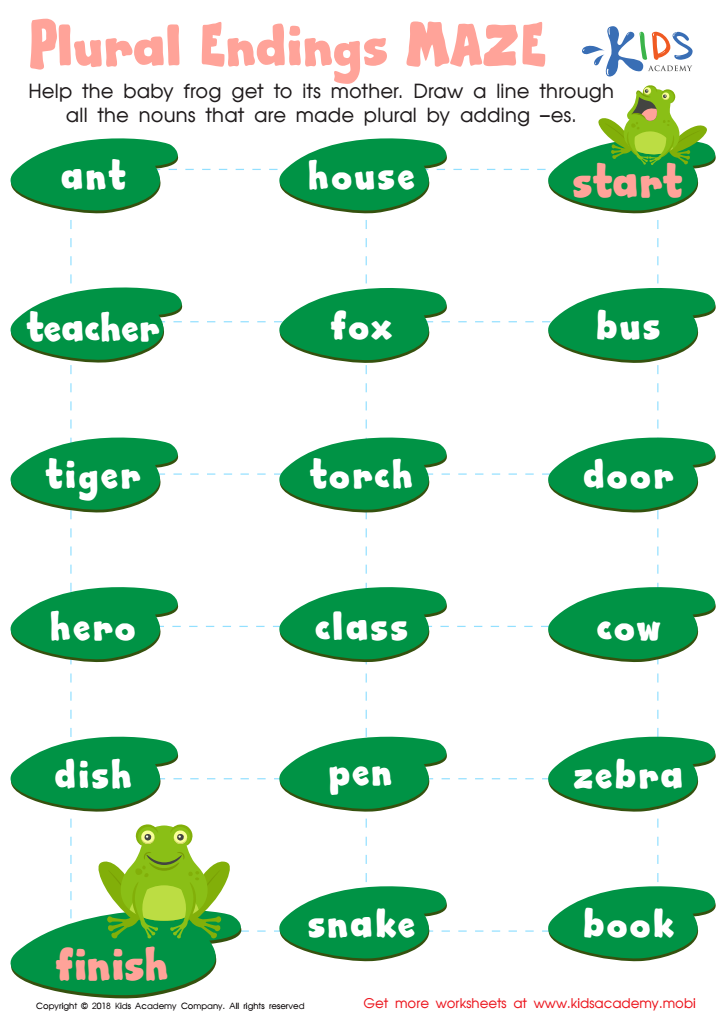
Plural Endings Maze Worksheet
Help your child have fun while learning new things with this worksheet. Does your child know that some nouns require '-es' to make them plural? Use this pdf to teach them the rule and get the little frog to its mother – draw a line through the words with '-es' plural forms.
 Assign to My Students
Plural Endings Maze Worksheet
Worksheet
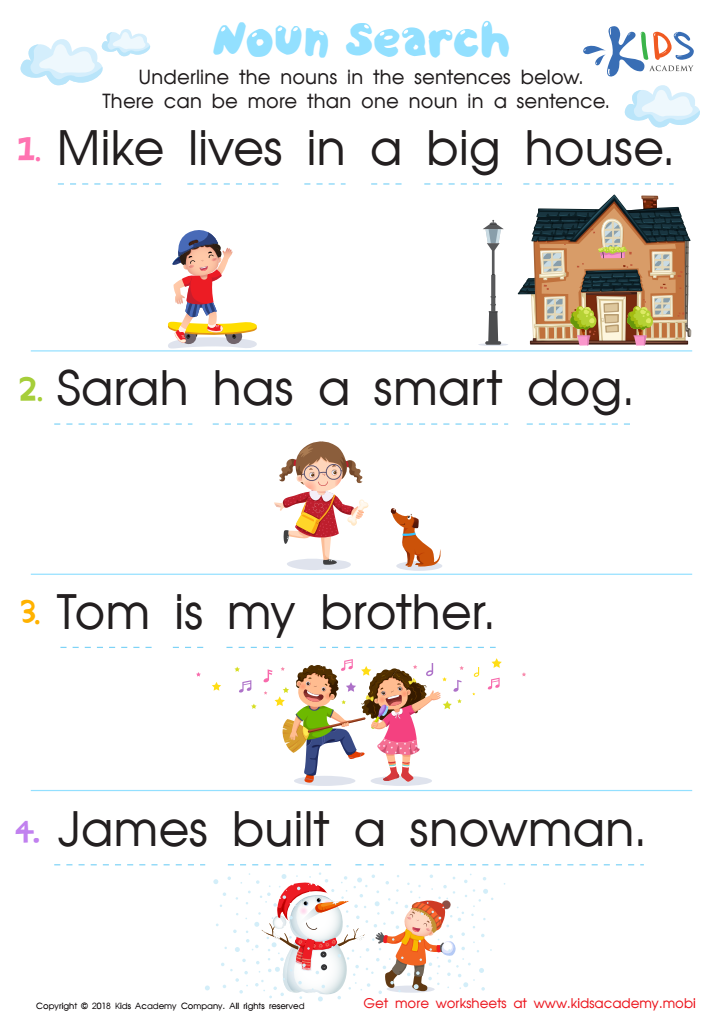
Noun Search Worksheet
To help your children learn the basics of grammar, start with nouns, verbs, adverbs and adjectives. This noun search worksheet will help your child understand the most common part of speech - the noun. Ask them to underline the nouns in each sentence. This is a great way to start learning proper grammar.
Noun Search Worksheet
Worksheet
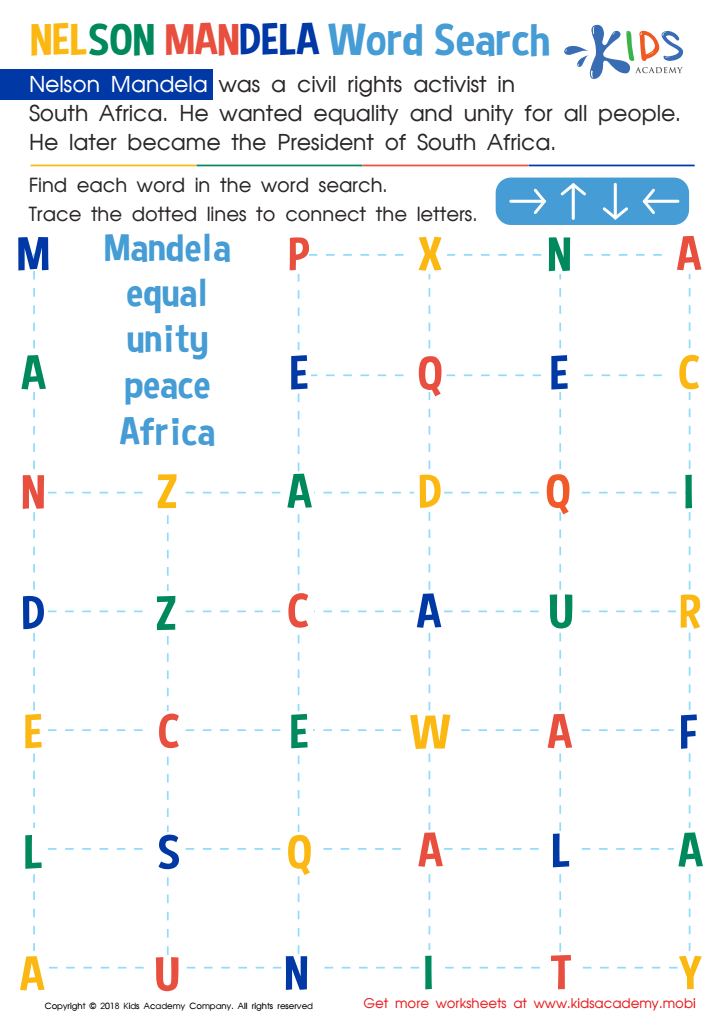
Nelson Mandela Word Search Worksheet
Kids love word searches! This fun, free worksheet teaches about the civil rights activist Nelson Mandela. It includes traceable lines and words related to him, helping improve fine motor skills. A great way to learn about a great man!
Nelson Mandela Word Search Worksheet
Worksheet
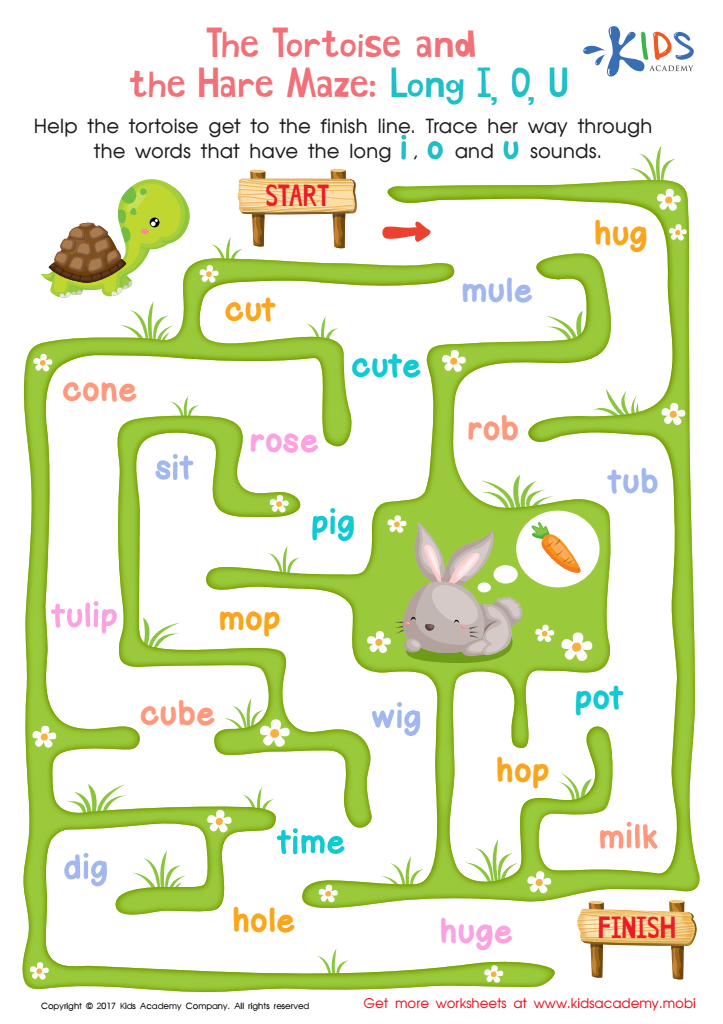
Long I, O, U Words Worksheet
This fun phonics worksheet has your child race the tortoise and hare to the finish line. Find all the long vowel sounds to win! It'll help your child's recognition of long I, O, and U words without him realizing it!
Long I, O, U Words Worksheet
Worksheet
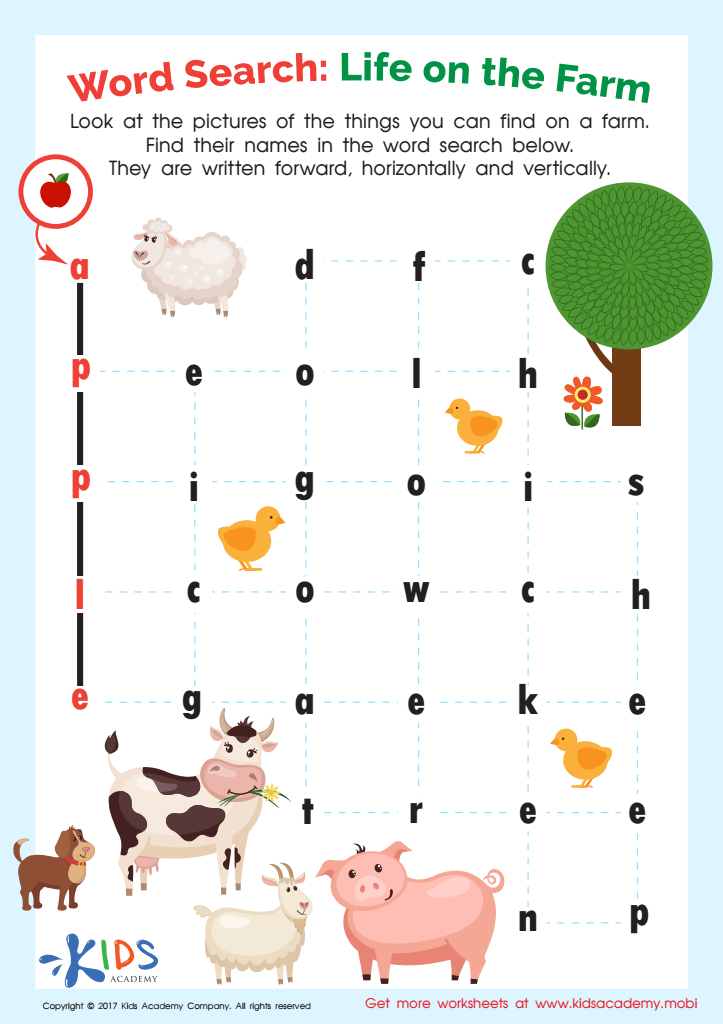
Word Search Puzzles Worksheet
2nd grade word search puzzles are great fun, helping kids flex their knowledge of words and spellings. Kids can use the pictures to find farm-themed words hidden on the page. It's a great way to learn!
Word Search Puzzles Worksheet
Worksheet
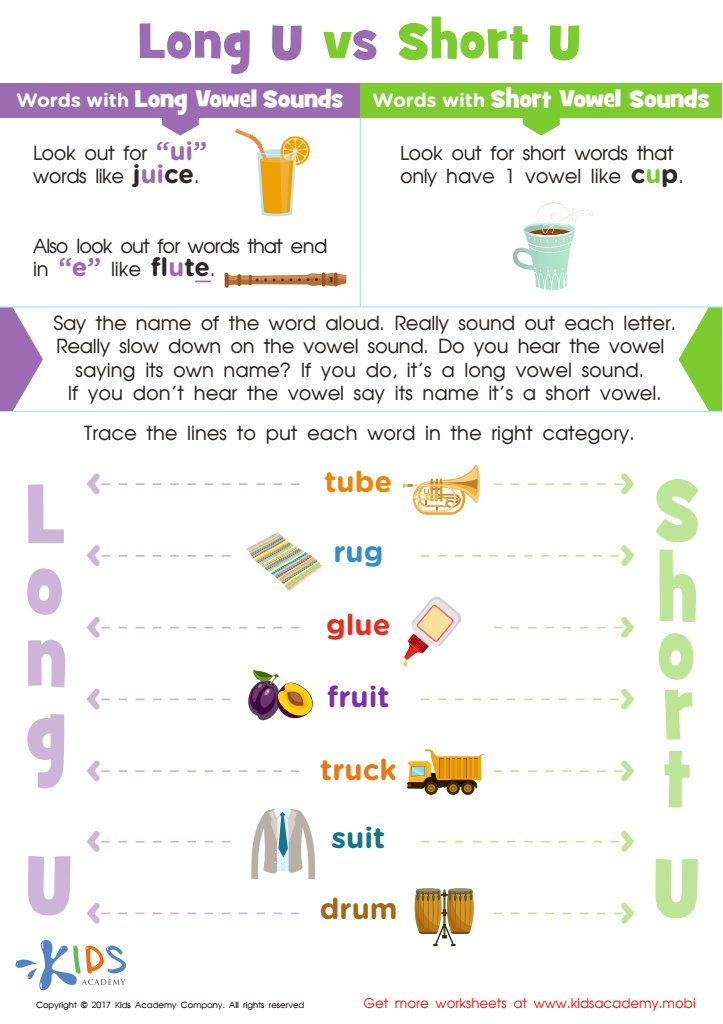
Long and Short Vowel U Spelling Worksheet
Help your child learn long and short vowel sounds with this fun long and short vowel U worksheet! Kids can become proficient spellers by mastering simple spelling tricks and sounding out letters.
Long and Short Vowel U Spelling Worksheet
Worksheet
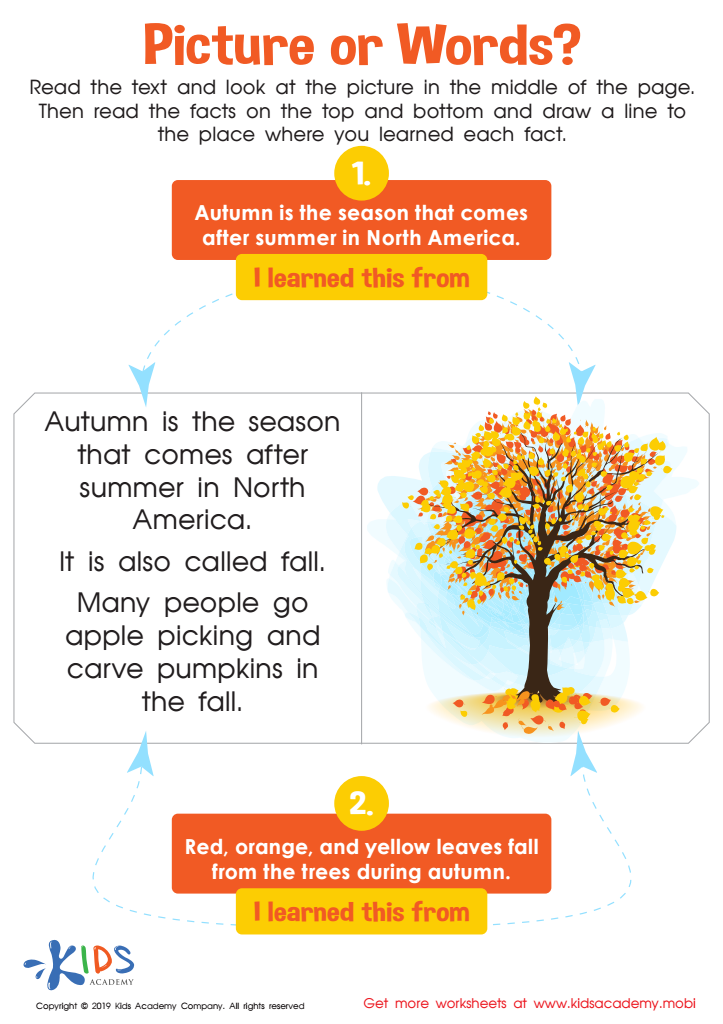
Picture Words Worksheet
Pictures are key for early reading skills. Remind children to use all resources when reading passages to understand meaning. With the free PDF, kids can learn through pictures & words, then answer questions based on what they learned. This hits home that all info in text is valuable, pics included!
Picture Words Worksheet
Worksheet
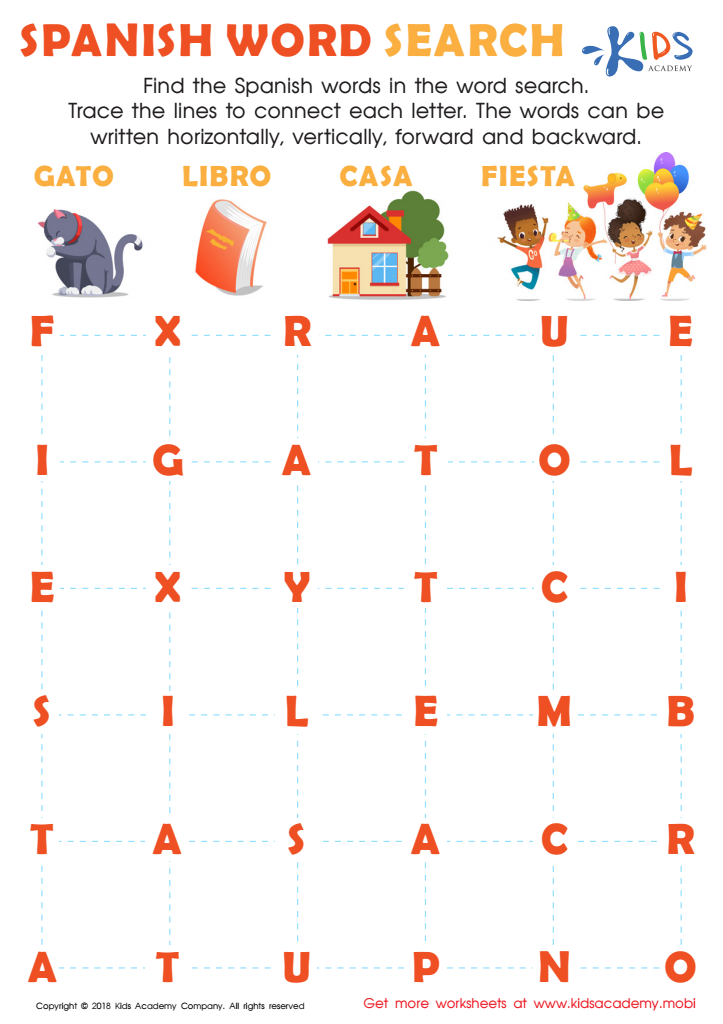
Spanish Word Search Worksheet
This free worksheet encourages students to learn Spanish words while developing visual, fine motor, and hand-eye coordination skills. Through colorful pictures and traceable lines, the task of finding words such as gato, libro, casa, and fiesta is disguised as a fun and engaging way to explore new cultures.
Spanish Word Search Worksheet
Worksheet
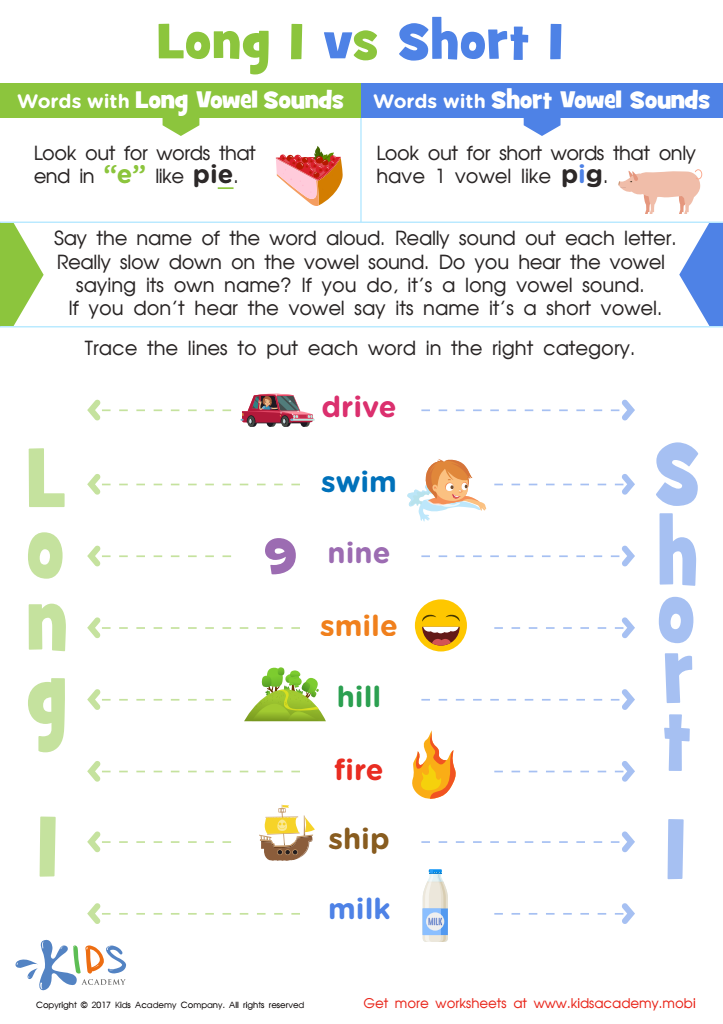
Long and Short Vowel I Spelling Worksheet
When it comes to long "I" sounds, kids should look out for the letter "E" at the end. With examples and sounding out words, kids will improve spelling skills with this long/short "I" worksheet!
Long and Short Vowel I Spelling Worksheet
Worksheet
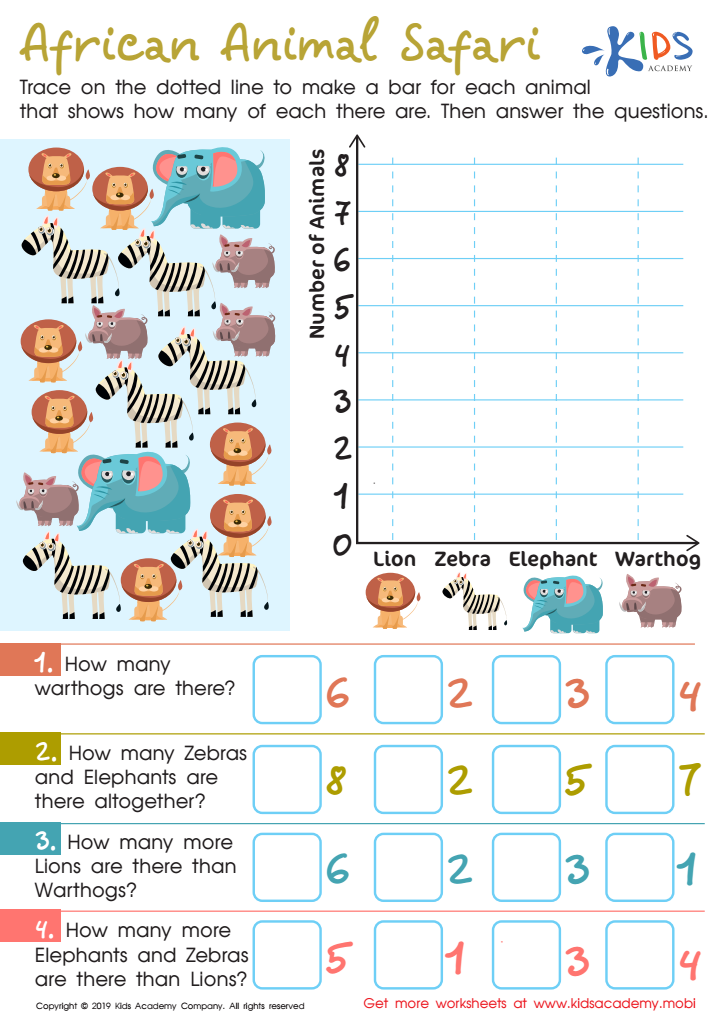
African Animal Safari Worksheet
Help students learn geography and math, with this worksheet. Examine the graph and ask your students questions. Have them answer using the graph and addition/subtraction exercises. This can help them name continents, countries, and animals unique to each.
African Animal Safari Worksheet
Worksheet
Join Kids Academy for Free
Who is primarily going to use this learning content?







Spelling practice is crucial for children ages 7-8 as it lays the foundation for their literacy skills, influencing their overall academic success. At this stage, children are developing independence in reading and writing; thus, enhancing their spelling abilities can significantly bolster their confidence and motivation.
Extra challenges in spelling practice stimulate cognitive growth, encouraging children to engage with language more deeply. Challenging exercises motivate students to expand their vocabulary and improve their comprehension, enabling them to express themselves more clearly and effectively. Furthermore, mastery of spelling helps prevent difficulties in understanding written texts, which could lead to broader language struggles as they progress in school.
Parents and teachers play an essential role in cultivating a love for learning through spelling. By providing diverse spelling activities, such as word games and interactive exercises, they can help kids develop critical problem-solving skills and creativity in fun, engaging ways. Additionally, both educators and parents can monitor progress and provide the necessary support, turning spelling practice into a collaborative and positive experience. Ultimately, by valuing spelling practice and offering extras and challenges, adults significantly enhance children's literacy development, setting the stage for lifelong learning and communication skills.








