Alphabet Recognition Extra Challenge ABC Order Worksheets for Ages 7-9
3 filtered results
-
From - To
Discover our "Alphabet Recognition Extra Challenge ABC Order Worksheets," designed specifically for children ages 7-9! These engaging worksheets will help young learners strengthen their alphabet recognition skills while mastering the order of letters. Packed with fun and interactive activities, kids will enjoy practicing sorting, sequencing, and writing letters in alphabetical order. Our carefully crafted challenges cater to various learning styles and promote critical thinking. Perfect for classroom or home use, these worksheets offer ideal supplementary material that makes learning the alphabet exciting. Boost your child’s confidence and literacy skills today with our innovative resources from Kids Academy!
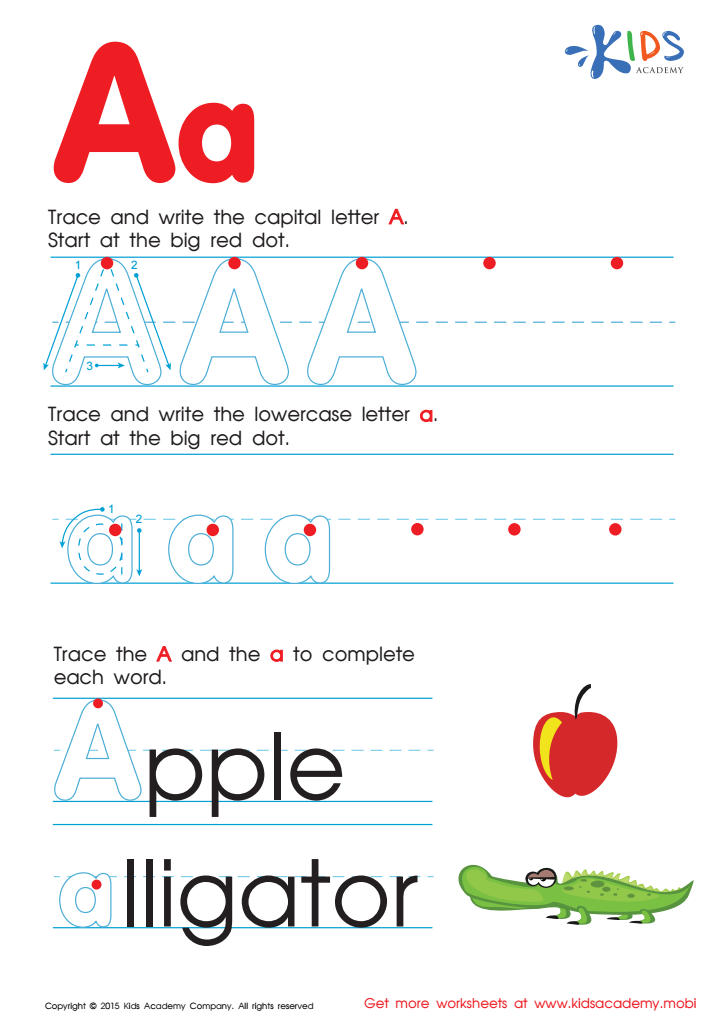
Letter A Tracing Page
 Assign to My Students
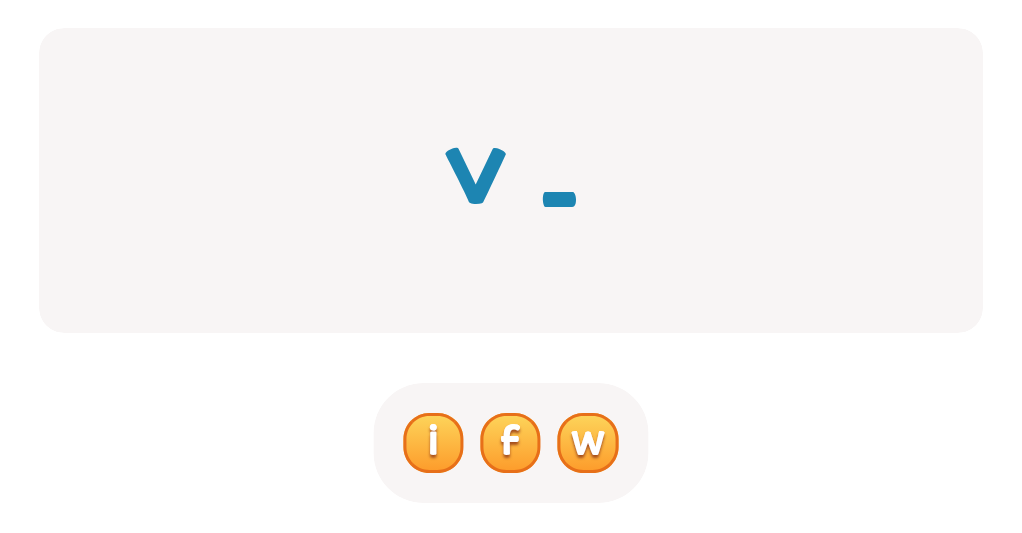

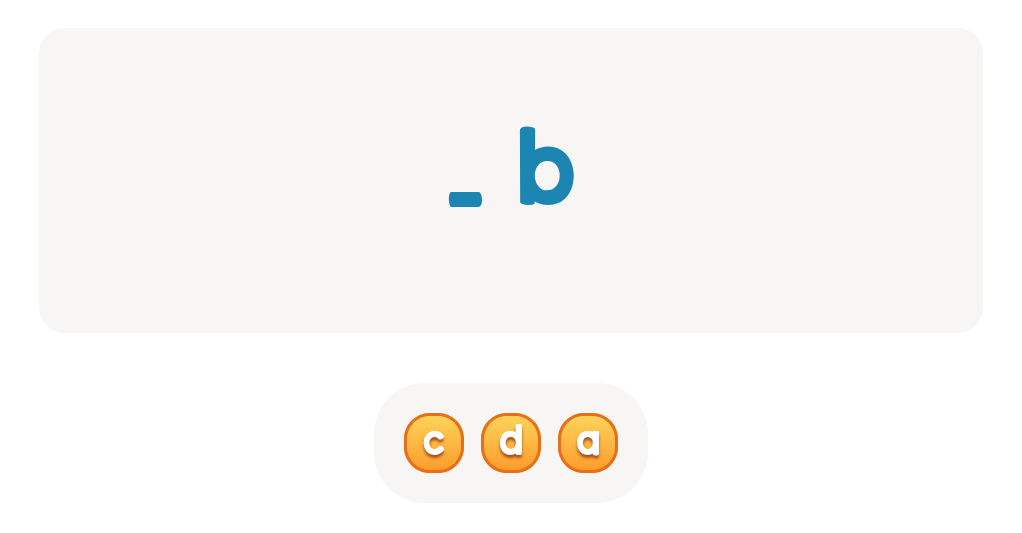
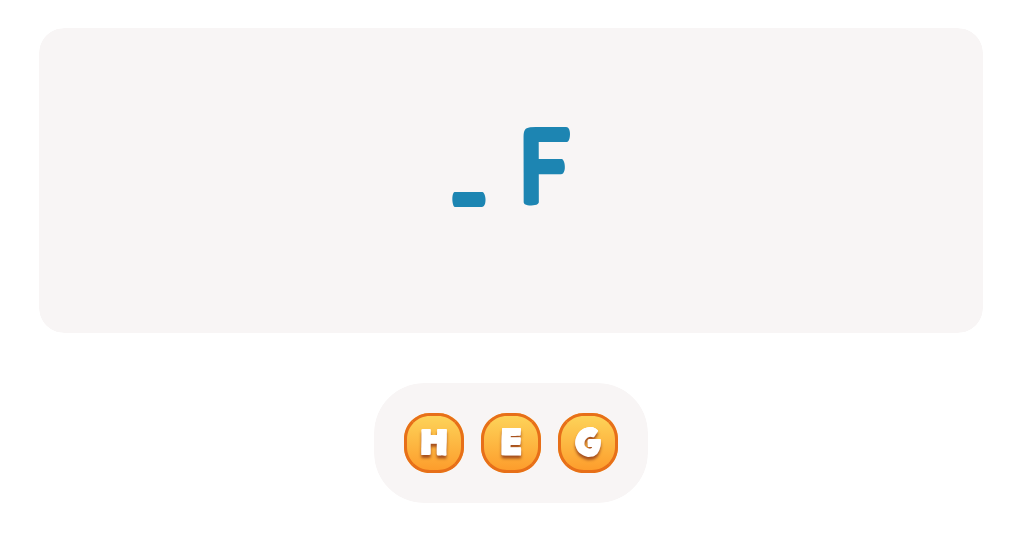
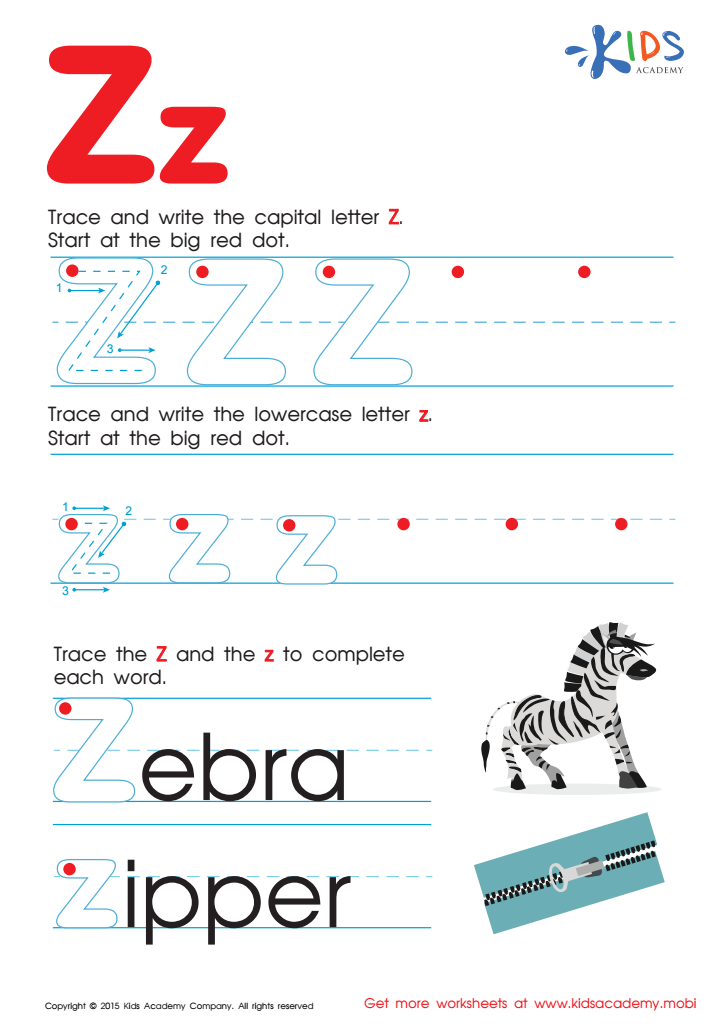
Letter Z Tracing Page
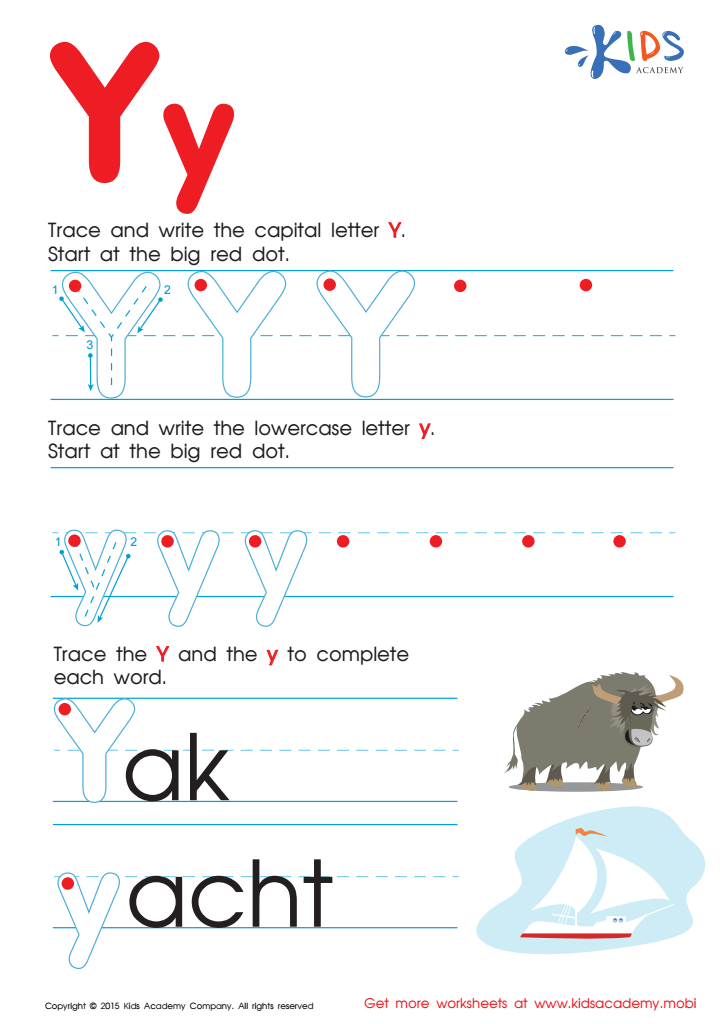
Letter Y Tracing Page








Alphabet recognition is foundational to early literacy skills, and for children aged 7-9, mastering alphabet order is crucial for several reasons. First, it enhances reading and writing capabilities, as understanding the sequence of letters aids in phonics and vocabulary development. This age group begins encountering more complex texts where knowledge of alphabetical structure is essential for refining comprehension skills.
Engaging in an Extra Challenge focusing on ABC Order encourages critical thinking and reinforces memory. Parents and teachers invested in their students' literacy journeys understand that such challenges not only make learning enjoyable but also stimulate language development. Beyond academics, developing a solid grounding in alphabet recognition instills confidence and fosters a love for reading.
Additionally, this challenge can promote collaboration and conversation, offering opportunities for parents and teachers to participate, creating meaningful interactions around learning. By prioritizing activities like Alphabet Recognition Extra Challenge ABC Order, educators and parents contribute to well-rounded literacy skills that form a necessity for lifelong learning and academic success. In today's digital world, such foundational skills are more vital than ever, helping young learners navigate not just books, but an ever-growing array of information in their daily lives.








