Handwriting practice Extra Challenge English for Beginners Worksheets for Ages 7-9
5 filtered results
-
From - To
Boost your child's handwriting skills with our "Handwriting Practice Extra Challenge" worksheets, specially designed for ages 7-9. Perfect for beginners in English, these engaging worksheets make learning fun and effective. Each sheet offers a unique set of challenges to improve penmanship, letter formation, and overall handwriting fluency. Tailored to meet the needs of young learners, they provide a structured yet enjoyable approach to mastering handwriting. Whether for classroom use or at-home practice, our worksheets ensure children gain confidence and proficiency in their writing abilities. Start today and watch them benefit from improved handwriting skills!
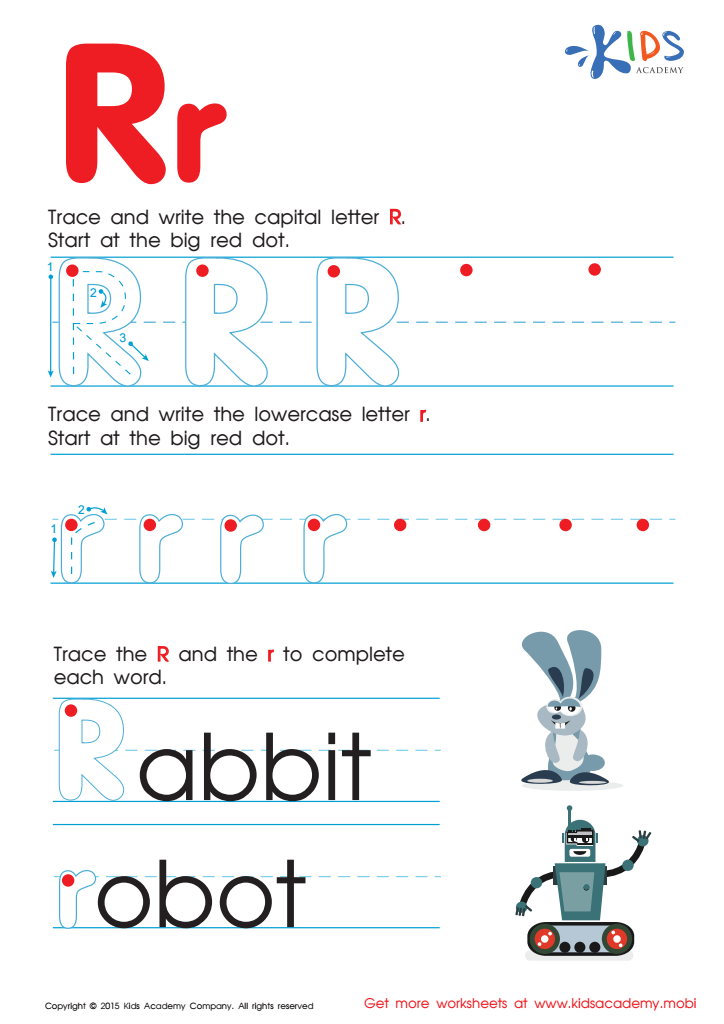
Letter R Tracing Page
 Assign to My Students
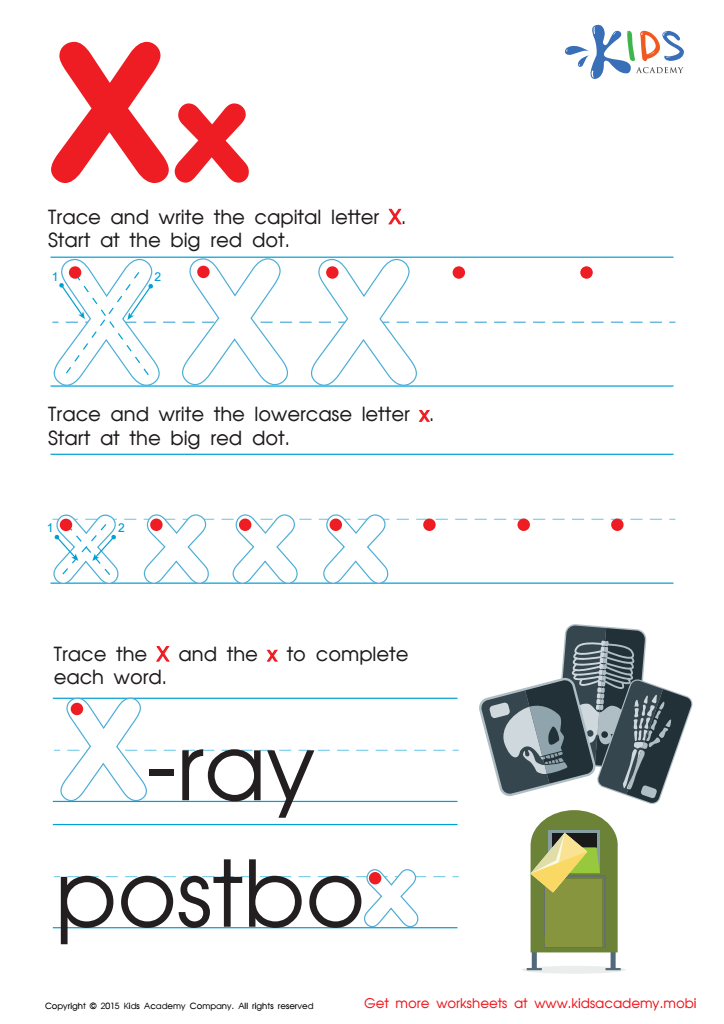
Letter X Tracing Page
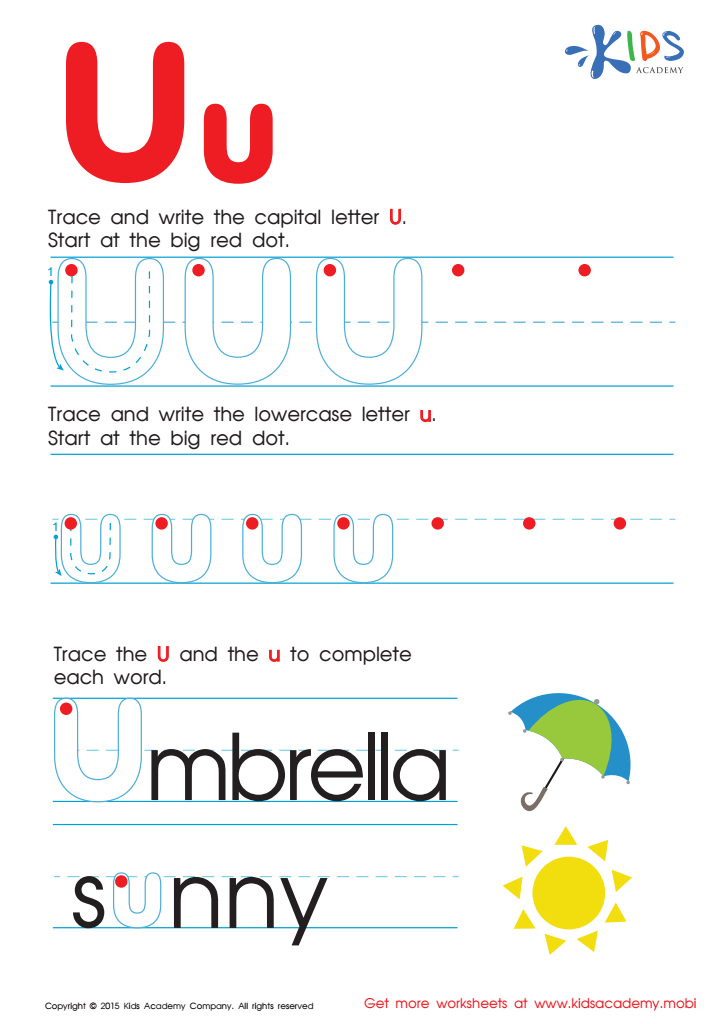
Letter U Tracing Page
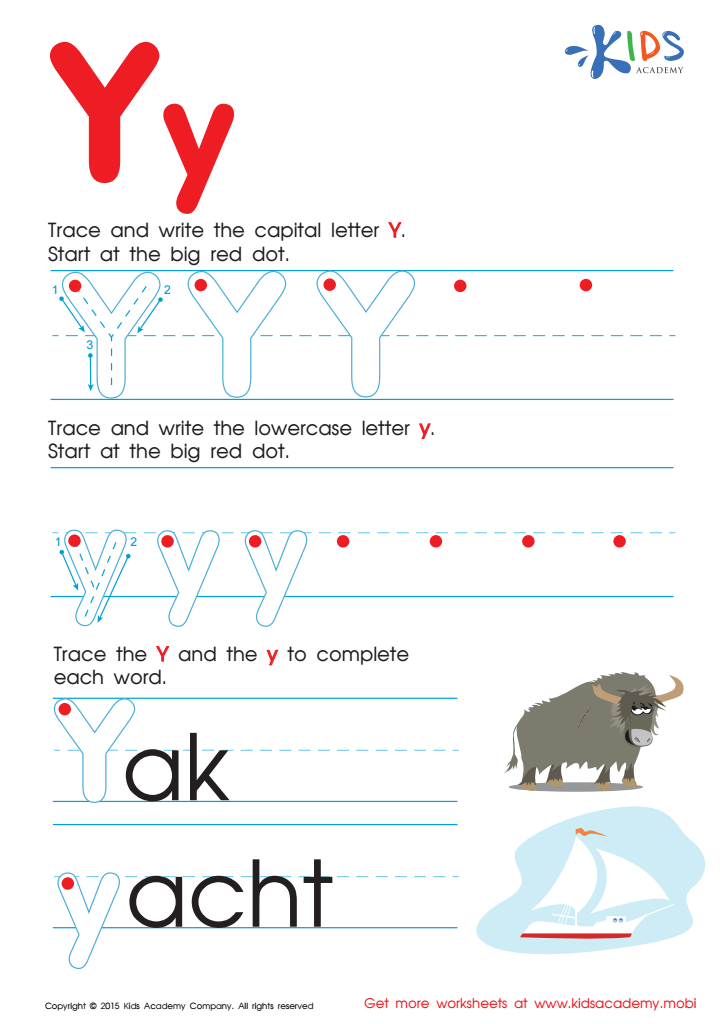
Letter Y Tracing Page

Letter V Tracing Page





Handwriting practice is an important yet sometimes overlooked skill, especially for young learners aged 7-9 who are just stepping into the world of early literacy. Both parents and teachers should prioritize this skill for several reasons:
Firstly, handwriting practice helps students develop fine motor skills. The precise hand movements required for writing aid in overall dexterity and coordination, fostering a stronger control over hand-eye activities.
Secondly, consistent handwriting exercises bolster cognitive development. The act of writing engages various regions of the brain, enhancing memory retention, comprehension, and critical thinking skills. Students who write by hand often remember content better and understand it more deeply than those who use digital devices.
Thirdly, handwriting is closely connected to literacy development. Regular writing practices expose children to vocabulary, grammar, sentence structure, and language flow, setting a strong foundation for advanced literacy and communication skills.
Moreover, improved handwriting skills contribute to a child's self-esteem and academic confidence. When students can write clearly and efficiently, they can easily express their ideas and thoughts, leading to better academic performance across subjects.
Lastly, handwriting practice can be a calming and meditative activity, reducing stress and anxiety, thereby improving the overall learning experience. These benefits highlight the importance of handwriting practice for young learners, making it a crucial element of early education.








