Problem-Solving Skills Extra Challenge Life Science Worksheets for Ages 7-9
3 filtered results
-
From - To
Unlock your child's potential with our engaging Problem-Solving Skills Extra Challenge Life Science Worksheets, specially designed for ages 7-9! These worksheets inspire critical thinking and creativity as children explore fascinating topics in life science. Through stimulating exercises, kids will enhance their problem-solving skills while learning about ecosystems, habitats, and living organisms. Each worksheet promotes a hands-on approach to inquiry-based learning, encouraging young minds to connect concepts and develop logical reasoning. Perfect for both classroom use and at-home learning, our extra challenge worksheets provide the ideal balance of fun and education. Equip your child with essential life skills and a passion for science today!
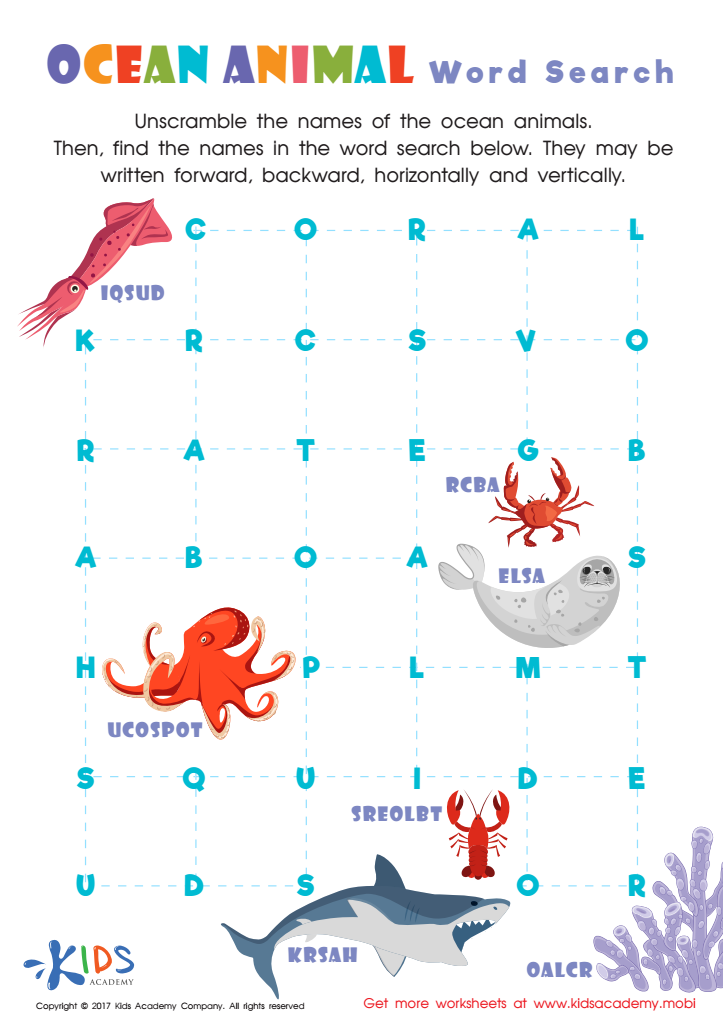
Ocean Animals Word Search Printable
 Assign to My Students
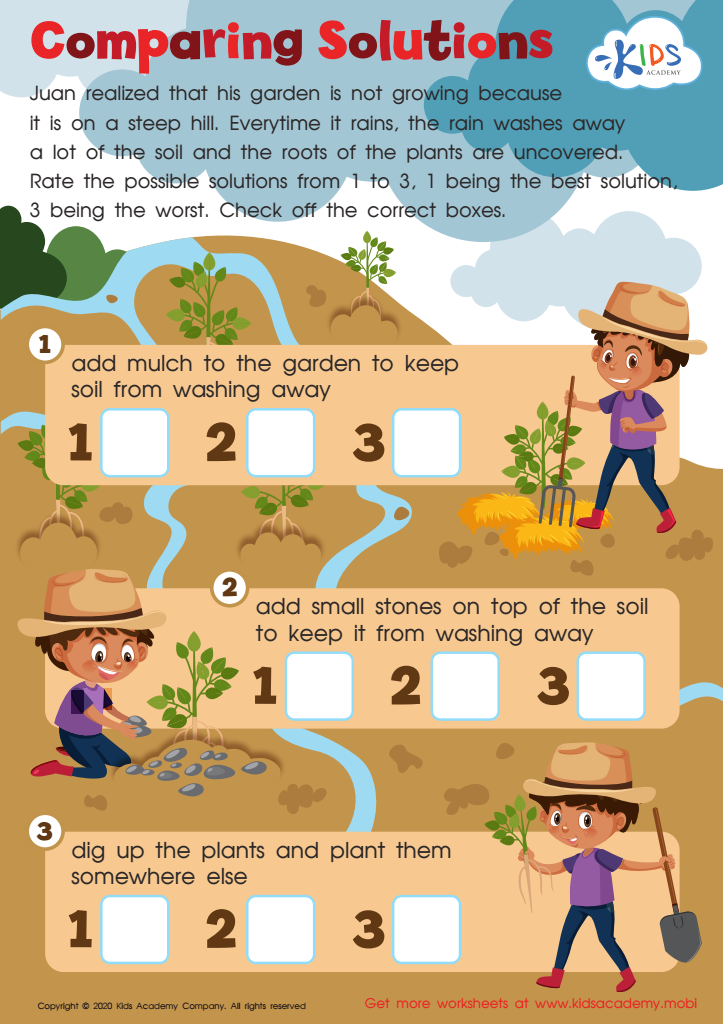
Comparing Solutions Worksheet
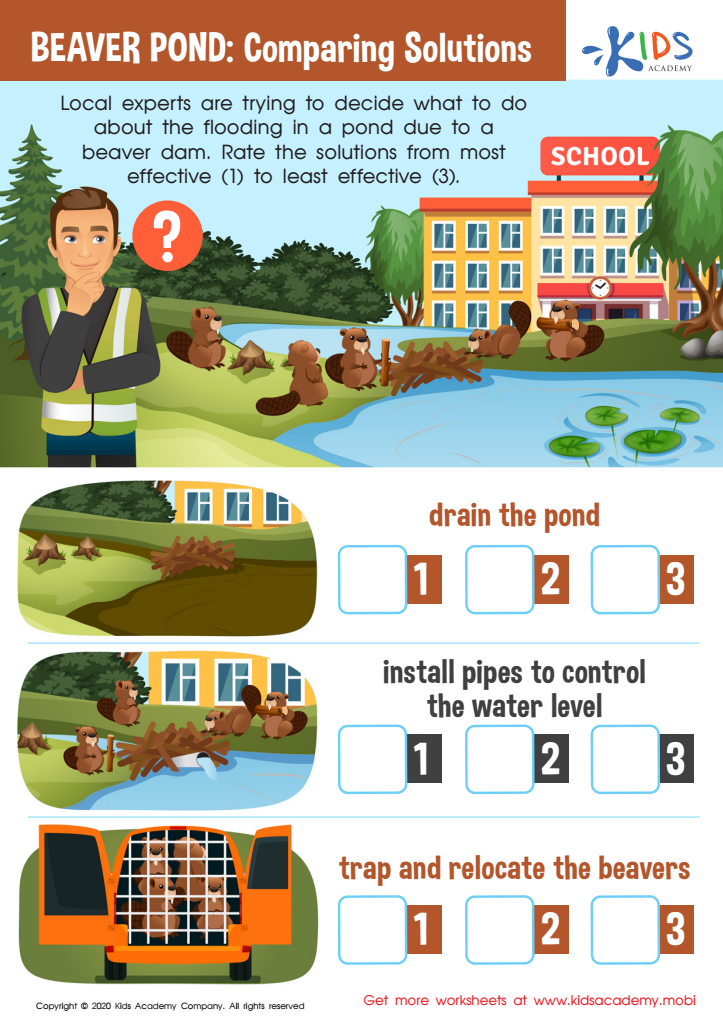
Beaver Pond: Comparing Solutions Worksheet







Problem-solving skills are vital for children, especially within the context of a Life Science curriculum designed for ages 7-9. Engaging students in problem-solving activities related to life science fosters critical thinking and analytical skills that are essential for their overall development. When parents and teachers encourage these skills, they empower children to explore their interests in biology, ecosystems, and the environment, allowing them to make connections between scientific concepts and everyday life.
Additionally, cultivating problem-solving abilities enhances children's creativity and adaptability, teaching them to approach challenges systematically and think outside the box. As they learn to solve real-world problems—such as understanding the importance of biodiversity or the impact of pollution—they develop a sense of responsibility and stewardship towards the environment.
Furthermore, these skills boost academic achievement by promoting perseverance and resilience in the face of difficulties. Kids learn that making mistakes is part of the learning process, fostering a growth mindset that is crucial for lifelong learning. By prioritizing problem-solving activities in Life Science, parents and teachers not only support students' academic success but also prepare them to navigate complex issues in their future, making them more informed citizens and innovators.