Multiplication practice Extra Challenge Social Studies Worksheets for Ages 7-9
3 filtered results
-
From - To
Introducing our "Multiplication Practice Extra Challenge Social Studies Worksheets for Ages 7-9"! Designed to blend math and social studies in a fun, engaging way, these worksheets help young learners enhance their multiplication skills while exploring fascinating social studies topics. Each sheet combines numerical exercises with intriguing questions about geography, history, and culture. Perfect for deepening understanding, nurturing critical thinking, and boosting confidence, our worksheets make learning a multifaceted adventure. Ideal for classroom use or at-home practice, they provide an extra challenge for young minds eager to excel. Dive in today and enrich your child's educational journey!
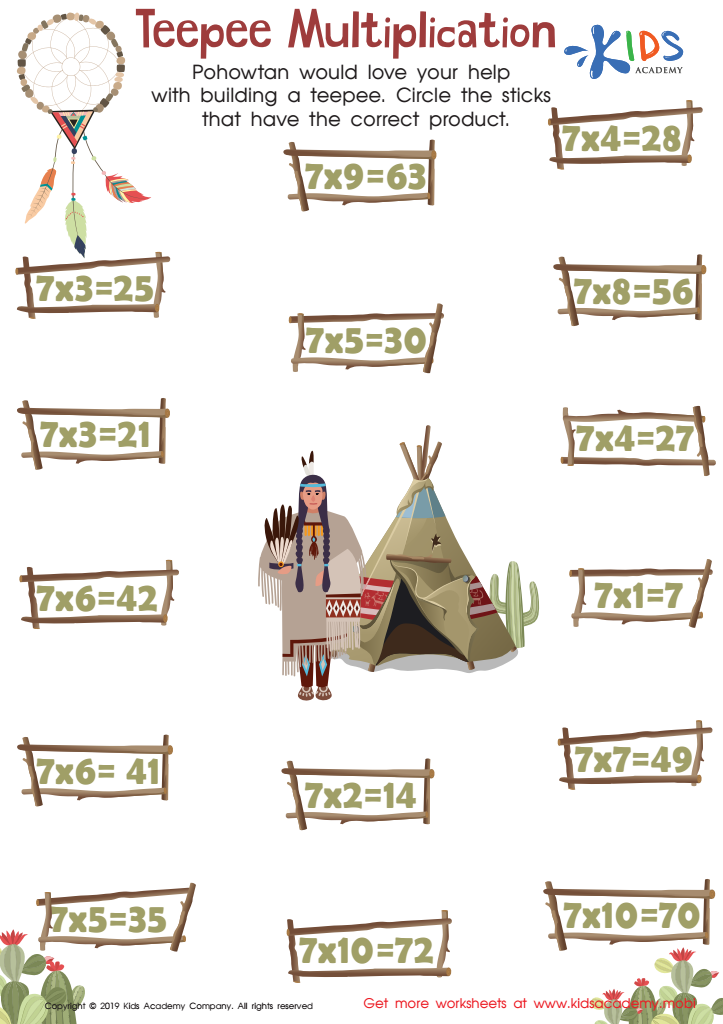
Teepee Multiplication Worksheet
 Assign to My Students
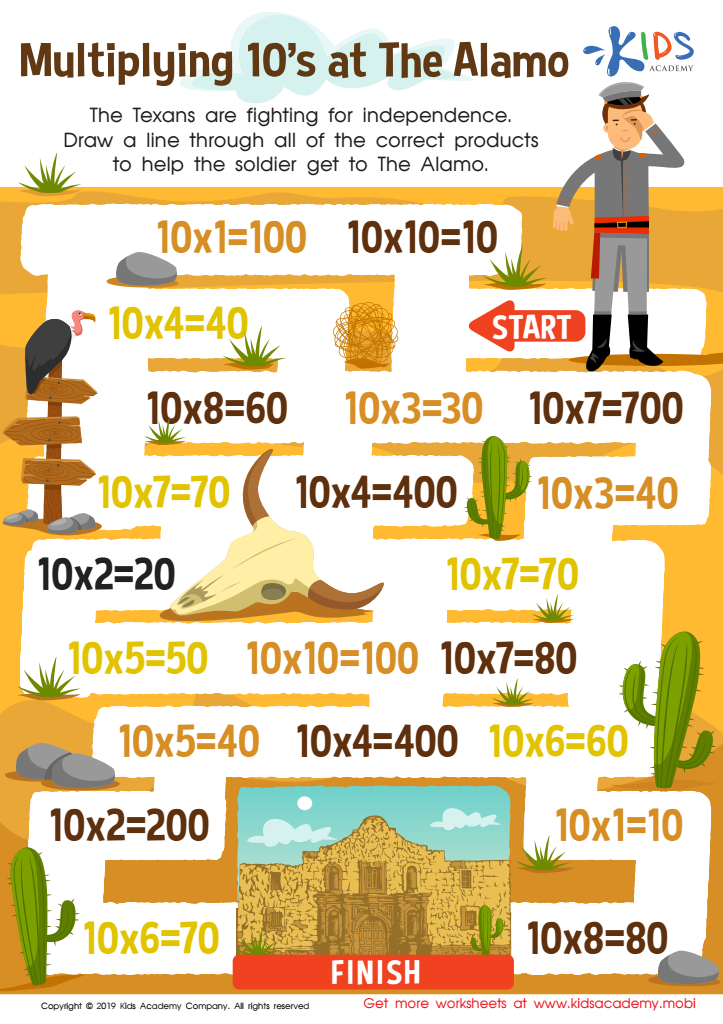
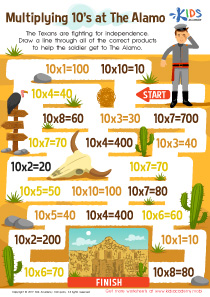
Multiplying 10’s at The Alamo Worksheet
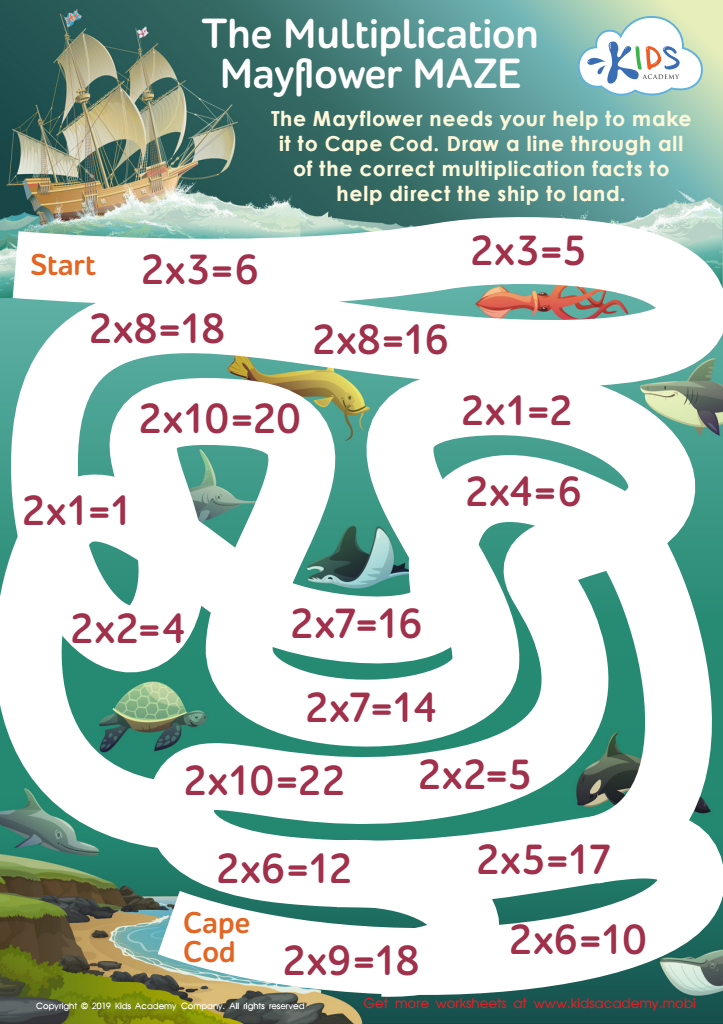
The Multiplication Mayflower Maze Worksheet








Extra practice in multiplication, along with engaging challenges in social studies for ages 7-9, is vital for several reasons. First, at this developmental stage, children's brains are highly receptive to learning new concepts. Multiplying different numbers regularly enhances their numerical fluency and enables smoother progression to more complex mathematical problem-solving later on. This robust mathematical foundation is crucial, extending benefits across various fields that utilize math, such as science, technology, and engineering.
Simultaneously, immersing young students in social studies at an early age broadens their understanding of the world. Learning about diverse cultures and historical contexts cultivates empathy and critical thinking. By acquiring knowledge about society, geography, and history, children develop a sense of identity and civic responsibility. This multidisciplinary approach enriches their cognitive toolkit and fosters a well-rounded education.
When parents or teachers encourage such challenges, they create a stimulating learning environment that balances cognitive skills in math with the analytical and emotional proficiencies gleaned from social studies. This dual focus supports whole-child education, helping young learners grow into informed, capable, and versatile individuals. Hence, prioritizing these educational practices ultimately equips children with the diverse skills needed to navigate and contribute positively to an increasingly complex world.