Handwriting practice Extra Challenge Worksheets for 7-Year-Olds
5 filtered results
-
From - To
Discover our "Handwriting Practice Extra Challenge Worksheets" designed for 7-year-olds eager to improve their writing skills! These worksheets offer engaging exercises that focus on letter formation, spacing, and legibility, ensuring your child develops confidence and precision in their handwriting. Each page is tailored to challenge young learners, making practice enjoyable and rewarding. Ideal for reinforcing classroom learning or for extra practice at home, our worksheets encourage fine motor skills and cognitive development. Unlock your child's potential with fun activities that make handwriting a breeze. Get started today and watch their writing flourish in both style and clarity!
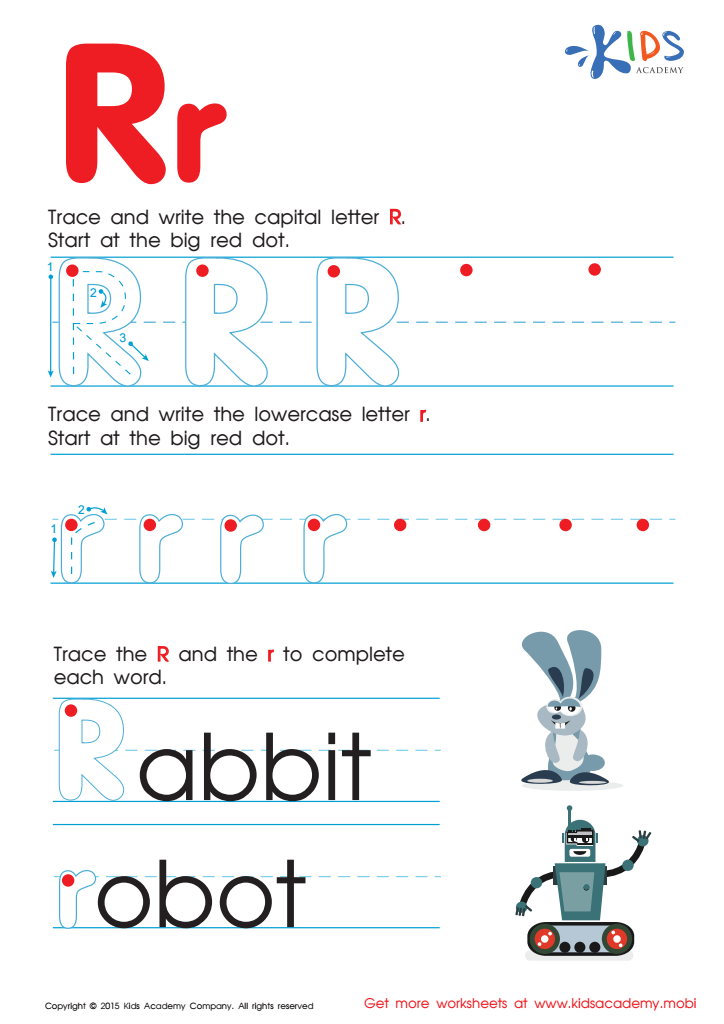
Letter R Tracing Page
 Assign to My Students
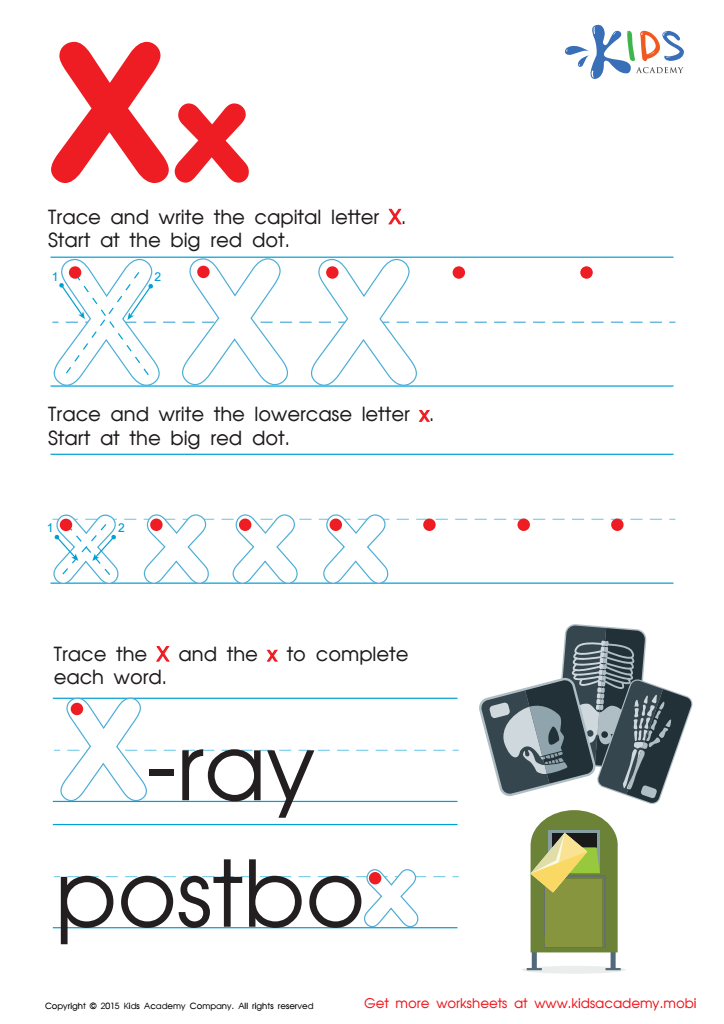
Letter X Tracing Page
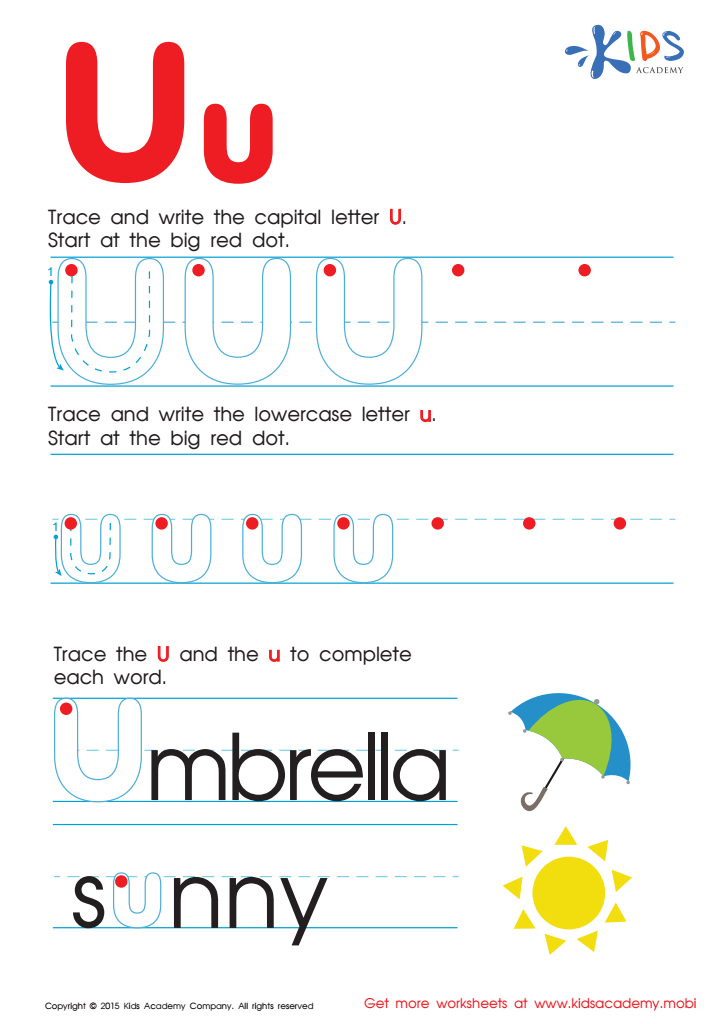
Letter U Tracing Page
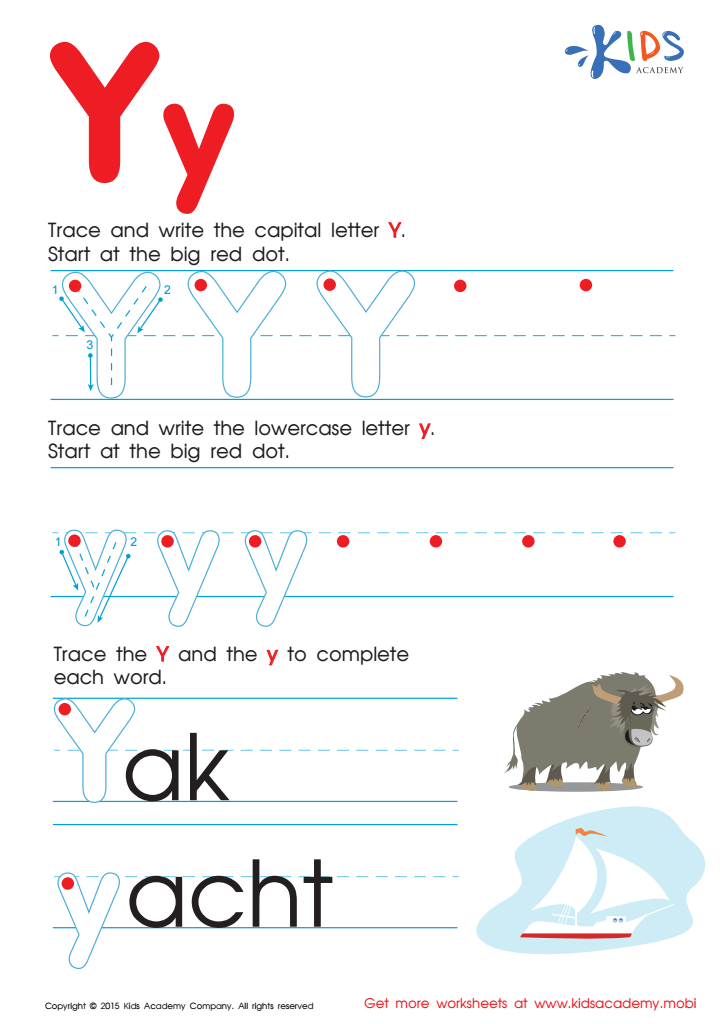
Letter Y Tracing Page
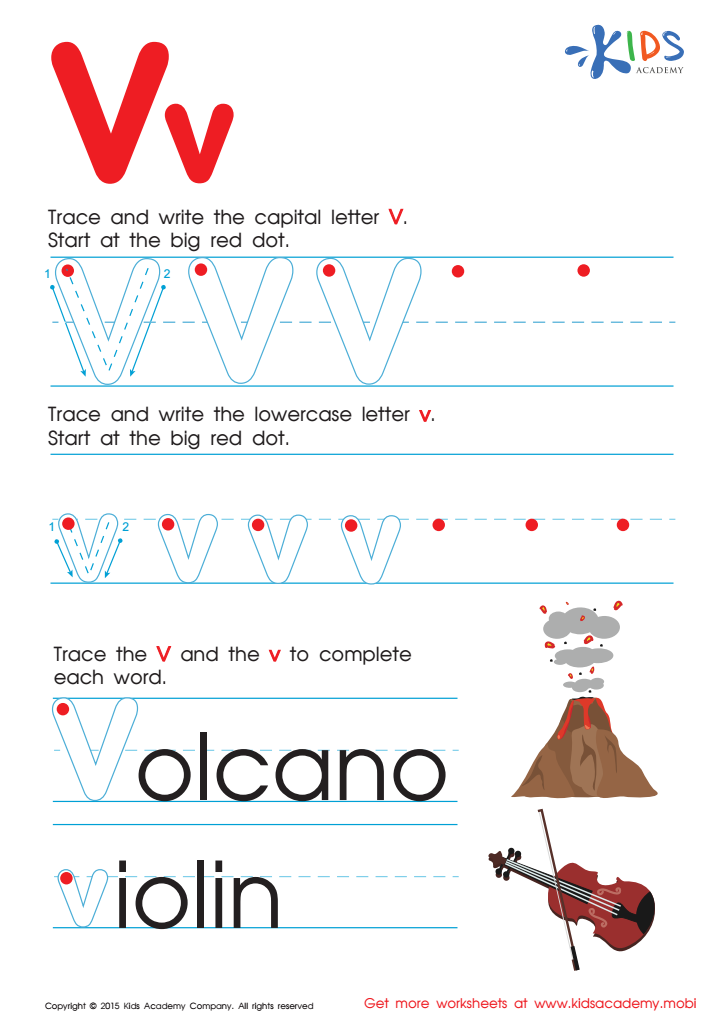
Letter V Tracing Page








Handwriting practice for 7-year-olds is an important component of developing motor skills, literacy, and academic confidence. At this age, children are refining their fine motor skills, and handwriting helps enhance coordination and control, crucial for tasks throughout their lives, such as typing and drawing.
Additionally, proficient handwriting contributes to improved fluency in writing. As children learn to form letters and words correctly, they become more comfortable expressing their thoughts on paper. This leads to positive self-esteem, encouraging them to share their ideas without the fear of being judged for messy writing.
Implementing extra handwriting challenges can also stimulate cognitive development. Engaging in structured handwriting tasks may introduce children to new vocabulary and foster early grammar skills while reinforcing spellings. Regular practice cultivates discipline and focus, valuable traits for their overall learning journey.
Moreover, in the digital age, handwriting remains a vital skill. It is essential for note-taking, writing exams, and maintaining personal records. Encouraging consistent handwriting practice forms a crucial foundation for lifelong learning. Parents and teachers should care because meaningful handwriting instruction not only aids in immediate academic success but also sets children up for effective communication in the future.








