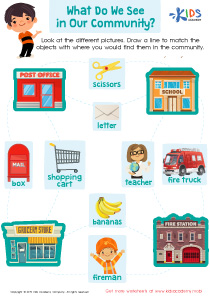
Shape Recognition Extra Challenge Math Worksheets for Ages 8-9
5 filtered results
-
From - To
Unlock your child's potential with our "Shape Recognition Extra Challenge Math Worksheets" designed for ages 8-9! These engaging worksheets provide targeted challenges that help develop crucial shape recognition skills while reinforcing spatial awareness and critical thinking. Featuring a variety of exercises, from identifying complex shapes to solving puzzles, these worksheets ensure a fun, hands-on learning experience. Ideal for homework, extra practice, or enrichment activities, our resources foster confidence and enjoyment in math. Give your child a head start in math literacy with these thoughtfully crafted extra challenge worksheets that make shape recognition exciting and entertaining!
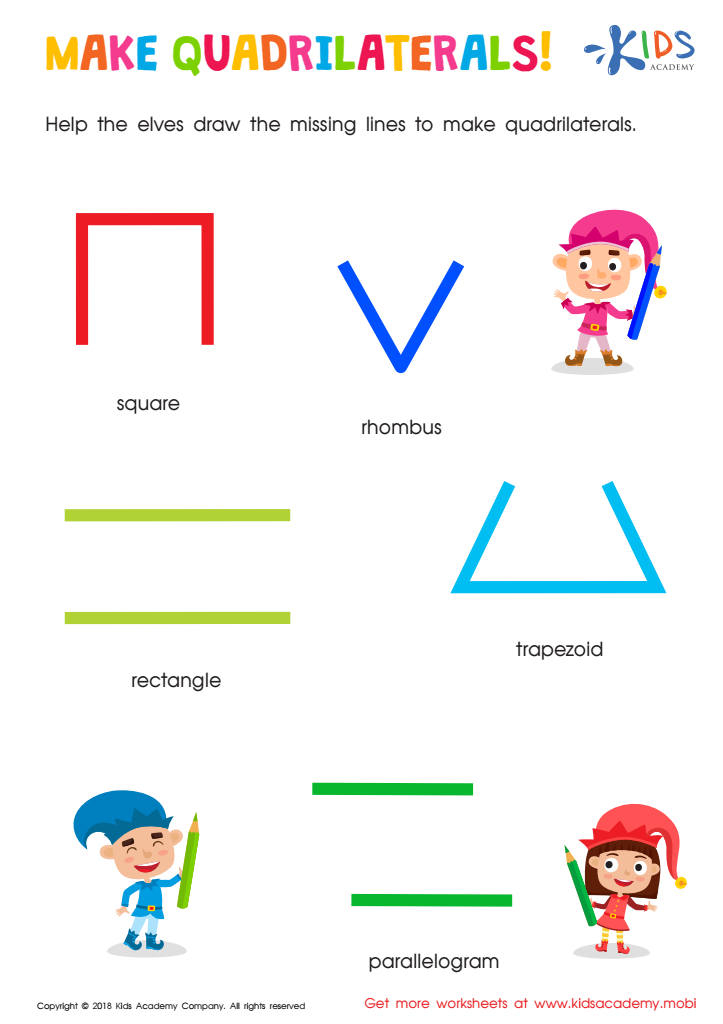
Make Quadrilaterals Worksheet
 Assign to My Students
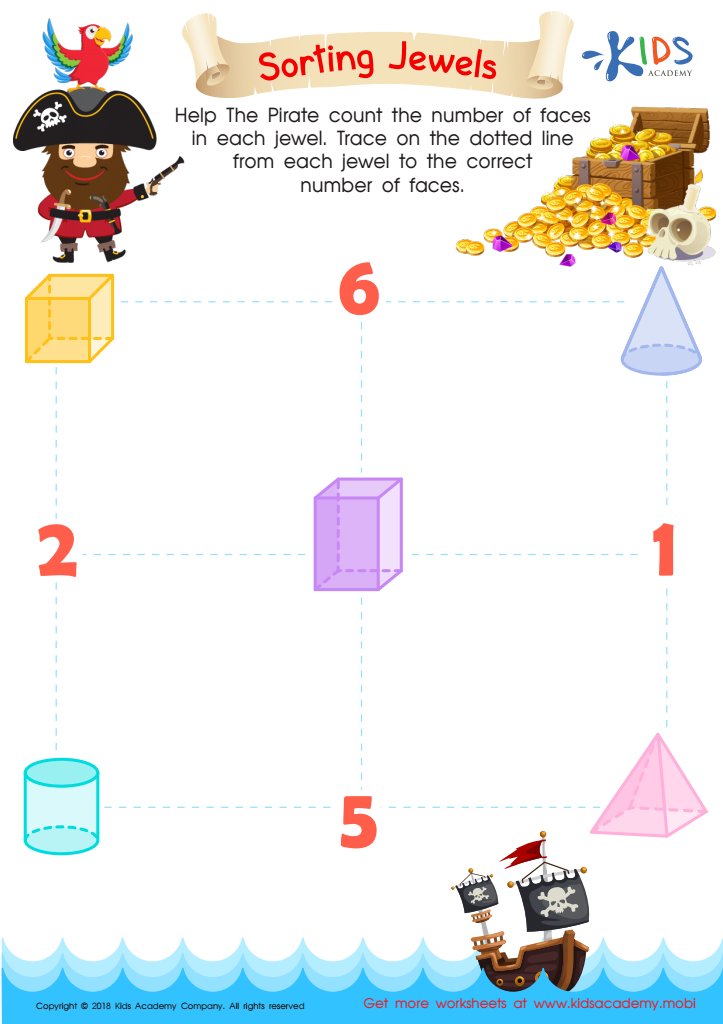
Sorting Jewels Worksheet
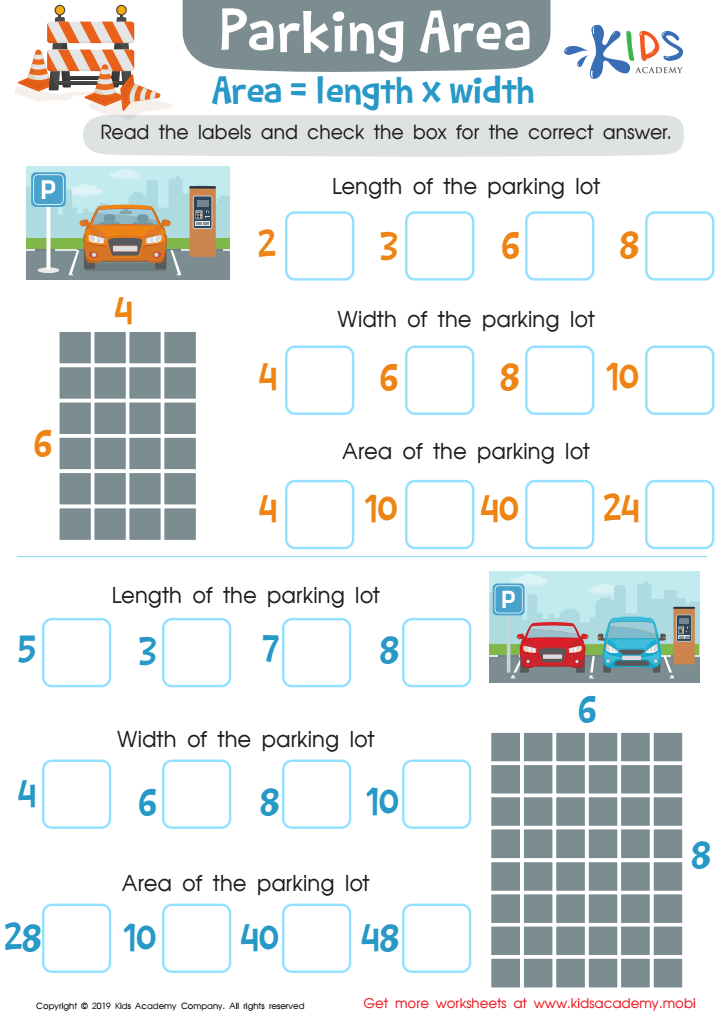
Parking Area Worksheet
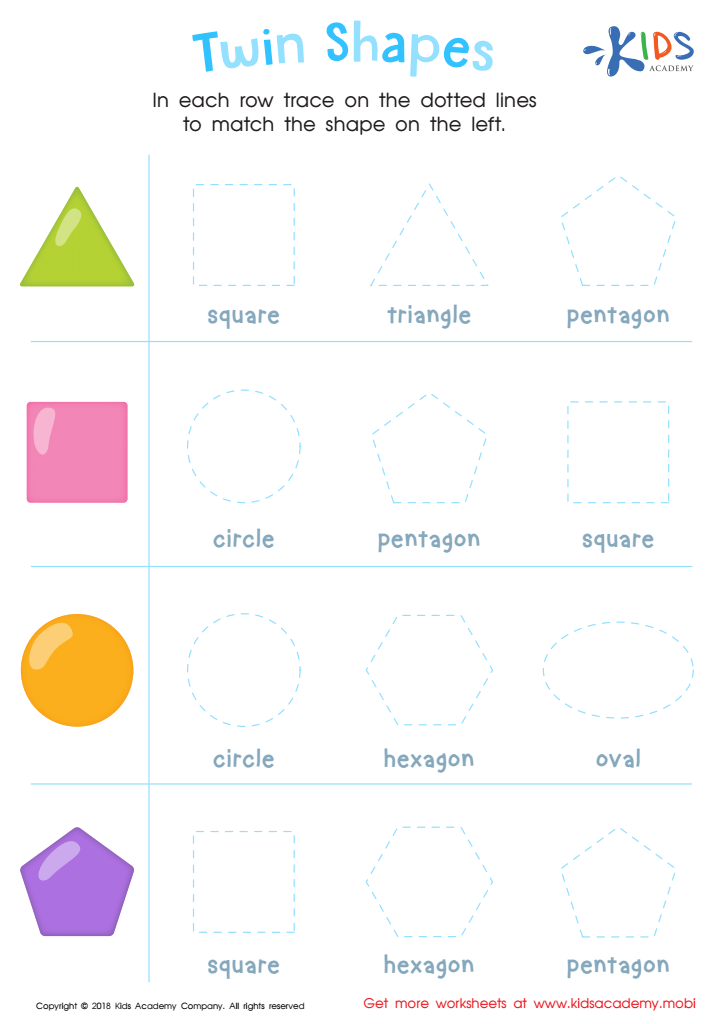
Twin Shapes Dot-to-Dot Worksheet
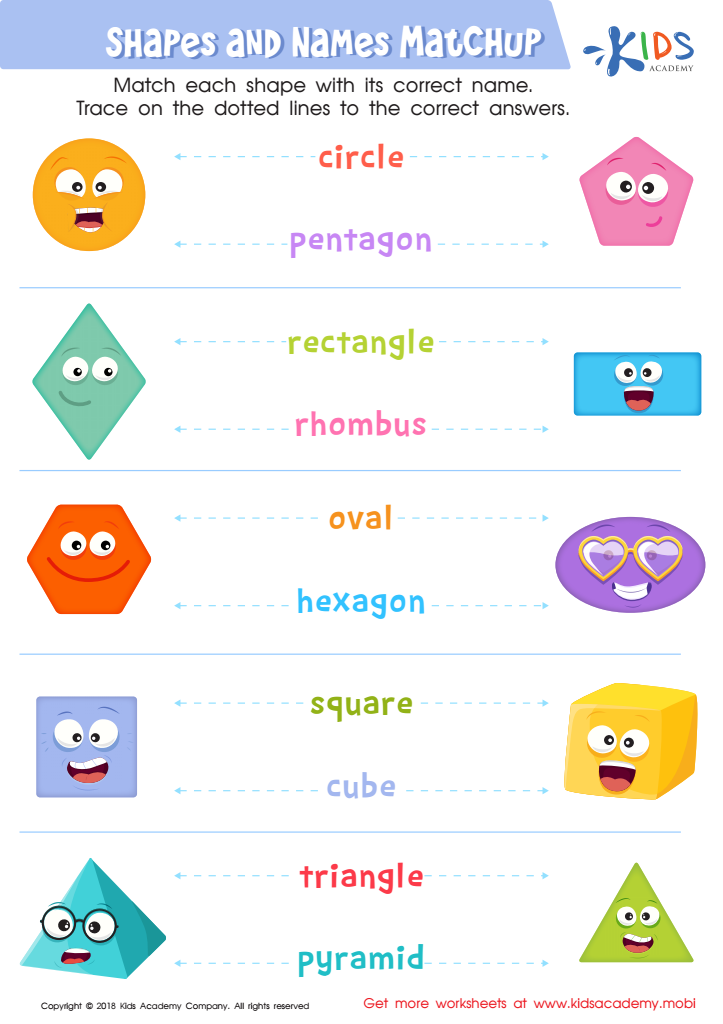
Shapes and Names Matchup Worksheet






Shape Recognition Extra Challenge Math for Ages 8-9 plays a critical role in developing foundational math skills essential for young learners. At this stage, children are not just learning to recognize shapes; they are also enhancing their spatial awareness, which is vital for understanding more complex concepts later in geometry and mathematics. Engaging with shapes helps reinforce key cognitive skills, including critical thinking, problem-solving, and the ability to make connections between different shapes.
Moreover, mastering shape recognition supports creativity and mathematical reasoning, as children learn to categorize and differentiate between various shapes and their properties. This learning experience not only boosts their confidence in math but also ensures that they are well-prepared for future academic challenges.
Parents and teachers should prioritize this challenge because math fluency gained through engaging activities fosters a lifelong love for learning. Involving children in hands-on, interactive activities allows them to apply their knowledge in real-world scenarios, making learning more relevant and enjoyable. Furthermore, increased recognition of shapes can translate into improved performance in other subjects such as art, science, and even reading when children start using their spatial awareness in problem-solving. Hence, Shape Recognition Extra Challenge Math should not be overlooked but embraced as a valuable tool for holistic learning.