Alphabet Recognition Extra Challenge Worksheets for 9-Year-Olds
3 filtered results
-
From - To
Introduce your 9-year-old to an advanced alphabet adventure with our Alphabet Recognition Extra Challenge Worksheets. Designed specifically for older children, these engaging activities combine fun with foundational skills, enhancing their ability to recognize, differentiate, and master the alphabet in intricate ways. Ideal for supplementing classroom learning, these worksheets aid in reinforcing literacy skills, critical thinking, and fine motor development. Whether in school or at home, our meticulously crafted exercises ensure that learning the alphabet stays stimulating and rewarding. Embrace the challenge and watch your child's confidence and knowledge soar with each completed worksheet. Make alphabet mastery exciting today!
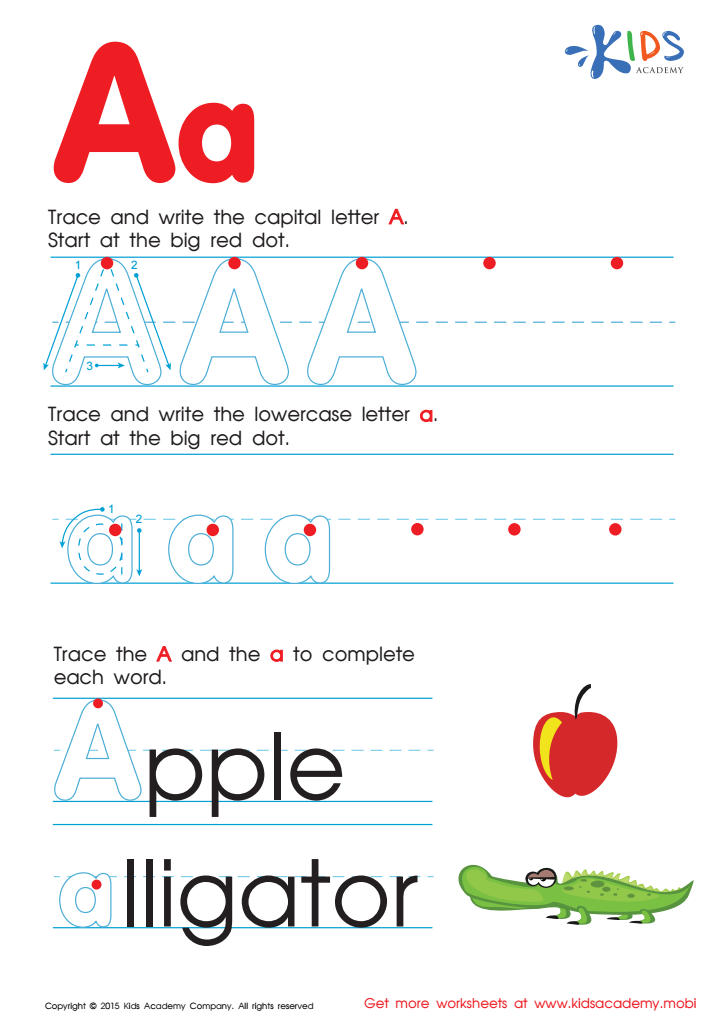
Letter A Tracing Page
 Assign to My Students
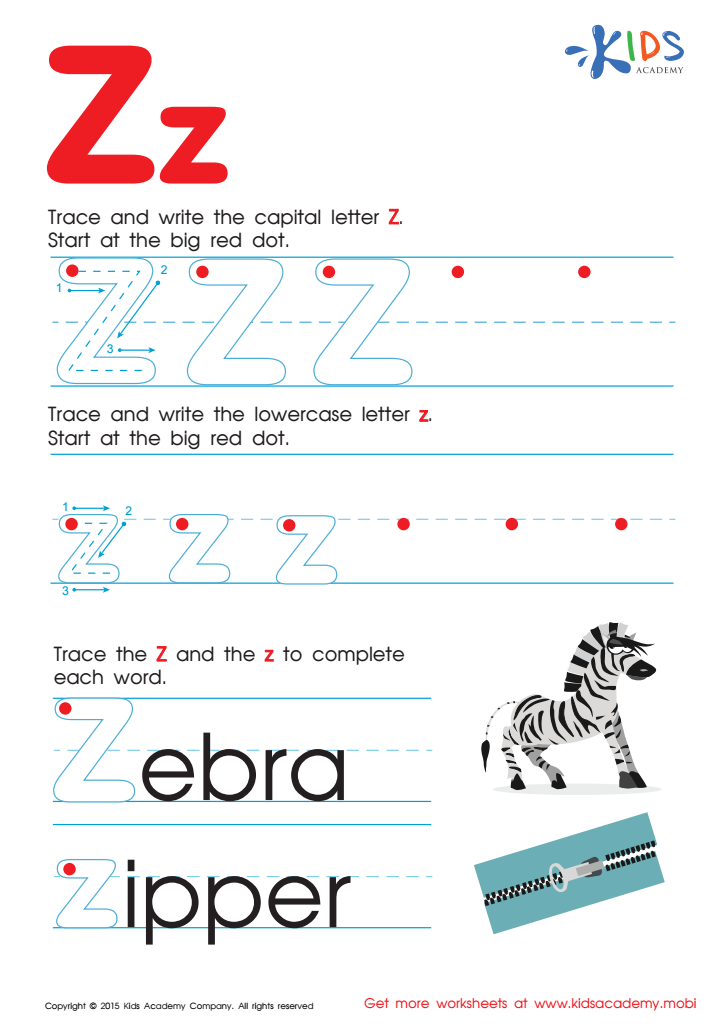
Letter Z Tracing Page
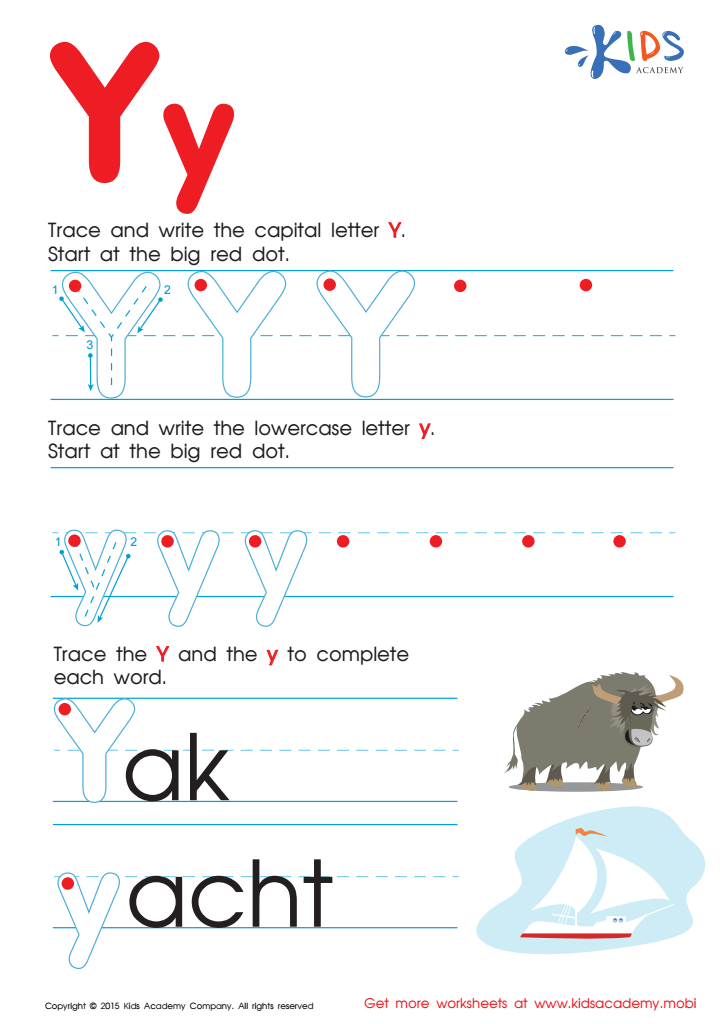
Letter Y Tracing Page








Parents and teachers should prioritize Alphabet Recognition Extra Challenge activities for 9-year-olds because they play a crucial role in reinforcing advanced literacy skills. While alphabet recognition is typically mastered at a younger age, adding an extra challenge can help deepen a child's understanding and fluency in reading and writing. At age 9, children are transitioning from learning to read to reading to learn. Enhancing their proficiency with the alphabet can support more complex language development such as spelling proficiency, vocabulary acquisition, and efficient decoding of unfamiliar words.
Furthermore, these activities can cater to individual learning needs by offering differentiated instruction, ensuring that advanced students remain engaged and challenged, while also providing additional support to those who might be struggling with literacy fundamentals. Engaging, hands-on learning experiences make abstract concepts more concrete, fostering an enjoyable learning environment and boosting intrinsic motivation.
Moreover, employing such challenges can hone other essential cognitive skills such as memory, attention to detail, and critical thinking. Supporting robust alphabet recognition directly translates to strengthened general academic performance and greater self-confidence in students, setting a solid foundation for future educational success. Parents and teachers, witnessing these holistic benefits, should eagerly embrace Alphabet Recognition Extra Challenges to nurture well-rounded, capable, and enthusiastic learners.








