Letter recognition Extra Challenge Grade 1 Alphabet Worksheets
7 filtered results
-
From - To
Boost your child's letter recognition skills with our engaging Grade 1 Alphabet Worksheets! Designed for extra challenges, these printable resources will help young learners master the fundamentals of the alphabet through fun, interactive activities. Children will explore both uppercase and lowercase letters, improving their phonetic awareness and boosting their reading readiness. Each worksheet incorporates vibrant visuals and enjoyable exercises to keep students motivated. Ideal for classroom use or at-home learning, these worksheets empower first graders to build confidence in their literacy skills. Download and print our Letter Recognition Extra Challenge worksheets today to make learning the alphabet an exciting adventure!
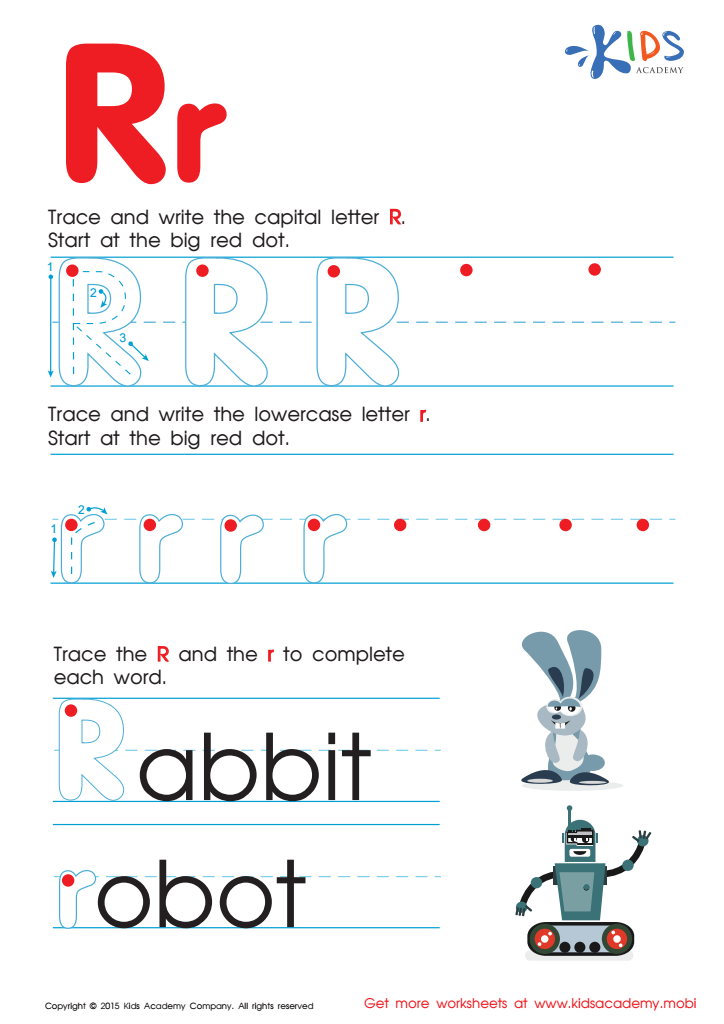
Letter R Tracing Page
 Assign to My Students
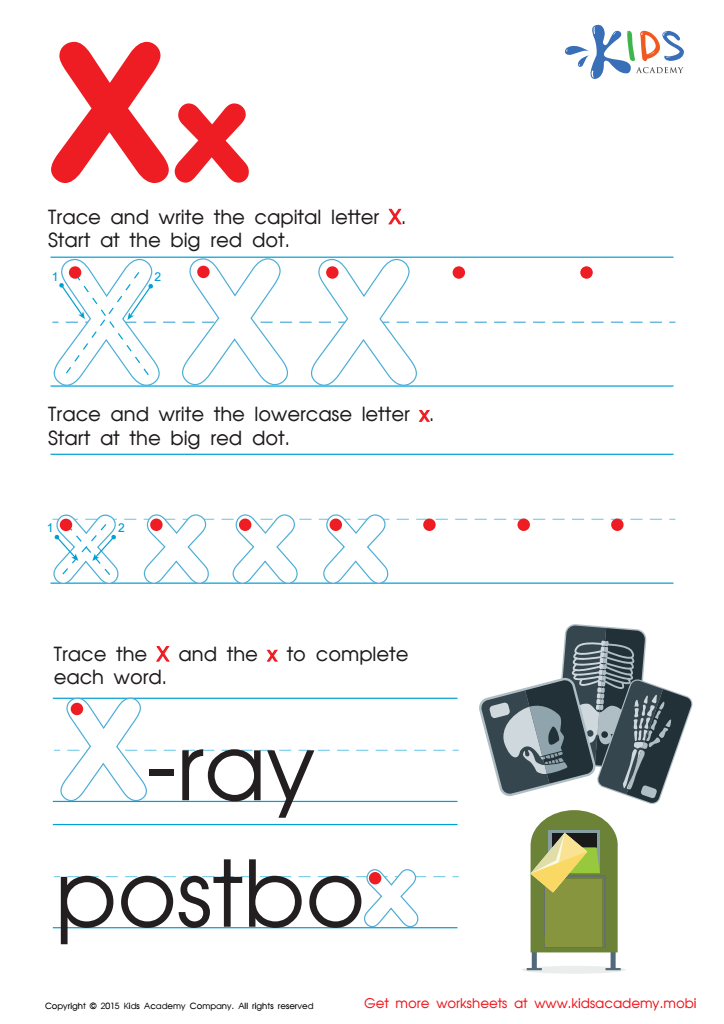
Letter X Tracing Page
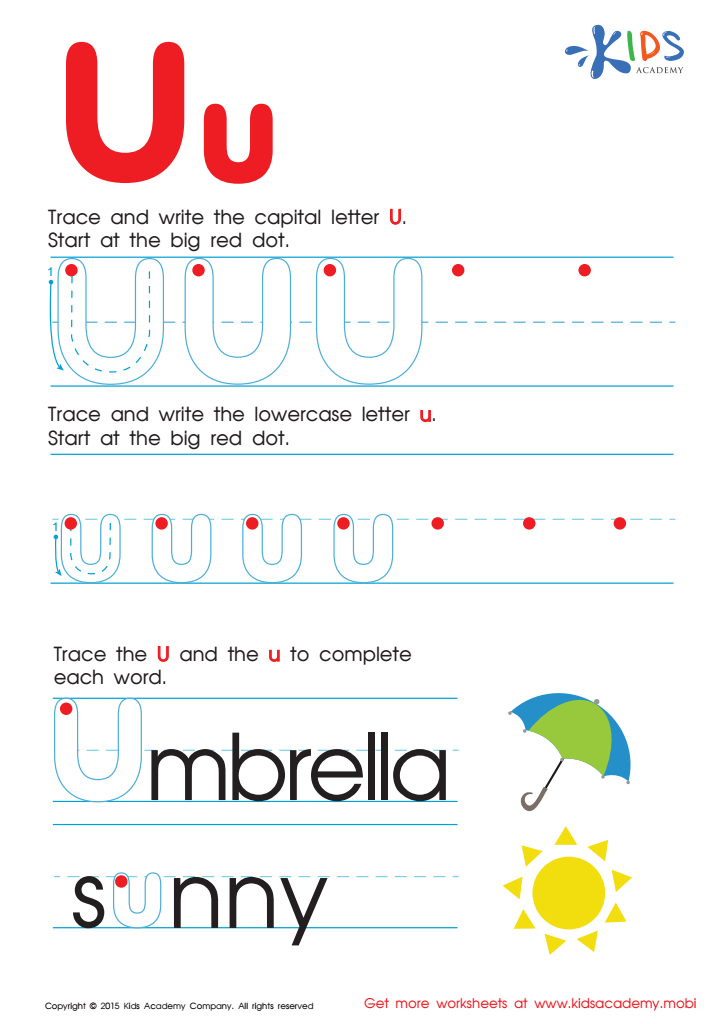
Letter U Tracing Page
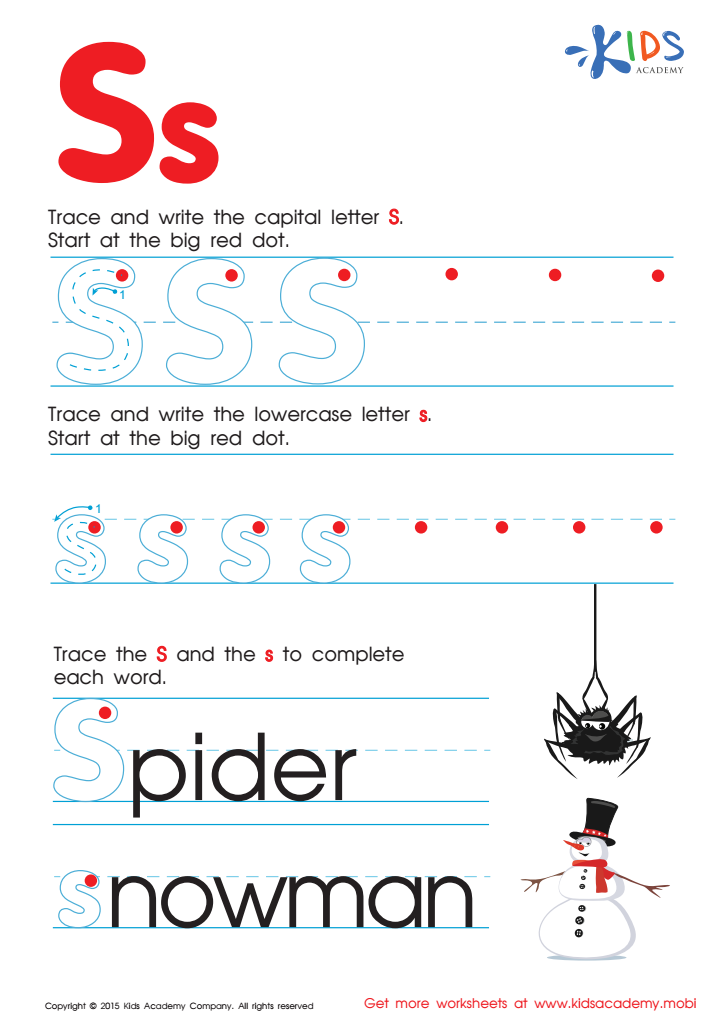
Letter S Tracing Page
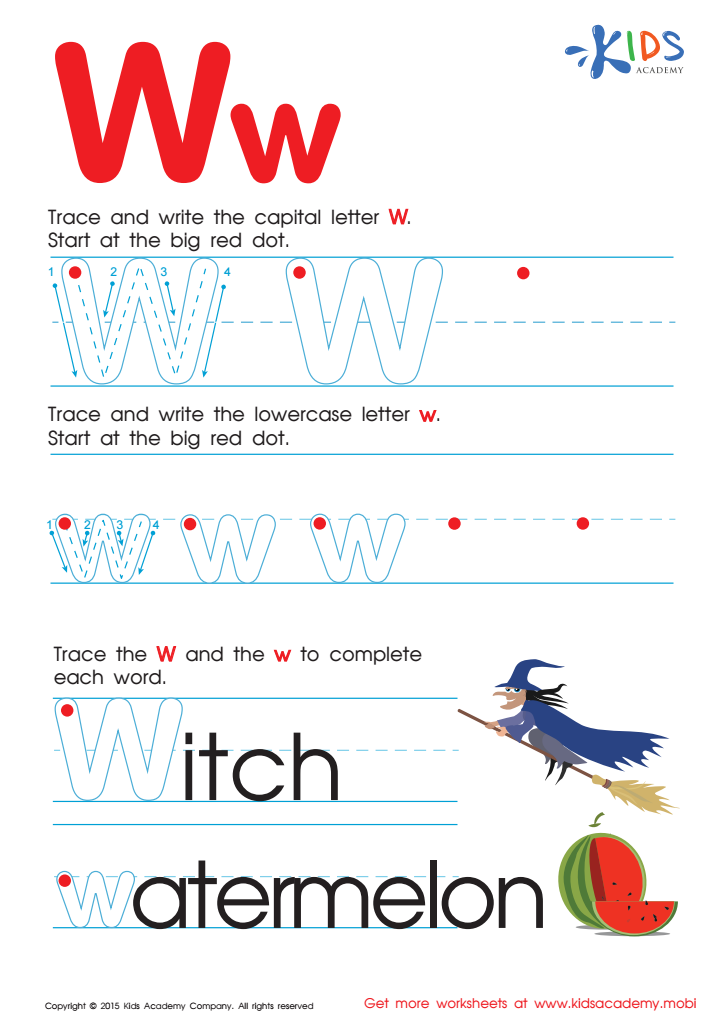
Letter W Tracing Page
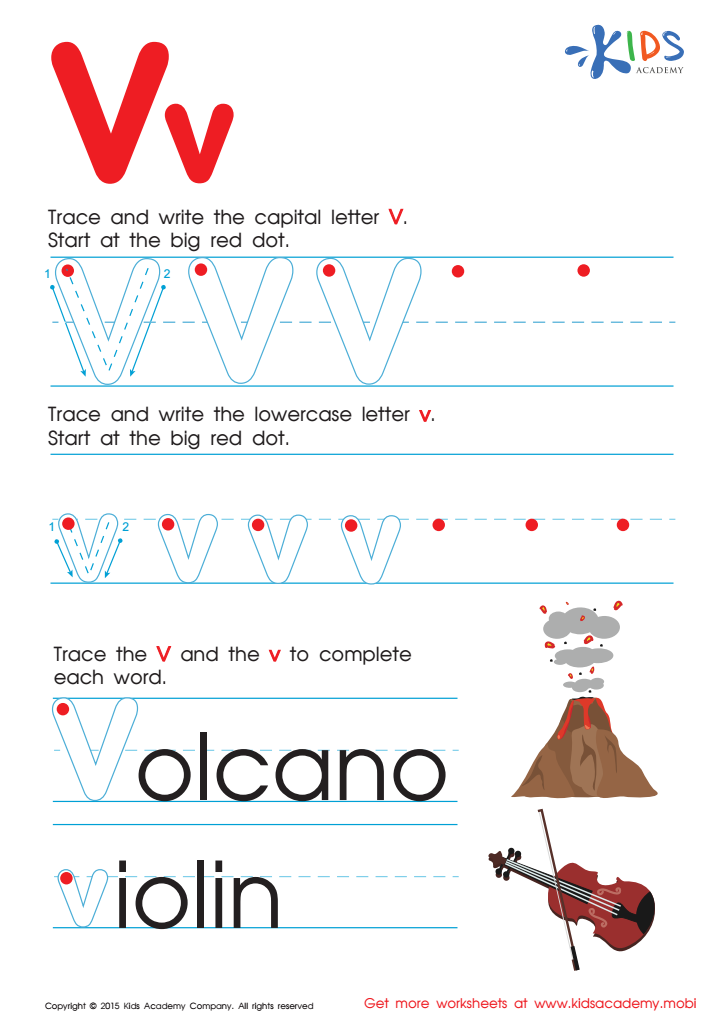
Letter V Tracing Page
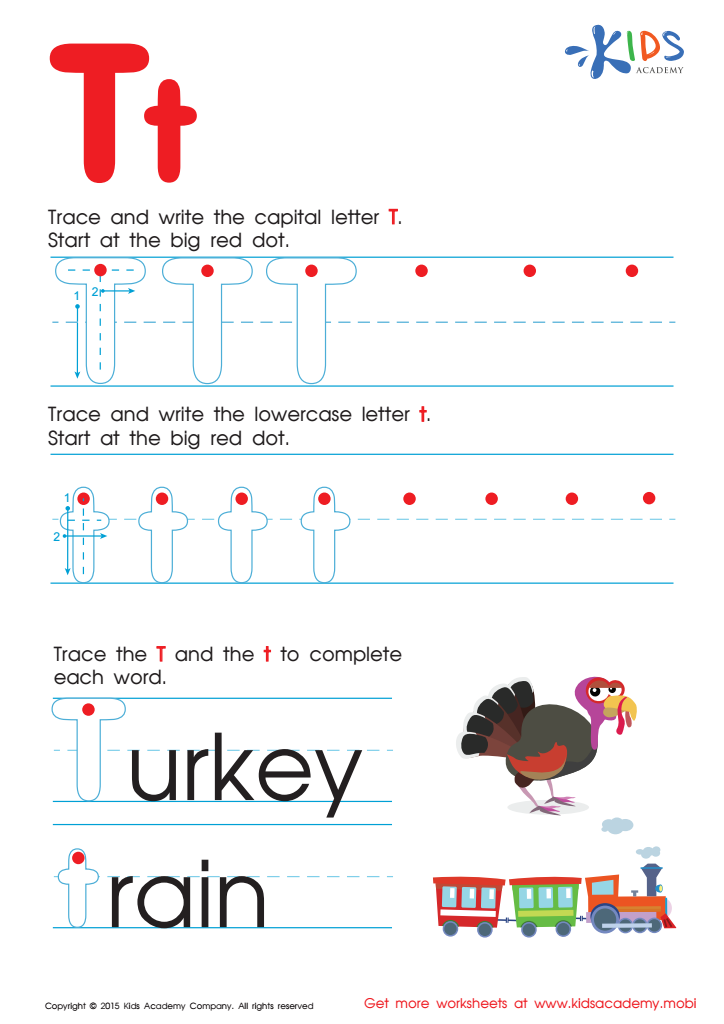
Letter T Tracing Page








Letter recognition is a foundational skill that significantly impacts a child's literacy development. For parents and teachers of first graders, caring about letter recognition is essential for several reasons. Firstly, mastering the alphabet allows children to decode words, an essential step in reading proficiency. Without recognizing letters and their corresponding sounds, students struggle to read fluently, which can hinder overall academic progress.
Additionally, letter recognition boosts a child’s confidence in reading and writing tasks. When children can easily identify letters, they become more willing to engage in activities that enhance their skills. This comfort can ignite a passion for reading, leading to increased comprehension and vocabulary development.
Beyond literacy, understanding letters contributes to cognitive skills, as children learn to categorize, sort, and differentiate various shapes and sounds. This cognitive engagement empowers children to become critical thinkers.
Finally, involvement from parents and teachers fosters a positive learning environment. Shared activities, such as reading together or playing letter-based games, enhance relationships while reinforcing foundational skills. In summary, strong letter recognition is a vital springboard for future educational success, and all adults should prioritize supporting children in this important developmental area.