Understanding patterns Extra Challenge Worksheets
7 filtered results
-
From - To
Welcome to our "Understanding Patterns Extra Challenge Worksheets" page! Designed for young learners ready to enhance their pattern recognition skills, these engaging worksheets offer a variety of challenges in a fun, interactive format. Perfect for reinforcing concepts taught in the classroom, our worksheets encourage critical thinking as students explore different types of patterns such as shapes, colors, and sequences. With varying levels of difficulty, these extra challenges cater to diverse learning styles, ensuring every child can progress at their own pace. Download our worksheets today to motivate your students and make learning patterns an enjoyable adventure!
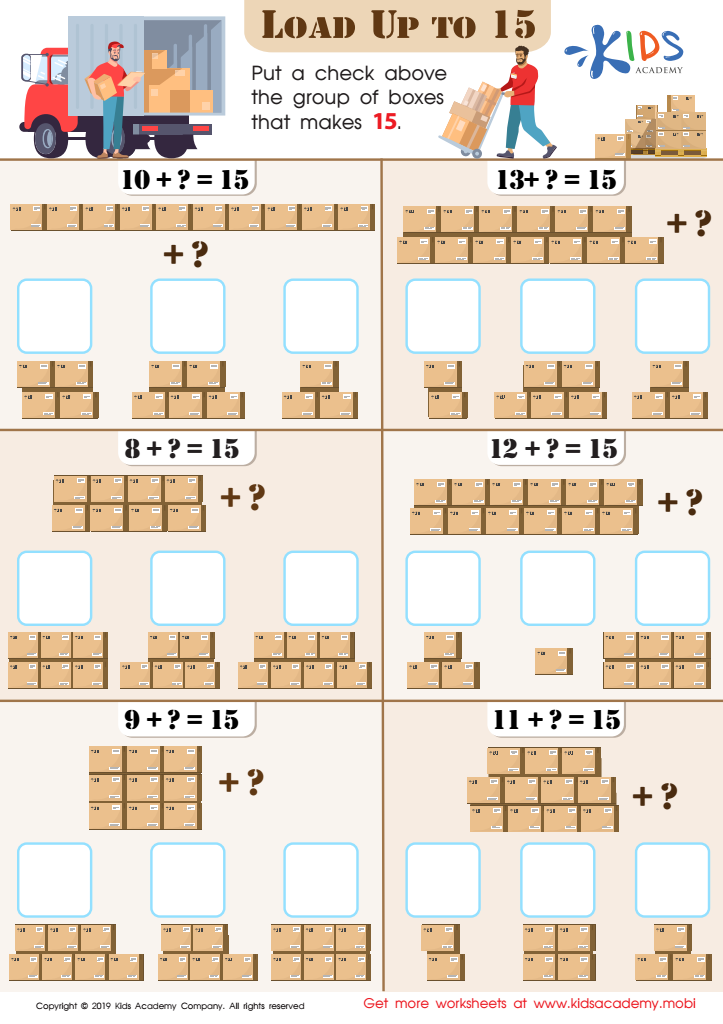
Load up to 15 Worksheet
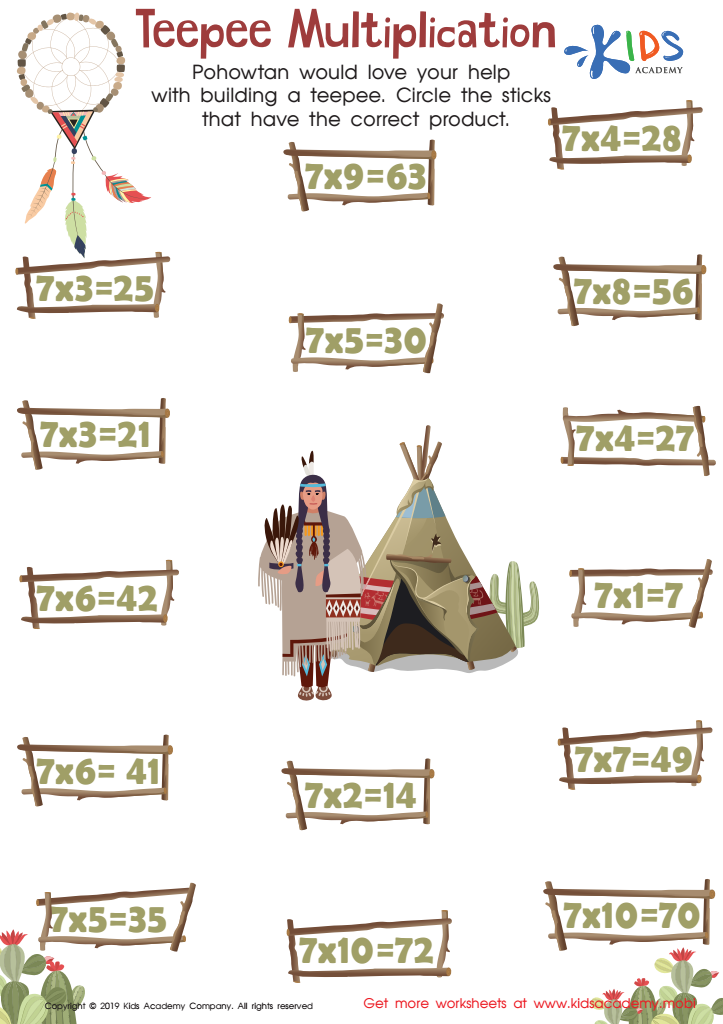
Teepee Multiplication Worksheet
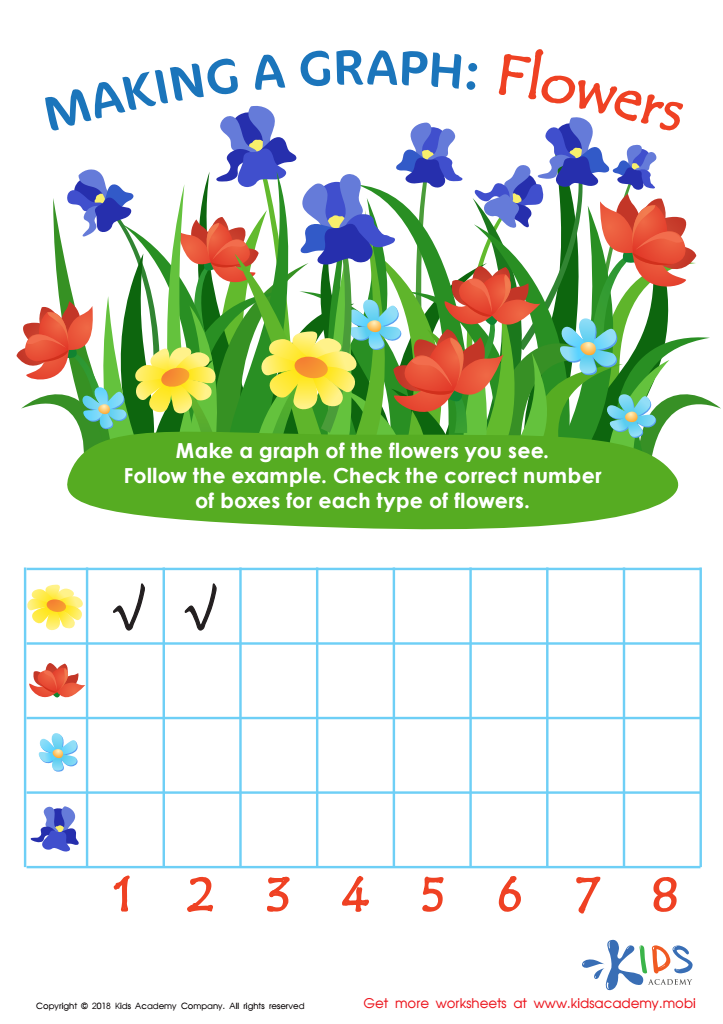
Making a Graph: Flowers Worksheet
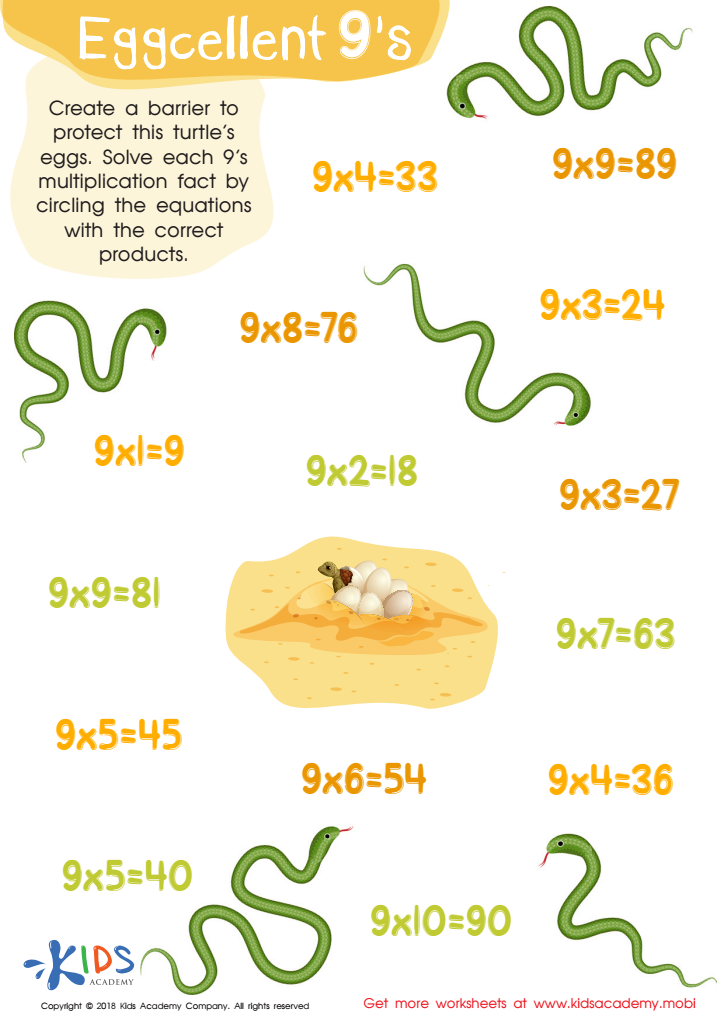
Eggcellent 9’s Worksheet
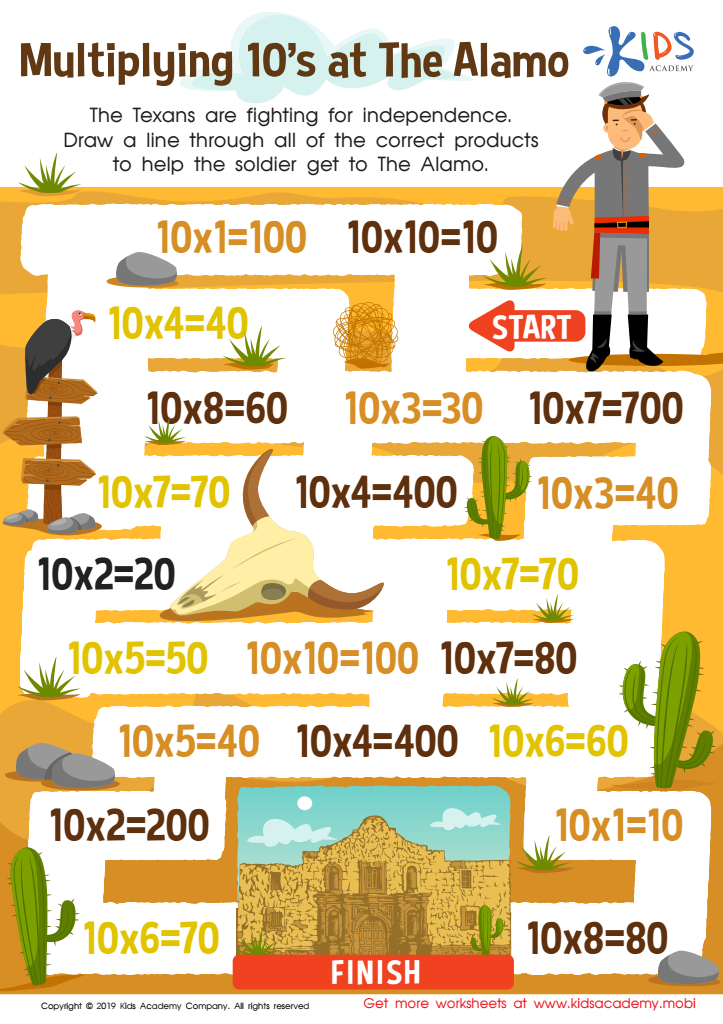
Multiplying 10’s at The Alamo Worksheet
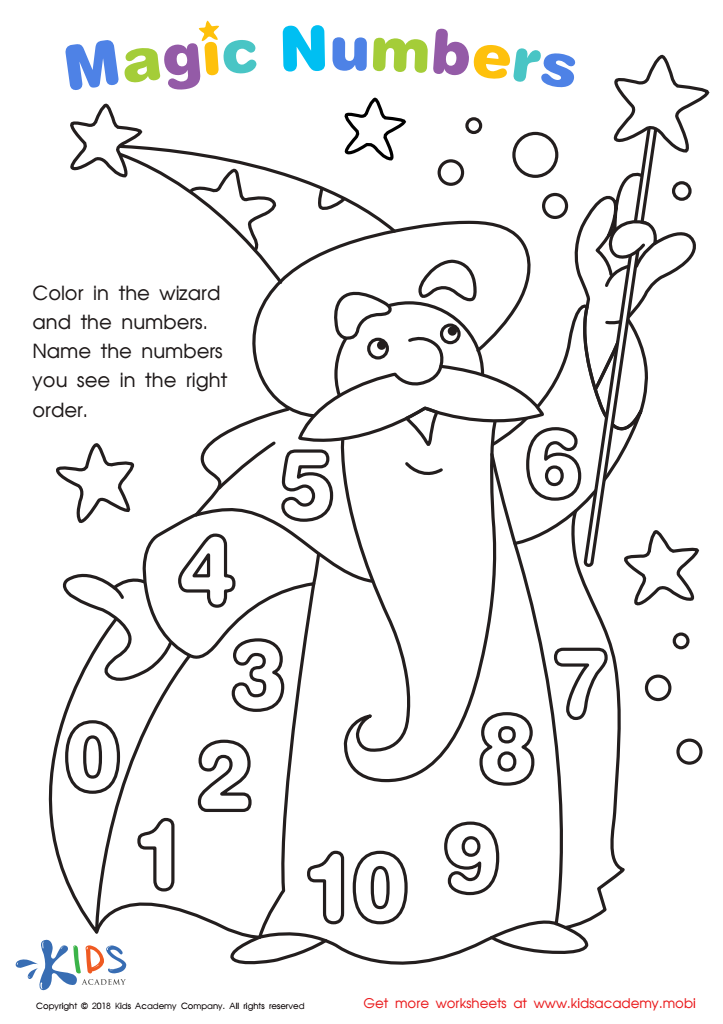
Magic Numbers Worksheet
 Assign to My Students
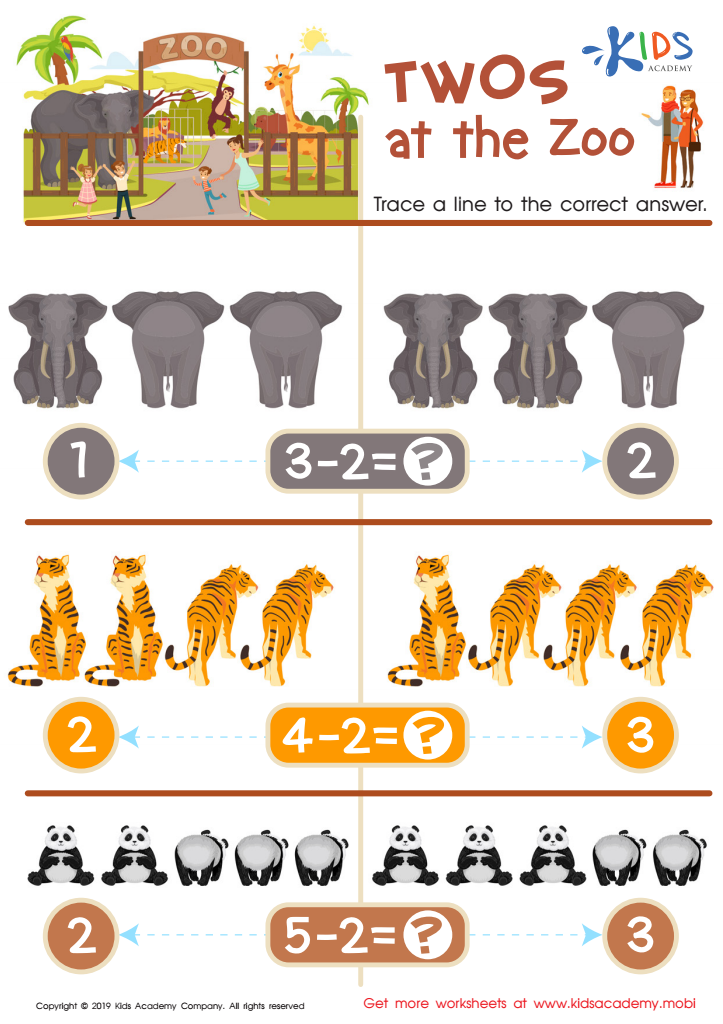
Twos at the Zoo Worksheet







Understanding patterns is an essential concept that serves as a foundation for various mathematical skills and critical thinking abilities. For parents and teachers, fostering this understanding in children is crucial. First, patterns are integral to math; they help students grasp sequences, predict outcomes, and recognize relationships, all of which are essential for mastering addition, subtraction, and later, more complex algebraic concepts.
Additionally, recognizing patterns enhances cognitive development. It encourages logical reasoning and analytical thinking, skills that extend beyond mathematics into sciences, art, and daily problem-solving. Patterns also develop observational skills; by noticing similarities and differences, children learn to classify and organize information effectively.
Moreover, understanding patterns supports emotional and social learning. In various subjects, from predicting weather changes to sorting data in science, recognizing patterns aids children in making sense of the world around them, providing a sense of security and understanding.
Finally, engaging in pattern-related activities—like building with blocks, participating in music, or solving puzzles—can improve fine motor skills and foster creativity. When parents and teachers prioritize pattern recognition, they equip children with essential tools for lifelong learning and adaptability, preparing them for future academic challenges and real-world situations.








