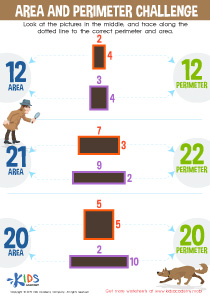
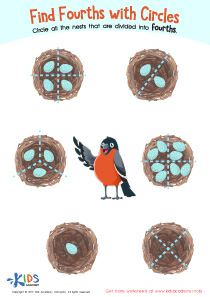
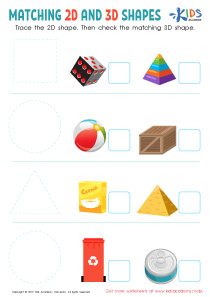
Shape identification Extra Challenge 2D Shapes Worksheets
3 filtered results
-
From - To
Discover our engaging "Shape Identification Extra Challenge 2D Shapes Worksheets" designed to enhance children's understanding of geometric figures. These printable worksheets provide an exciting way for students to identify, differentiate, and categorize a range of 2D shapes, from circles and squares to triangles and rectangles. Perfect for reinforcing shape recognition skills in an interactive format, these challenges promote critical thinking and problem-solving abilities. Ideal for early grade teachers, parents, and tutoring sessions, our worksheets align with educational standards and encourage hands-on learning. Access a variety of fun and captivating exercises that make mastering 2D shapes both effective and enjoyable for young learners!
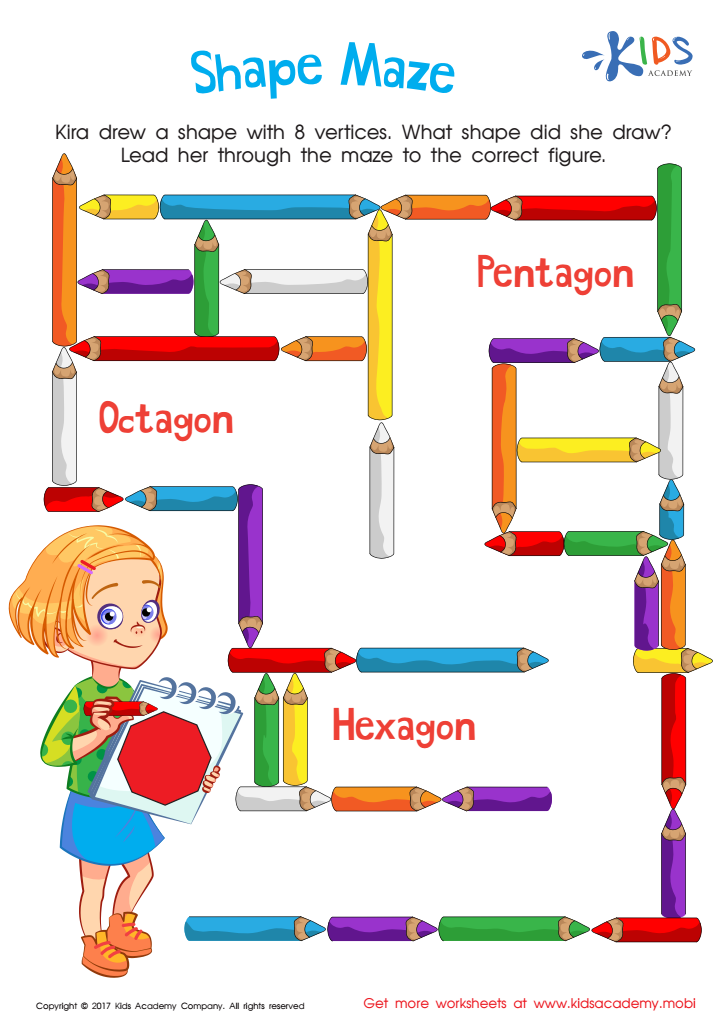
Shape Maze Worksheet
 Assign to My Students

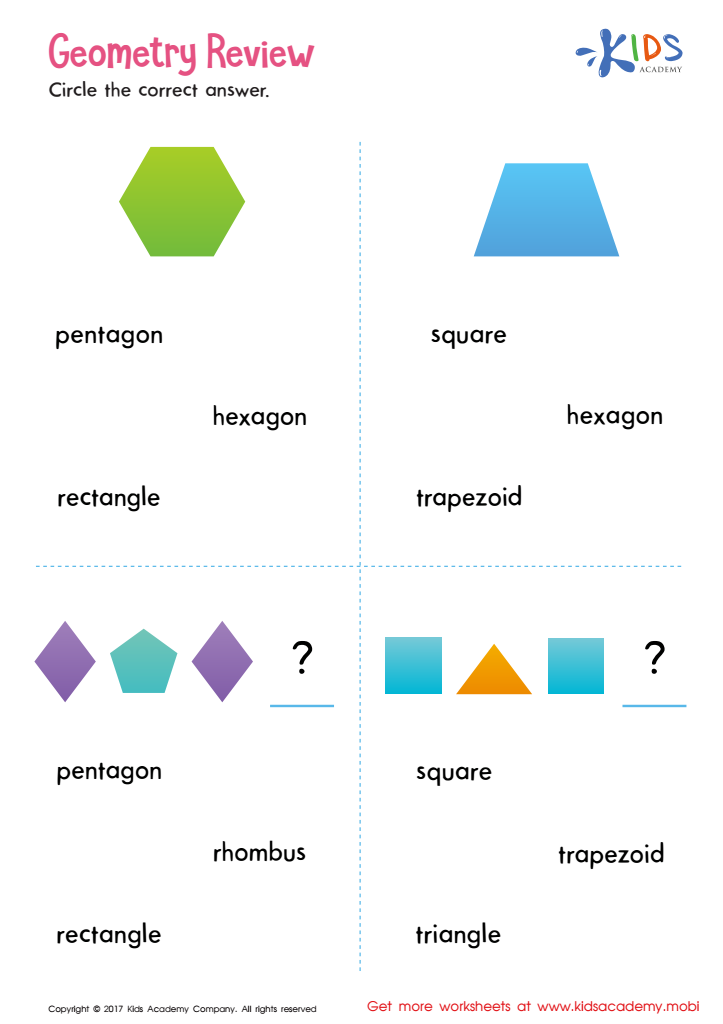
Geometry Review Printable
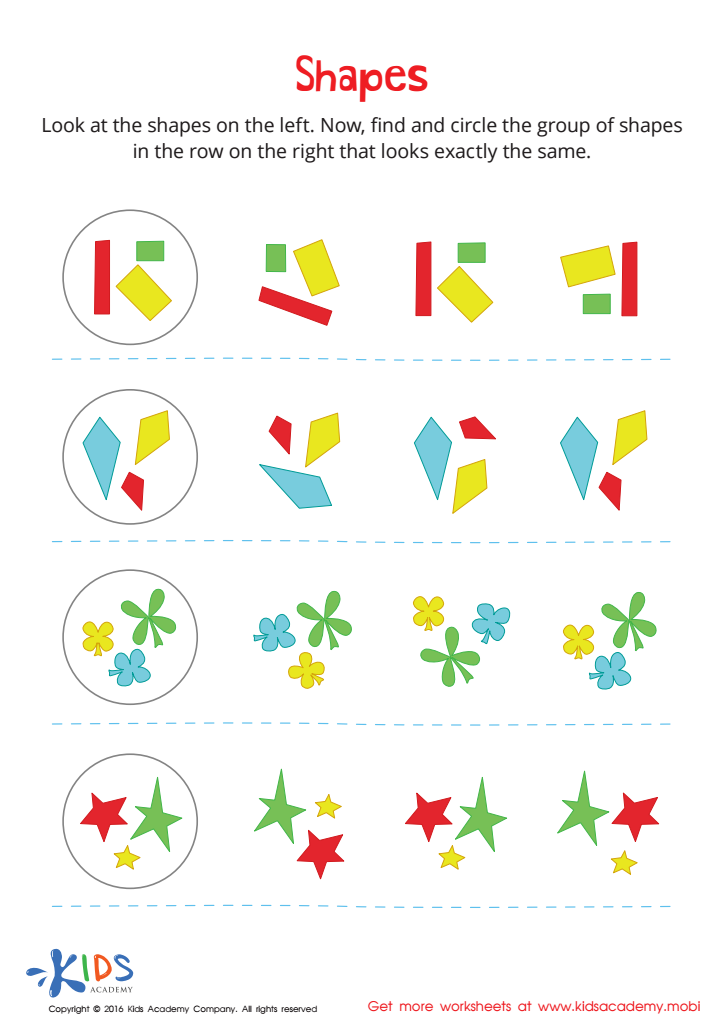
Shapes Worksheet








Shape identification is a fundamental skill that plays a crucial role in early childhood development and education. For parents and teachers, nurturing this skill through challenges like "Extra Challenge 2D Shapes" can significantly enhance a child's cognitive abilities.
First, identifying shapes fosters visual discrimination, helping children distinguish between different forms and sizes, which is foundational for math skills such as geometry. It encourages critical thinking as they learn to categorize, compare, and analyze various 2D shapes.
Furthermore, early shape identification supports language development. As children learn the names and properties of shapes (e.g., sides, angles), they expand their vocabulary and strengthen their ability to articulate observations. Engaging in shape challenges also builds problem-solving skills as they navigate and manipulate shapes through interactive activities.
Moreover, these challenges promote fine motor skills. Activities like drawing, cutting, or arranging shapes require hand-eye coordination and dexterity, important for overall motor development.
Lastly, integrating shape identification into play nurtures creativity and imagination. Parents and teachers can transform learning into an enjoyable experience, encouraging kids to explore the world of shapes in their environment. By participating in shape-related challenges, adults guide children in developing essential skills for future learning.