Cognitive Development Extra Challenge Geometry Worksheets
8 filtered results
-
From - To
Discover a fun and engaging way to enhance your child's cognitive development with our Extra Challenge Geometry Worksheets! Designed specifically for early learners, these printable resources foster critical thinking and problem-solving skills through a variety of geometry concepts. Each worksheet encourages children to explore shapes, patterns, and spatial relationships, helping them build a strong foundation in mathematics. Ideal for classrooms or home learning, our challenges promote independent thinking while keeping students motivated and entertained. Unlock your child's potential and watch them thrive as they tackle these thoughtfully crafted geometry exercises, perfect for advancing their learning journey today!
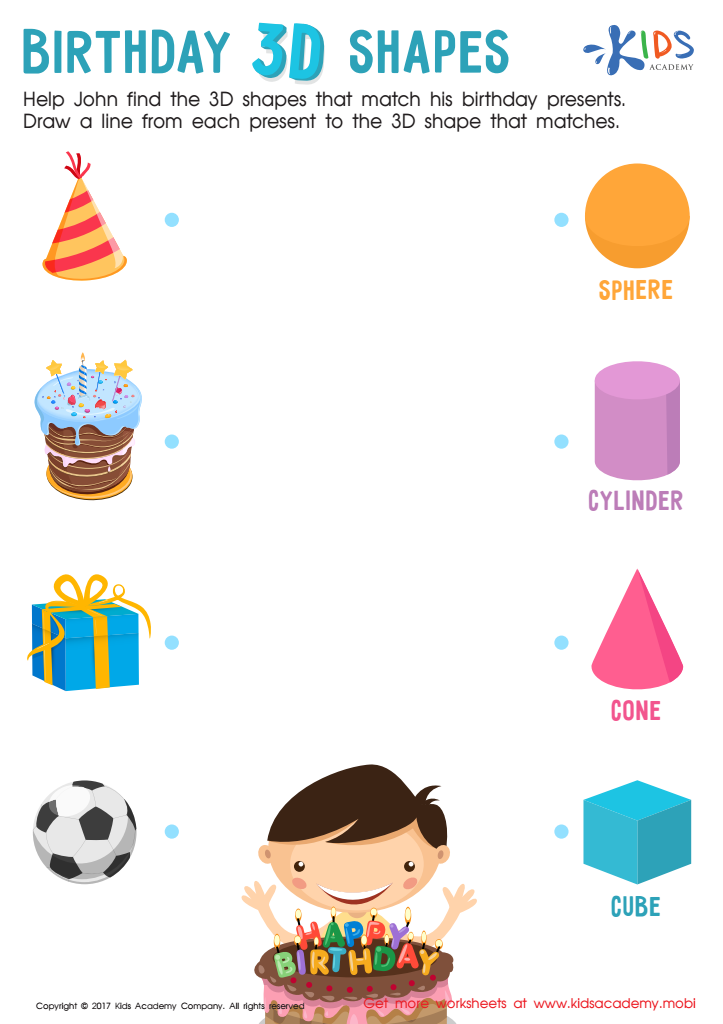
Birthday 3D Shapes Worksheet
 Assign to My Students











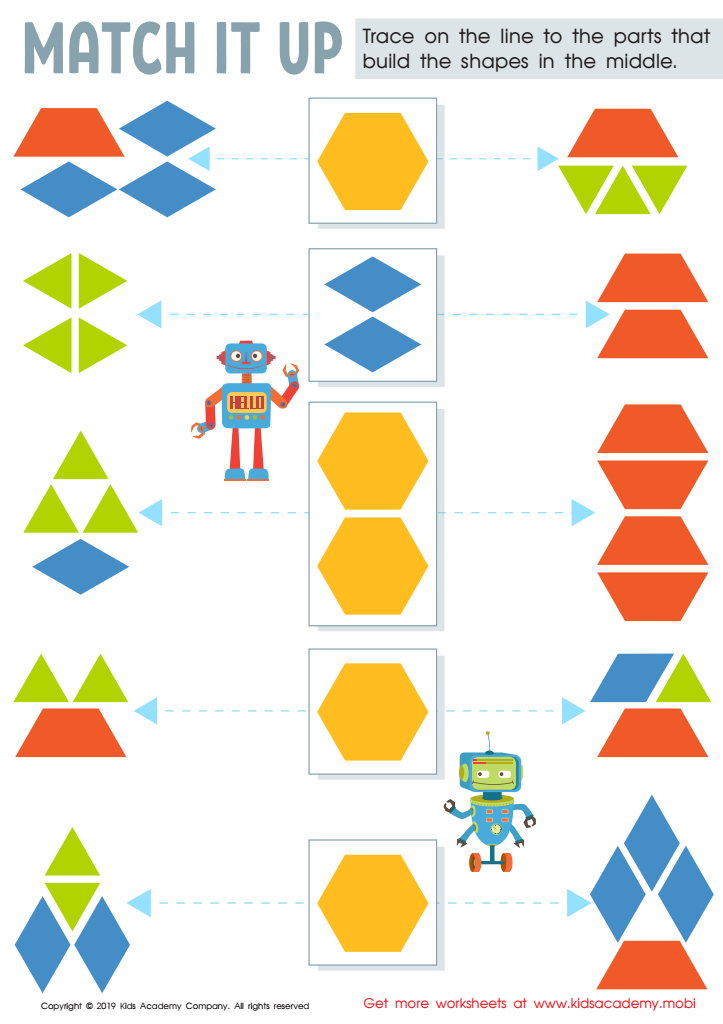
Match It up Worksheet
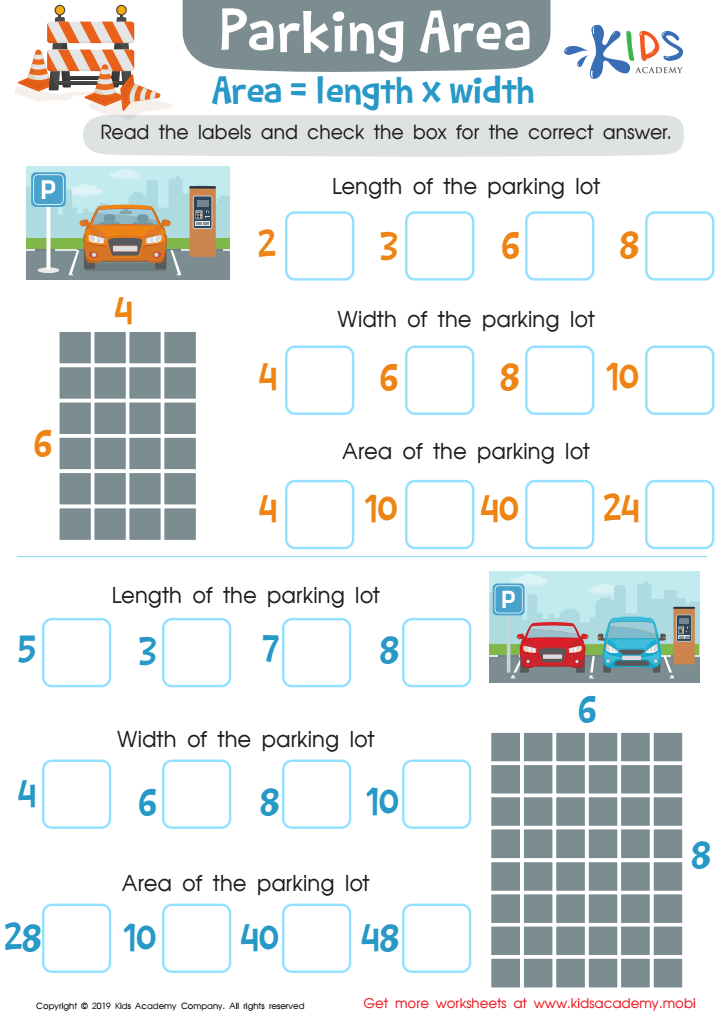
Parking Area Worksheet
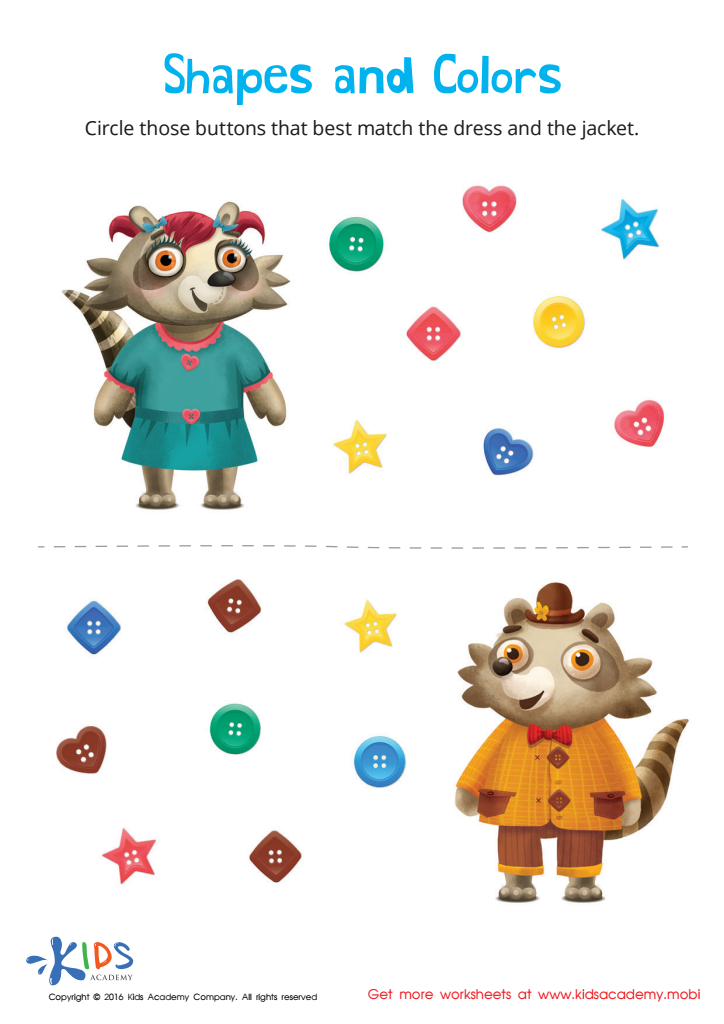
Matching: Shapes and Colors Worksheet
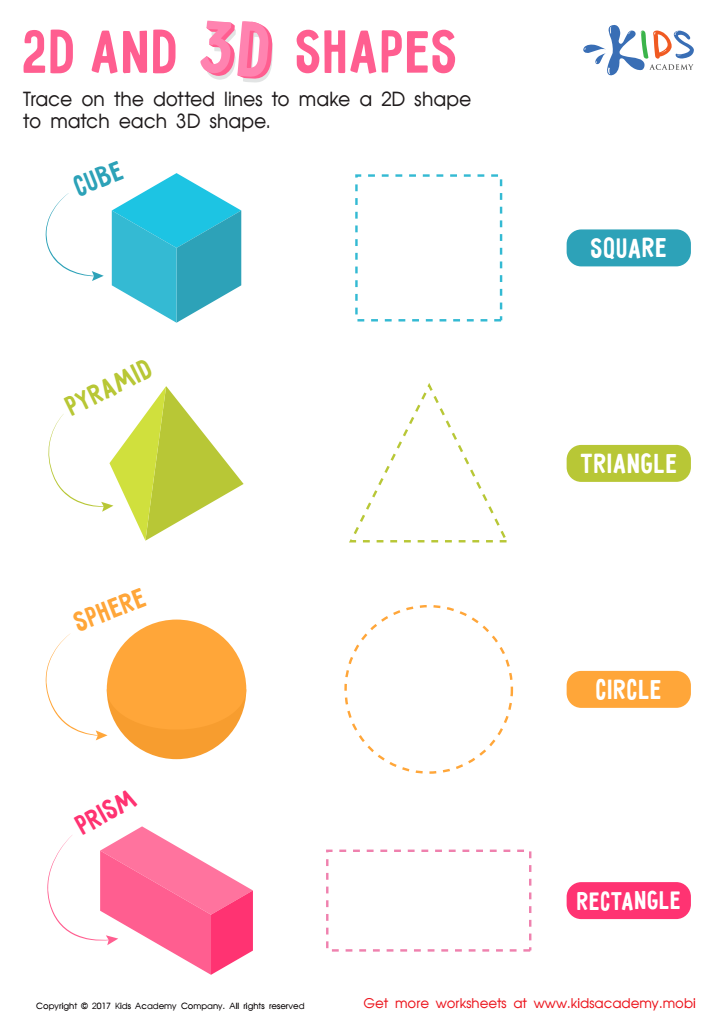
2D and 3D Shapes Worksheet
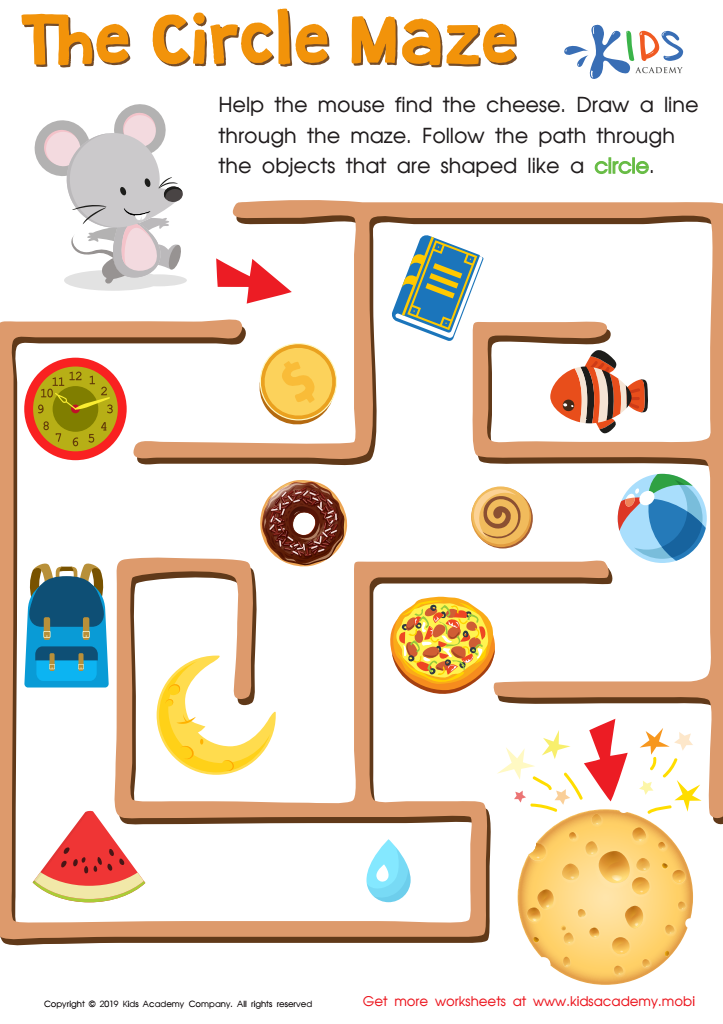
The Circle Maze Worksheet
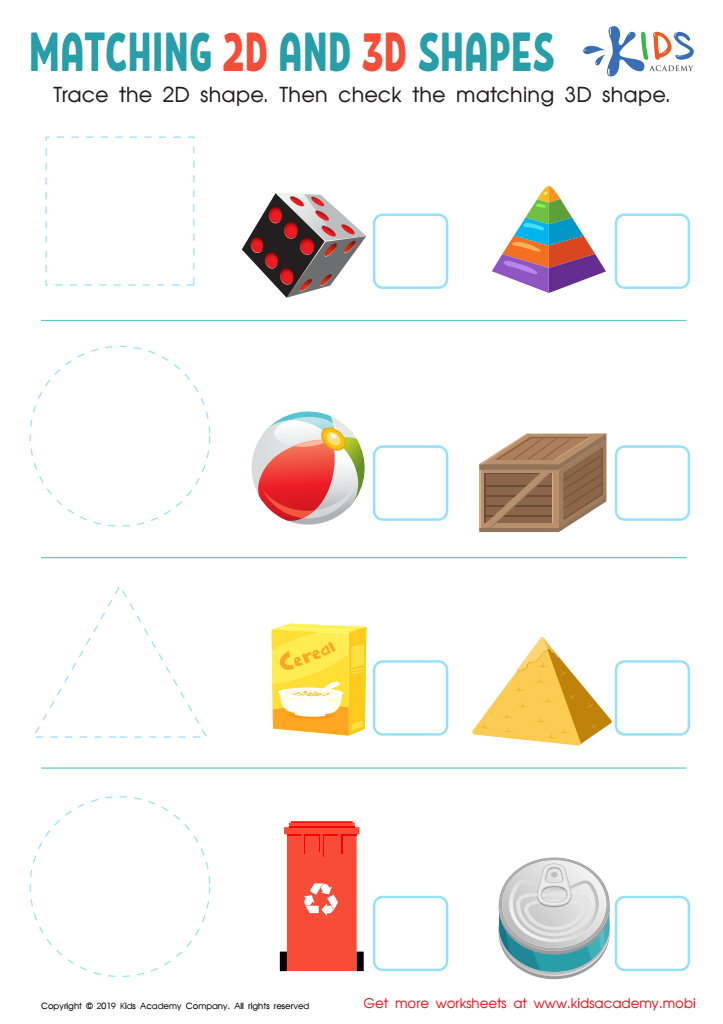
Matching 2D and 3D Shapes Worksheet
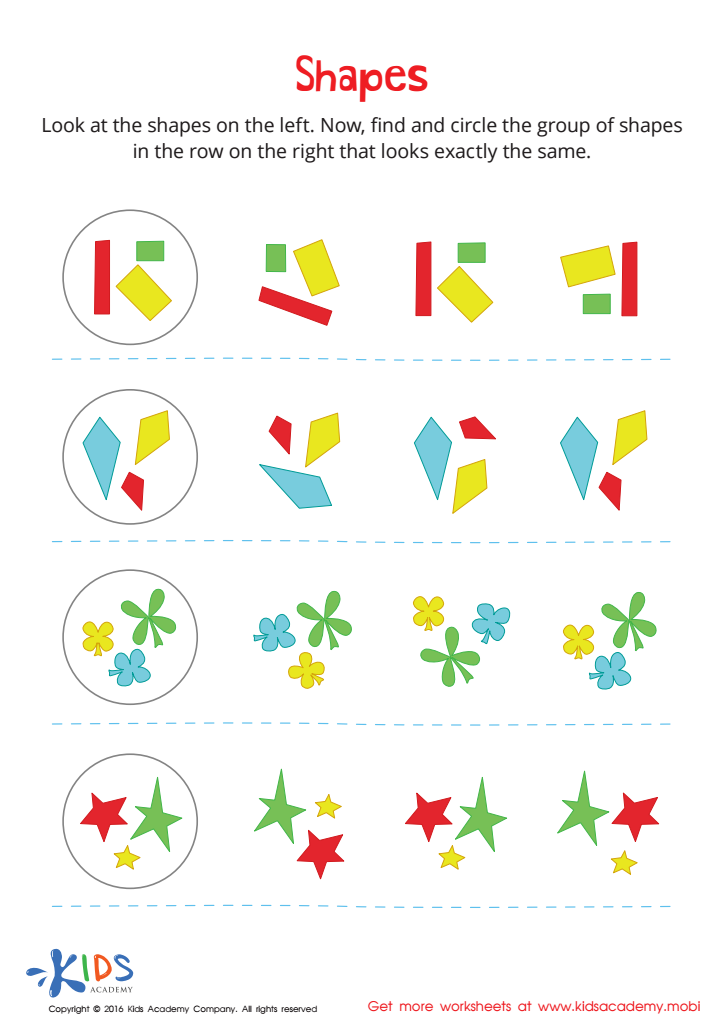
Shapes Worksheet








Cognitive development is a crucial aspect of early childhood education, influencing how children think, learn, and process information. Engaging with challenges like Geometry in the classroom or at home promotes critical thinking, spatial awareness, and problem-solving skills. When parents or teachers prioritize cognitive challenges in geometry, they empower children to explore shapes, understand patterns, and grasp spatial relationships, all foundational skills for advanced mathematics understanding.
Geometry extends beyond mere shape recognition; it fosters creativity, as children visualize and manipulate objects in space. This practice not only enhances their mathematical reasoning but also prepares them for real-world applications—whether through navigation, architecture, or even art. By fostering a strong understanding of geometry, educators and parents cultivate perseverance and resilience when facing challenging problems.
Additionally, early exposure to such cognitive challenges plays a significant role in boosting children's confidence and intrinsic motivation. As students tackle geometric puzzles and concepts, they develop a growth mindset, recognizing that effort leads to improvement. This shift not only impacts math-related subjects but extends to their overall academic pursuits, making cognitive development in geometry essential for lifelong learning success. Thus, both parents and teachers should remain invested in nurturing these skills to enhance children's overall cognitive growth.