Color Identification Kindergarten Coloring Pages Worksheets
13 filtered results
-
From - To
Introduce your little ones to the vibrant world of colors with our "Color Identification Kindergarten Coloring Pages Worksheets." Perfectly designed to engage and educate, these printable worksheets help young learners recognize and name different colors through creative coloring activities. Our educational resources are not only fun but also enhance fine motor skills, boost attention to detail, and foster a love for learning. Parents and educators will find these tools invaluable for both classroom and at-home practice. Explore our collection to give children a head start in color identification, setting them up for success in their educational journey.
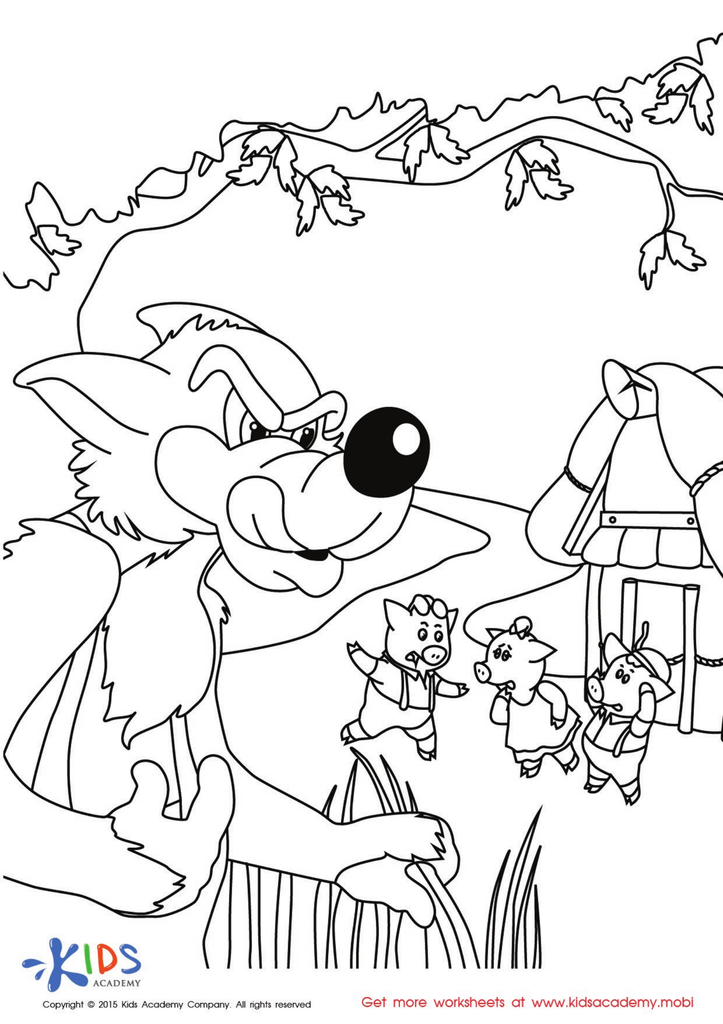
The Story of the Three Little Pigs Coloring Worksheet
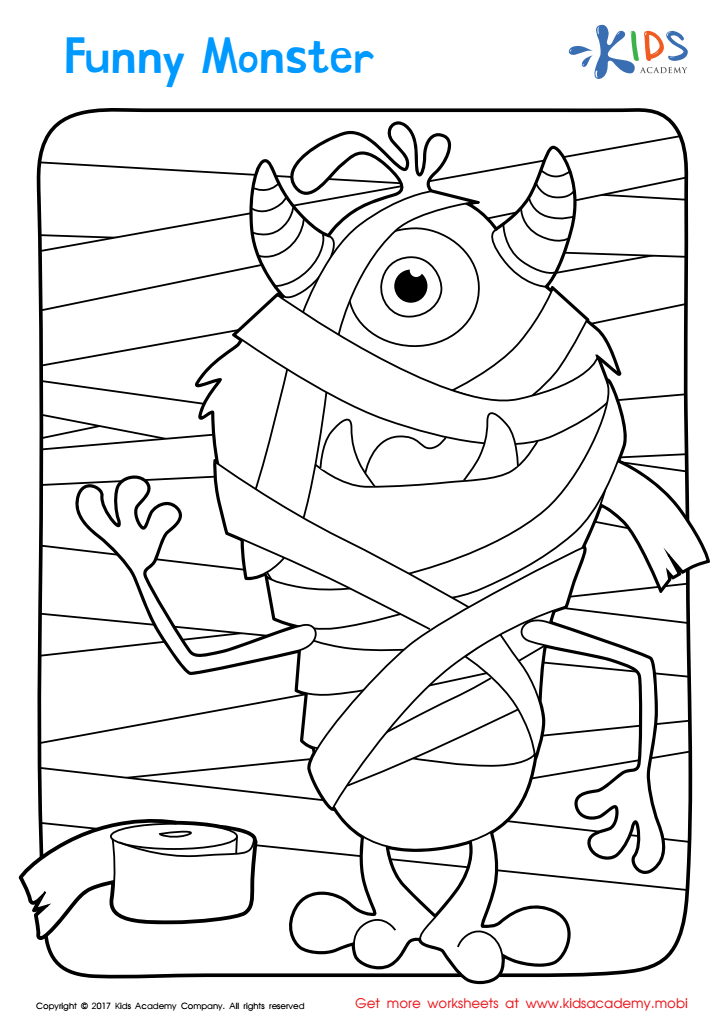
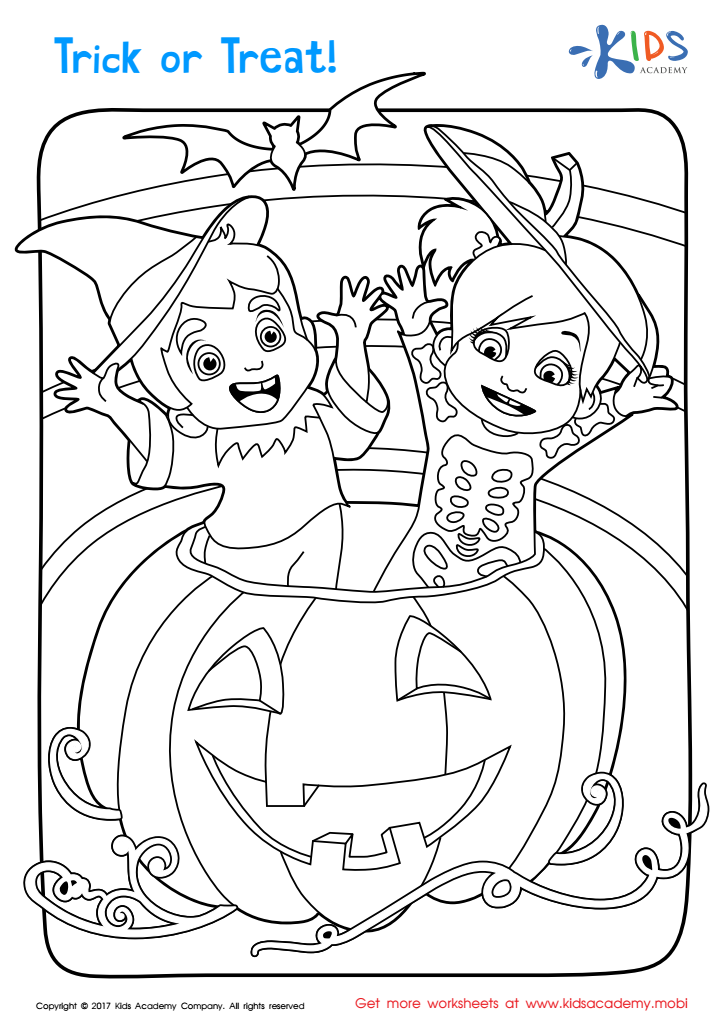
Halloween: A Funny Monster Worksheet
 Assign to My Students
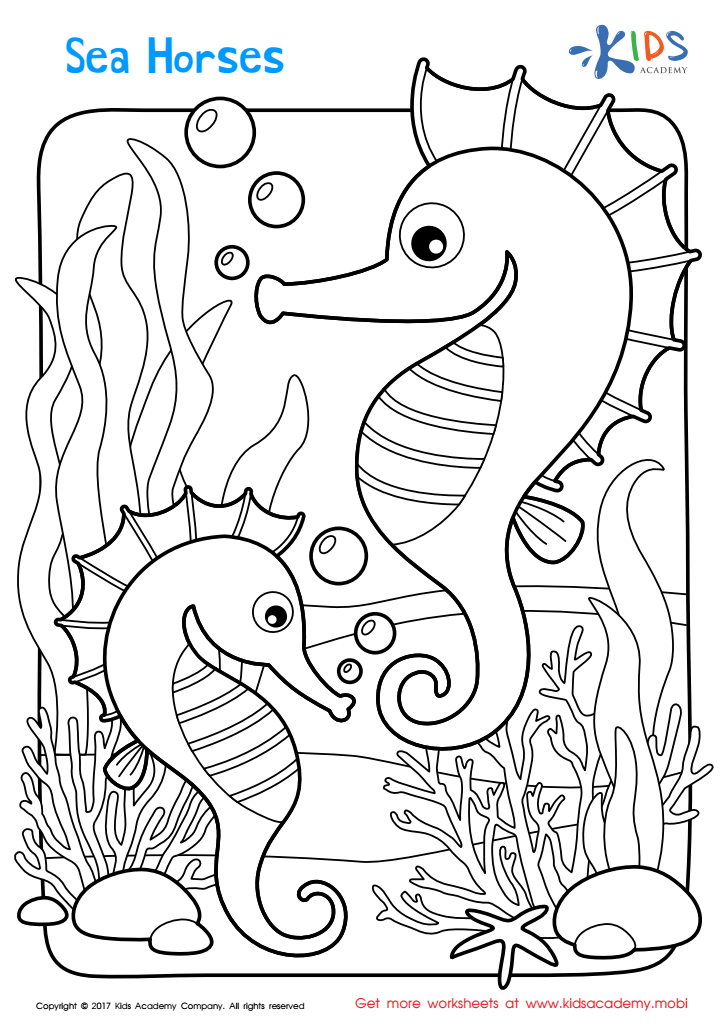
Sea Horses Printable
Assign to My Students
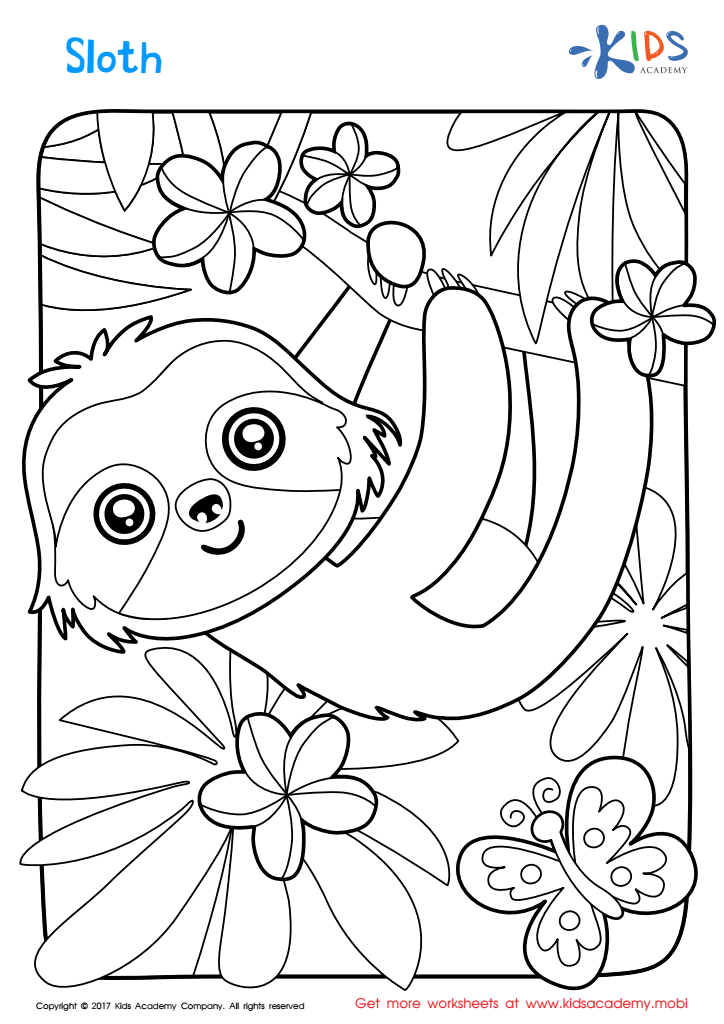
Sloth Worksheet
Assign to My Students
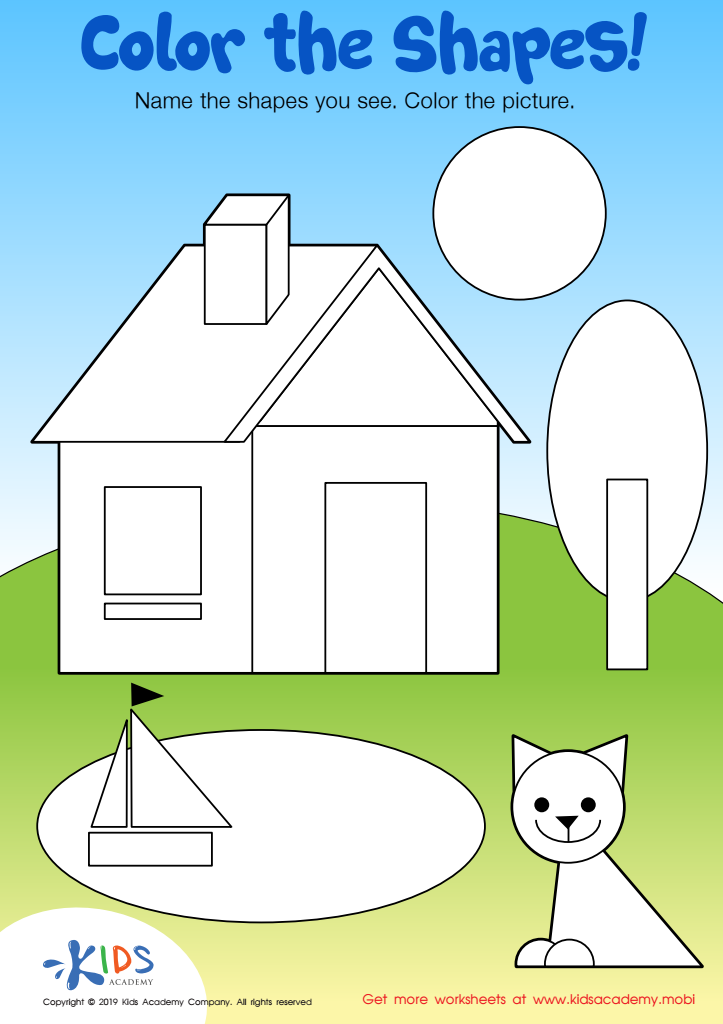
Color the Shapes Worksheet
Assign to My Students
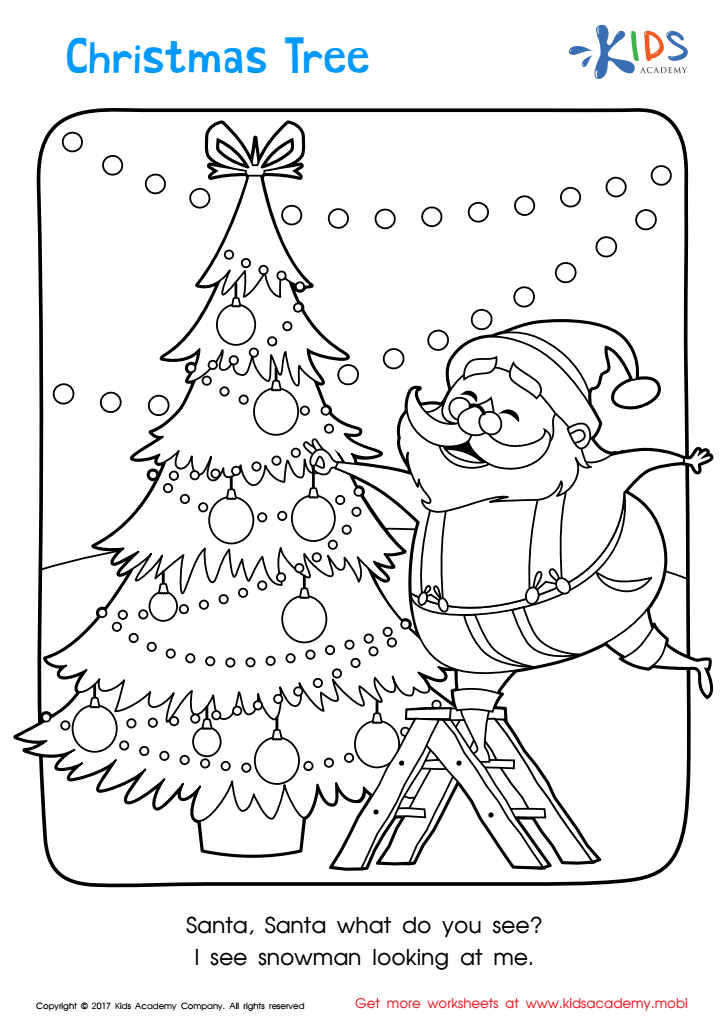
Christmas: Christmas Tree Printable
Assign to My Students
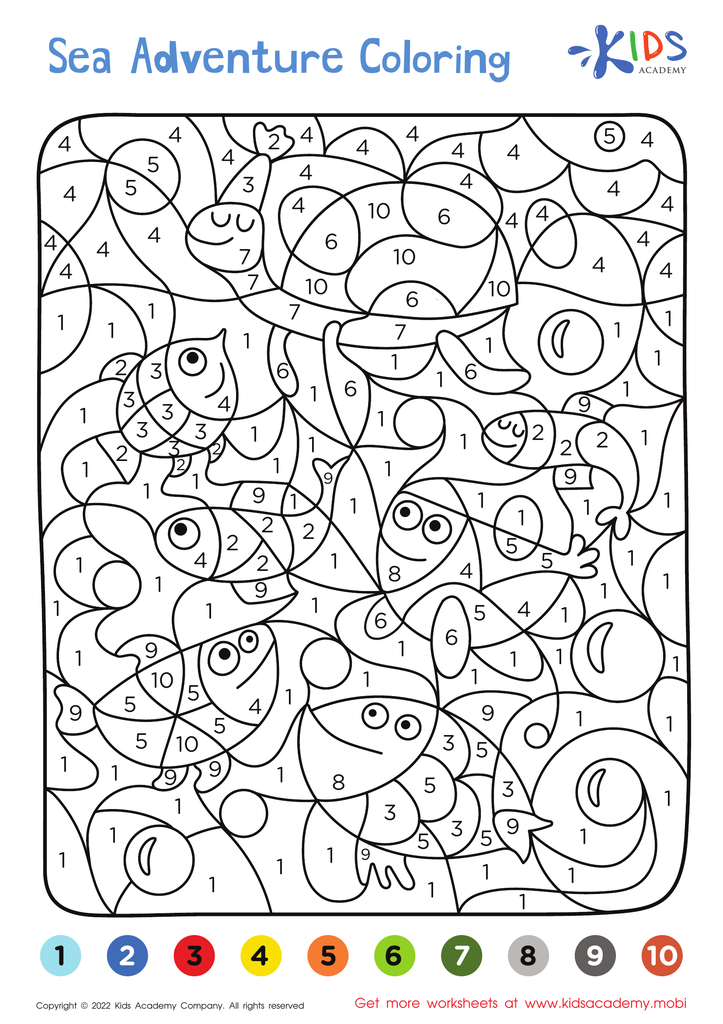
Sea Adventure – Coloring by Numbers
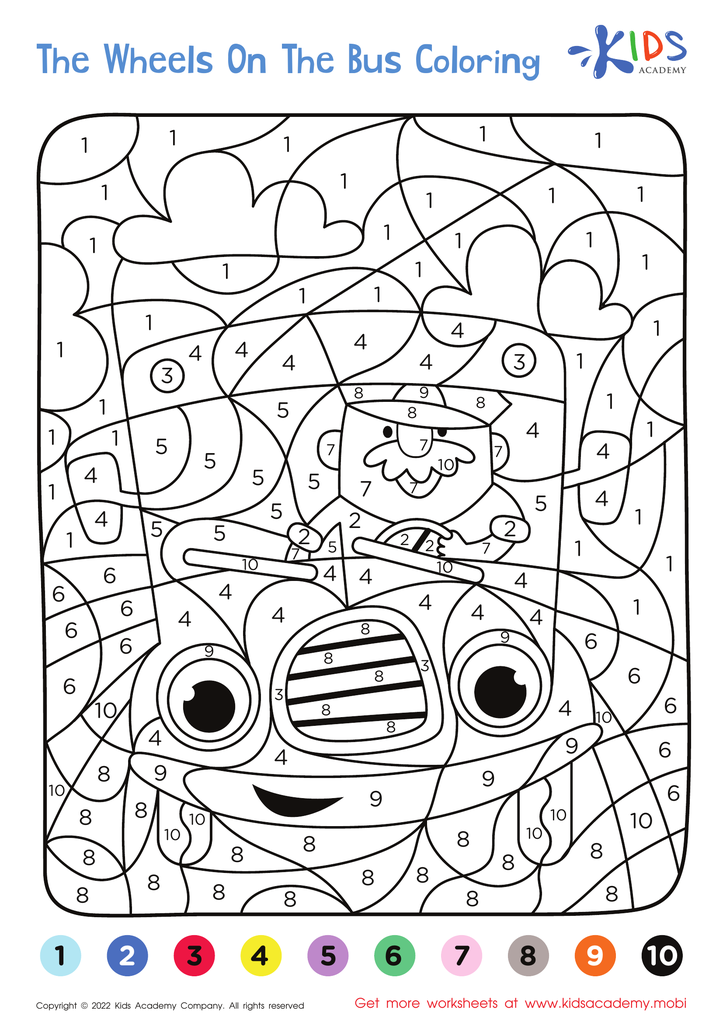
Wheels on the Bus – Coloring by Numbers
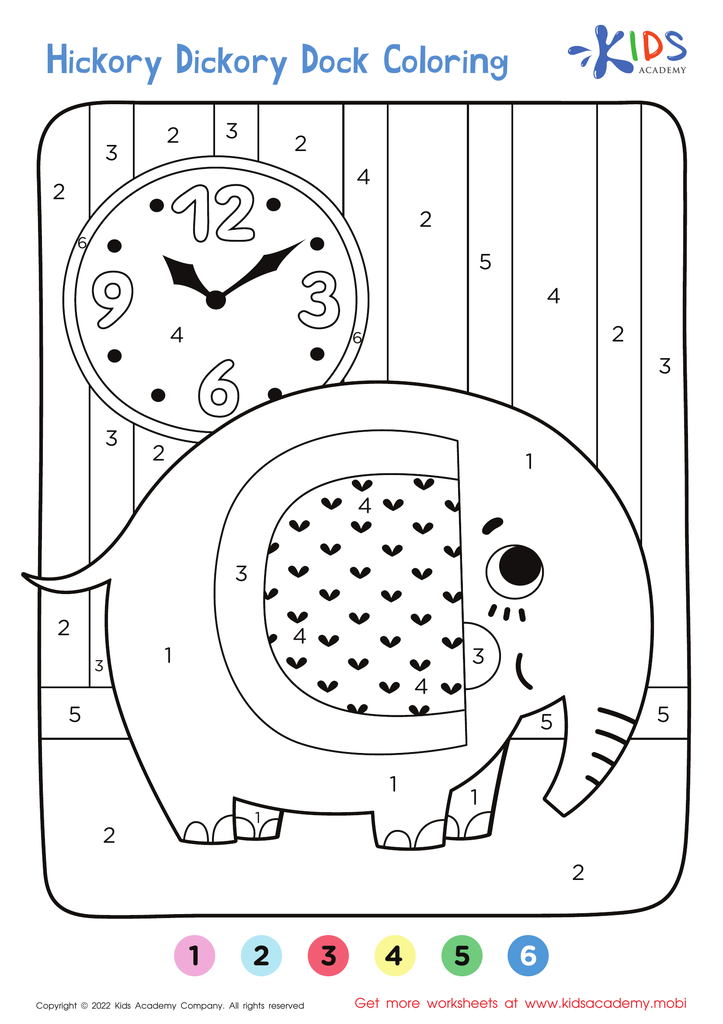
Hickory Dickory Dock – Coloring by Numbers
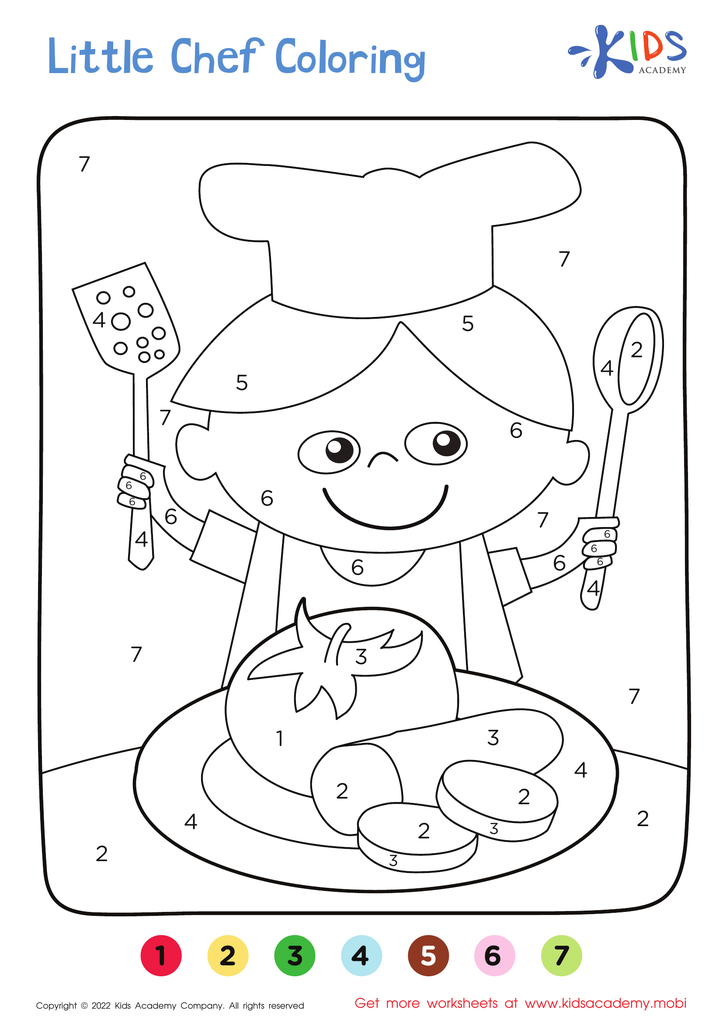
Little Chef – Coloring by Numbers
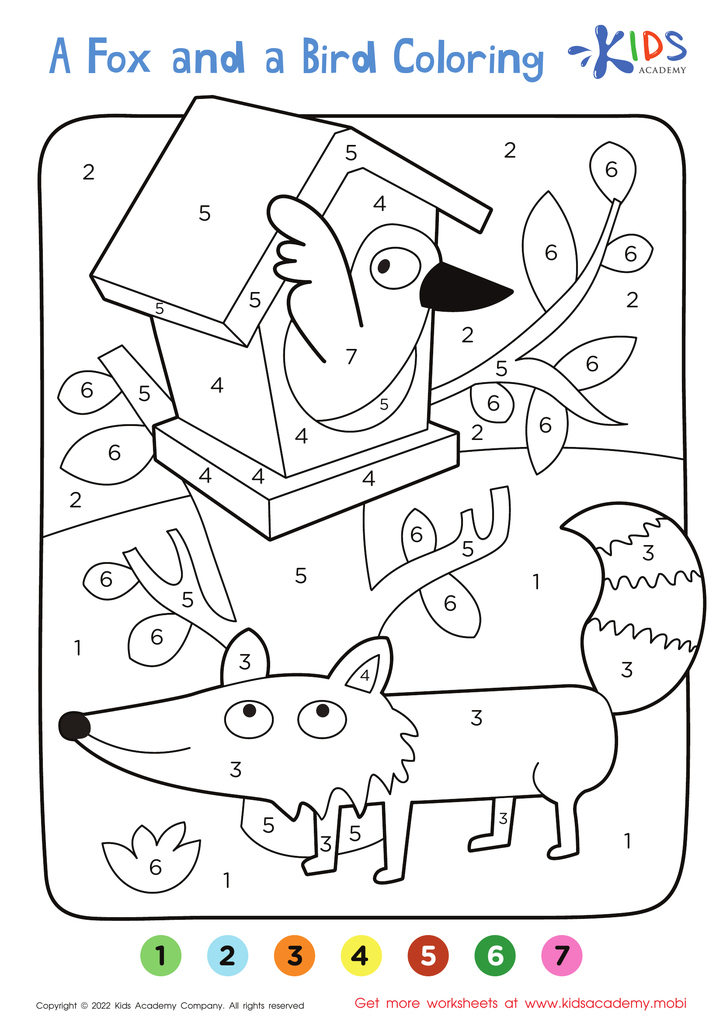
A Fox and a Bird – Coloring by Numbers





Color Identification Kindergarten Coloring Pages are a valuable educational resource that parents and teachers should care about for several reasons. Firstly, these coloring pages help young children develop color recognition skills, which is a foundational element of early childhood education. Knowing colors and being able to differentiate between them is crucial for children as it affects their ability to understand and organize the world around them.
Secondly, engaging in coloring activities enhances fine motor skills. When children color within the lines, it helps them develop the precision necessary for writing and other tasks requiring hand-eye coordination. Thirdly, these activities can also serve as a soothing and stress-relieving exercise, helping children learn to focus and improve concentration.
Additionally, Color Identification Kindergarten Coloring Pages provide a platform for creativity and self-expression. Children can experiment with various colors, making personal choices that reflect their preferences and imagination. Moreover, these coloring pages can facilitate learning in other subject areas. For instance, a page depicting fruits or animals teaches vocabulary and concept development alongside color identification.
Lastly, they offer a simple way for parents and teachers to engage with children, fostering a supportive and educational environment. They provide structured yet enjoyable opportunities for meaningful interaction and bonding, both of which are vital for emotional and social development.