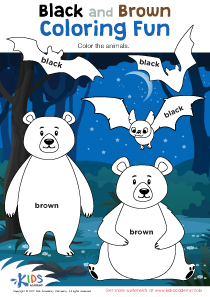
Hand-eye Coordination Kindergarten English for Beginners Worksheets
14 filtered results
-
From - To
Enhance your child's learning experience with our Hand-eye Coordination Kindergarten English for Beginners Worksheets! Designed specifically for young learners, these engaging worksheets focus on developing essential hand-eye coordination skills while introducing them to basic English vocabulary. Through fun activities and exercises, children will improve their fine motor skills and reinforce their understanding of shapes, colors, and letters. Perfect for ESL learners, our resources offer a hands-on approach to mastering language fundamentals. Ideal for home or classroom use, these worksheets will empower your little ones with the confidence they need to succeed in their English language journey. Explore the fun today!
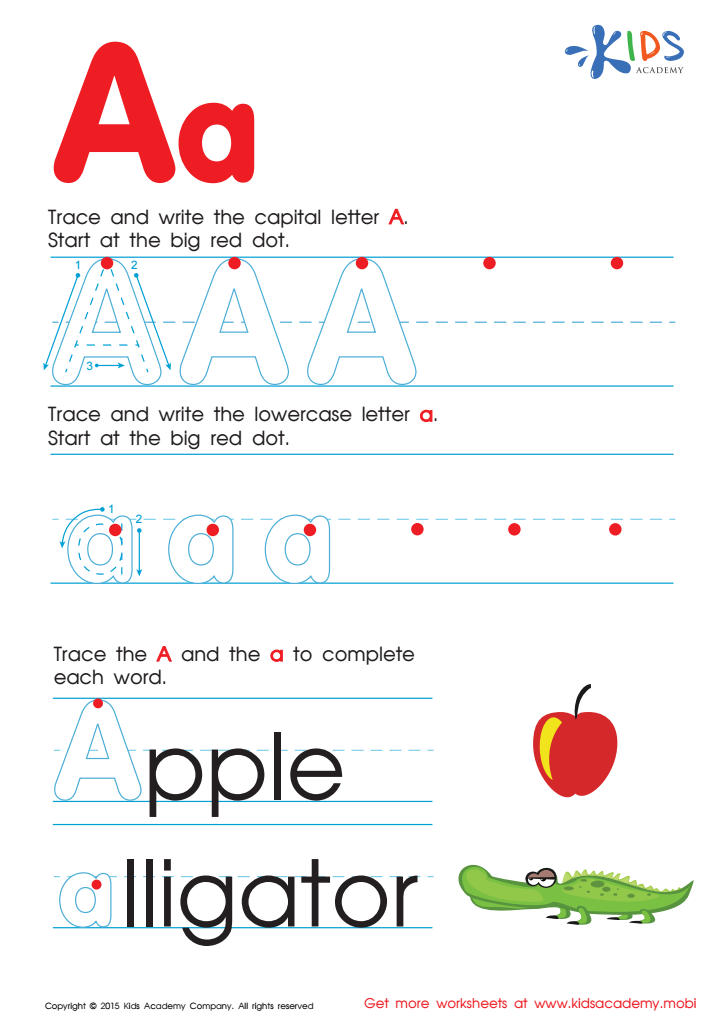
Letter A Tracing Page
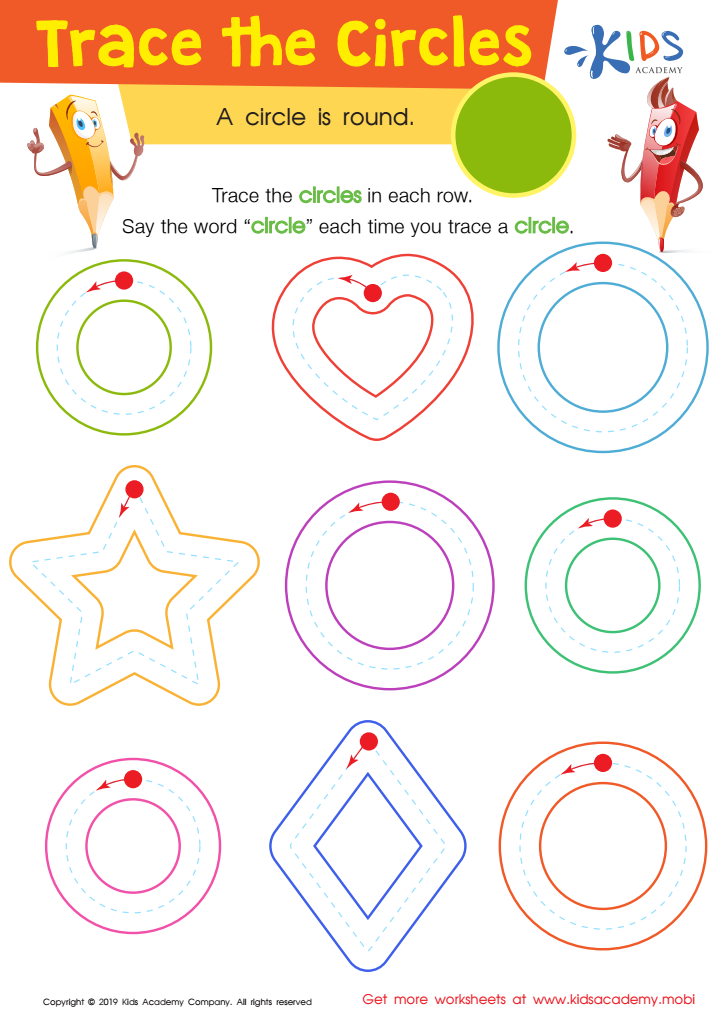
Trace The Circles Worksheet
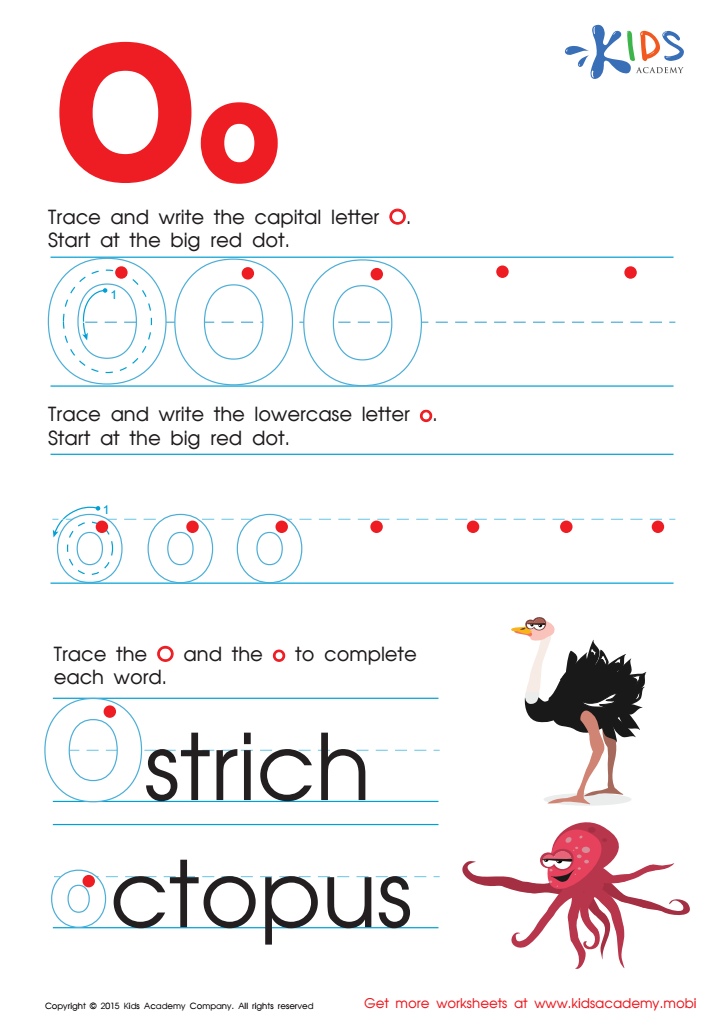
Letter O Tracing Page
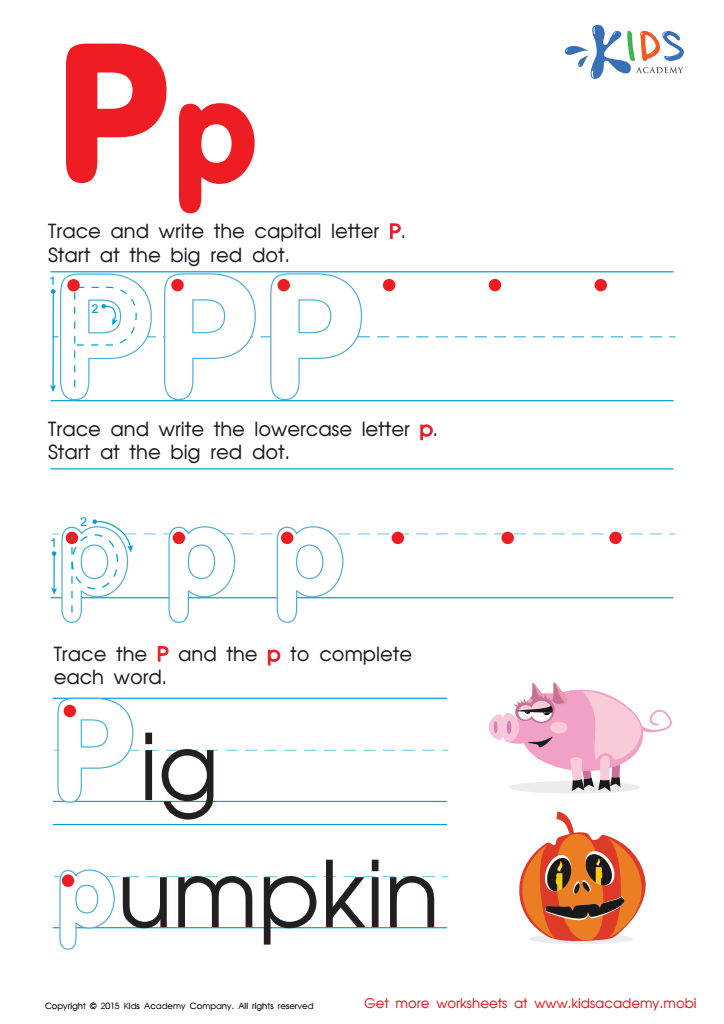
Letter P Tracing Page
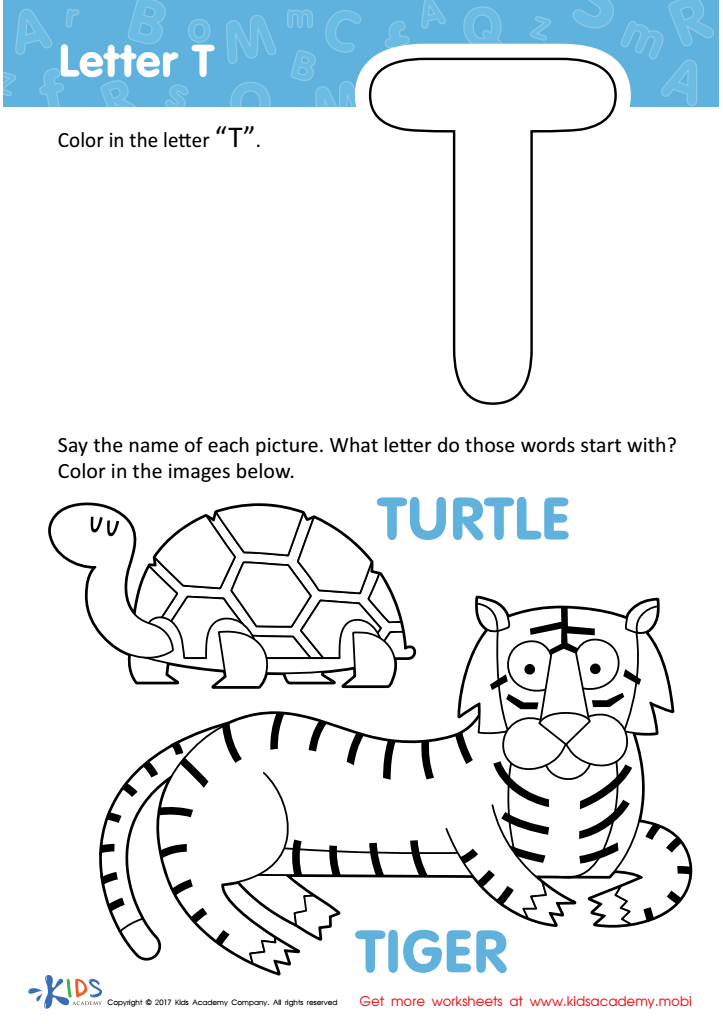
Letter T Coloring Sheet
 Assign to My Students
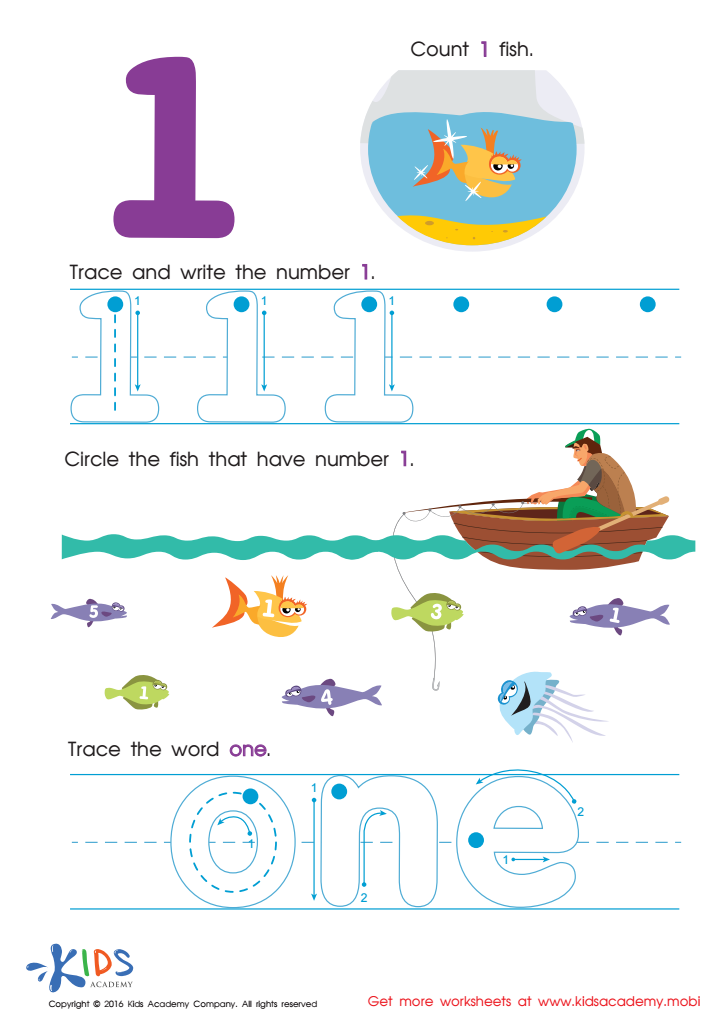
Learning to Write 1 Worksheet
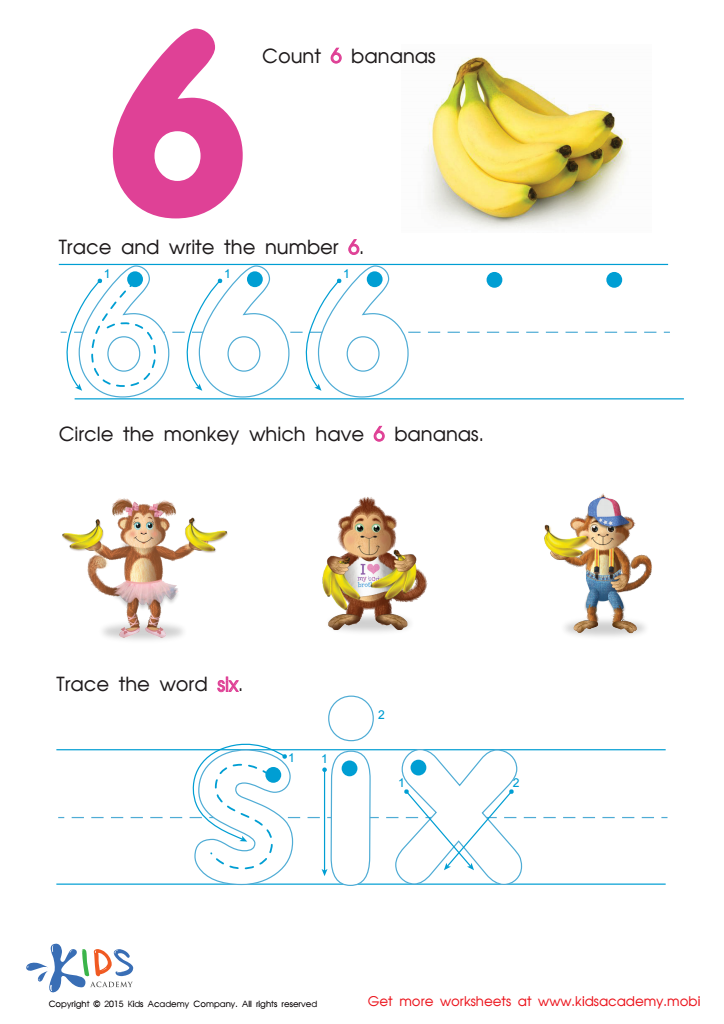
Tracing And Writing Number 6 Worksheet

Letter H Tracing Page
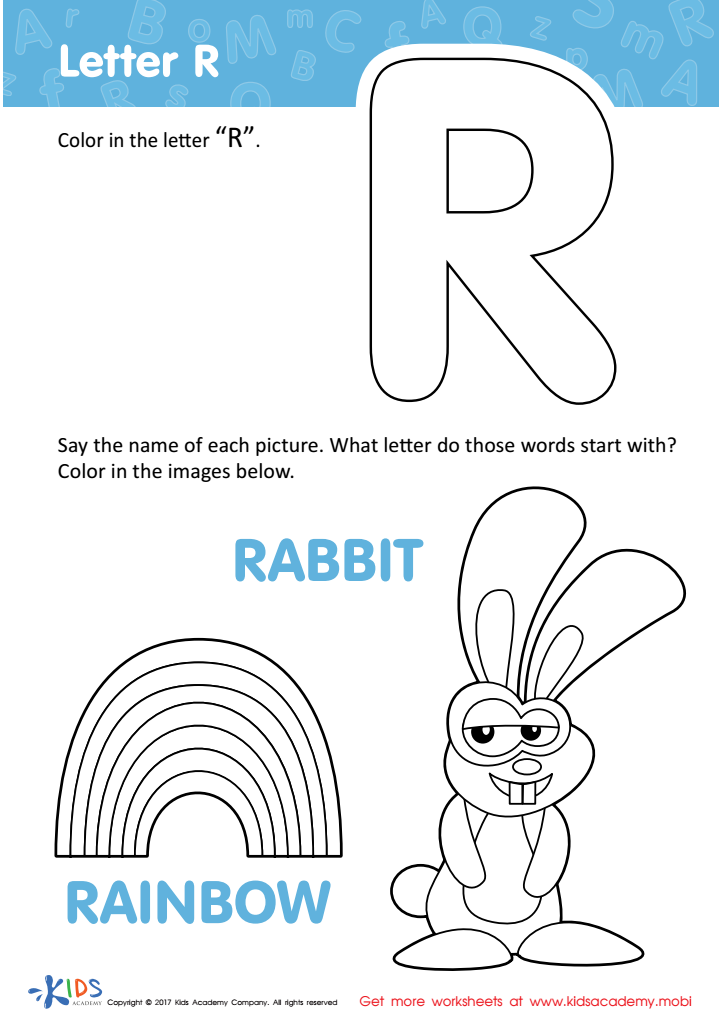
Letter R Coloring Sheet
Assign to My Students

Long and Short U Worksheet
Assign to My Students
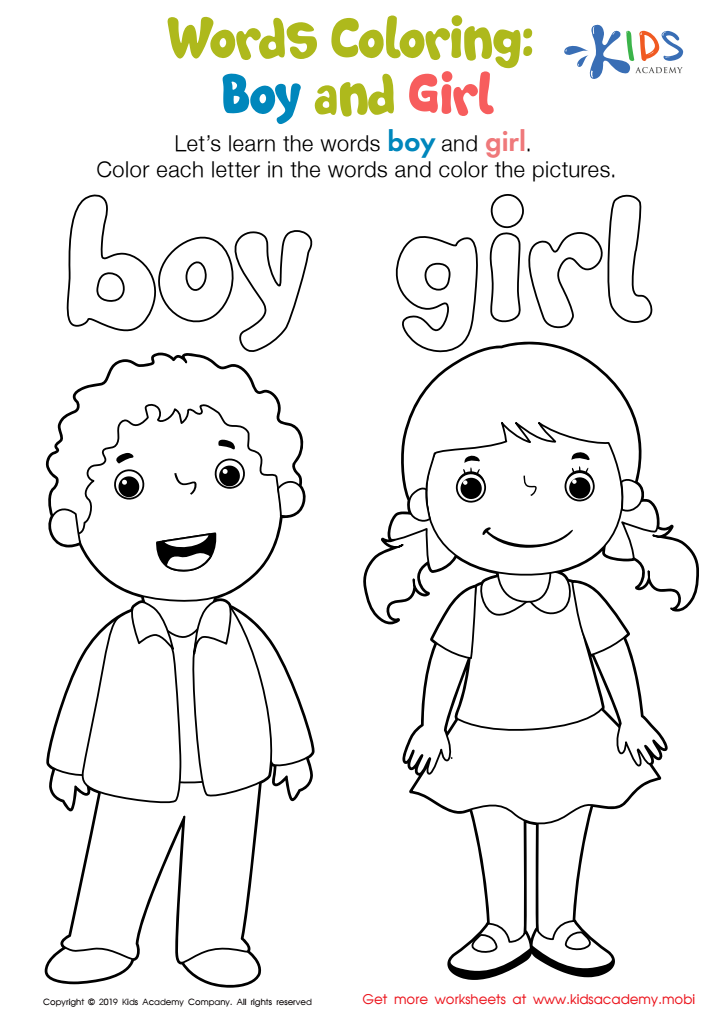
Boy and Girl Words Coloring Worksheet
Assign to My Students
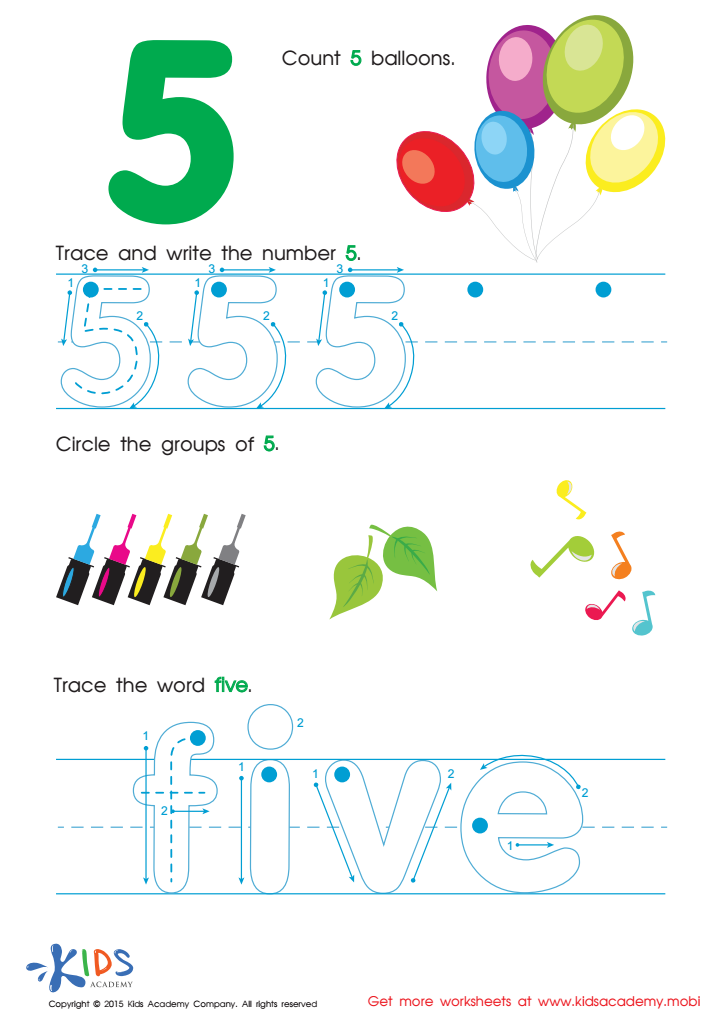
Practice Writing Number 5 Worksheet

Long and Short E Worksheet
Assign to My Students

Letter D Tracing Page



Hand-eye coordination is a fundamental skill that significantly impacts a child's overall development, especially for kindergarteners learning English. This skill involves the ability to coordinate visual input with physical movement, which is essential for a variety of tasks from simple activities like drawing to more complex skills such as writing and reading.
Parents and teachers should prioritize hand-eye coordination in early education because it lays the groundwork for academic success. As children engage in tasks that require visual-motor skills, such as practicing letter formation or manipulating books, they enhance their cognitive abilities and concentration. Mastering these skills fosters confidence, making children more willing to participate in group activities, discussions, and learning tasks.
Moreover, hand-eye coordination is linked to fine motor skills, which are critical for self-help tasks, including dressing and managing personal belongings. These abilities encourage independence, helping young learners develop a sense of responsibility.
In an English-learning environment, improved hand-eye coordination can facilitate better interaction with learning materials and support language acquisition as children navigate through visuals and texts. Investing time in promoting this skill ultimately sets the stage for a more engaging, productive, and joyful learning experience for kindergarten-aged children.