Alphabet Recognition Kindergarten Worksheets - Page 3
56 filtered results
-
From - To
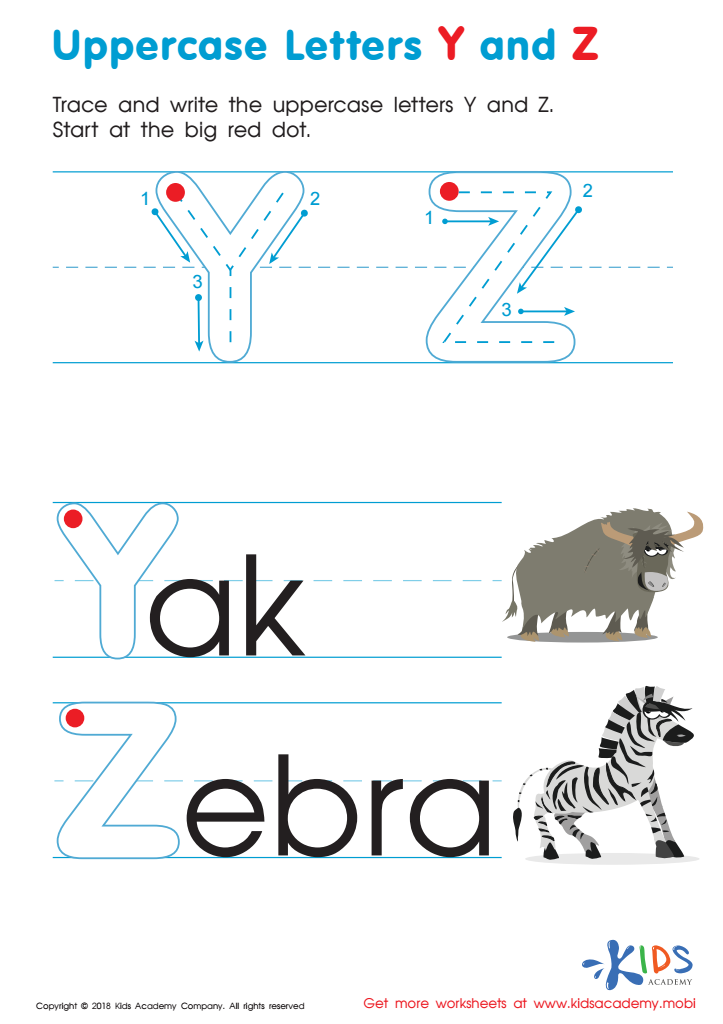
Uppercase Letters Y Z Worksheet
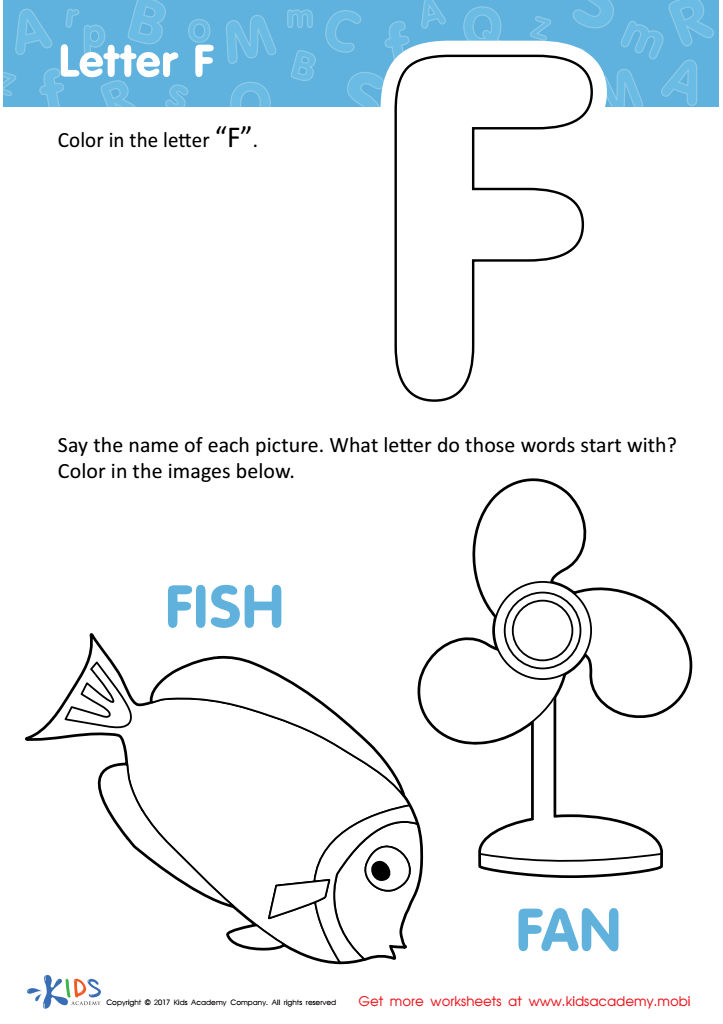
Letter F Coloring Sheet
 Assign to My Students
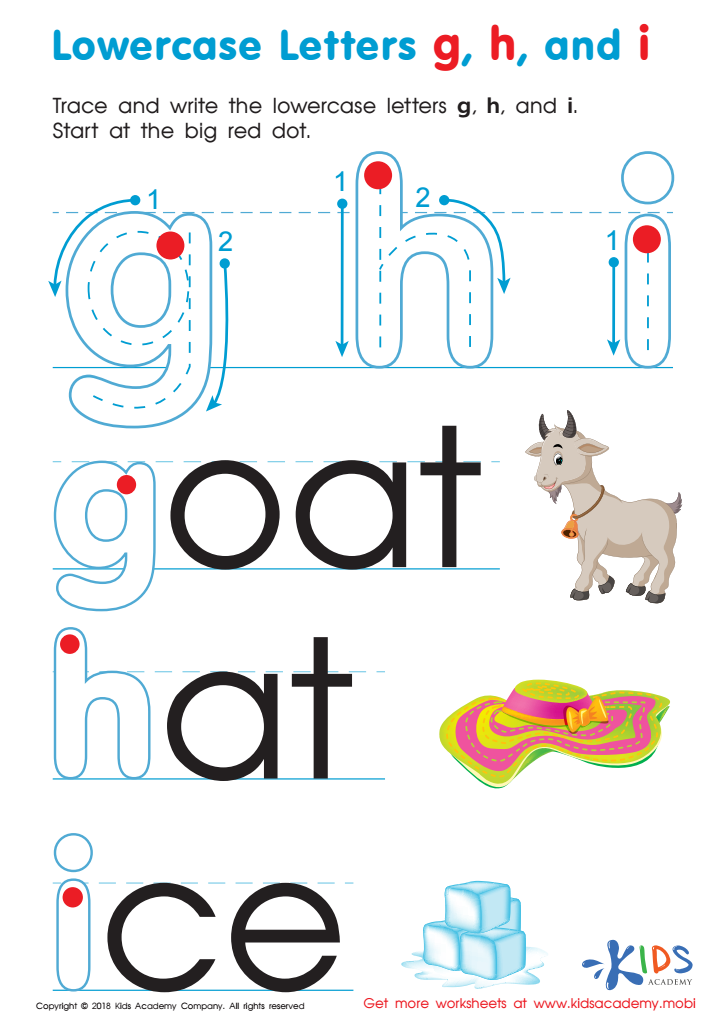
Lowercase Letters g h i Worksheet
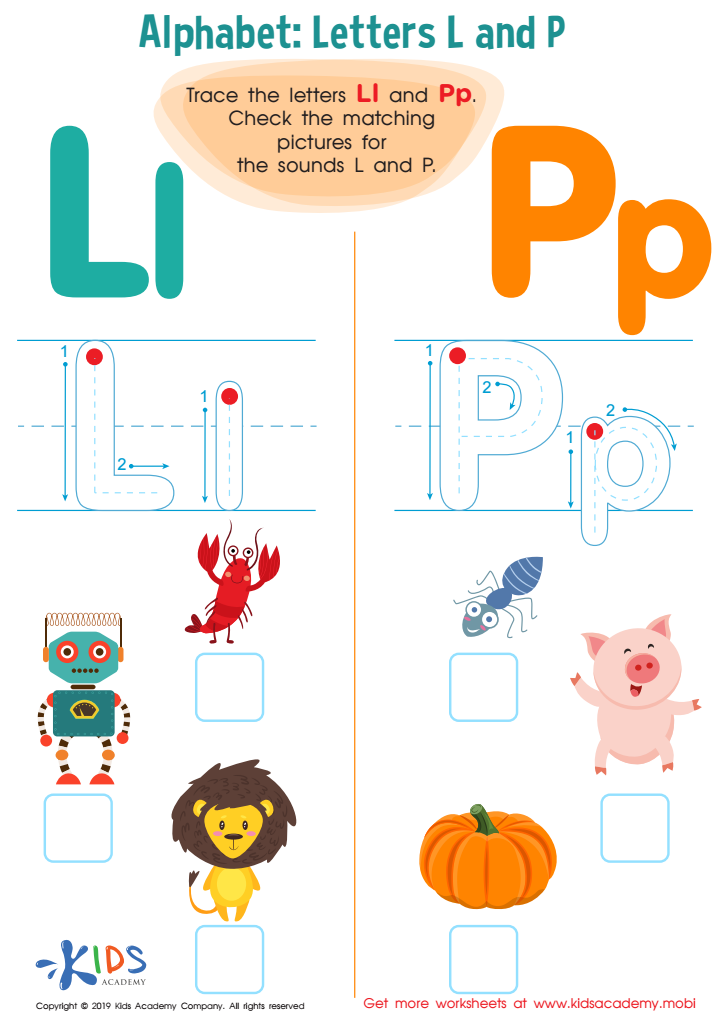
Letter L and P Tracing Worksheet
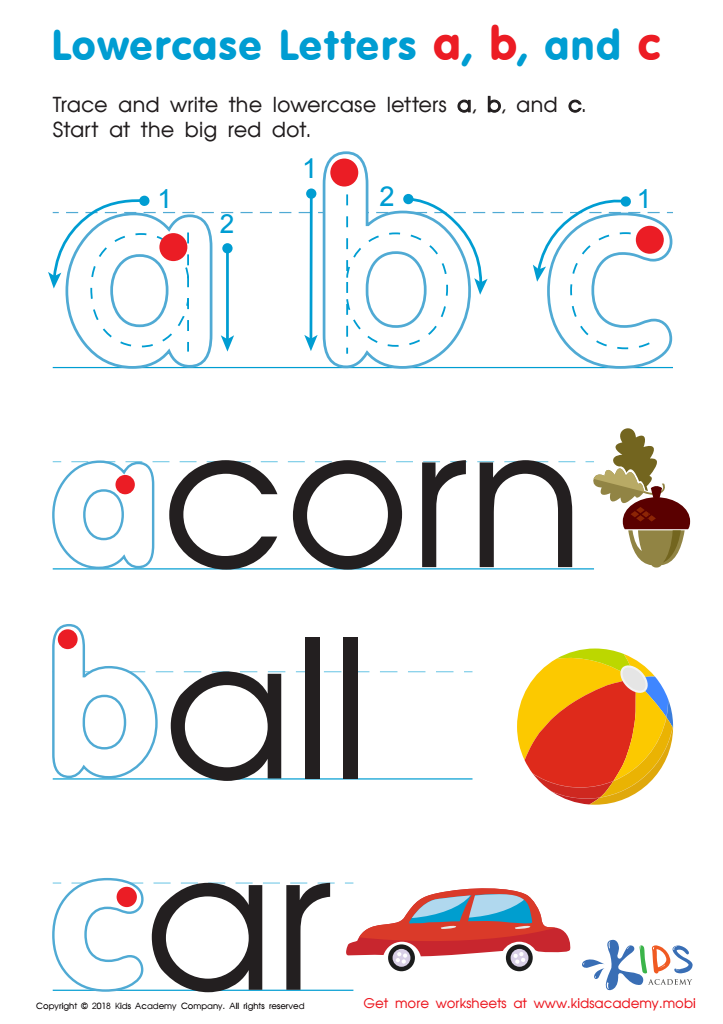
Lowercase Letters a b c Worksheet
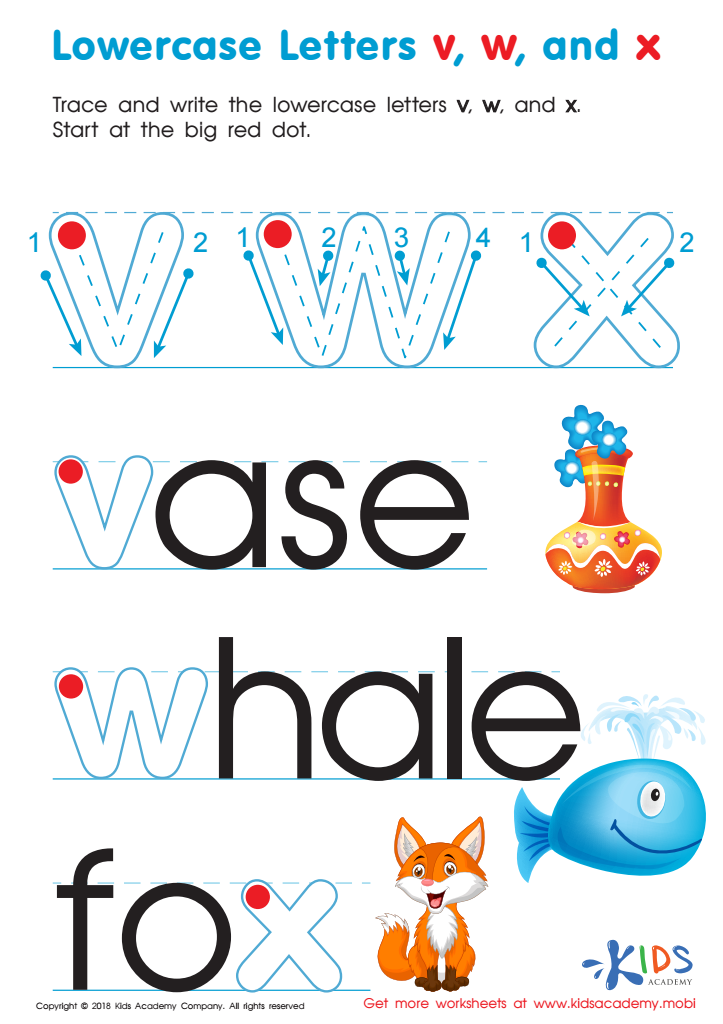
Lowercase Letters v w x Worksheet
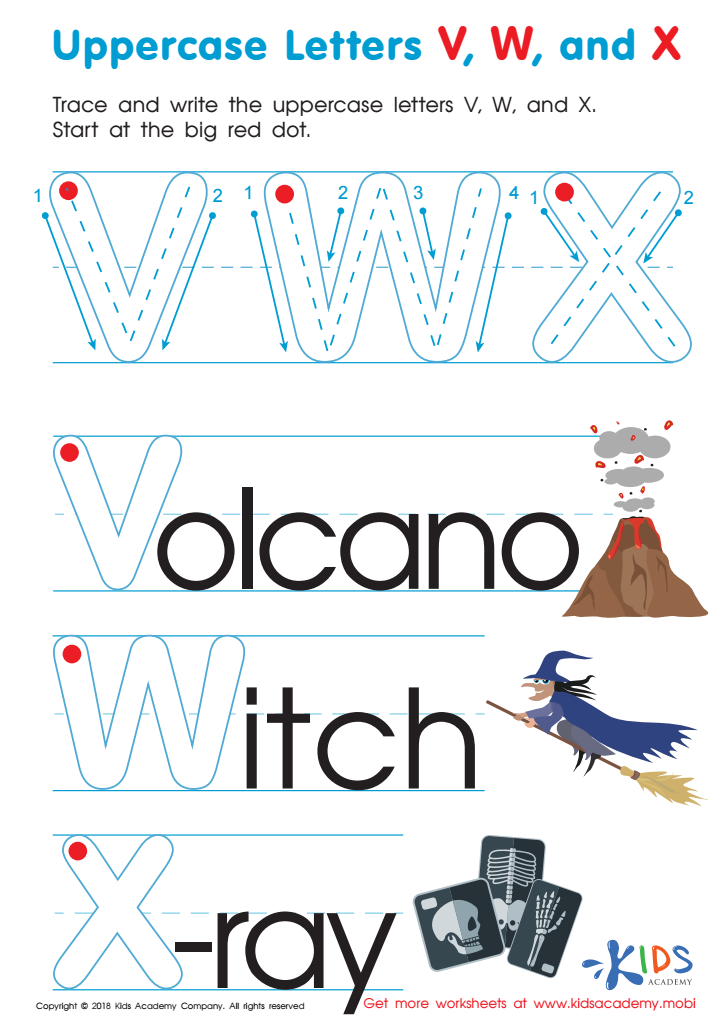
Uppercase Letters V, W, and X Worksheet
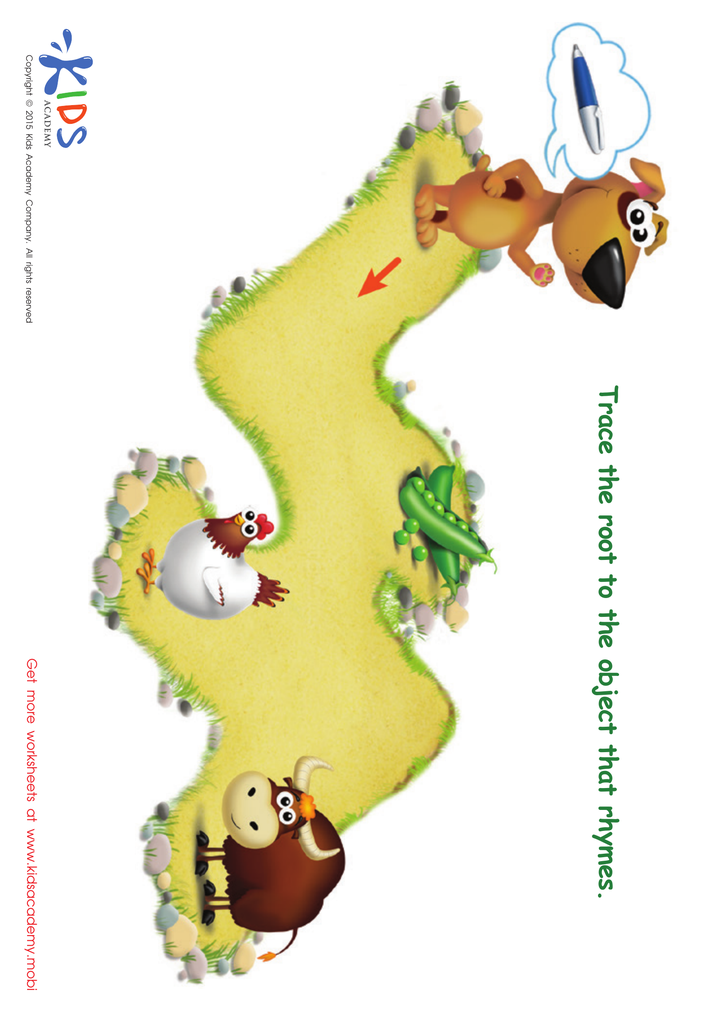
Pen Rhyming Words Worksheet








Alphabet recognition in kindergarten is a foundational milestone in early childhood education that significantly impacts a child's future learning trajectory. Parents and teachers should prioritize this skill because it underpins the development of essential literacy capabilities. When children recognize alphabets, they can begin to understand the correspondence between letters and sounds, forming the basis for phonemic awareness and phonics. This recognition is the first step toward word formation, reading, and writing, ultimately fostering effective communication skills.
Additionally, alphabet recognition supports cognitive development by enhancing memory, attention, and analytical skills. Children start to notice patterns, differentiate shapes, and make connections between visual symbols and sounds. These cognitive processes are crucial for academic success across various subjects.
Moreover, early mastery of alphabet recognition can boost a child’s confidence and enthusiasm for learning. It enables them to participate actively in classroom activities, reducing frustration and promoting a positive attitude towards education. For parents and teachers, focusing on this skill provides an opportunity to establish a solid educational foundation that will benefit children throughout their schooling and beyond. Therefore, investing time and resources in ensuring that children achieve proficiency in alphabet recognition by the end of kindergarten is essential for their academic and personal growth.








