Alphabet sequencing Kindergarten Worksheets
8 filtered results
-
From - To
Explore our engaging Alphabet Sequencing Kindergarten Worksheets designed to enhance your child's literacy skills while having fun! These worksheets provide interactive activities that help young learners practice identifying, arranging, and sequencing letters of the alphabet. With a variety of colorful exercises, including tracing, matching, and coloring, kids will improve their recognition and understanding of letter order. Ideal for homeschooling or classroom use, our worksheets support early reading development by promoting visual and cognitive skills. Encourage your child's love of learning with our Alphabet Sequencing worksheets, making the alphabet both enjoyable and educational! Get started today and watch them thrive!
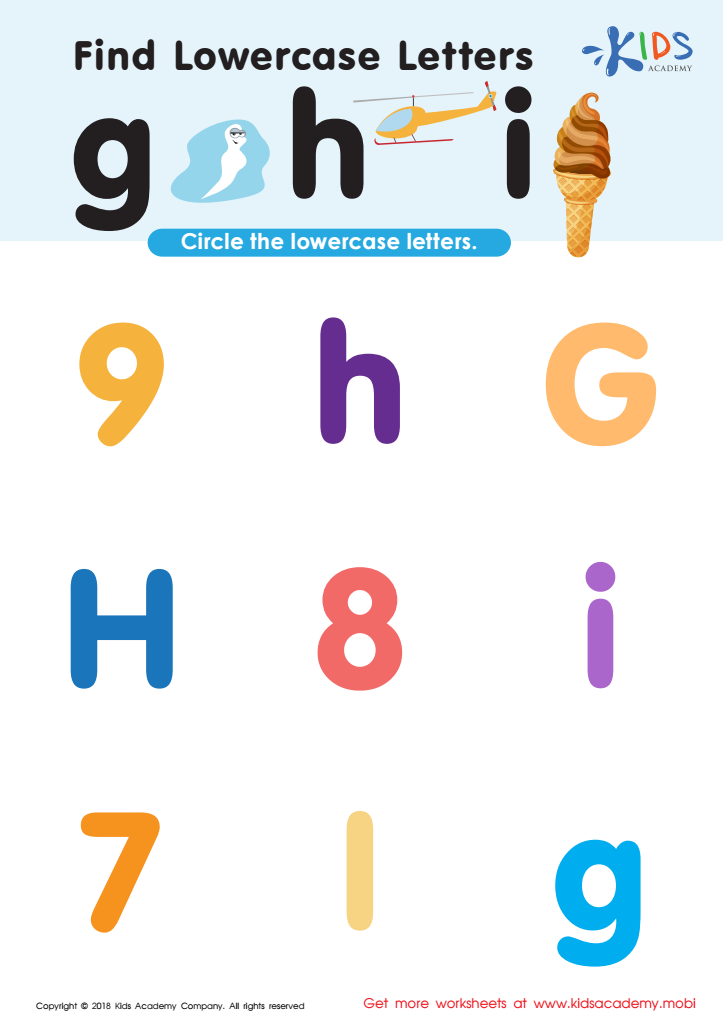
Find Lowercase Letters g h i Worksheet
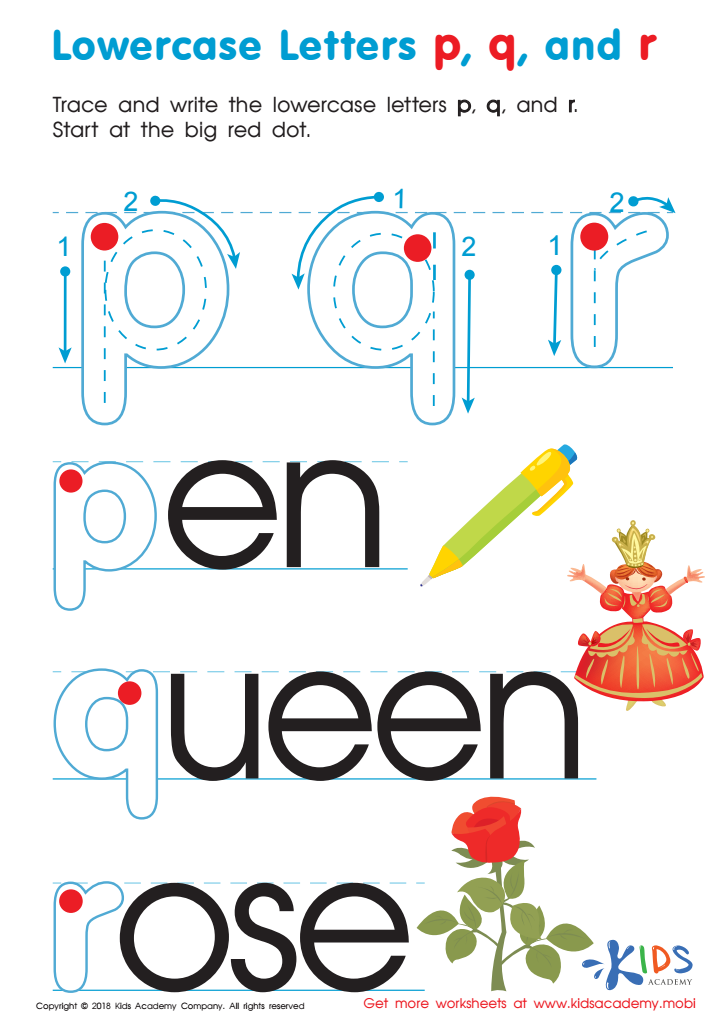
Lowercase Letters p q r Worksheet
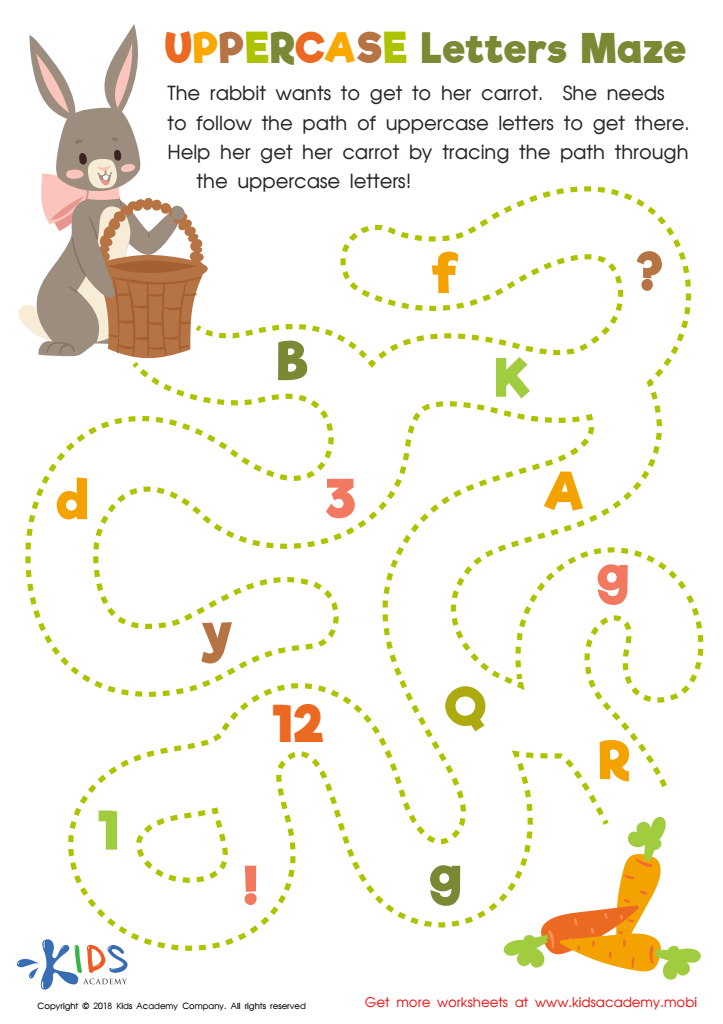
Uppercase Letters Maze Worksheet
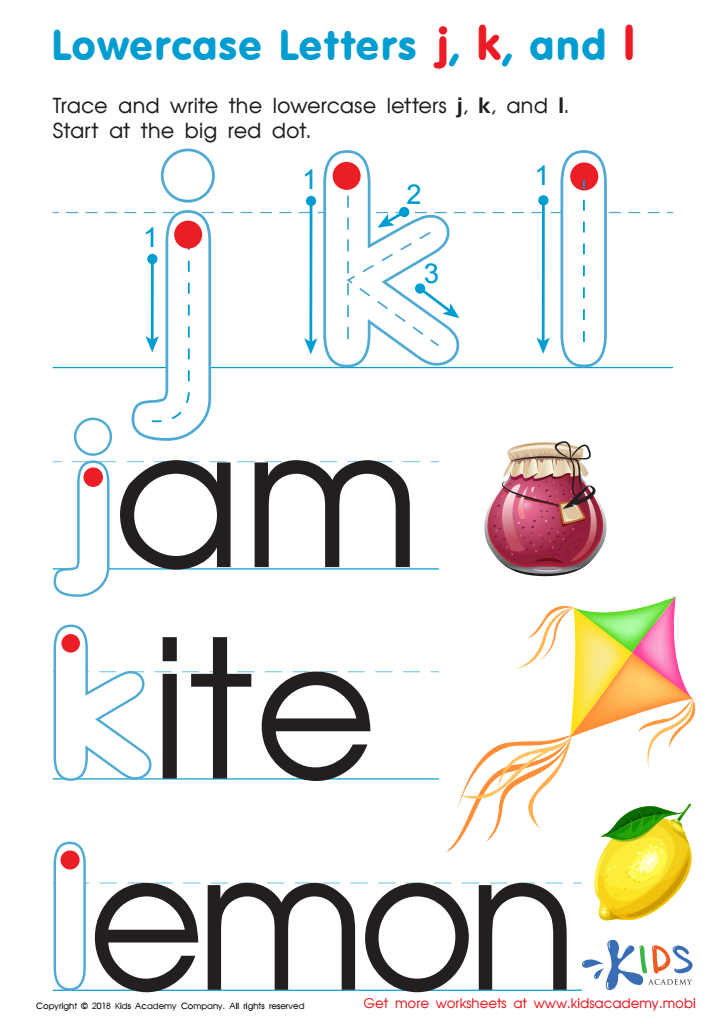
Lowercase Letters j k l Worksheet
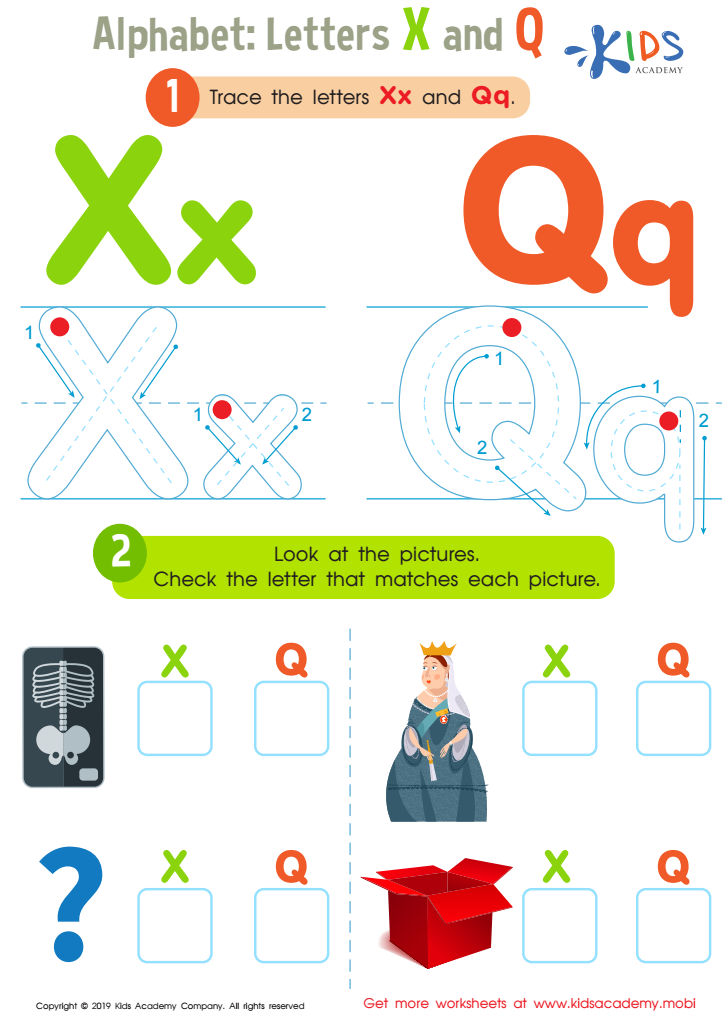
Letters X and Q Tracing Worksheet
Easter: Chick in the Basket Worksheet
 Assign to My Students
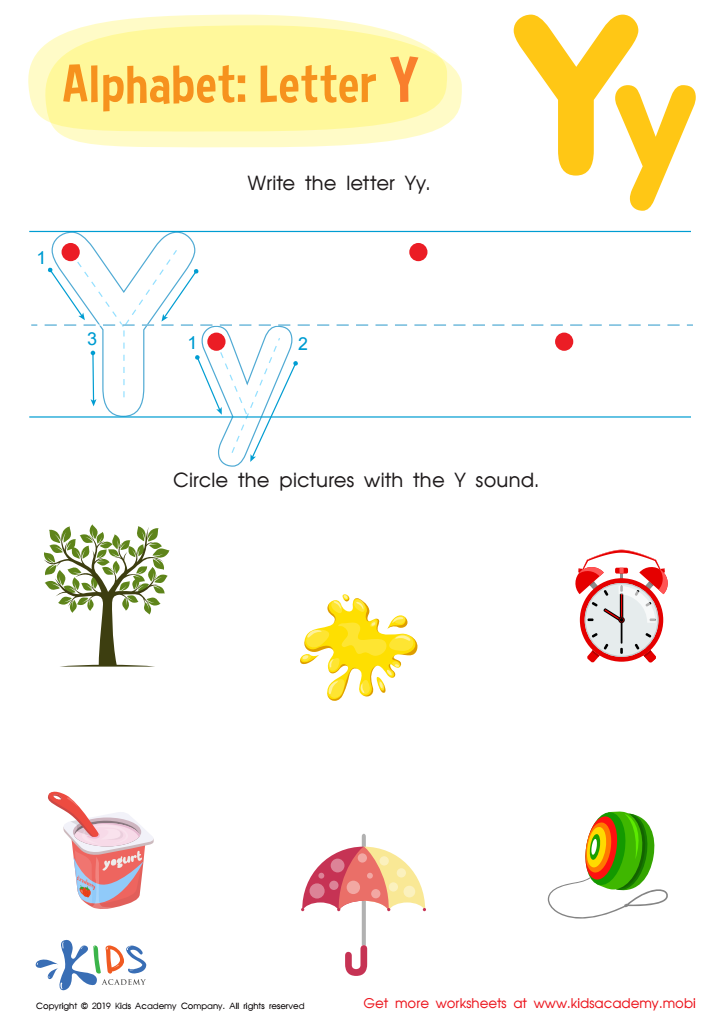
Letter Y Tracing Worksheet
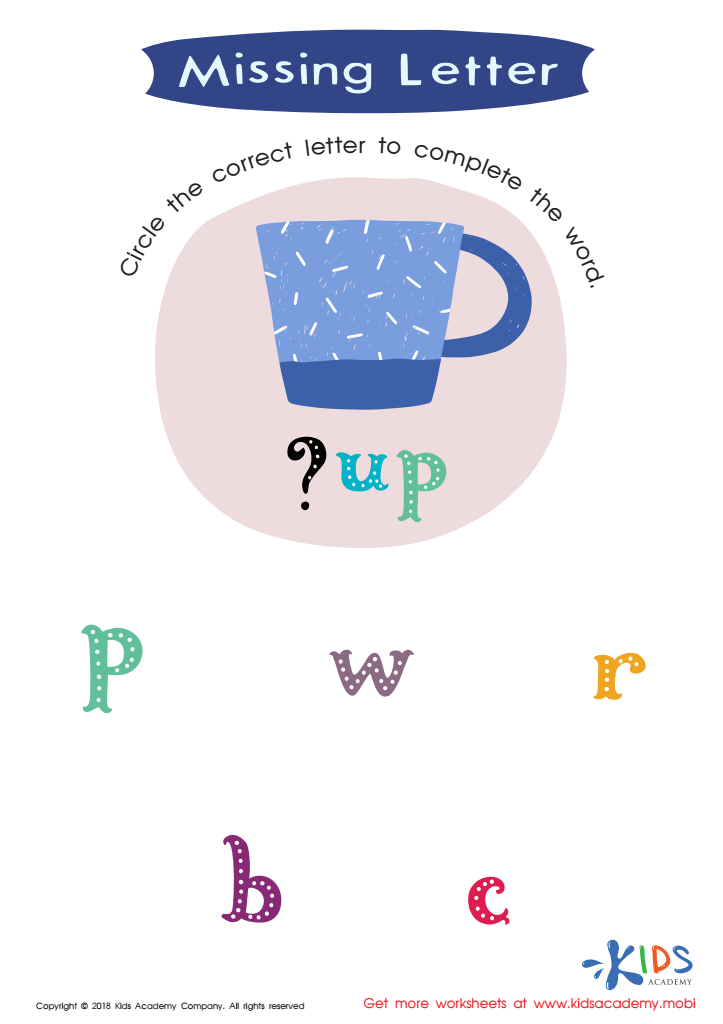
Missing Letter Worksheet







Alphabet sequencing is a fundamental aspect of early literacy that significantly impacts a child’s reading and writing development. For parents and teachers, understanding and emphasizing this skill is essential for several reasons.
Firstly, mastering the sequence of the alphabet helps children recognize letters and their corresponding sounds, which is crucial for phonemic awareness. As children begin to read, their ability to identify the order of letters supports their comprehension and decoding skills.
Secondly, engaging with alphabet sequencing activities promotes cognitive development. Activities such as letter songs, games, and puzzles encourage fine motor skills and memory, fostering a child’s overall learning capability. Furthermore, these activities often involve social interactions, enhancing their communication and teamwork skills.
Additionally, a strong grasp of the alphabet in order lays a solid foundation for future academic success. When children are proficient in alphabet sequencing, they are more prepared for tasks requiring organization, such as spelling and writing.
By prioritizing alphabet sequencing in early education, parents and teachers contribute to building confident learners who feel empowered in their literacy journey, ultimately setting the stage for ongoing learning and academic achievement. Investing time in this key learning phase strengthens children’s foundations for lifelong literacy skills.