Analytical thinking Kindergarten Worksheets
3 filtered results
-
From - To
Welcome to our Analytical Thinking Kindergarten Worksheets! Designed for young learners, these engaging worksheets promote critical thinking and problem-solving skills essential for early education. Our activities encourage students to analyze patterns, categorize items, and make connections, fostering a love for learning from an early age. With colorful illustrations and interactive exercises, these worksheets make analytical thinking fun and accessible. Perfect for both classroom and at-home learning, they serve as a valuable resource for teachers and parents alike. Enhance your child's cognitive abilities and ensure a strong foundation for future academic success with our thoughtfully crafted analytical thinking worksheets!
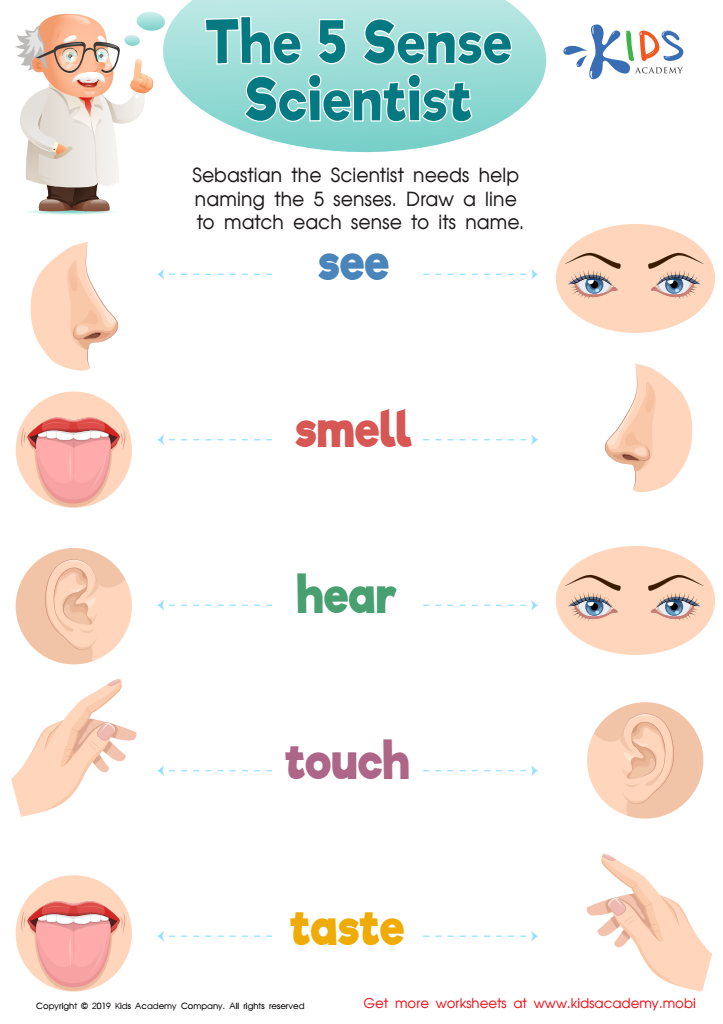
The 5 Sense Scientist Worksheet
 Assign to My Students

Logic Game Sorting Worksheet
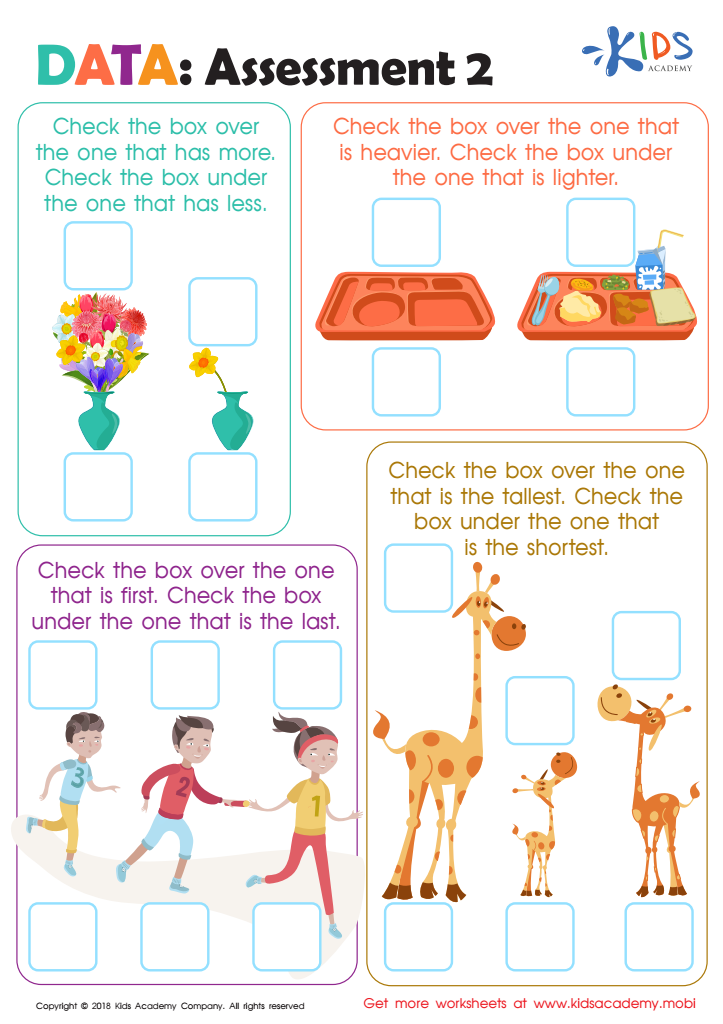
Data: Assessment 2 Worksheet








Analytical thinking is a critical foundation for children's cognitive development, especially in kindergarten, where they begin to build the skills necessary for future learning. Teachers and parents should prioritize analytical thinking, as it encourages children to process information effectively, solve problems, and make connections between concepts. Developing these skills at an early age fosters curiosity and creativity, driving children to ask questions and seek solutions independently.
In a kindergarten setting, analytical thinking can be nurtured through play-based activities, puzzles, and group discussions, promoting collaborative learning. Parents can reinforce these skills at home by engaging in conversations about everyday situations, encouraging children to express their thoughts and reason through challenges.
Additionally, children who develop strong analytical skills early on tend to perform better academically in later years. They cultivate resilience and are more equipped to navigate complex social interactions, enhancing their emotional intelligence. By investing time and resources into fostering analytical thinking, families and educators not only prepare children for school success but also equip them with essential life skills that extend into adulthood. Ultimately, engaging in analytical thinking helps children become lifelong learners who are better prepared to face the challenges of an ever-changing world.








