Basic Addition Kindergarten Worksheets - Page 2
38 filtered results
-
From - To
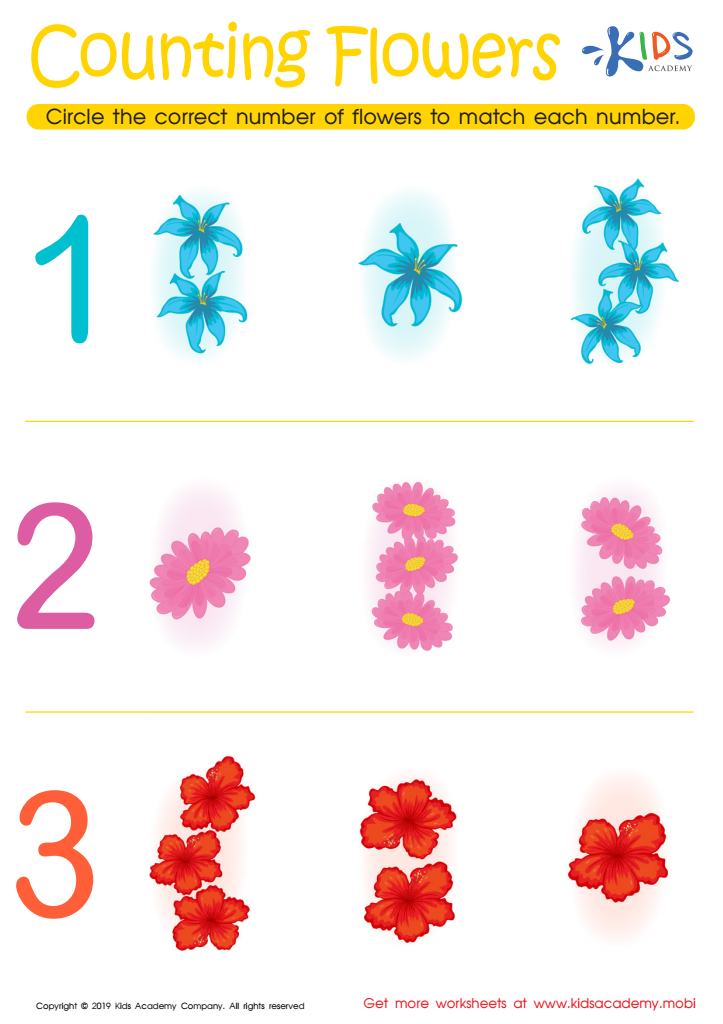
Counting Flowers Worksheet
 Assign to My Students
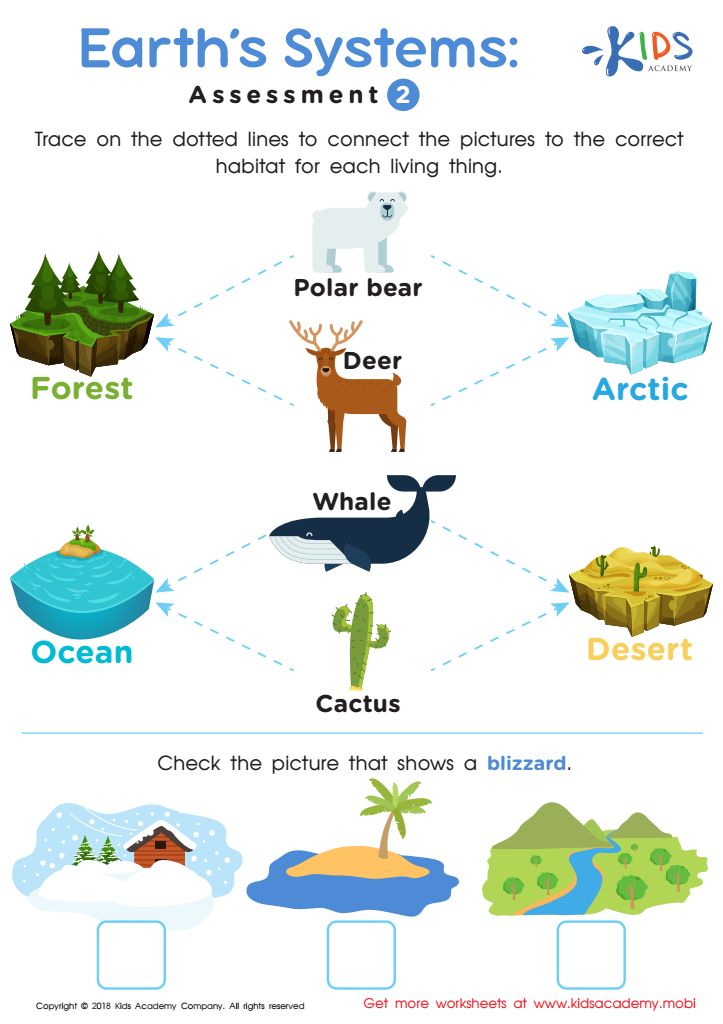
Earth's Systems: Assessment 2
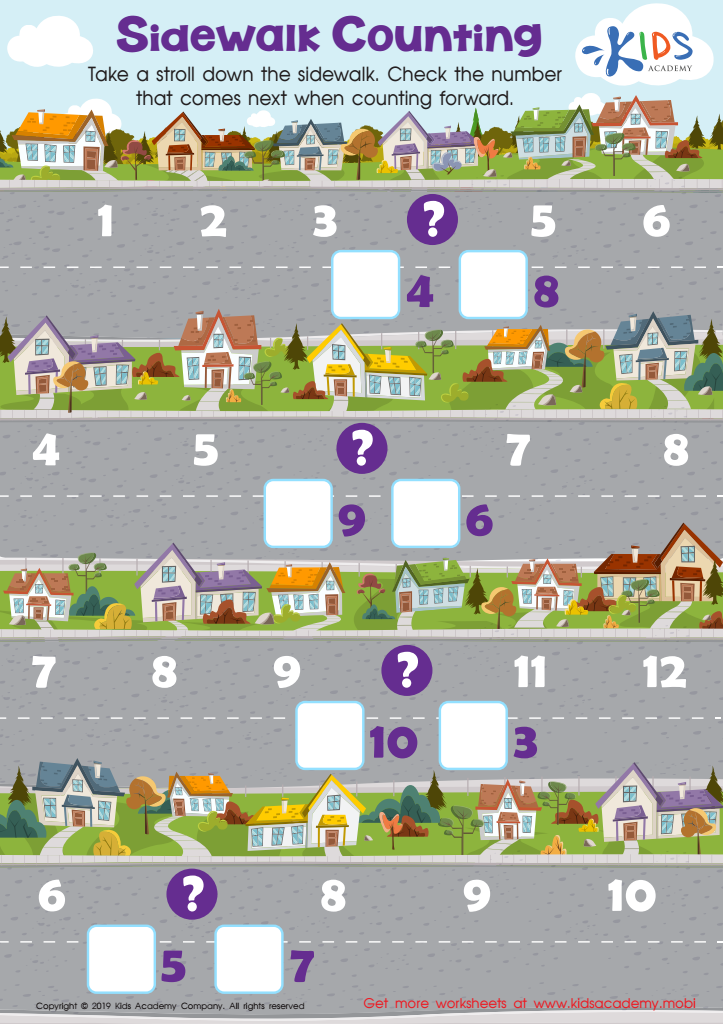
Sidewalk Counting Worksheet
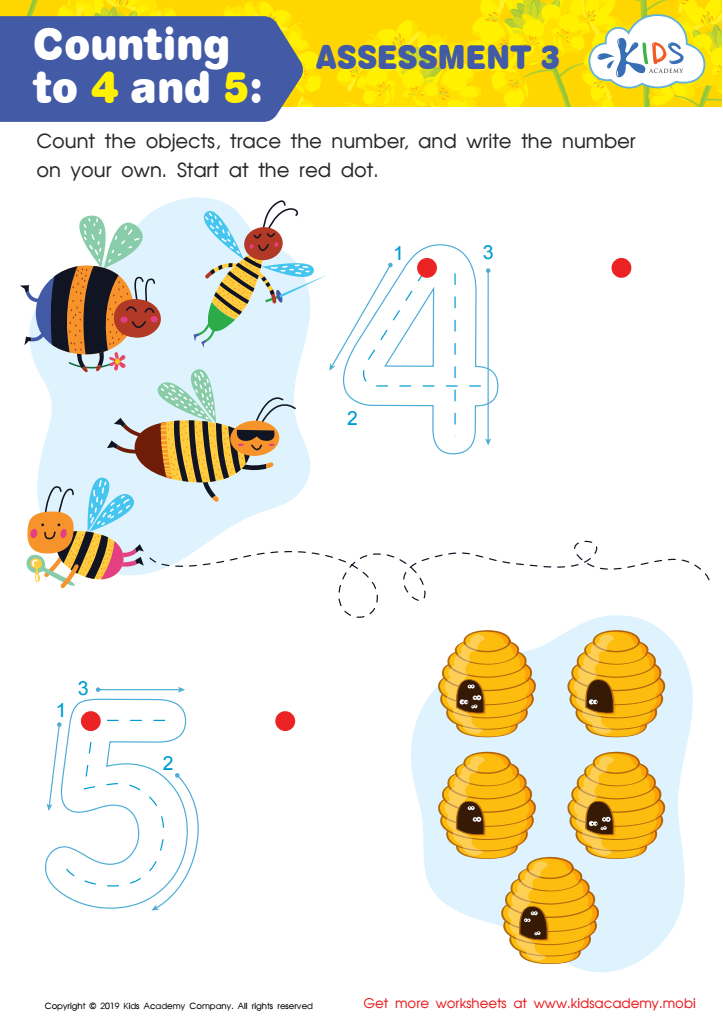
Counting to 4 and 5: Assessment 3 Worksheet
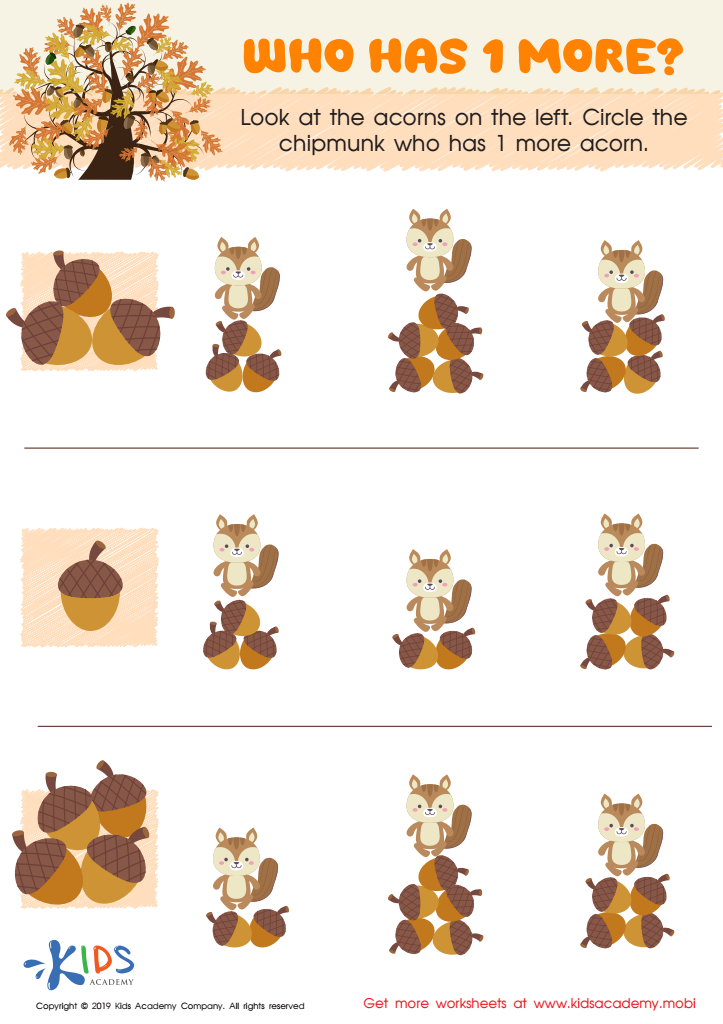
Who Has 1 More? Worksheet
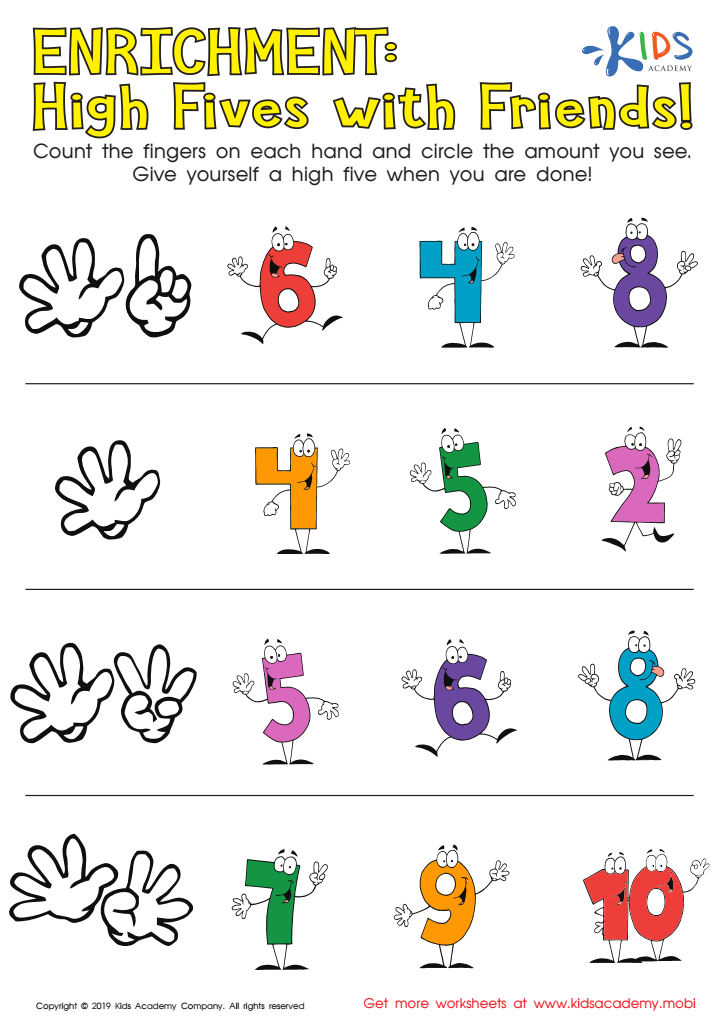
Enrichment: High Fives with Friends! Worksheet
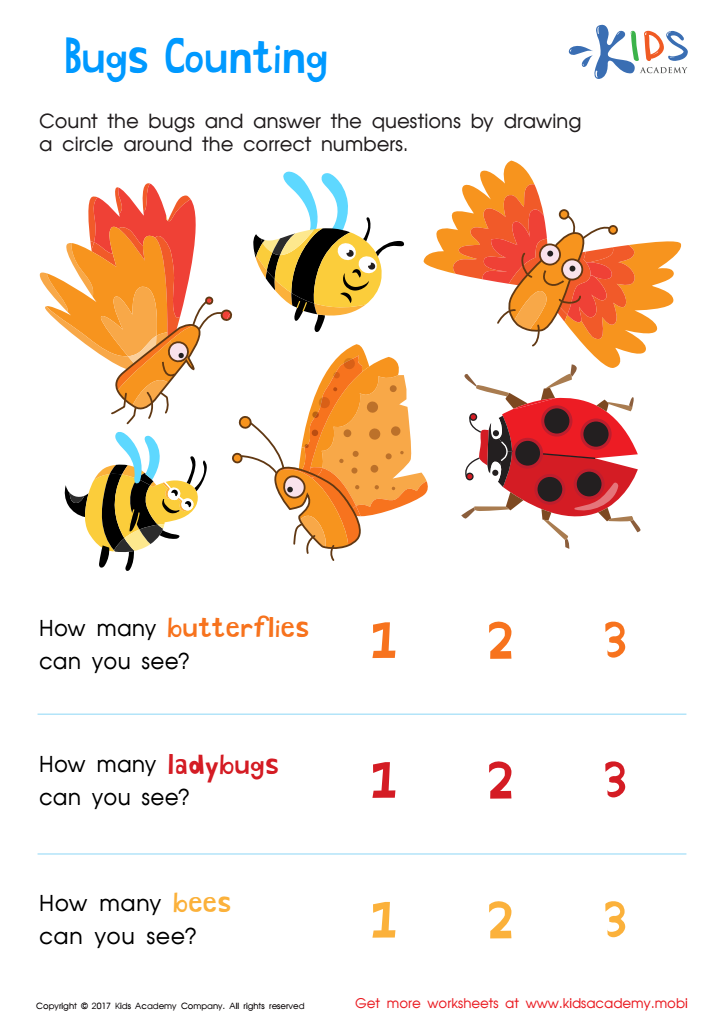
Bugs Counting Worksheet
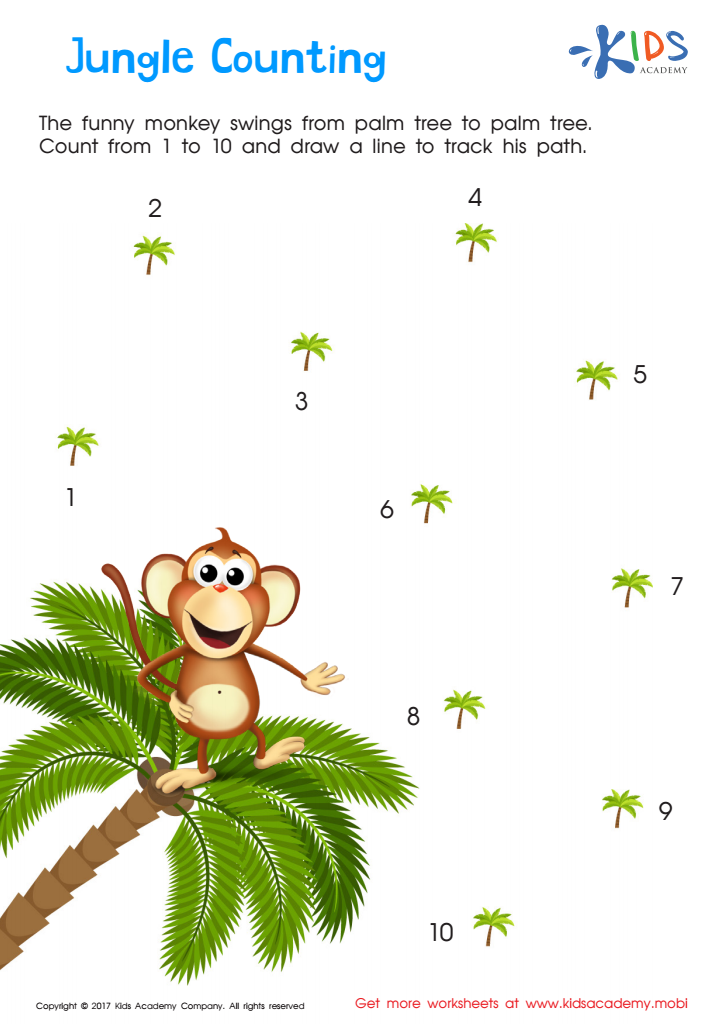
Jungle Counting Connect Dots Worksheet
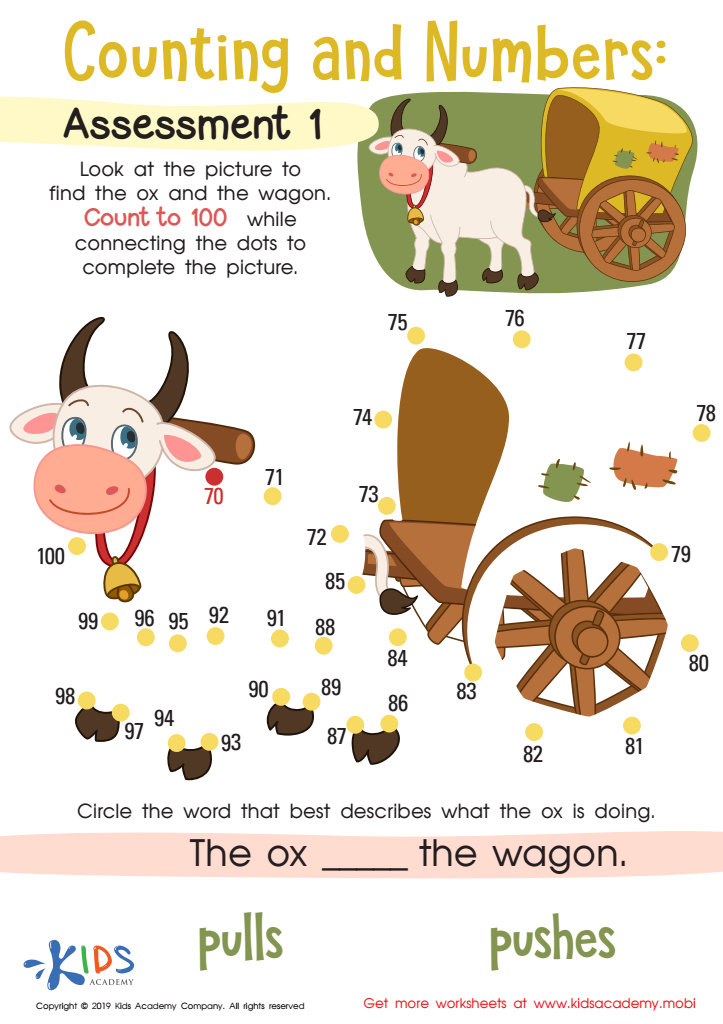
Counting and Numbers: Assessment 1 Worksheet
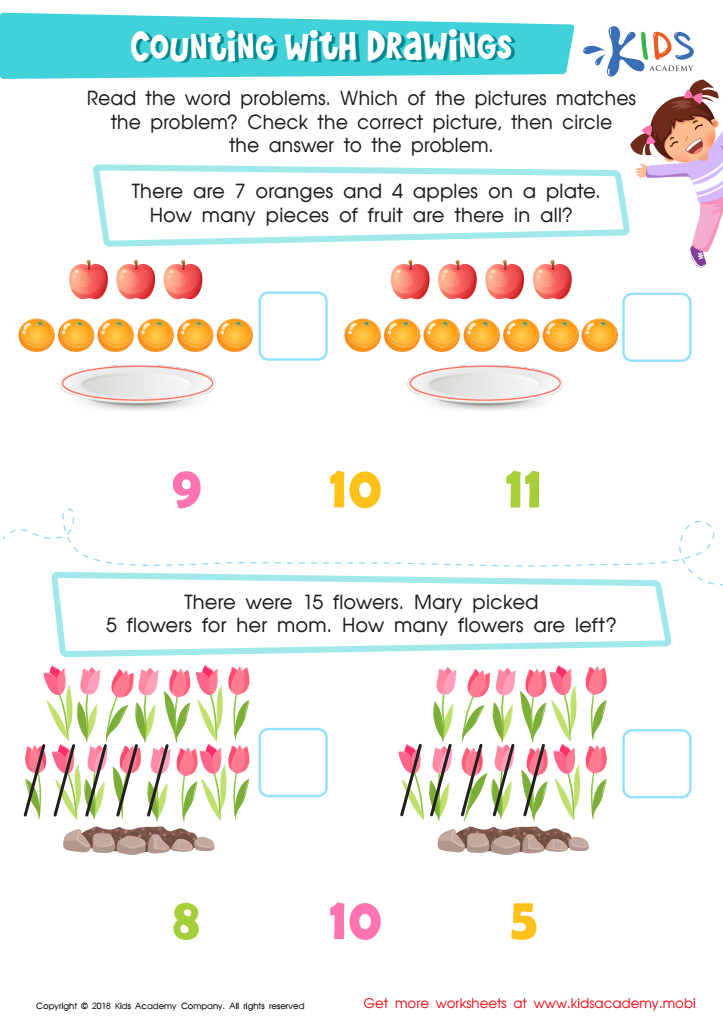
Counting with Drawings:Fruits & Flowers Worksheet
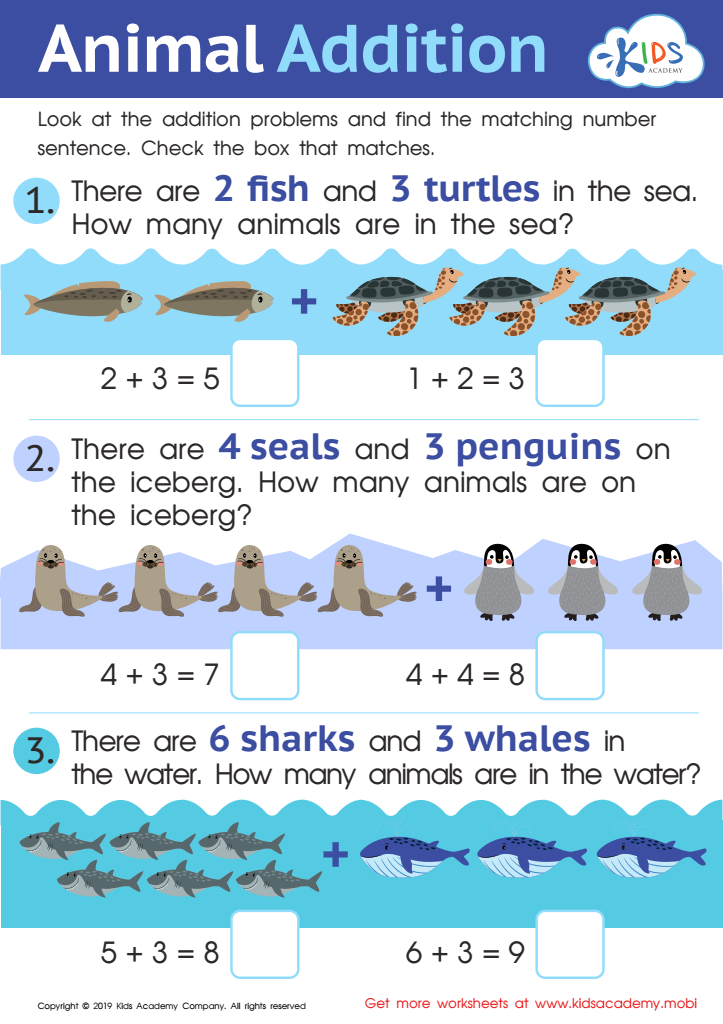
Animal Addition Worksheet
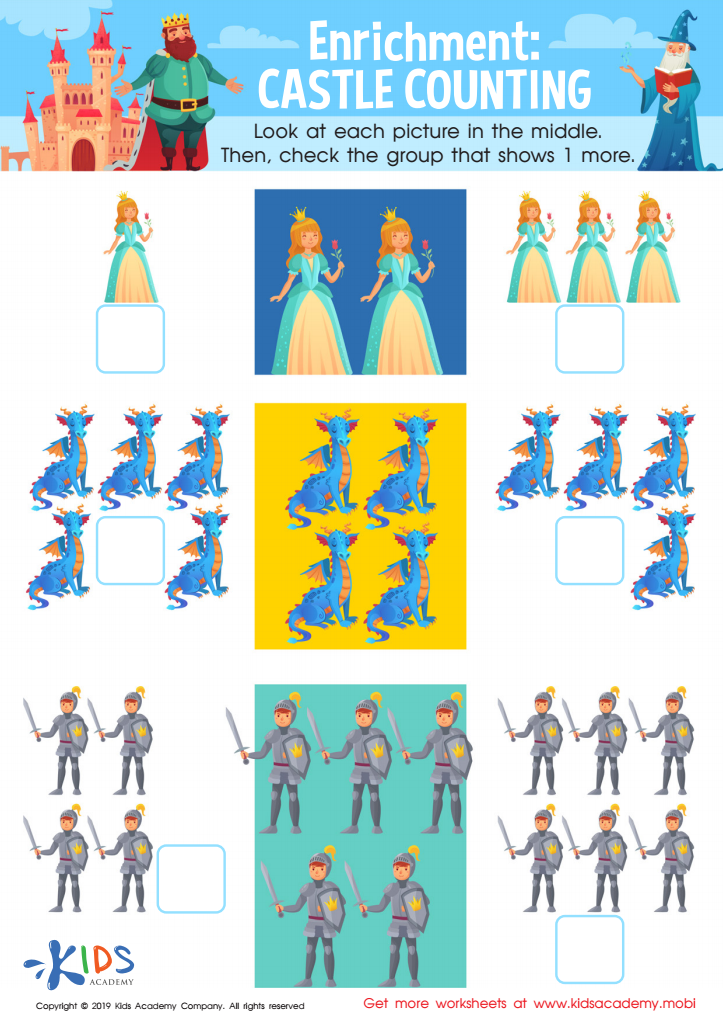
Enrichment: Castle Counting Worksheet
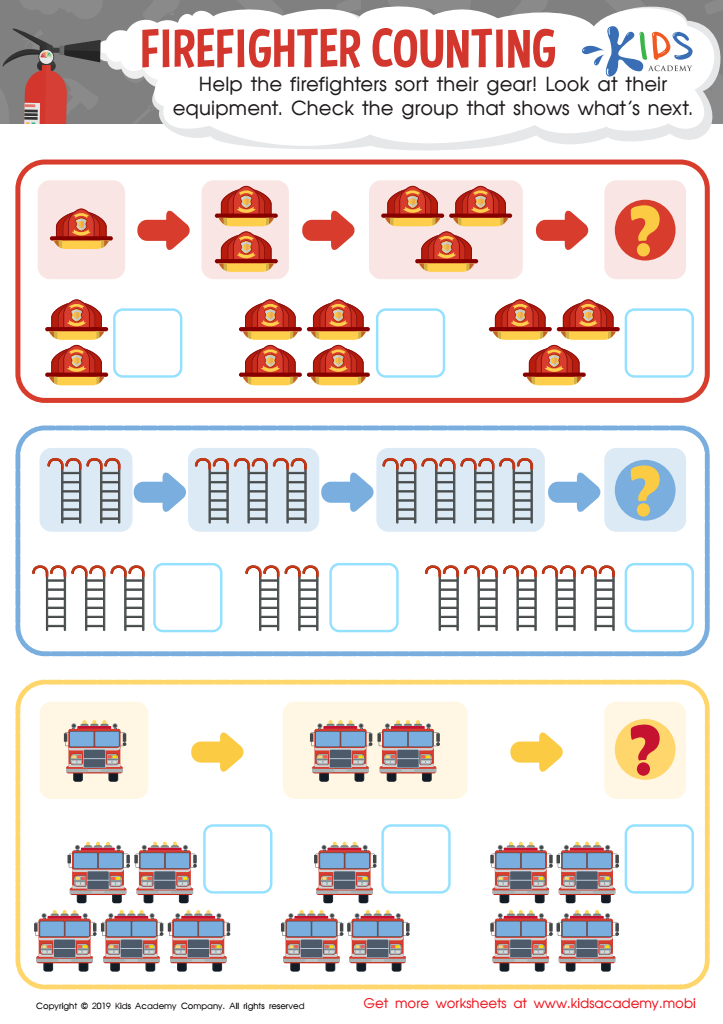
Firefighter Counting Worksheet
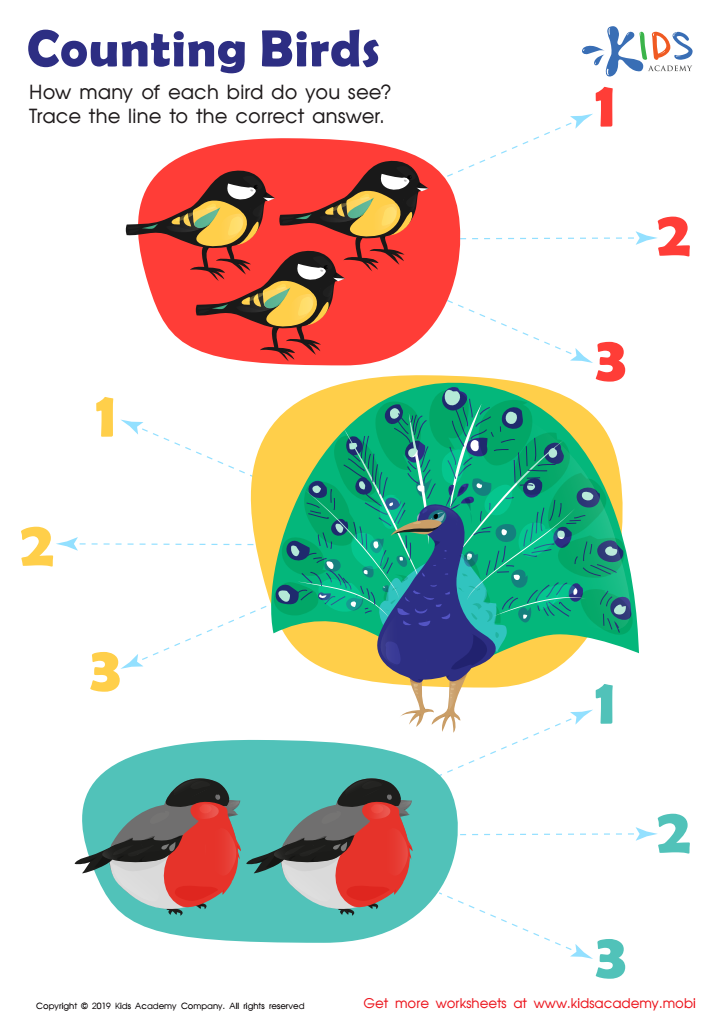
Counting Birds Worksheet



.jpg)

.jpg)

Basic addition in kindergarten is a fundamental building block for children's overall mathematical development. Parents and teachers should prioritize teaching basic addition because it sets the stage for a solid understanding of more complex mathematical concepts that children will encounter later in their academic journey.
First and foremost, mastering basic addition helps children develop numerical literacy, which is essential for everyday tasks such as counting money, telling time, and measuring quantities. Additionally, early proficiency in addition fosters cognitive skills like problem-solving and logical thinking, which are crucial across all subjects, not just mathematics.
Engaging in basic addition activities also promotes confidence and a positive attitude toward learning. When children feel successful in their early math experiences, they are more likely to view future mathematical challenges with optimism and persistence. Moreover, learning addition is inherently tied to play-based and hands-on learning experiences, such as using manipulatives or interactive games, which can be both enjoyable and educational for young children.
Lastly, early intervention in mathematics can help identify and provide support for children who may have difficulties, ensuring they do not fall behind. By paying attention to basic addition, parents and teachers can lay a strong educational foundation, ensuring that children are well-prepared for future academic success and daily life.








