Color Identification Kindergarten Worksheets - Page 2
33 filtered results
-
From - To
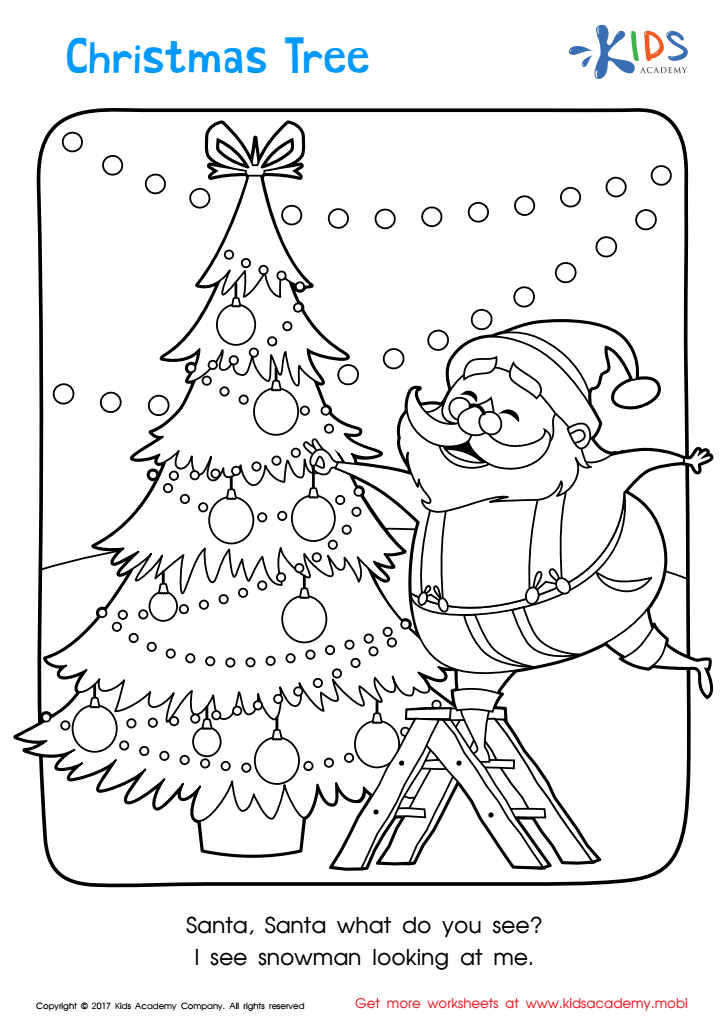
Christmas: Christmas Tree Printable
 Assign to My Students
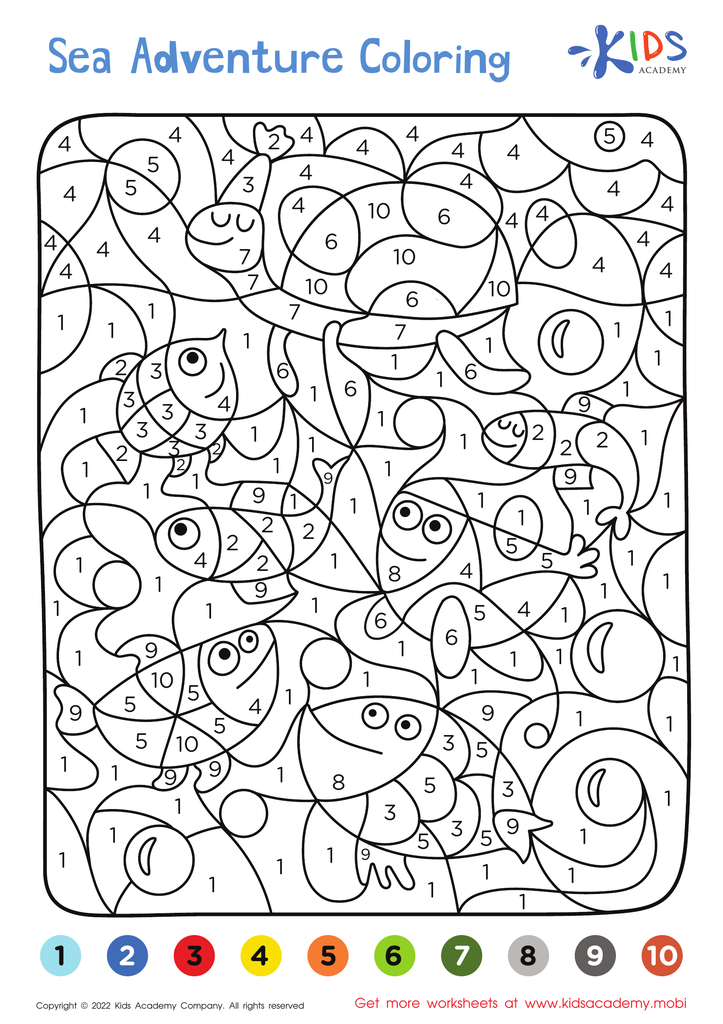
Sea Adventure – Coloring by Numbers
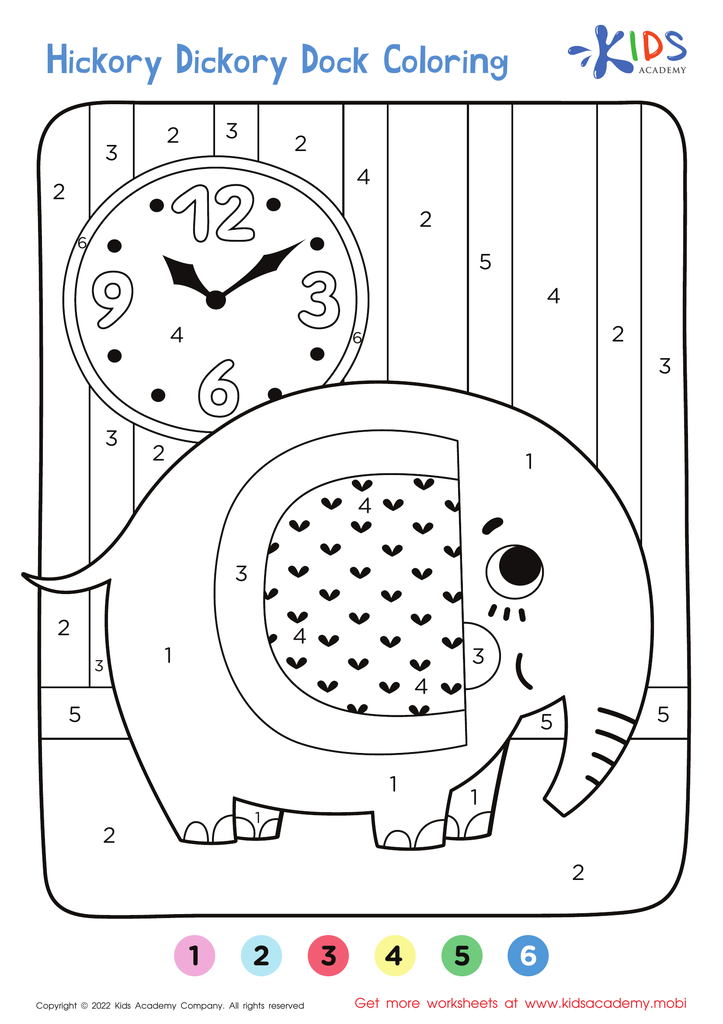
Hickory Dickory Dock – Coloring by Numbers
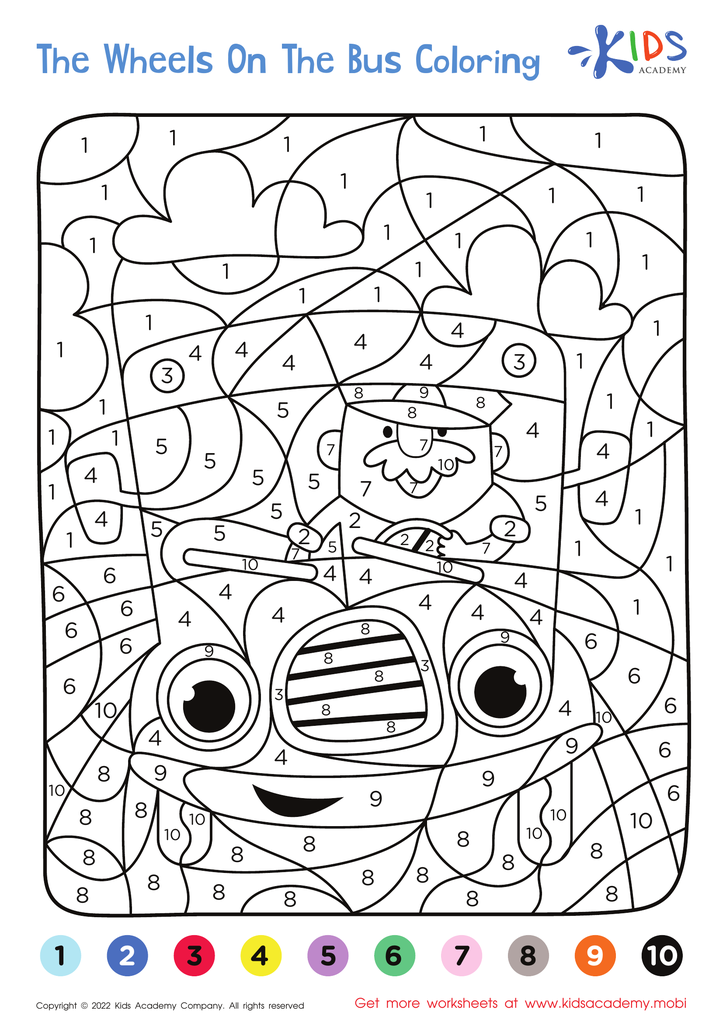
Wheels on the Bus – Coloring by Numbers
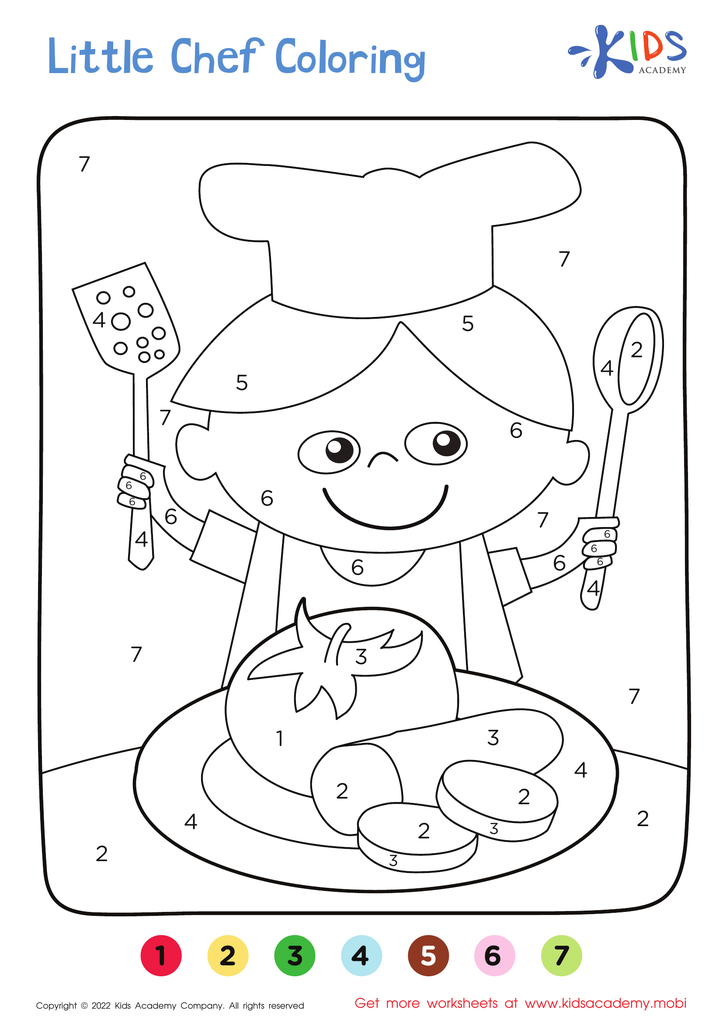
Little Chef – Coloring by Numbers
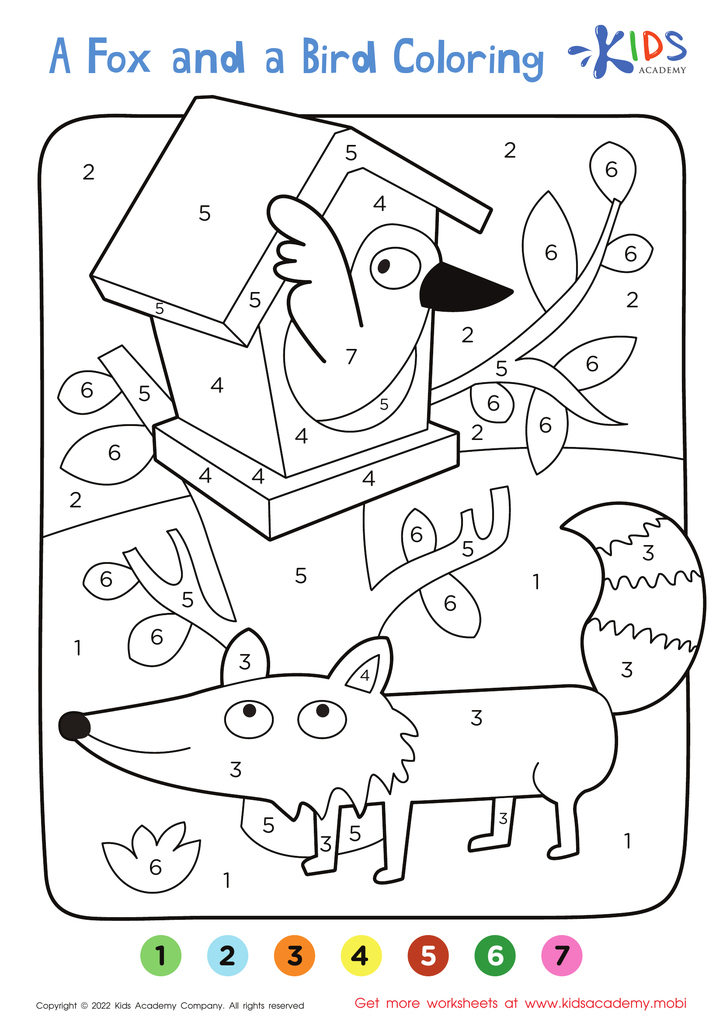
A Fox and a Bird – Coloring by Numbers
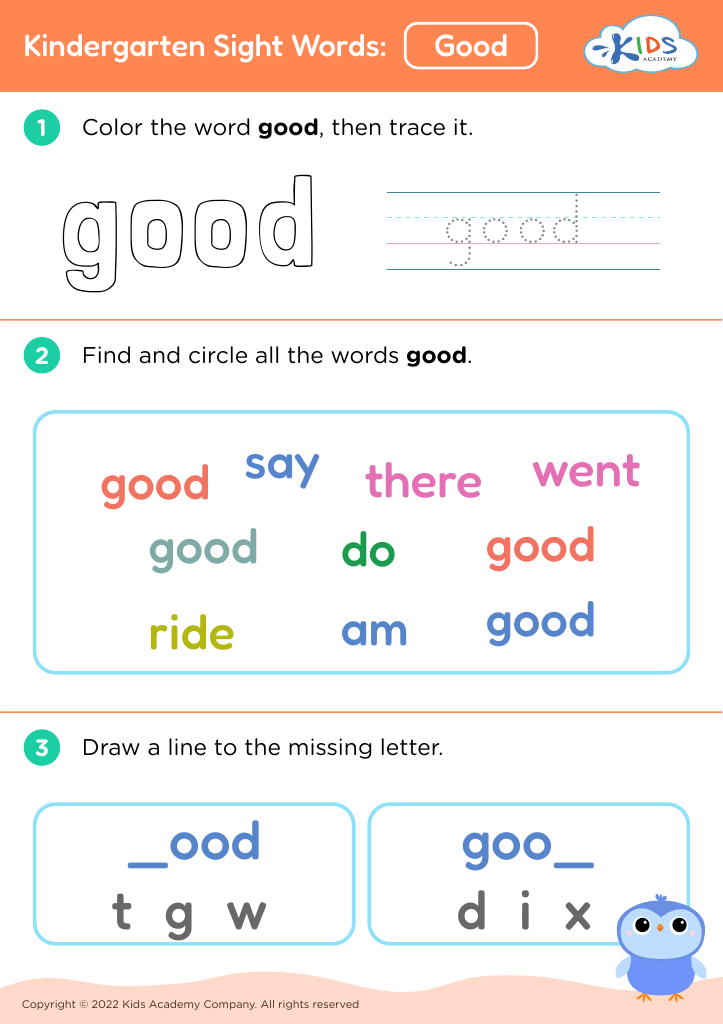
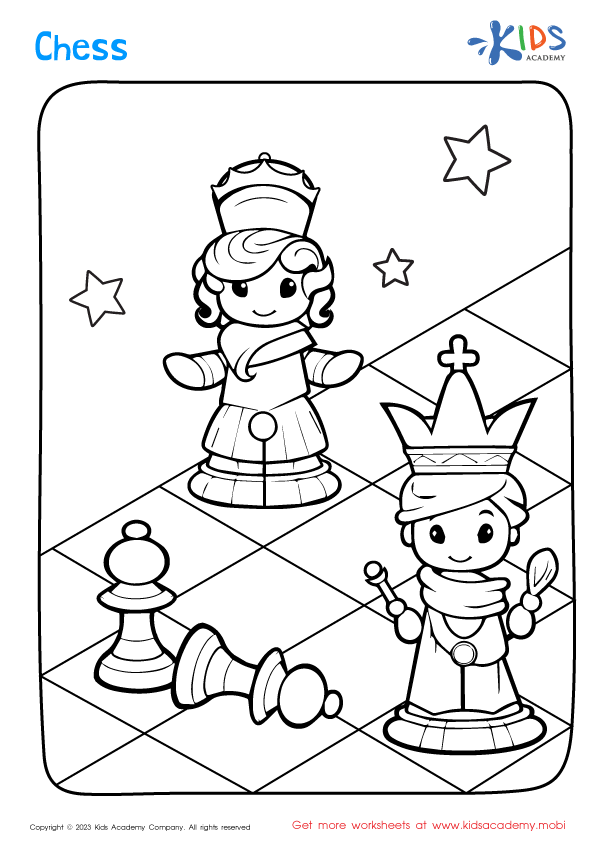








Color Identification in Kindergarten serves as a fundamental aspect of early childhood education that shapes various developmental milestones. For parents and teachers, prioritizing color identification has numerous benefits. Firstly, recognizing and naming colors enhances a child's language skills, expanding their vocabulary and ability to describe the world around them. It also bolsters cognitive development by improving memory and attention to detail as children start to observe and differentiate colors in their environment.
Emotionally, colors hold significance in a child's social and emotional development. They can be used as tools to express feelings or understand emotions—blue might be associated with calmness, while red could signify excitement or anger. Familiarity with colors can also boost a child's confidence and sense of accomplishment, paving the way for greater academic achievements.
Moreover, color identification aids in developing early math skills, such as sorting and categorizing objects by color. This has a knock-on effect on overall critical thinking and problem-solving abilities. Socially, it encourages better interaction among peers as they engage in cooperative play activities involving colors.
In summary, focusing on color identification sets a strong educational foundation, enhancing linguistic, cognitive, emotional, and social development in young children, making it a critical component of early education for parents and teachers alike.