Comparing Fractions Kindergarten Worksheets
10 filtered results
-
From - To
Boost your child's math skills with our engaging Comparing Fractions Kindergarten Worksheets! Designed specifically for young learners, these worksheets introduce the concept of fractions in a fun and interactive way. Your kids will enjoy colorful visuals and simple exercises that help them identify and compare fractions. With activities tailored to maintain their attention and interest, they will grasp essential skills needed for their math journey. Our worksheets are perfect for parents and educators looking to reinforce classroom learning at home. Join us in fostering a love for math through comparing fractions while building confidence in young minds! Download the worksheets today!
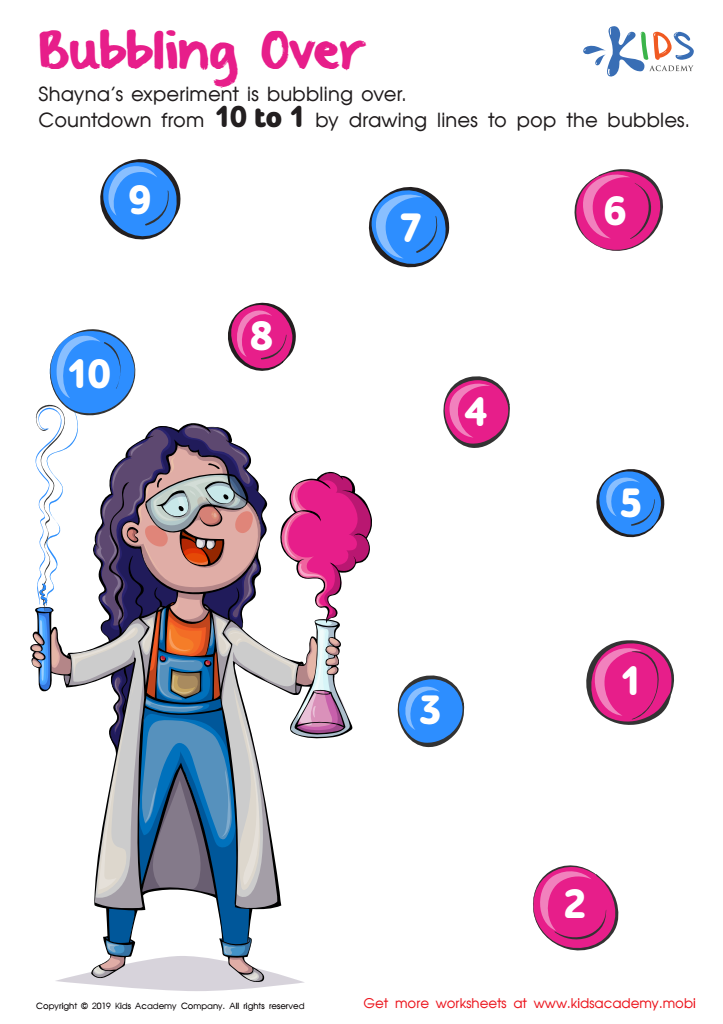
Bubbling Over Worksheet
 Assign to My Students
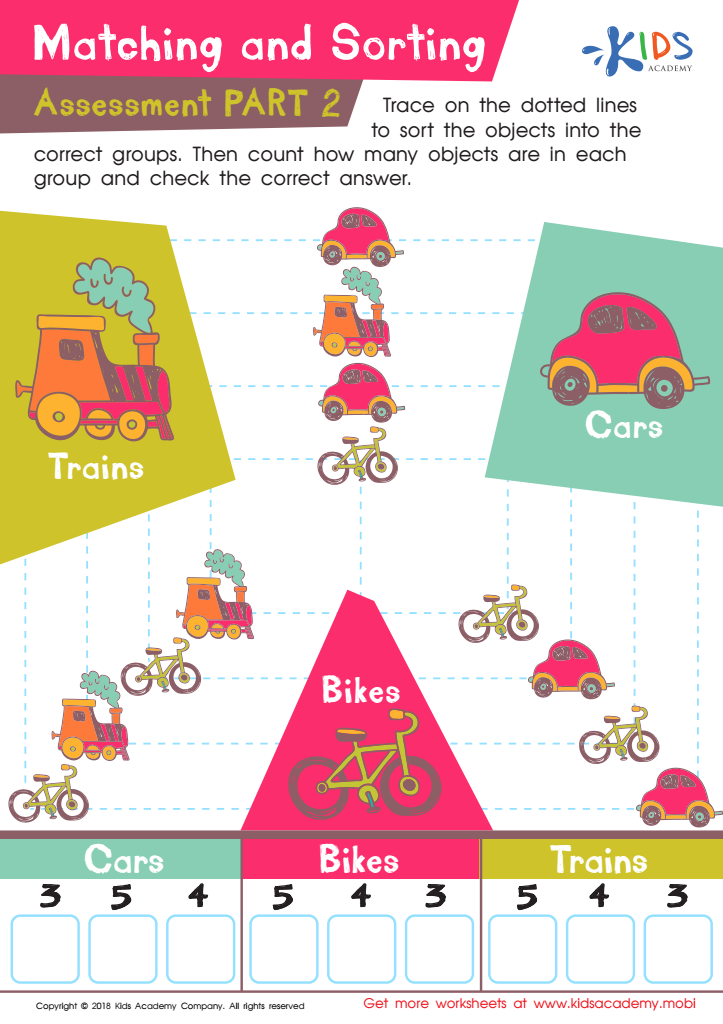
Matching and Sorting for Kindergarten: Assessment 2 Worksheet
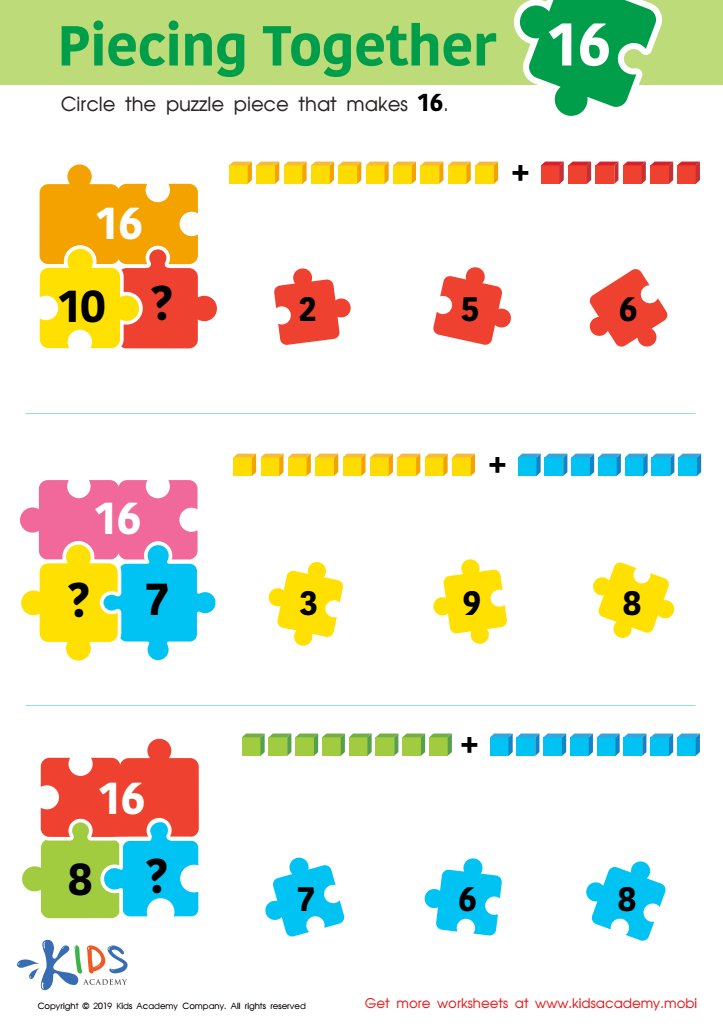
Piecing Together 16 Worksheet








Understanding fractions is a foundational math skill that significantly impacts a child’s future academic success. In kindergarten, the process of comparing fractions introduces young learners to the concept of part-to-whole relationships. Parents and teachers should care about this topic for several reasons.
Firstly, comparing fractions helps children develop critical thinking and reasoning skills. As they learn to evaluate which fraction is larger or smaller, they engage in problem-solving, analysis, and mathematical reasoning. These skills are essential not only for math but for overall cognitive development.
Secondly, early exposure to fractions fosters a positive attitude toward math. When children gain confidence in understanding fractions, they are more likely to embrace challenges in higher-level mathematics later in their education.
Moreover, understanding fractions ties into real-life situations, such as sharing food, measuring ingredients, or dividing toys, which makes math relevant and engaging for young learners. When parents and teachers emphasize the importance of comparing fractions, they set the stage for a robust mathematical foundation, helping children navigate academic challenges in the future. Ultimately, supporting fraction comprehension signifies a commitment to nurturing critical life skills, which contribute to a child's overall academic journey and personal development.