


.jpg)




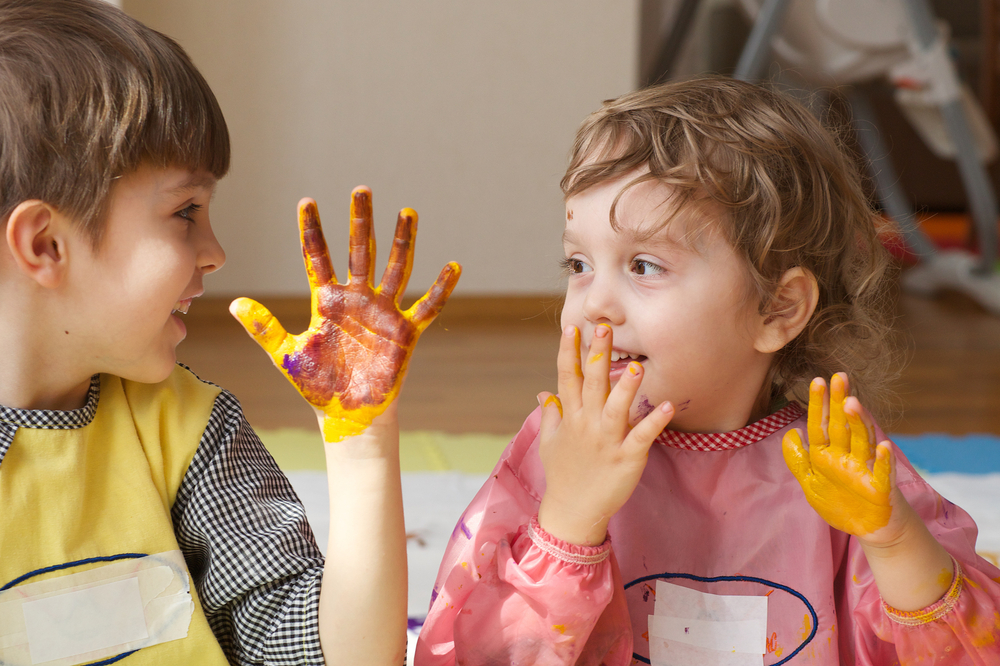
Critical thinking in kindergarten is crucial for children's overall development and future success. At this early stage, children are naturally curious, and fostering critical thinking skills can help them navigate a complex world. By encouraging critical thinking, teachers and parents lay the groundwork for problem-solving abilities, creativity, and independent thought.
When children engage in critical thinking activities, they learn to analyze situations, make informed decisions, and approach challenges with confidence. This reduces reliance on rote memorization and enhances their ability to evaluate information critically, an essential skill in today's information-rich society. Moreover, early practice in forming opinions and understanding different perspectives cultivates empathy and social awareness.
In the classroom, critical thinking activities, such as group discussions, hands-on projects, and open-ended questions, stimulate students' minds and nurture curiosity. Parents can complement this at home by engaging in conversations, asking thought-provoking questions, and encouraging exploration and curiosity.
Ultimately, prioritizing critical thinking in kindergarten promotes a love of learning, preparing children to tackle academic subjects more effectively and adapt to life's challenges. By investing in critical thinking from a young age, we equip our children with tools that will benefit them throughout their educational and life journeys.








