Developing fine motor skills Kindergarten Worksheets
3 filtered results
-
From - To
Explore our collection of "Developing Fine Motor Skills Kindergarten Worksheets" designed to nurture your child's dexterity and coordination through engaging activities. These worksheets are perfect for young learners, helping them strengthen hand muscles and improve their grasping skills while having fun. From tracing shapes and letters to completing puzzles and color-by-number pages, each activity promotes creativity and focus. Our resources support early childhood development, enabling children to gain confidence in their abilities. Whether used in the classroom or at home, these worksheets are essential tools for fostering fine motor skill development that sets the foundation for future learning. Download now!
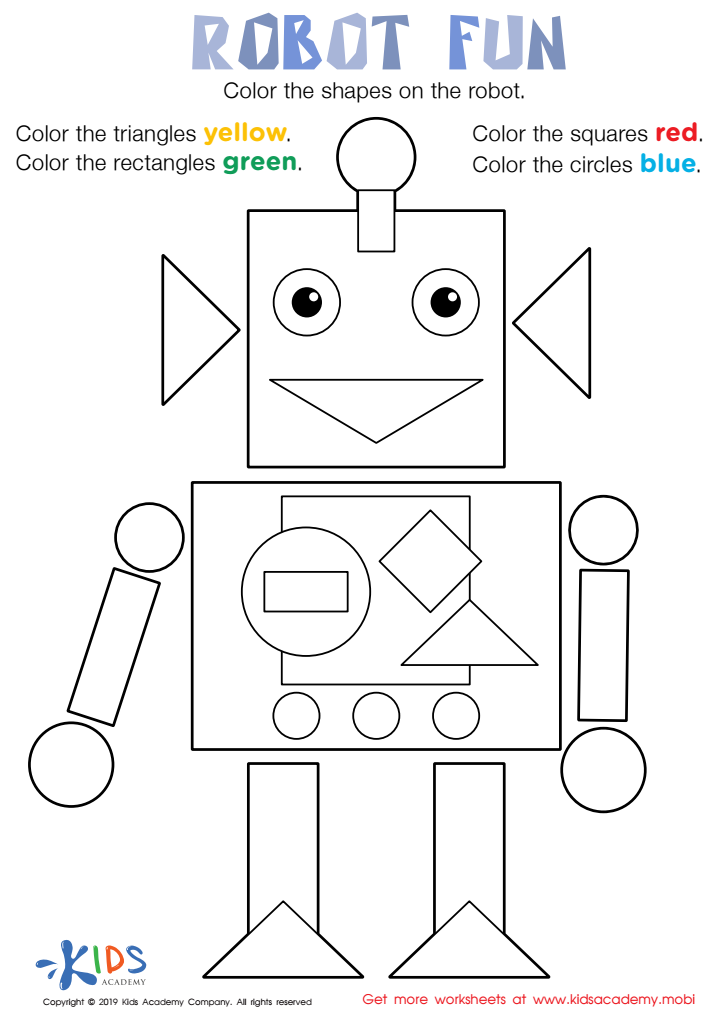
Robot Fun Worksheet
 Assign to My Students

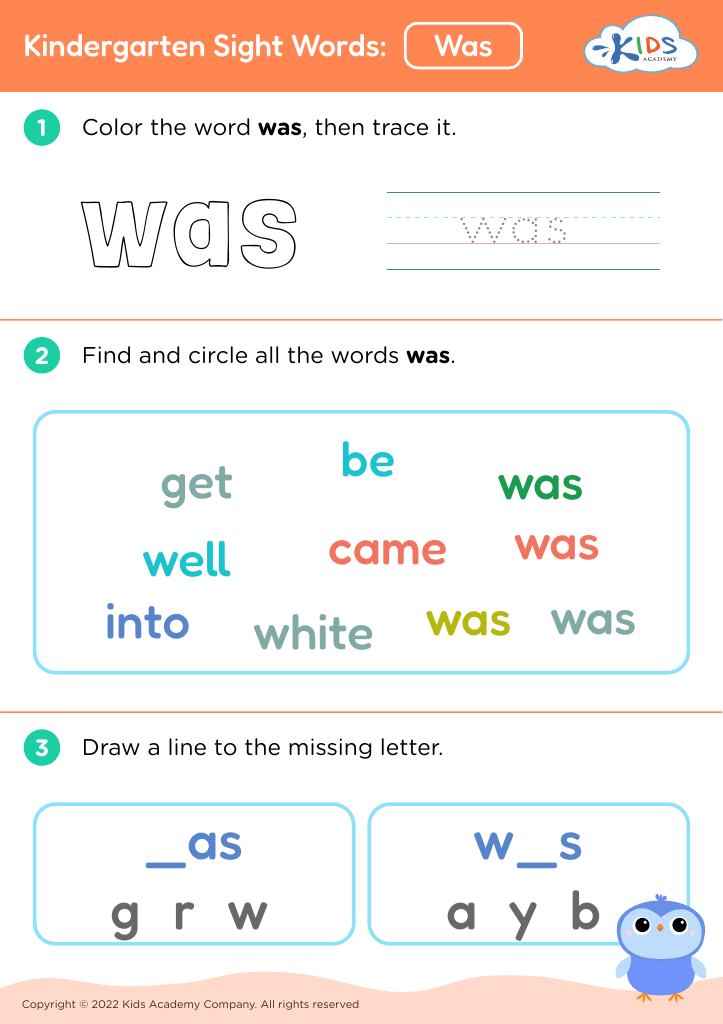








Developing fine motor skills in kindergarten is crucial for young children as it lays the foundation for their overall development. These skills pertain to the small muscles in the hands and fingers, enabling tasks such as writing, buttoning shirts, and using scissors. Parents and teachers should prioritize these skills as they directly impact a child's academic success and everyday functioning.
Fine motor skills facilitate a child’s ability to engage in various learning activities, enhancing abilities such as hand-eye coordination and dexterity. A child who can comfortably manipulate their environment will feel more confident participating in classroom tasks, contributing to better self-esteem and social interactions.
Moreover, fine motor skills are linked to cognitive development. Activities that promote these skills, like drawing and playing with building blocks, encourage creativity, critical thinking, and problem-solving. As children gain mastery in these areas, they are better prepared for the broader academic challenges that lie ahead.
Additionally, fostering fine motor skills can prevent frustration and stress associated with early literacy expectations. Therefore, by investing time and resources in developing fine motor skills, parents and teachers help children not only succeed in school but also in everyday life, setting the stage for lifelong learning and growth.








