Fine motor skills improvement Kindergarten Worksheets
4 filtered results
-
From - To
Enhance your child's fine motor skills with our engaging Kindergarten Worksheets from Kids Academy. Our expertly designed activities focus on honing hand-eye coordination, dexterity, and grip strength critical for writing and everyday tasks. These printable worksheets combine fun and learning, featuring tracing, cutting, and coloring exercises tailored to young learners. Perfect for classroom use or at-home practice, they’re designed to make skill development enjoyable for children. Ensure a strong foundation for your child's future academic success by integrating these exciting and educational activities into their daily routine. Start improving fine motor skills today with Kids Academy!
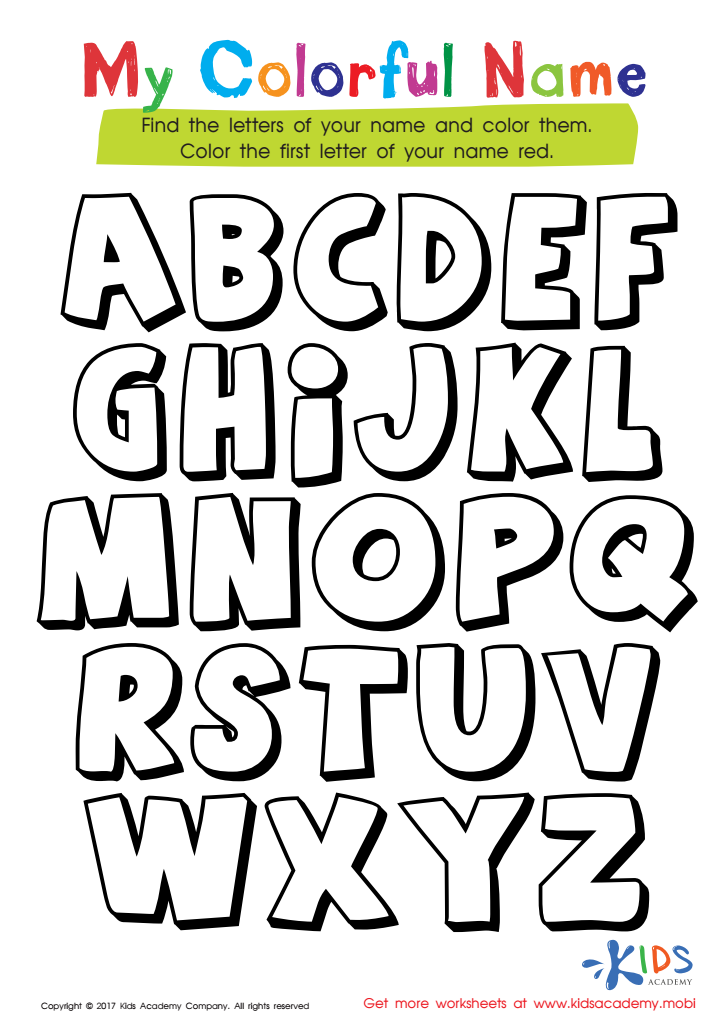
My Colorful Name Worksheet
 Assign to My Students
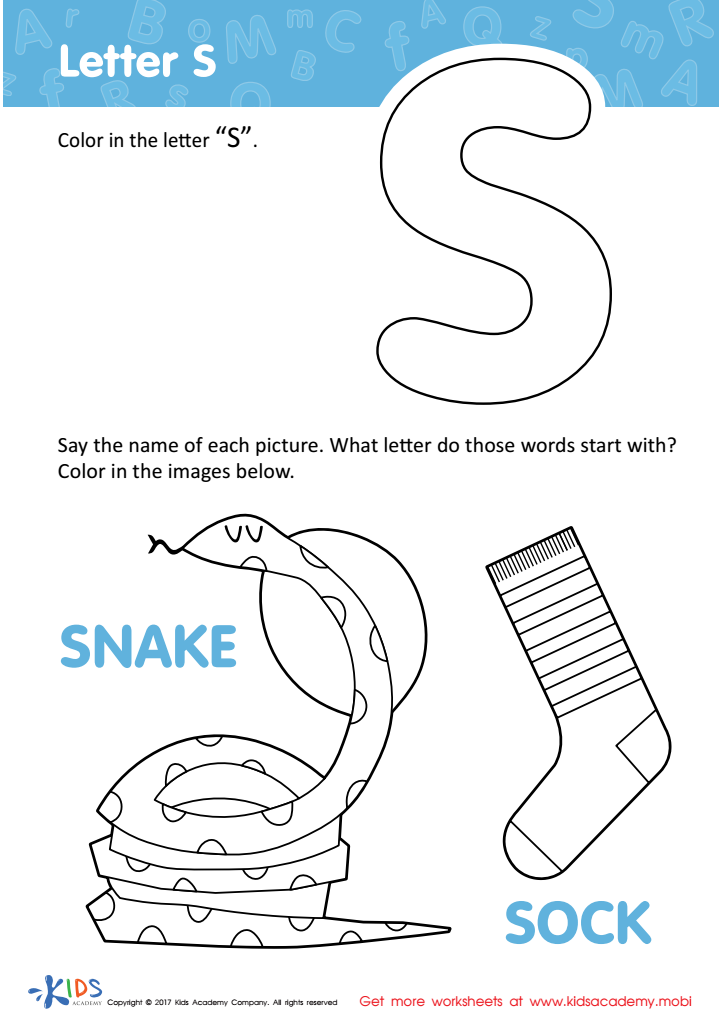
Letter S Coloring Sheet
Assign to My Students
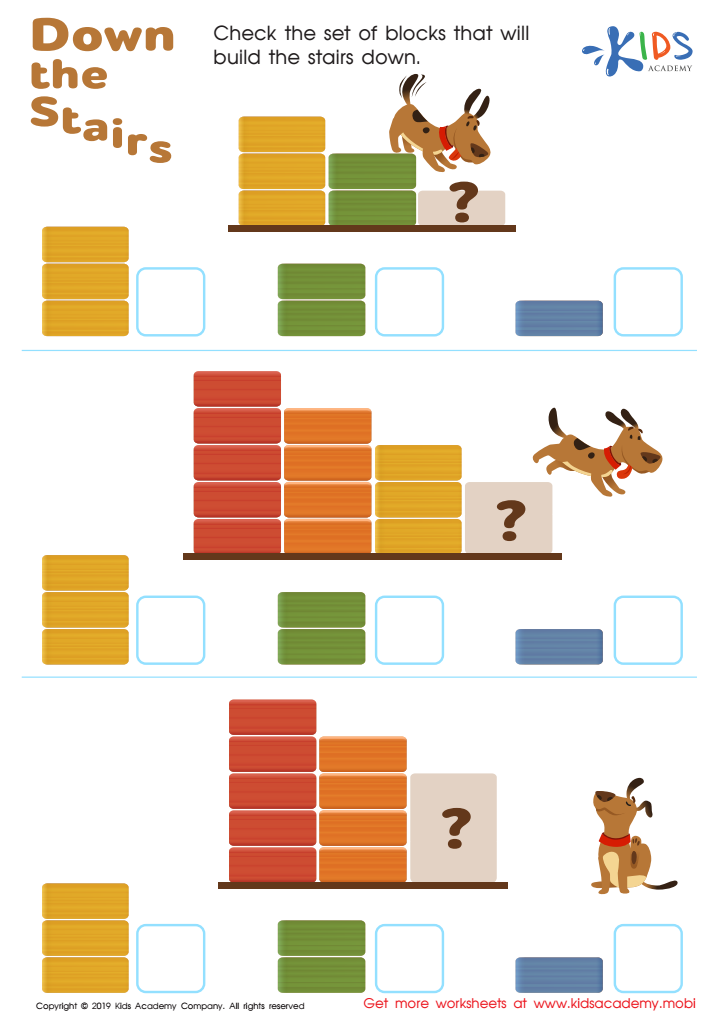
Down the Stairs Worksheet

Count the Cherries and Trace the Number 10 Printable



.jpg)



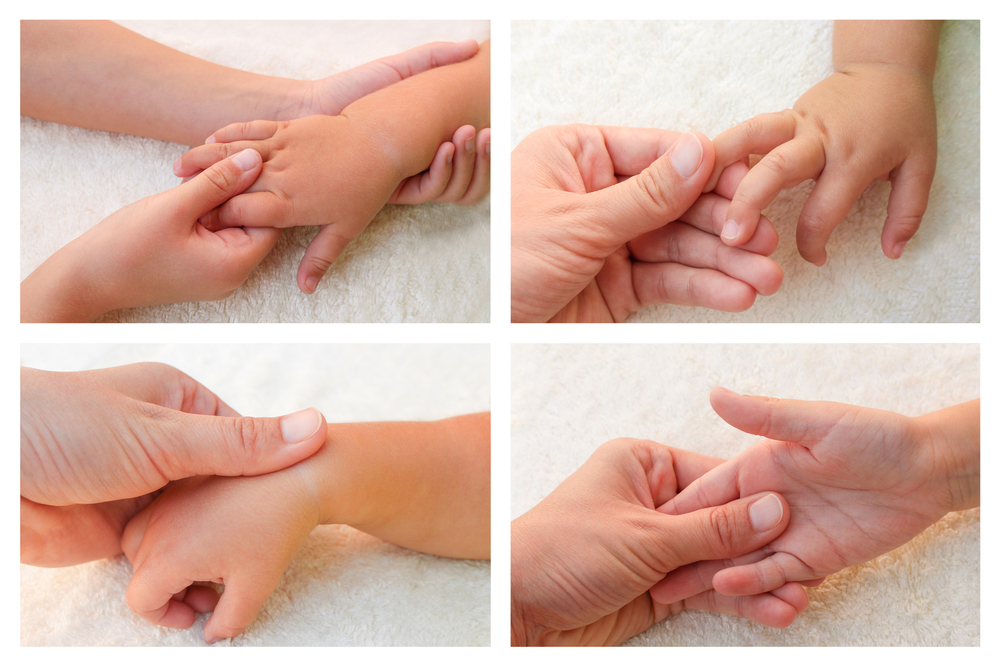
Fine motor skills refer to the small movements of the hands, wrists, fingers, feet, toes, lips, and tongue. For kindergarteners, the development of these skills is particularly vital. They are foundational for numerous everyday tasks, including writing, buttoning a shirt, cutting with scissors, and even brushing teeth.
By focusing on improving fine motor skills, parents and teachers can significantly enhance a child's ability to perform these daily tasks efficiently and independently. This autonomy builds self-confidence and fosters a sense of accomplishment.
Moreover, strong fine motor skills are essential for academic success. Writing letters, numbers, and even drawing require a level of dexterity that comes from well-developed fine motor control. Consistent practice in these skills can lead to better handwriting and improved classroom performance, reducing frustration for the child when expressing their thoughts in written form.
In addition to practical and academic benefits, developing fine motor skills can also play a role in cognitive development. Activities that cultivate fine motor skills often involve problem-solving and planning, thus promoting better hand-eye coordination, focus, and concentration.
Ultimately, by caring about fine motor skills improvement, parents and teachers lay a robust groundwork for overall developmental success, both academically and personally, in children's formative years.








