Letter formation Kindergarten Worksheets
7 filtered results
-
From - To
Boost your kindergartener's handwriting skills with our engaging Letter Formation Kindergarten Worksheets! Created to help young learners master letter recognition, these fun and interactive printables promote fine motor skills and early writing proficiency. Children trace and write each letter, ensuring they understand proper pencil grip and stroke order. With colorful designs and age-appropriate challenges, our worksheets make practice enjoyable and effective. Perfect for classroom activities or at-home learning, these resources provide the foundational skills necessary for reading and writing success. Empower your child to become a confident writer with our expertly crafted worksheets!
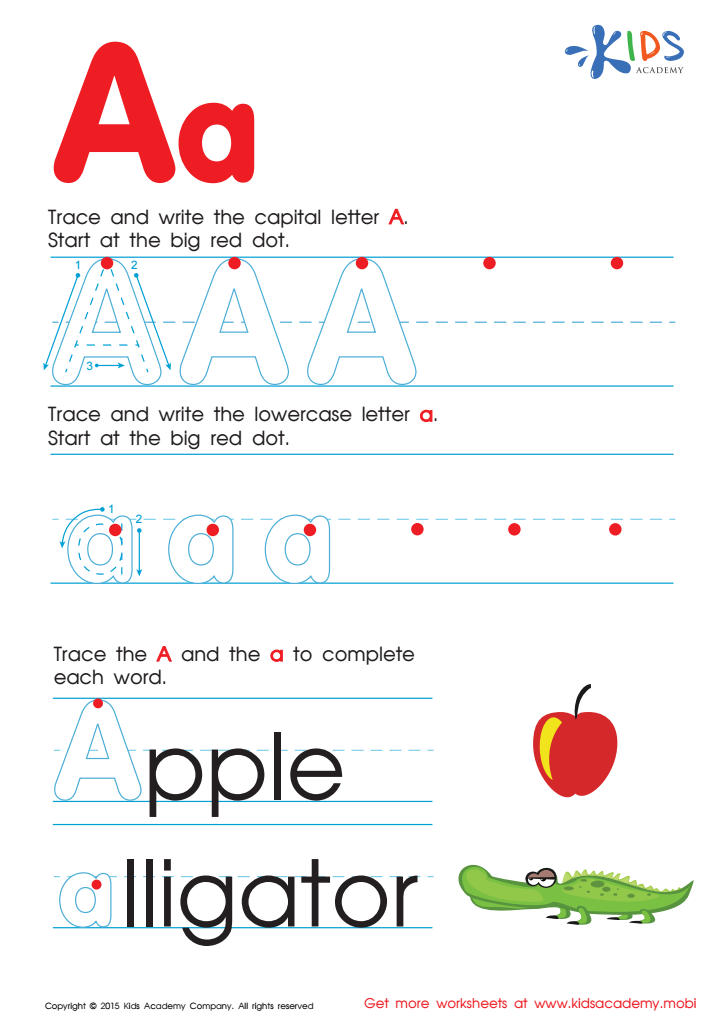
Letter A Tracing Page

Letter P Tracing Page
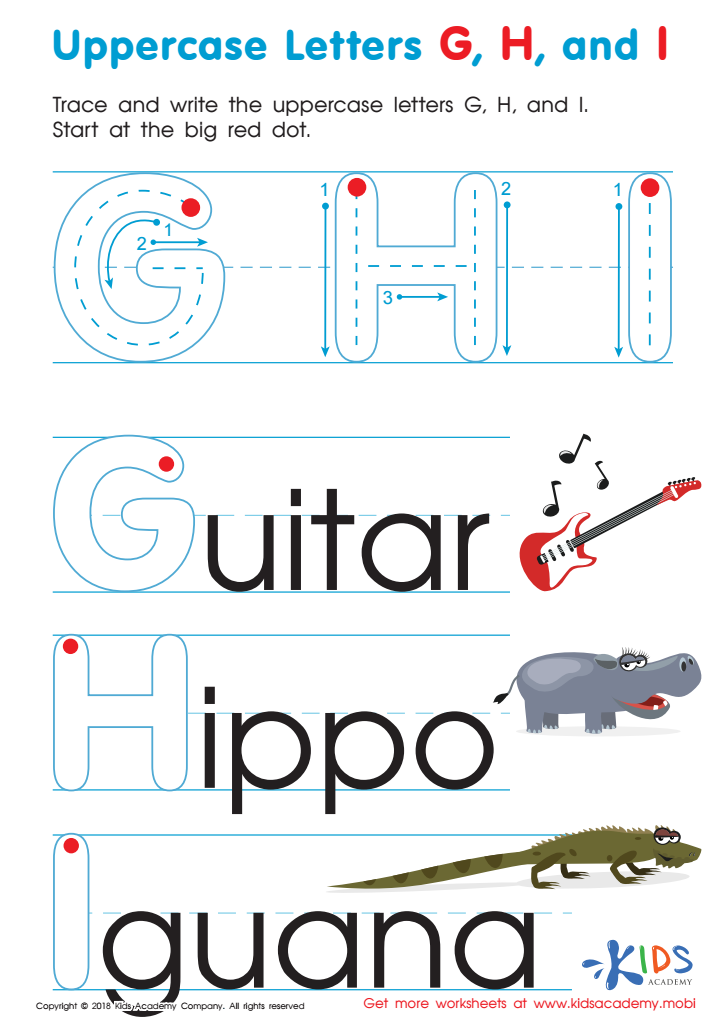
Uppercase Letters G, H, and I Worksheet

Letter G Tracing Page
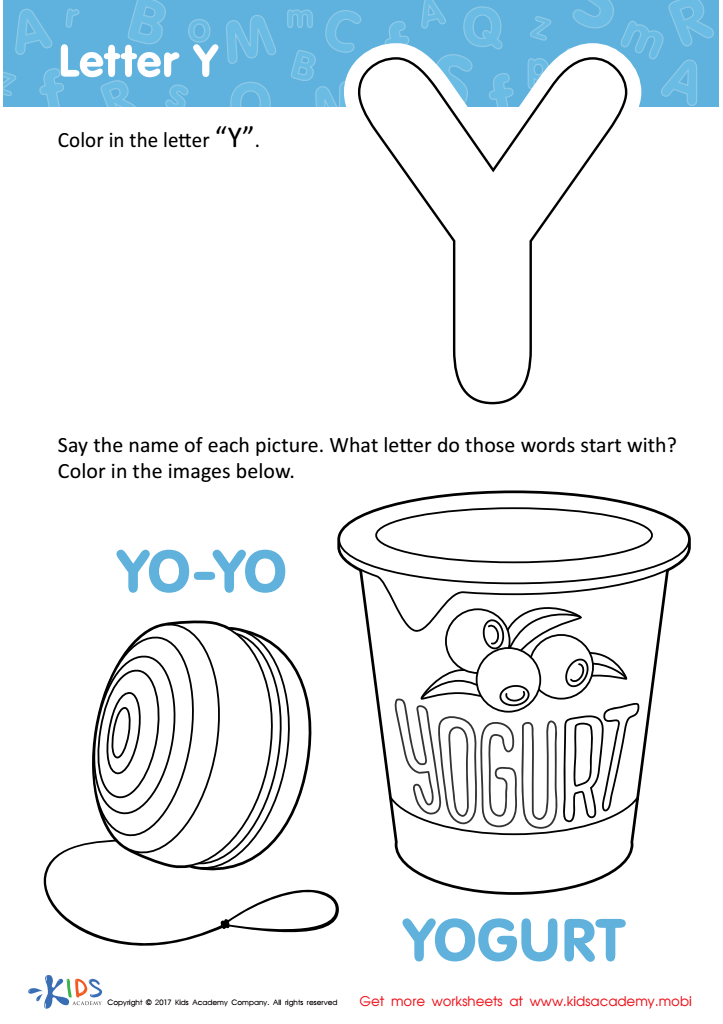
Letter Y Coloring Sheet
 Assign to My Students
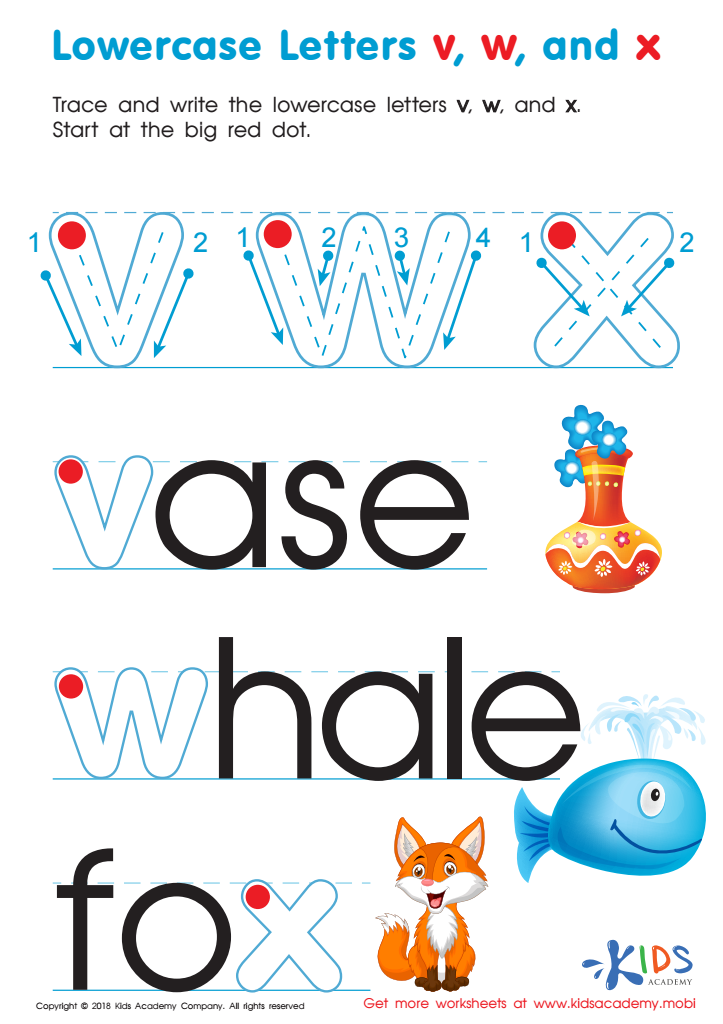
Lowercase Letters v w x Worksheet
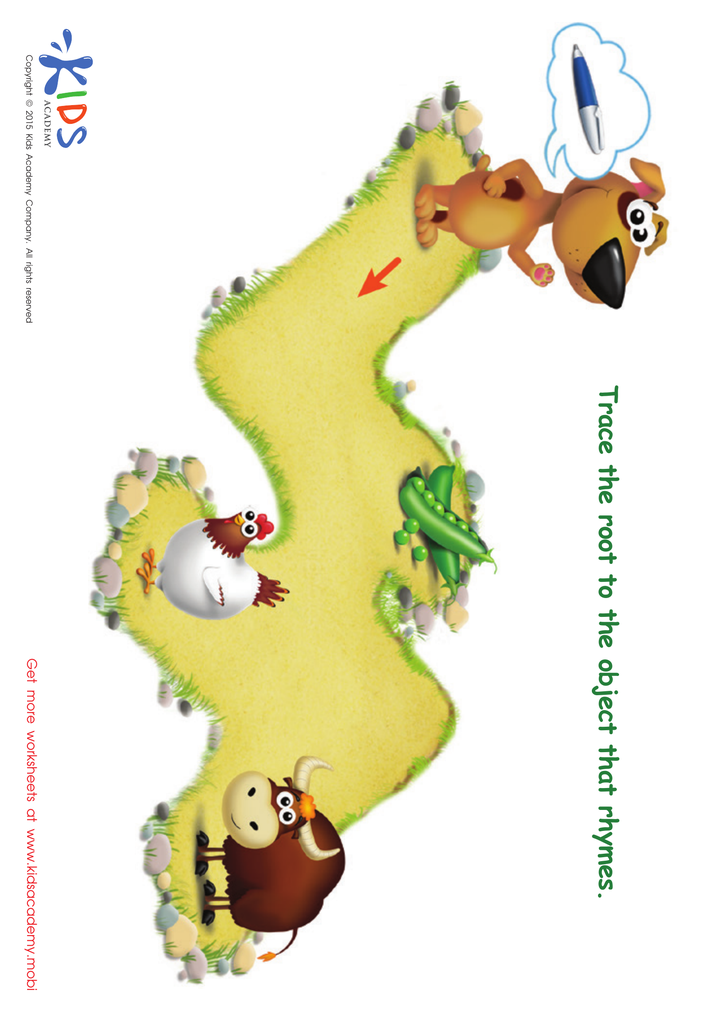
Pen Rhyming Words Worksheet








Letter formation is a foundational skill in early childhood education that has far-reaching implications on a child's overall academic success and self-esteem. For parents and teachers, fostering proper letter formation in kindergarten is critical for several reasons.
Firstly, consistent and correct letter formation lays the groundwork for clear and effective handwriting. Good handwriting skills are not just about aesthetics; they play a crucial role in a child’s ability to complete assignments efficiently and legibly. This can reduce frustration and boost a child’s confidence in their academic abilities, leading to a more positive attitude towards learning.
Secondly, properly formed letters help reinforce the connection between visual and motor systems in the brain. Activities involving letter formation help enhance fine motor skills and muscle memory, building the dexterity needed for various tasks.
Thirdly, mastering letter formation is closely tied to literacy development. When children can form letters well, they tend to also recognize them more readily, which aids in reading. Confident readers are better equipped to tackle more complex learning tasks in the future.
Finally, early success in letter formation instills a sense of achievement and encourages a growth mindset. When teachers and parents invest time in helping children develop this skill, they set the stage for future academic and personal success, demonstrating a commitment to holistic growth. Thus, focusing on letter formation in kindergarten is vital for cultivating a supportive and effective learning environment.








