Logical thinking development Kindergarten Worksheets
11 filtered results
-
From - To
Enhance your child’s critical thinking skills with our engaging Logical Thinking Development Kindergarten Worksheets! Designed for young learners, these worksheets introduce essential reasoning and problem-solving concepts through fun and interactive activities. Each worksheet is carefully crafted to promote cognitive growth and encourage children to make connections, recognize patterns, and think logically. Ideal for early educators and parents alike, our printable resources can be easily integrated into daily learning routines. Download our worksheets today to inspire your child's natural curiosity and lay a solid foundation for lifelong learning in a playful and enjoyable manner! Unlock their potential with our effective, educational tools.
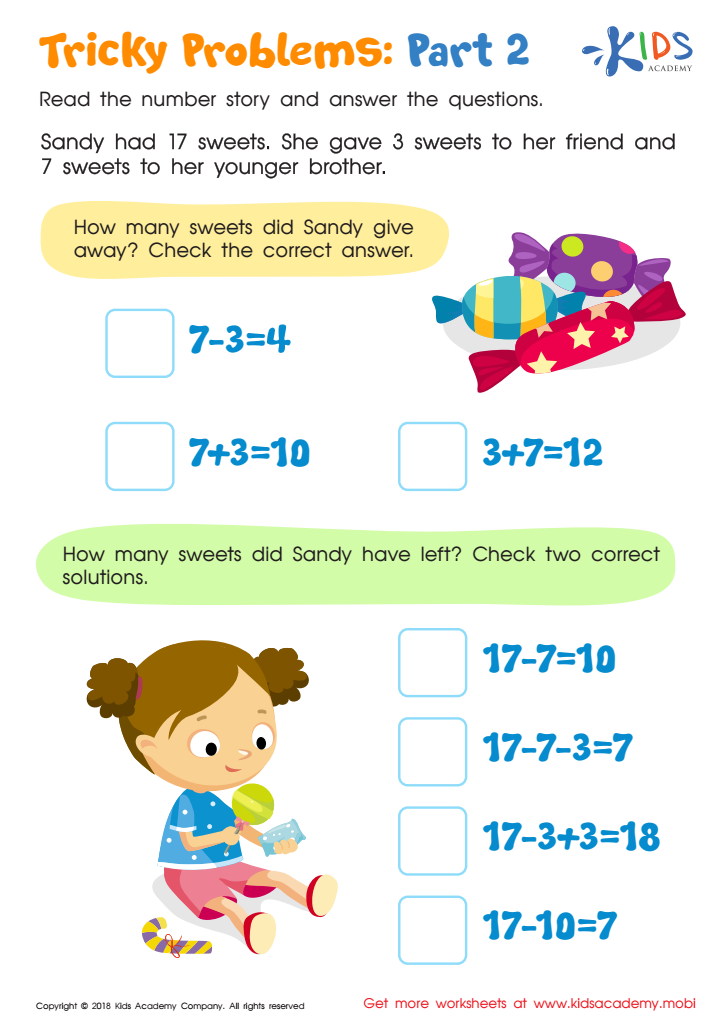
Tricky Problems Worksheet: Part 2
 Assign to My Students
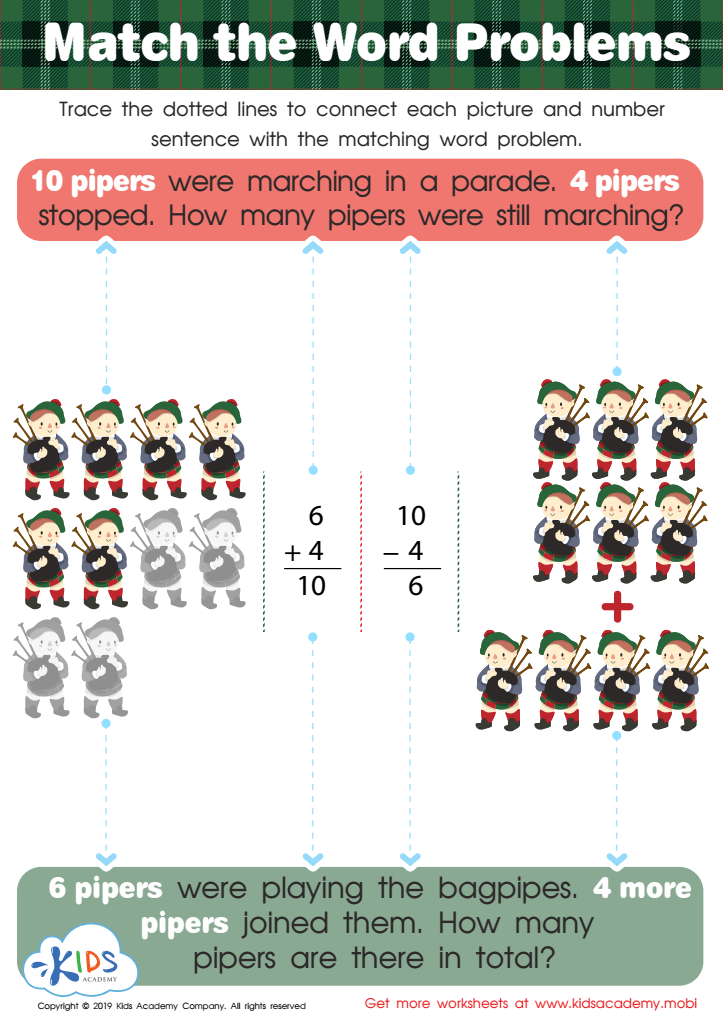
Match the Word Problems Worksheet
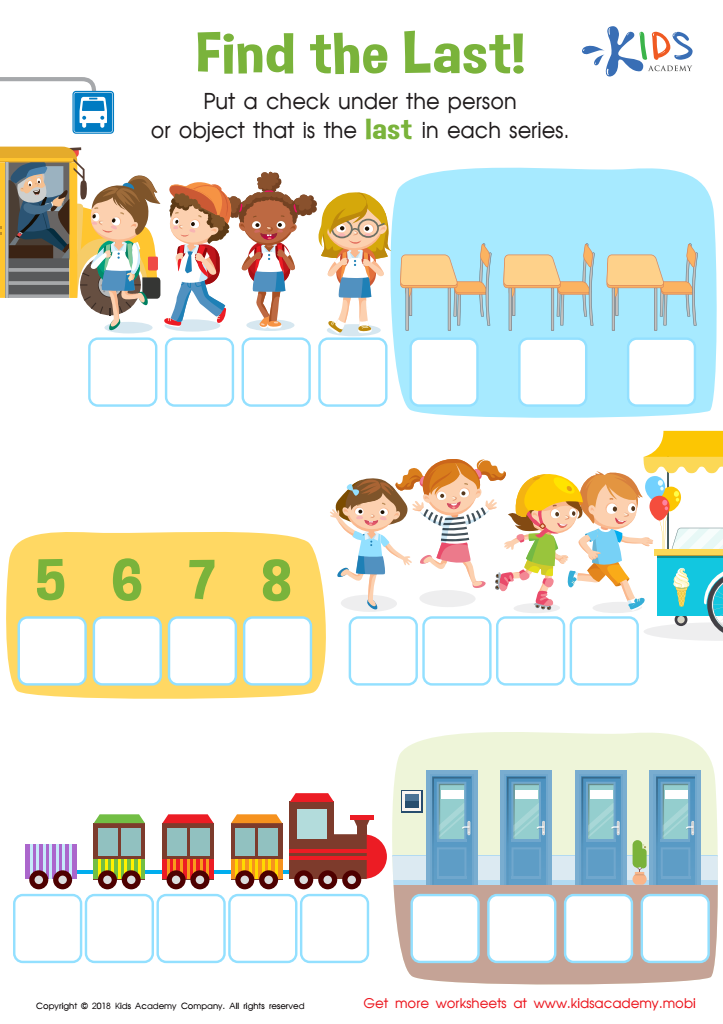
Find the Last! Worksheet
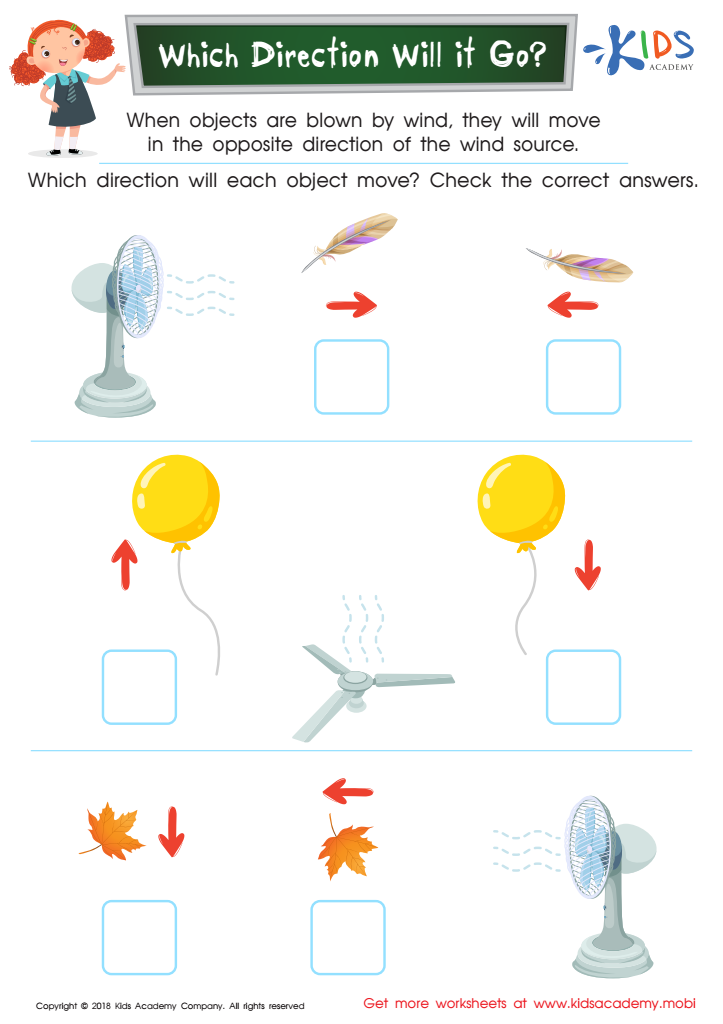
Which Direction Will it Go? Worksheet
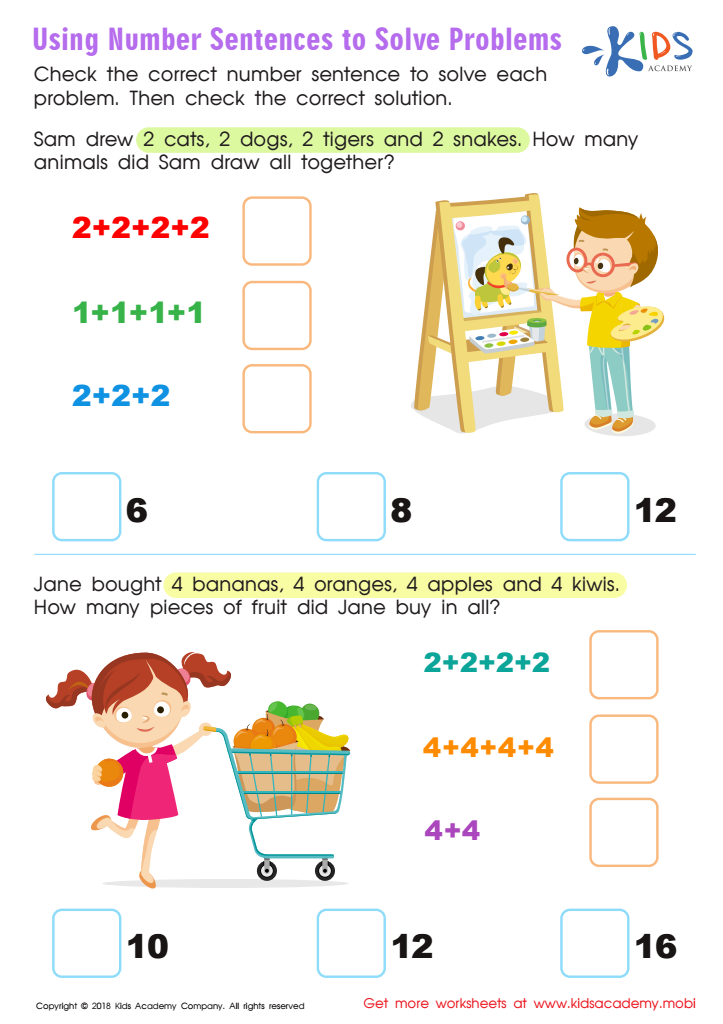
Using Number Sentences to Solve Problems Worksheet
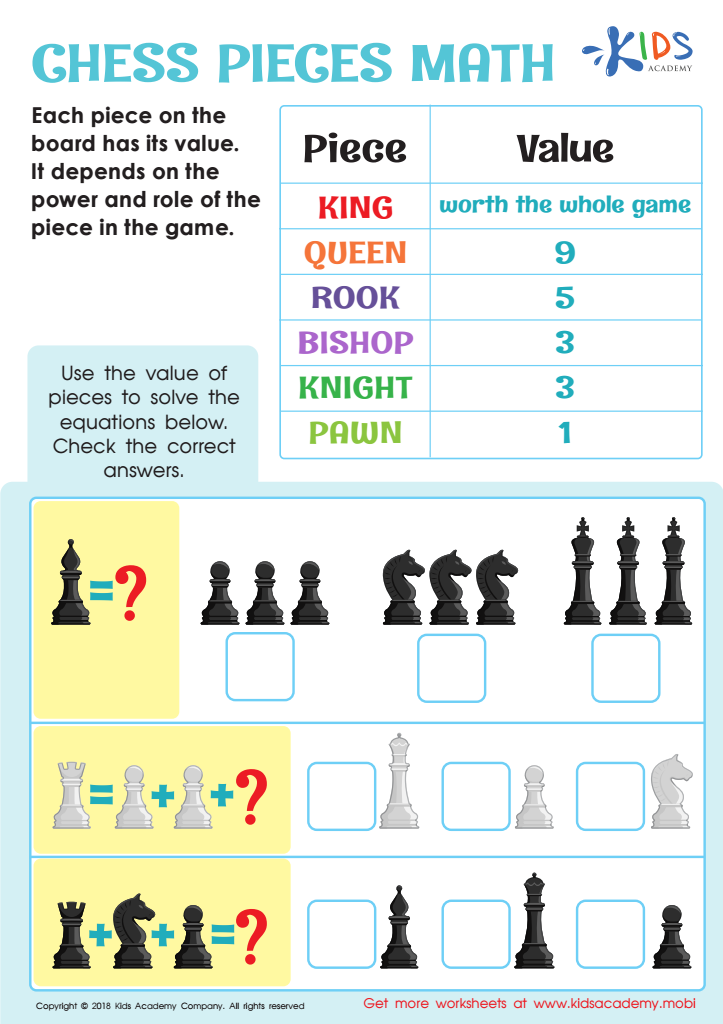
Chess Pieces Math Worksheet
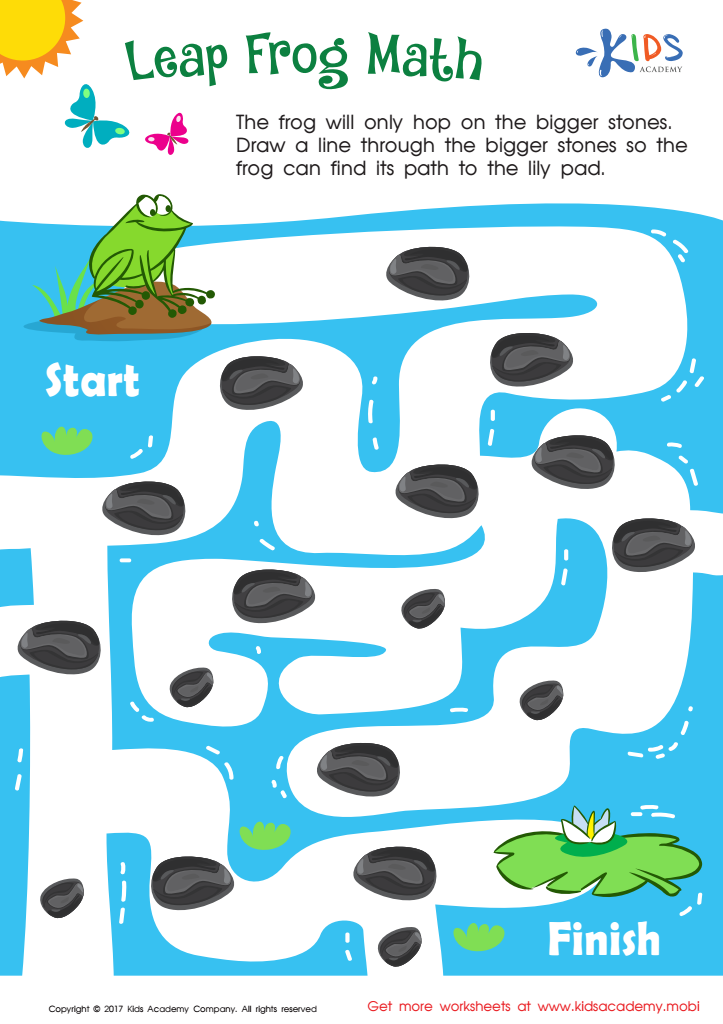
Math Puzzle Worksheet
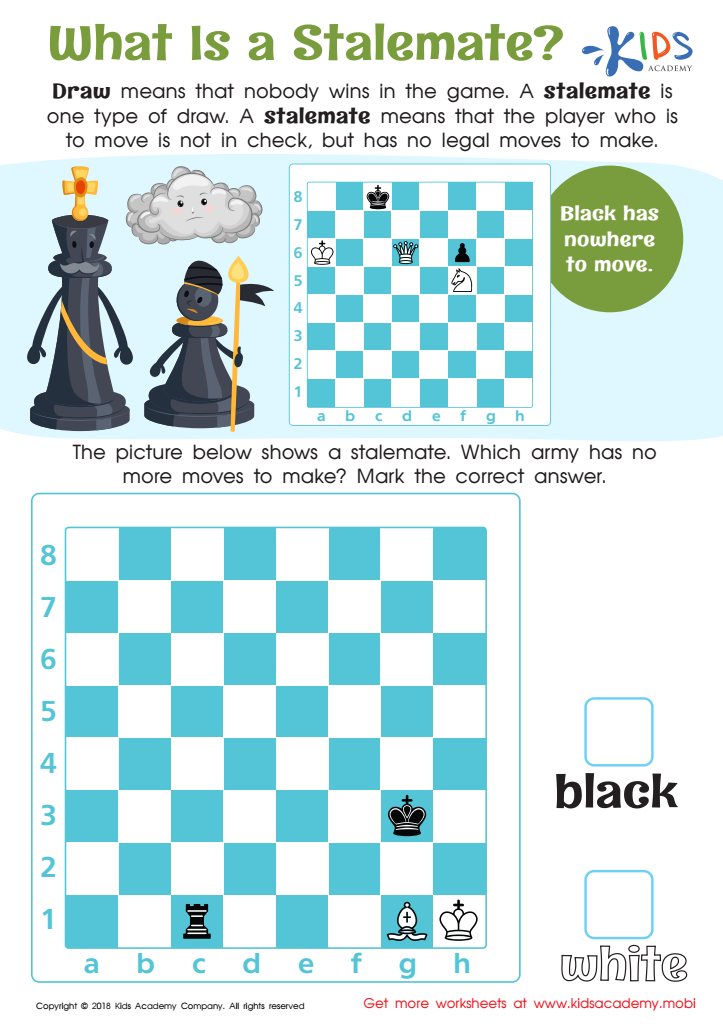
What Is a Stalemate? Worksheet
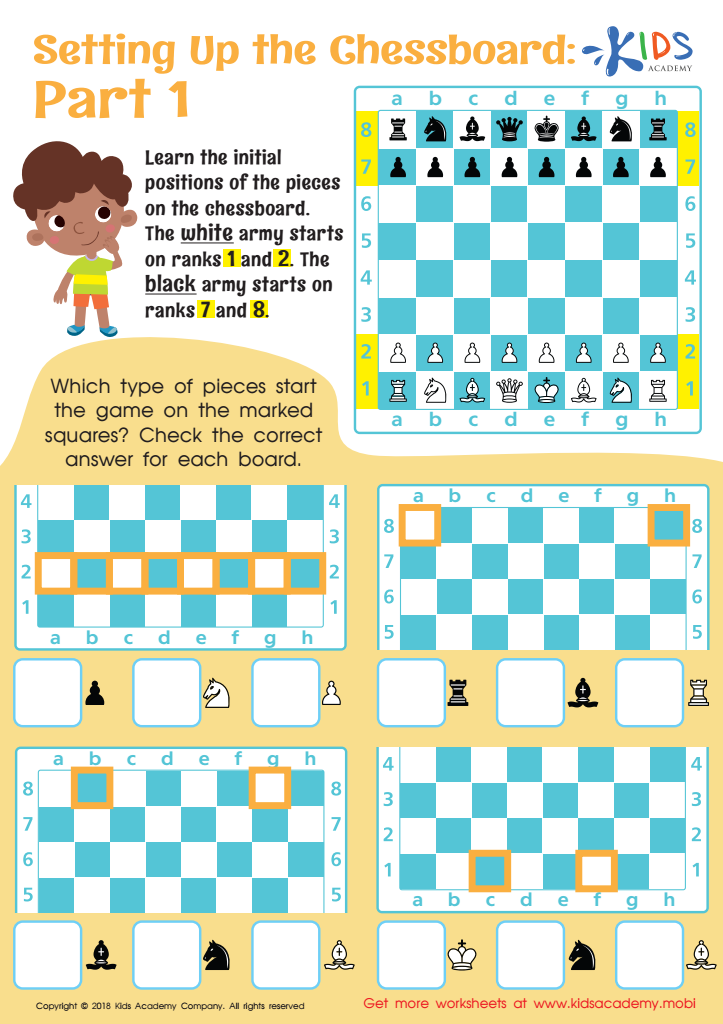
Setting up the Chessboard: Part 1 Worksheet
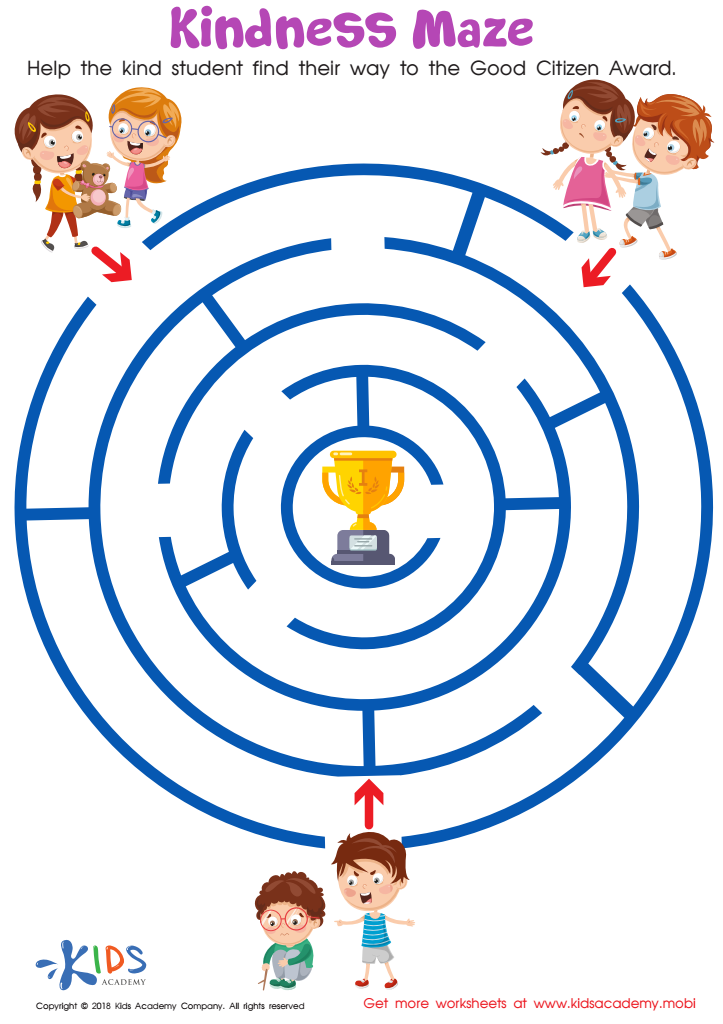
Kindness Maze Worksheet
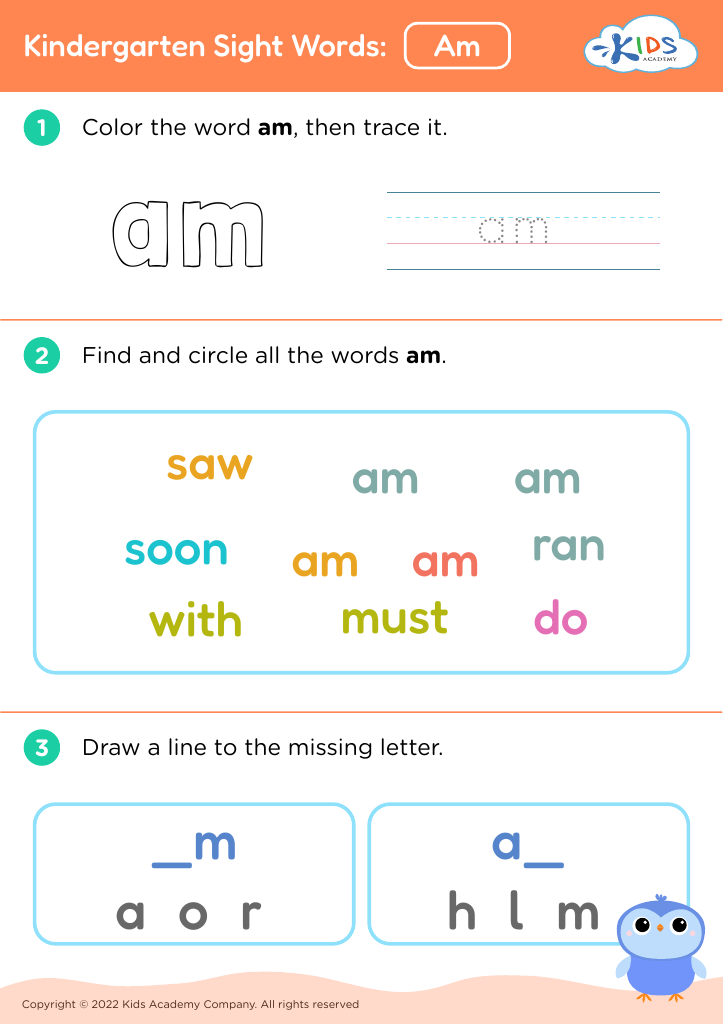








Logical thinking is a fundamental skill that serves as the foundation for problem-solving and reasoning, making it essential for young children in kindergarten. Parents and teachers should prioritize its development for several reasons.
Firstly, logical thinking enhances cognitive skills, enabling children to process information, identify patterns, and make connections between concepts. This cognitive foundation is crucial for academic success in subjects like math and science, where children encounter concepts requiring analytical thinking.
Secondly, fostering logical thinking promotes decision-making and critical thinking skills, allowing children to evaluate situations, assess options, and make choices confidently. This skill not only benefits academic pursuits but also equips children with the tools to navigate everyday challenges and social interactions effectively.
Moreover, enhancing logical thinking in early childhood encourages creativity and curiosity. When children learn to approach problems with a logical mindset, they are more likely to explore new ideas and solutions, fueling their engagement and enthusiasm for learning.
Finally, developing logical thinking helps establish a strong emotional foundation. Children learn to understand cause-and-effect relationships, leading to greater emotional intelligence and self-regulation. Overall, prioritizing logical thinking development is vital for equipping youngsters with essential life skills that extend far beyond the classroom.