Mental math practice Kindergarten Worksheets
6 filtered results
-
From - To
Discover our engaging Mental Math Practice Kindergarten Worksheets designed to empower young learners with essential math skills. These printable worksheets offer a fun and interactive way for kindergarteners to practice addition, subtraction, and number recognition. Each activity is thoughtfully crafted to enhance critical thinking and foster a love for mathematics in a playful setting. Ideal for classroom use or at-home practice, our worksheets encourage independent learning while building confidence in young mathematicians. Help your child develop a strong foundation in math concepts and boost their problem-solving abilities with our delightful and educational resources. Start their math journey today!
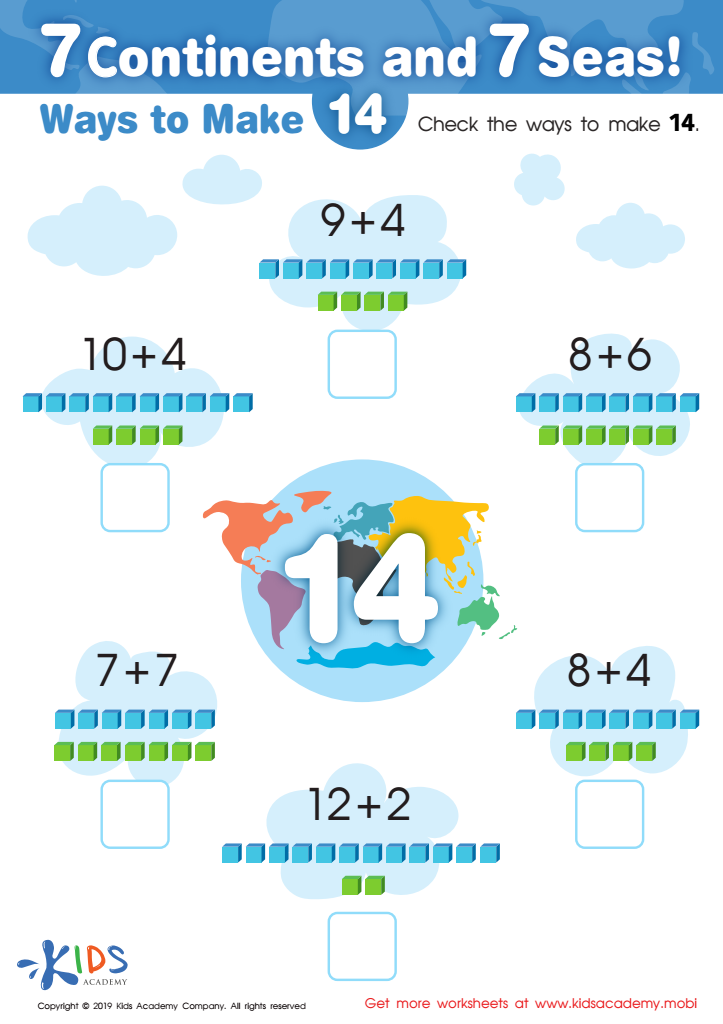
7 Continents and 7 Seas Worksheet
 Assign to My Students
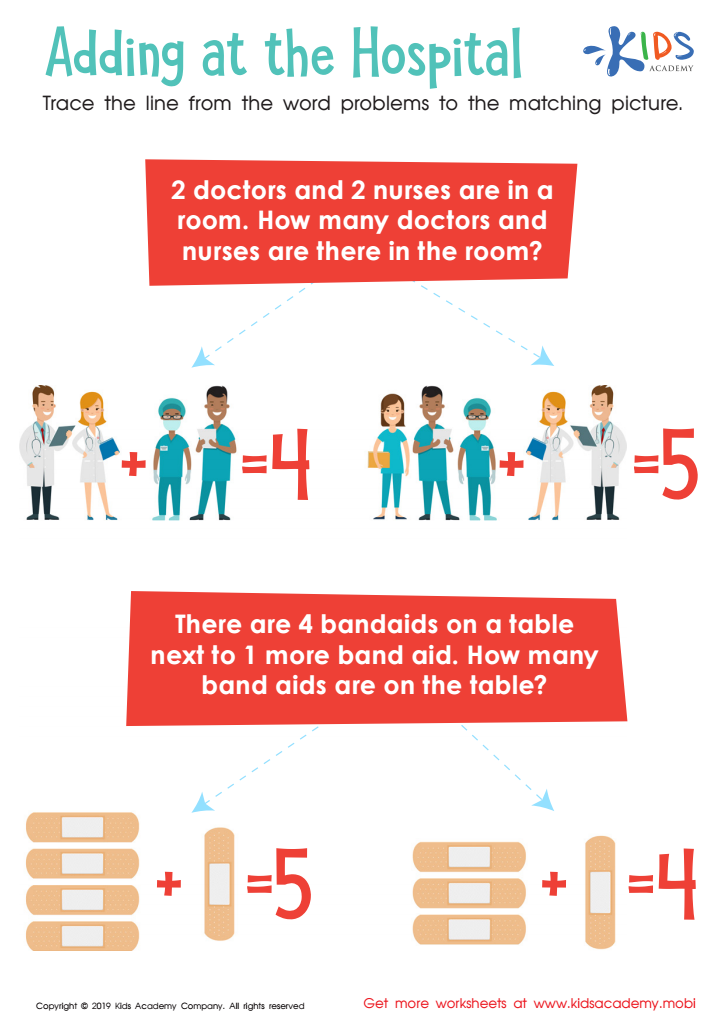
Adding at the Hospital Worksheet
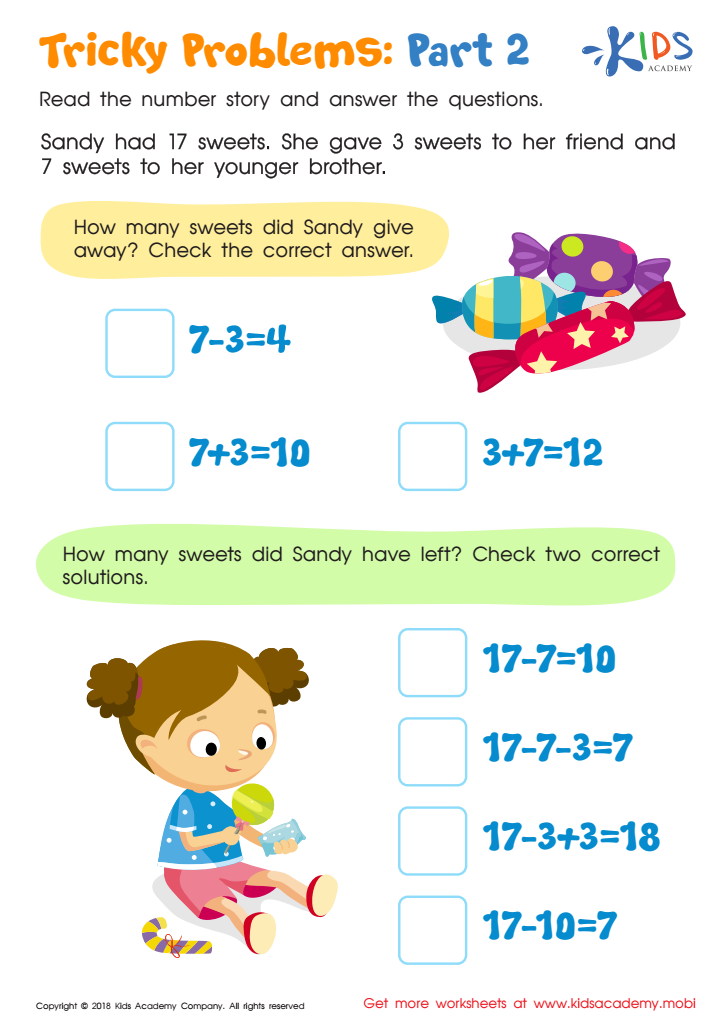
Tricky Problems Worksheet: Part 2
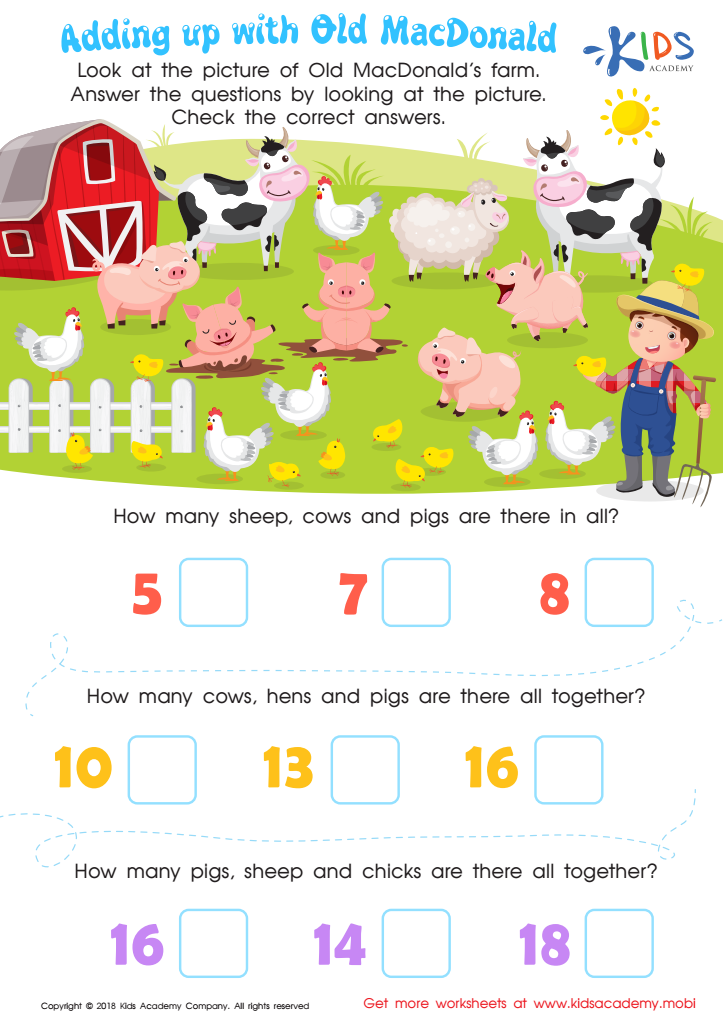
Adding Up with Old MacDonald Worksheet
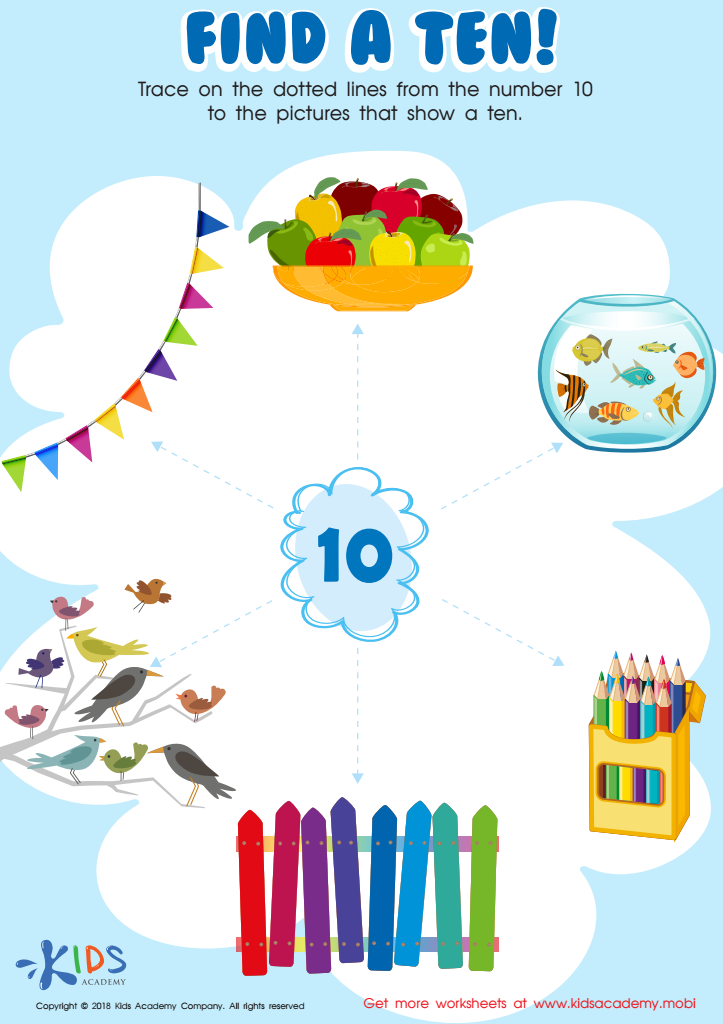
Kindergarten Math Worksheet: Find a Ten
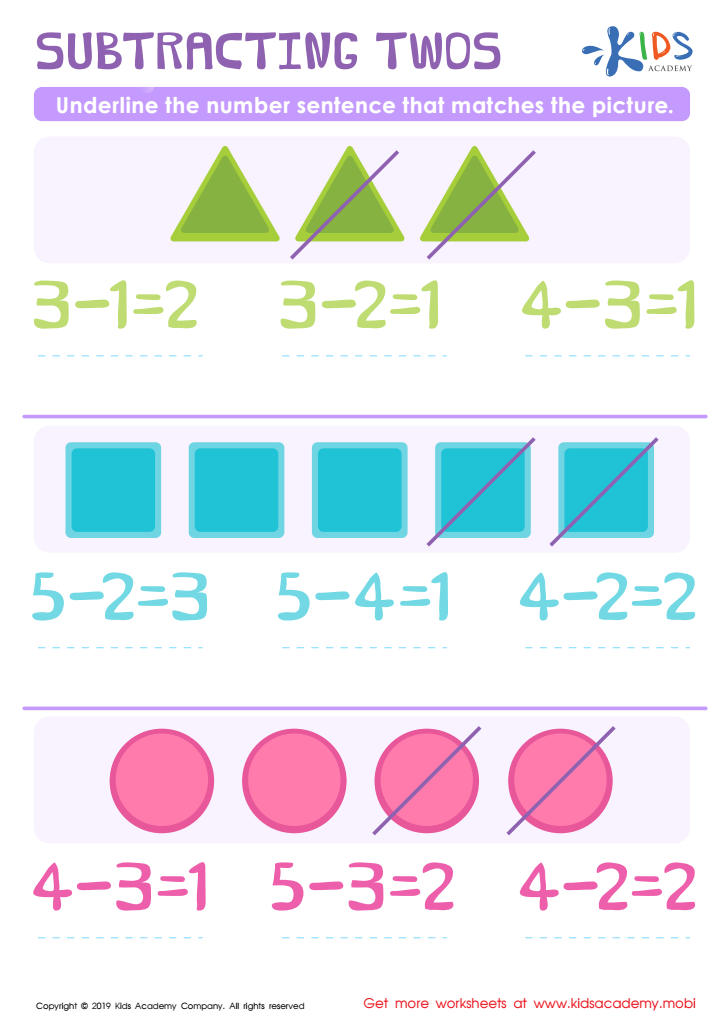
Subtracting Twos Worksheet



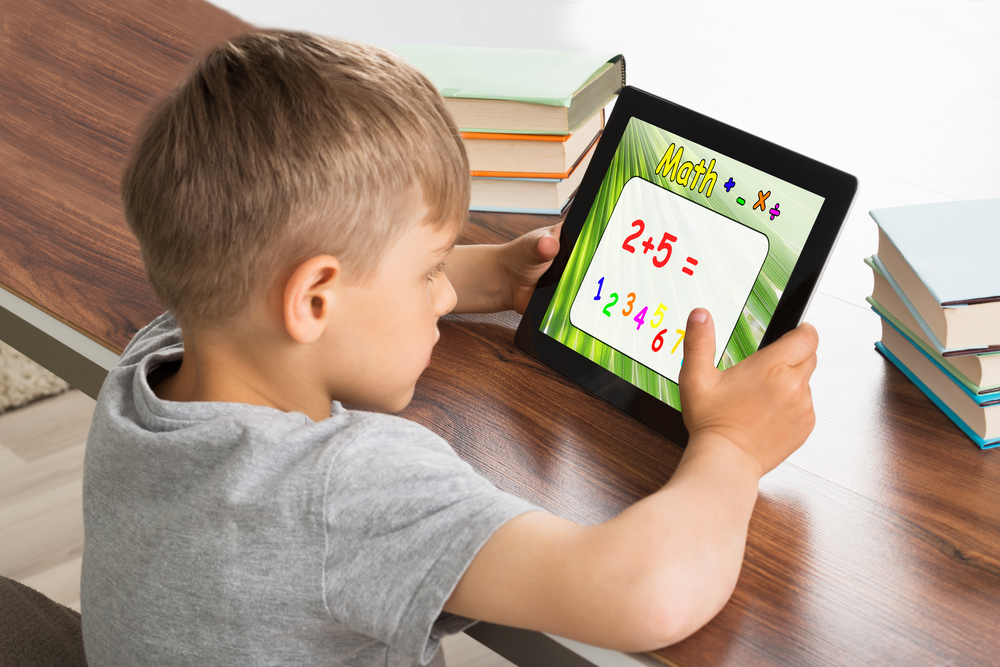



Mental math practice in kindergarten is crucial for several reasons that both parents and teachers should prioritize. First, it lays a strong foundation for mathematical understanding. Engaging children in mental math helps them develop number sense, improving their ability to recognize relationships between numbers and understand basic arithmetic operations without relying on calculators or paper.
Furthermore, mental math fosters critical thinking and problem-solving skills. When children practice mental calculations, they learn to approach problems creatively and develop strategies to tackle them. These skills extend beyond mathematics, enriching their overall cognitive development.
Additionally, mental math practice enhances memory and concentration. Young learners strengthen their ability to retain information and focus on tasks, which benefits their performance in all subjects. It also builds confidence; as children successfully solve problems mentally, they gain self-esteem and feel more prepared to tackle more complex mathematical concepts in the future.
Finally, incorporating mental math into everyday activities, such as counting items during grocery shopping, reinforces learning in a practical context, making math fun and relevant. Overall, carving out time for mental math practice can significantly impact a child's academic journey and instill a lifelong appreciation for mathematics.








