Story analysis Kindergarten Worksheets
5 filtered results
-
From - To
Explore our engaging Story Analysis Kindergarten Worksheets designed to enhance critical thinking and comprehension skills! Perfect for young learners, these worksheets encourage children to delve into the elements of a story, such as characters, setting, and plot. Through fun activities like sequencing events and identifying main ideas, students will develop essential skills for reading and storytelling. Our user-friendly printables are tailored for kindergarten classrooms and at-home learning, making it easy for educators and parents to create a dynamic learning environment. Help your child unlock the magic of storytelling while nurturing their analytical abilities with our captivating story analysis worksheets today!
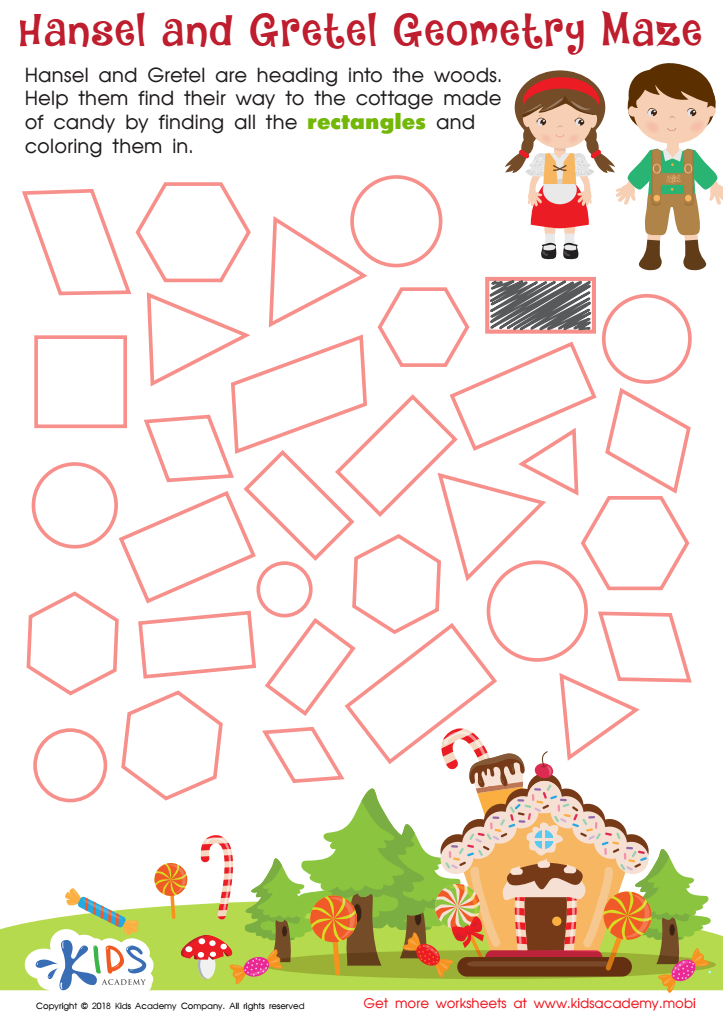
Hansel and Gretel Geometry Maze Worksheet
 Assign to My Students
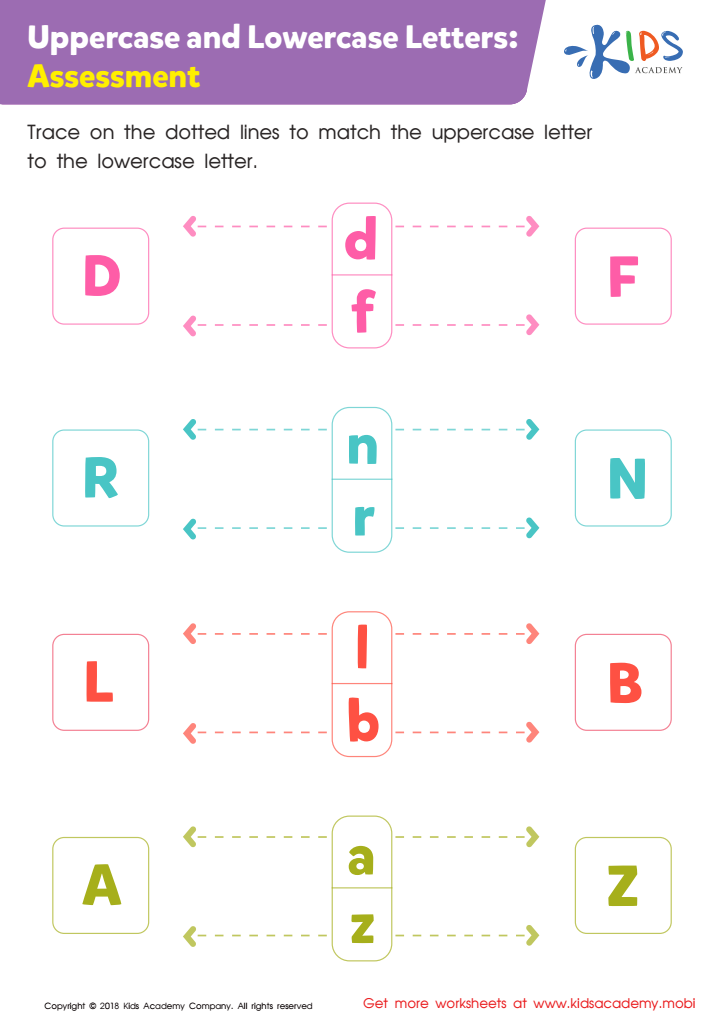
Uppercase and Lowercase Letters: Assessment Worksheet
The Three Little Pigs Worksheet
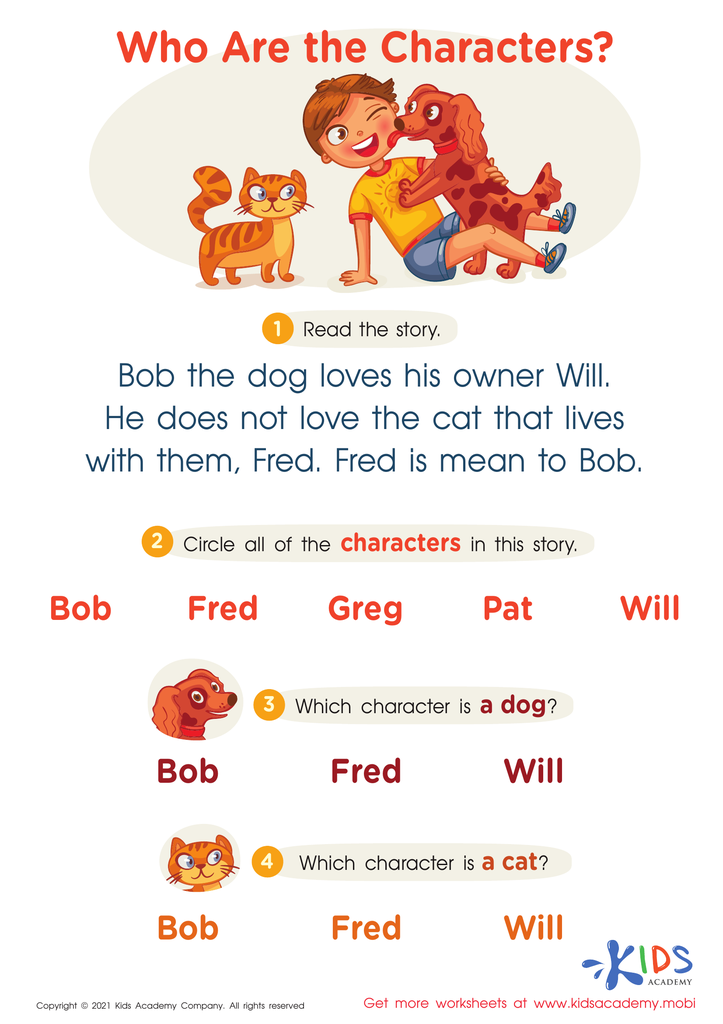
Who Are the Characters? Worksheet
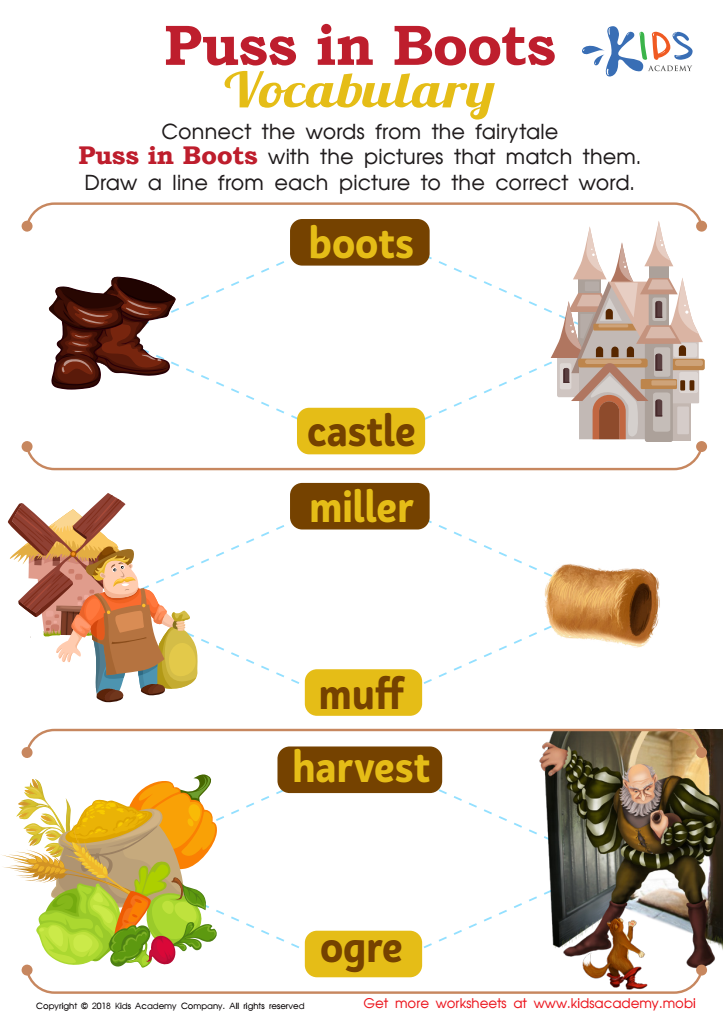
Puss in Boots Vocabulary Worksheet







Story analysis in Kindergarten plays a crucial role in early childhood education, and it's vital for parents and teachers to recognize its importance. At this stage, children are not merely being entertained; they are developing essential cognitive and language skills through narratives. By engaging with stories, they learn to connect events, understand cause and effect, and identify main ideas and characters. These skills are foundational not only for literacy but also for critical thinking.
Moreover, story analysis encourages emotional intelligence. When children explore different characters' feelings and motives, they begin to empathize and appreciate diverse perspectives, promoting social skills crucial for their development. This engagement also enhances vocabulary as children are exposed to new words within the context of stories.
For teachers, story analysis can guide lesson planning and pedagogical strategies, fostering a love for reading that will influence students' lifelong literacy habits. Parents can reinforce this learning at home, supporting their children's literacy and analytical skills outside the classroom. Ultimately, story analysis creates a rich, interactive landscape for children, equipping them with the tools they need for both academic success and personal growth. Engaging in this practice is a meaningful investment in children's futures.








