Visual discrimination skills Kindergarten Worksheets
6 filtered results
-
From - To
Our Kindergarten Visual Discrimination Skills Worksheets are designed to help young learners distinguish between different shapes, sizes, colors, and patterns. These engaging activities enhance attention to detail and critical thinking. Ideal for early childhood development, these worksheets support visual perception, aiding in recognizing subtle differences crucial for reading and math readiness. Children will enjoy fun exercises like finding the odd one out, matching pictures, and spotting the differences. Developed by education experts, our printable worksheets are perfect for both classroom and home learning, providing an essential foundation for academic success. Discover our resourceful collection and watch your child’s skills flourish!
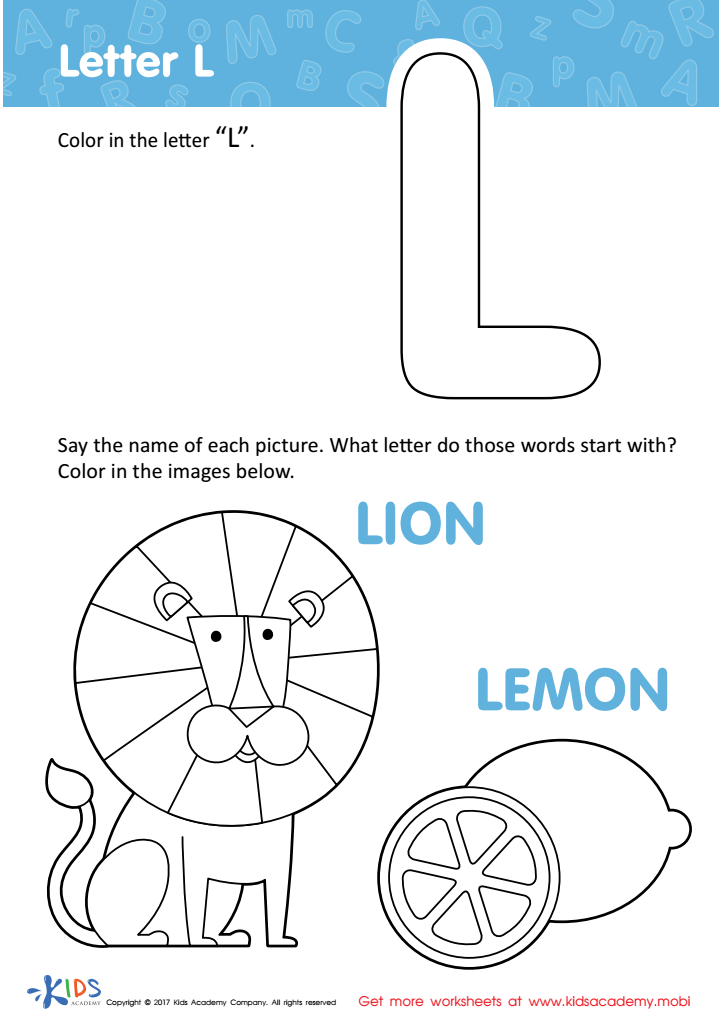
Letter L Coloring Sheet
 Assign to My Students
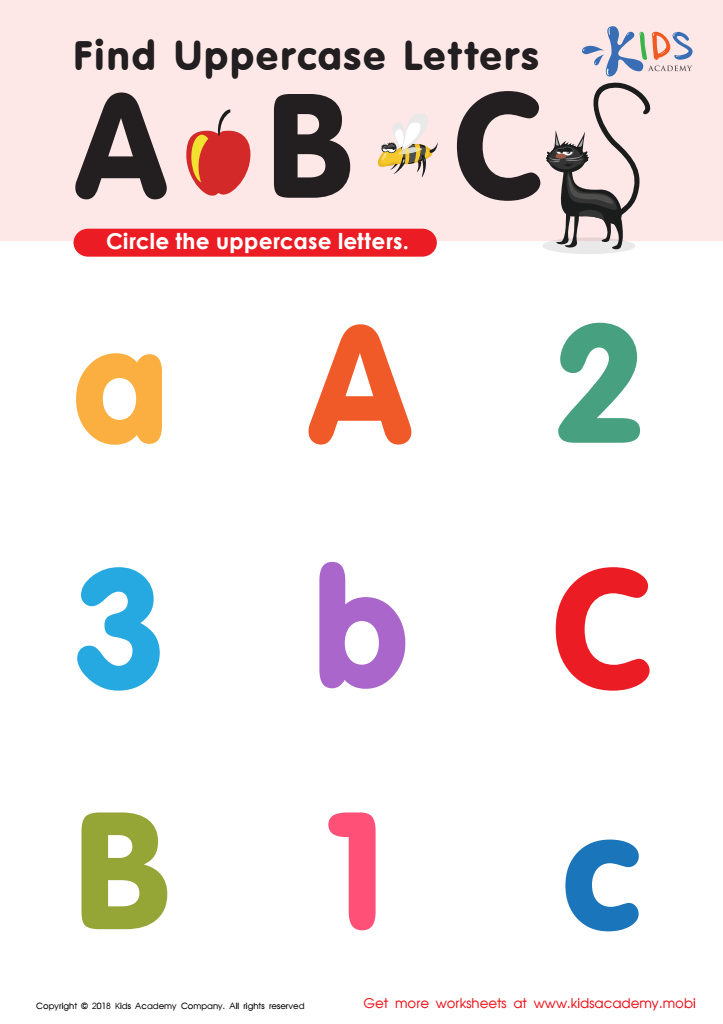
Find Uppercase Letters A, B, and C Worksheet
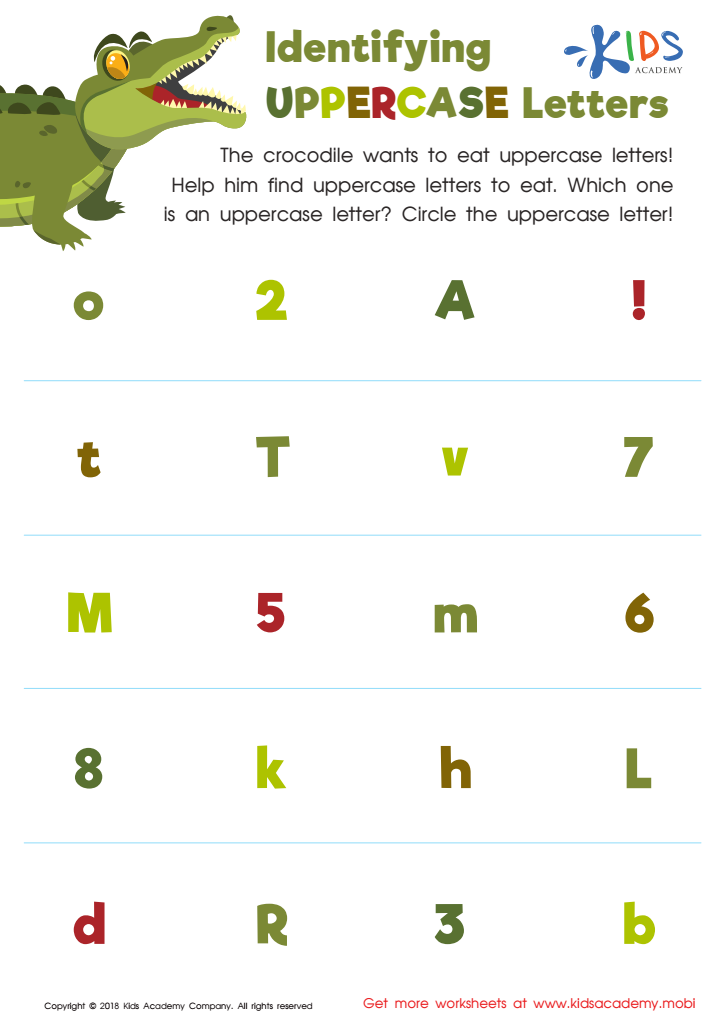
Identifying Uppercase Letters Worksheet
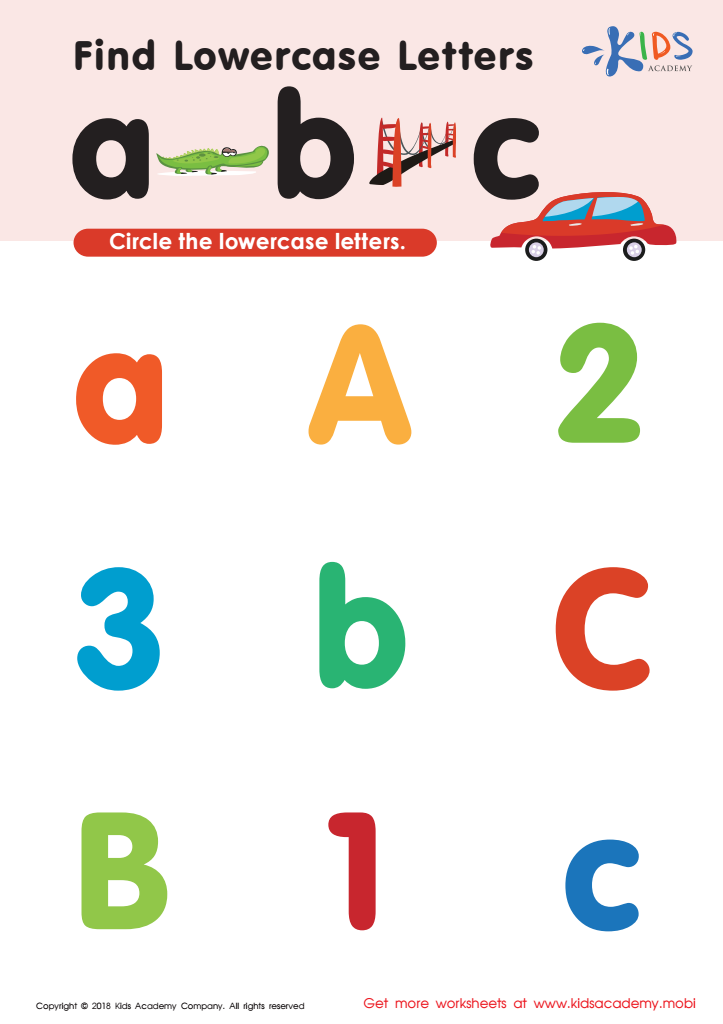
Find lowercase letters a b c Worksheet
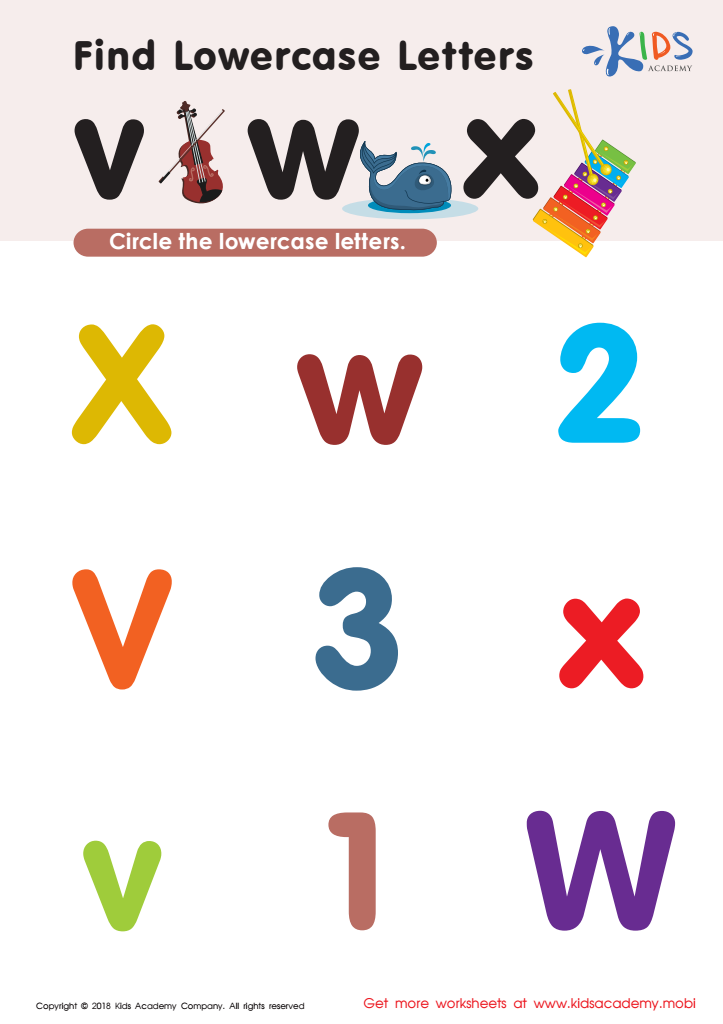
Find Lowercase Letters v w x Worksheet
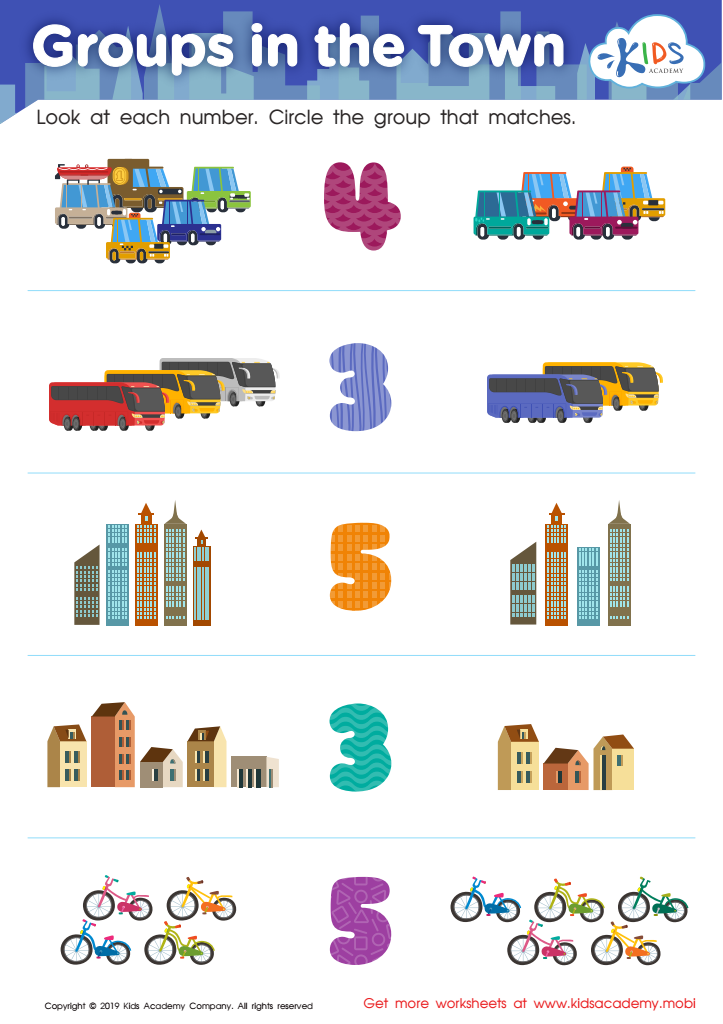
Groups in the Town Worksheet







.jpg)
Visual discrimination skills are crucial for kindergarten students, as they form the bedrock of early learning and academic success. These skills allow children to notice differences and similarities in shapes, letters, numbers, and patterns, which is fundamental for reading, writing, and math proficiency.
Strong visual discrimination abilities help children distinguish between commonly confused letters like "b" and "d," which is essential for accurate reading and spelling. This proficiency directly impacts a child's ability to decode words, comprehend sentences, and follow along in both individual and group reading activities.
In mathematics, visual discrimination aids kindergarteners in recognizing different number shapes, learning to differentiate between greater-than and less-than symbols, and understanding basic geometric forms. This foundation supports more advanced math skills as they progress in school.
Beyond academics, visual discrimination influences everyday tasks like following instructions, understanding sequence patterns, and enhancing fine motor skills, such as cutting along lines or coloring within boundaries. Developing these skills also boosts overall cognitive development and attention to detail, fostering a greater sense of confidence and capability.
By caring about and fostering visual discrimination skills, parents and teachers equip children with essential tools for academic achievement, higher self-esteem, and lifelong learning.








